Manufacturing Process of Cast Iron Castings: A Step-by-Step Guide
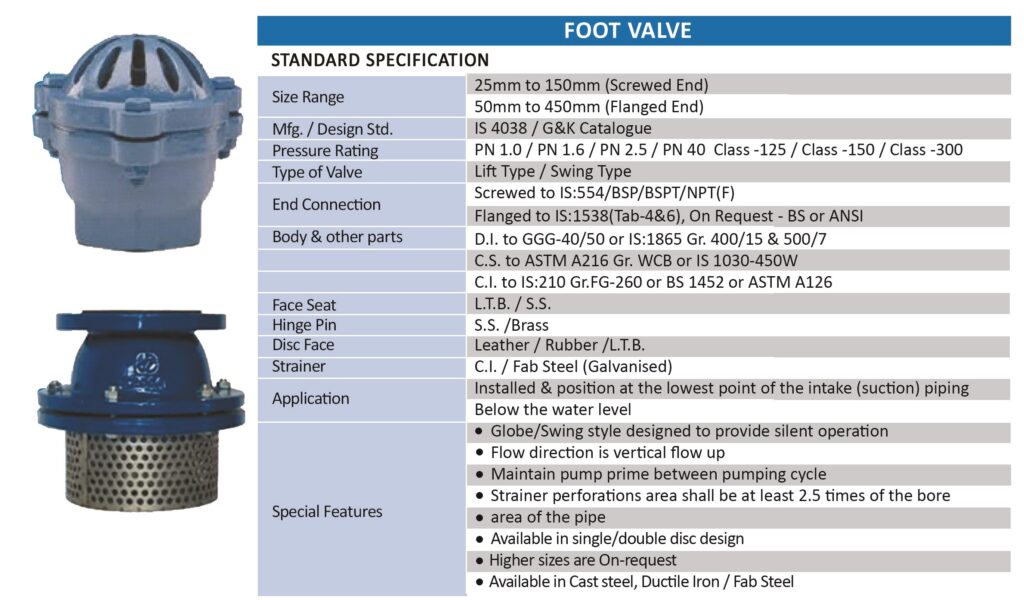
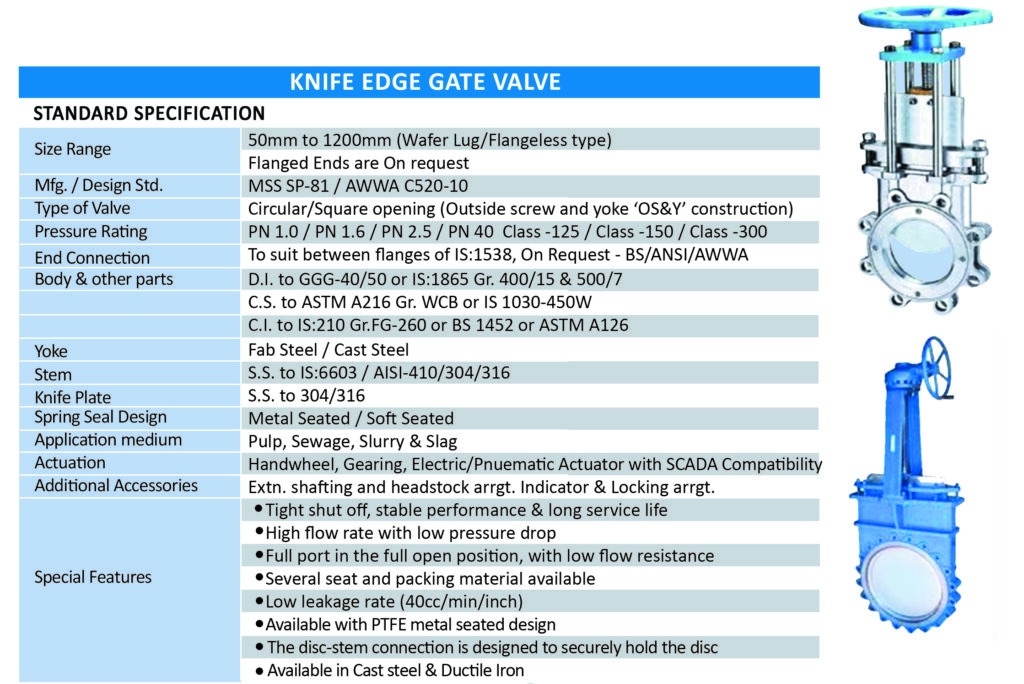
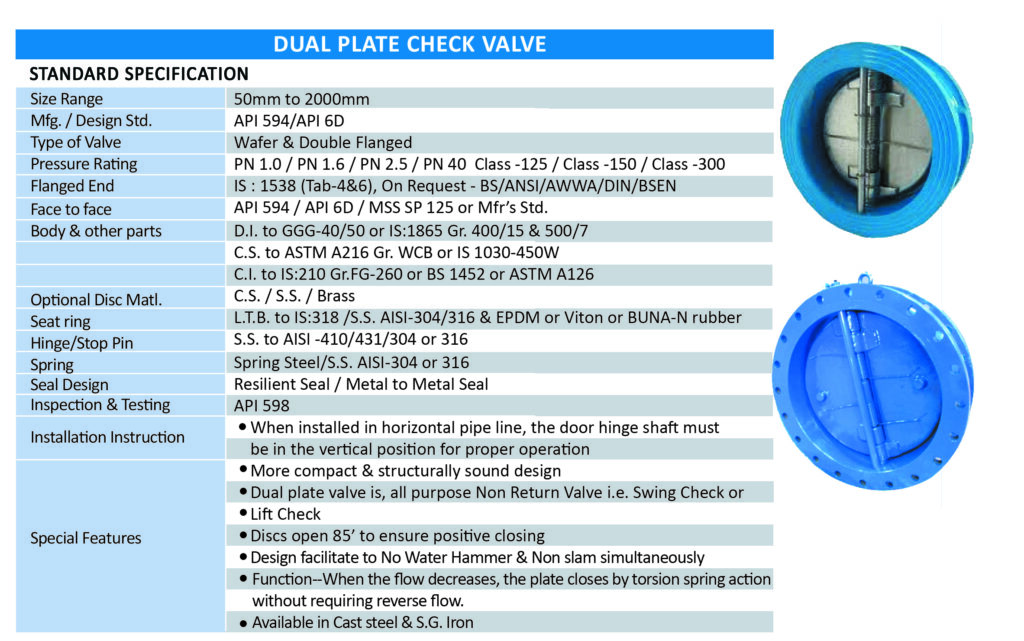
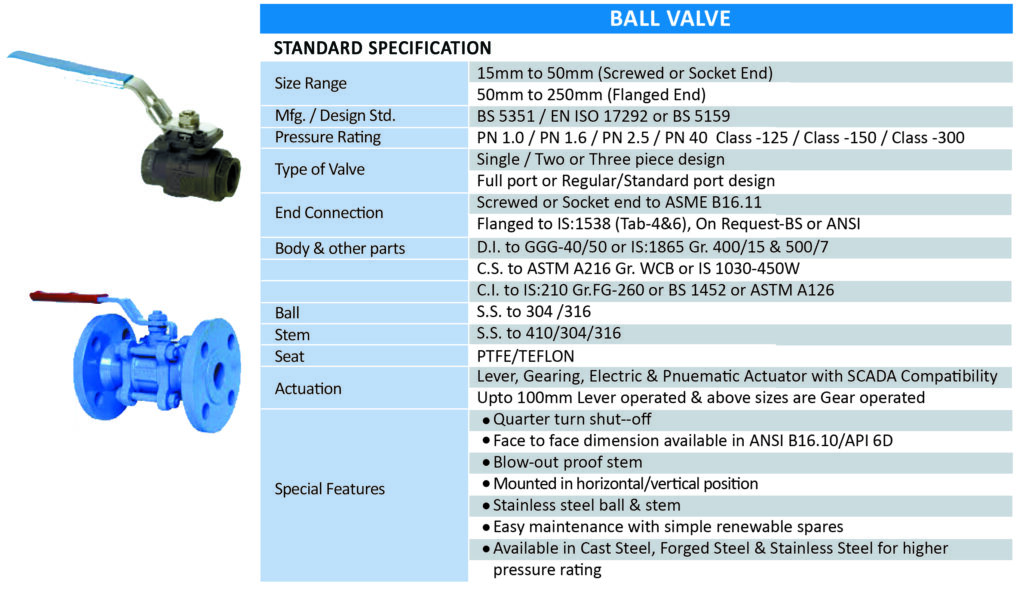
When you look at any strong industrial product, you rarely think about the metal journey behind it. But if you work with machines every day, you know one thing clearly — good castings keep everything running, and poor castings can stop your entire workflow. That’s why, when you choose Cast Iron Castings, Cast Steel Castings, or Stainless Steel Castings, the process matters as much as the final product.
At our manufacturing facility, we try to build something more than just components.
Indeed, we try to build trust. We try to build consistency. We try to give you metal parts that feel reliable, predictable, and ready for real-life stress. And the entire journey begins long before the metal takes shape.
Let’s walk through the full process together, step by step, so you know exactly how your casting comes alive.
Step 1: Creating Patterns: The Initial Form of Your Idea
Your idea is the starting point for every casting.
We take your drawing, sketch, or requirement and convert it into a pattern, which becomes the very first shape of your future part.
Nothing here is guesswork. Depending on the number of parts you need and the precision of your dimensions, we choose the pattern material.
We select the material that best fits your project because wood, metal, and polymer all behave differently during moulding.
Understanding you is the goal of this stage. Your needs, your tolerance limits, your performance expectations. Once we get that right, the rest follows smoothly.
Step 2: Mould Preparation: Creating the Area Your Metal Will Fill
In essence, the mould is your part’s “negative copy”. When the pattern is ready, we accurately create a hollow cavity by embedding it in sand or a similar material.
Here, we add gates, risers, and channels, which serve as pathways for molten metal.
If your part needs hollow areas, we build cores that sit inside the mould.
This is detailed work, and it decides how clean, accurate, and uniform your final casting will be.
Good moulds produce good parts.
There is no shortcut around this.
Step 3: Melting the Metal – Heat, Precision, and Complete Control
Now, the true transformation begins.
Whether we’re working with cast iron, carbon steel, or stainless steel, we melt the raw material in heavy-duty furnaces until it flows like water.
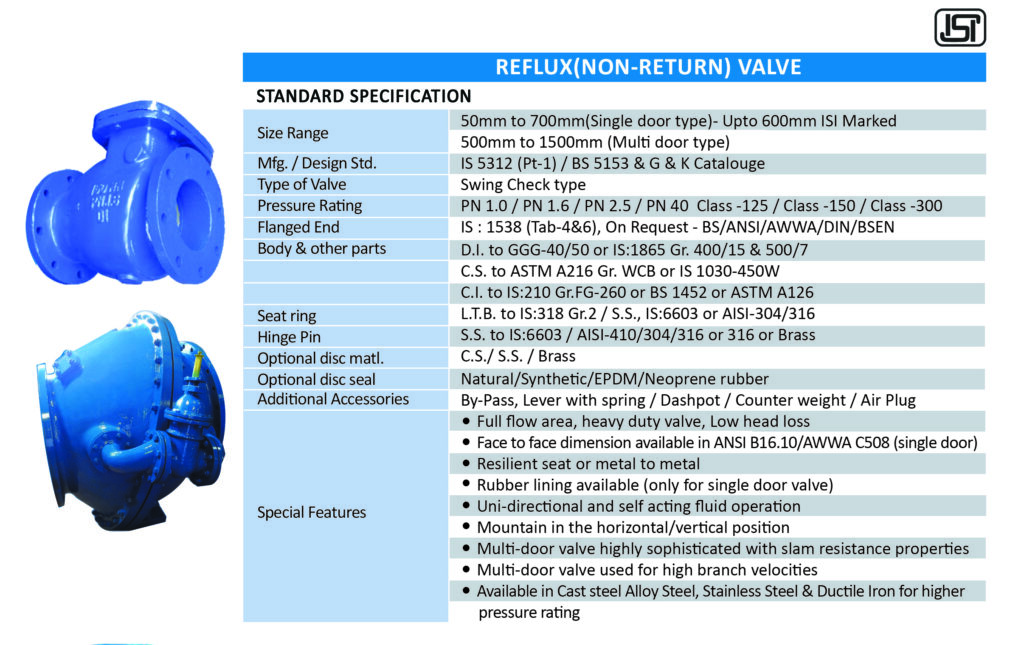
For Cast Iron Castings, we adjust the composition to give you strength, machinability, and durability.
We develop alloys that withstand high stress in cast steel components.
We guarantee that the corrosion resistance of stainless steel components is preserved.
This step is where your casting takes on personality, even if you might not notice it.
We continually check the temperature since a few degrees too high or too low might impact everything.
Step 4: Pouring – Guiding Liquid Metal to Take Shape
Pouring looks simple from a distance, but it demands absolute control.
We tilt the ladle gently. We regulate the flow like we’re filling something delicate.
You want a smooth, steady stream that reaches every edge of the mould without trapping air or creating turbulence.
This is the most dramatic moment of the entire process. Molten metal enters the mould and slowly replaces the empty space with potential.
And once the mould fills, nature takes over.
Step 5: Cooling and Solidifying – Time Shapes Strength
Metal cannot be rushed.
It cools, it shrinks, and it settles at its own pace.
During this time, we monitor the mould because uneven cooling can cause cracks, strain, or weakness.
Cooling is the silent stage, but not the passive one.
It plays a huge role in how strong your casting becomes.
A well-cooled casting lasts longer, performs better, and handles pressure gracefully.
Step 6: Shakeout, Cleaning, and Fettling – Revealing the Raw Casting
Once the metal is fully solid, we break the mould open.
You see your first glimpse of the casting — rough around the edges, covered in sand, and attached to runners and risers.
We clean it, remove sand, grind off unwanted metal, and smooth out areas that need finishing.
It’s almost like sculpting stone — eliminating everything that doesn’t belong until the shape becomes clear.
Step 7: Machining and Finishing – Precision Meets Purpose
This is where your casting becomes the part you actually use. We machine it to match your drawings exactly. Holes, threads, contours, dimensions — everything is refined here.
For stainless steel alloy castings, we may polish or surface treat.
For cast steel castings, heat treatment may follow to increase strength.
Or for Cast Iron Castings, machining smooths the structure for a better fit and performance.
Every pass of the tool brings your requirement closer to reality.
Step 8: Inspection and Quality Check – Because You Deserve Reliability
We verify everything before delivery. All aspects, including dimensions, density, hardness, and finish, are checked thoroughly. We follow strict quality standards because you prefer consistency over surprises.
When a casting passes our checks, you receive a product we’re proud of.
Choosing Between Cast Iron , Cast Steel, and Stainless Steel – What Should You Pick?
You might still wonder what material fits your job. Here’s a simple way to decide:
Cast Iron Castings
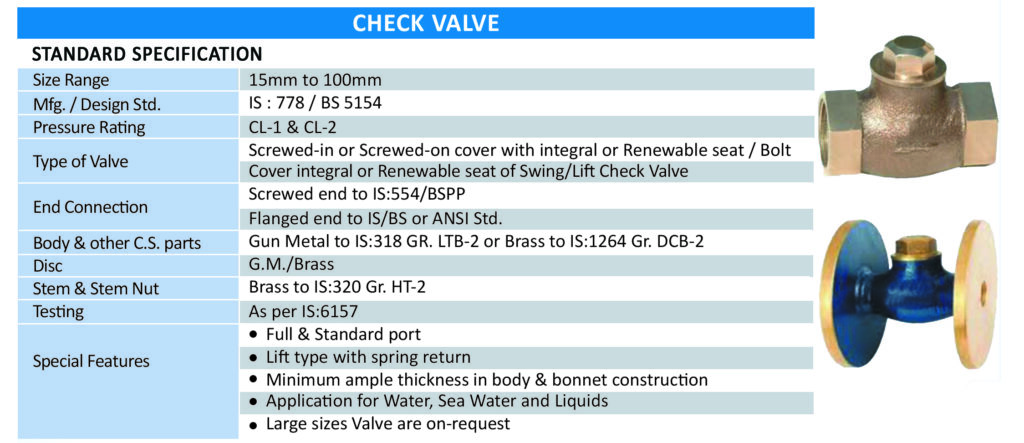
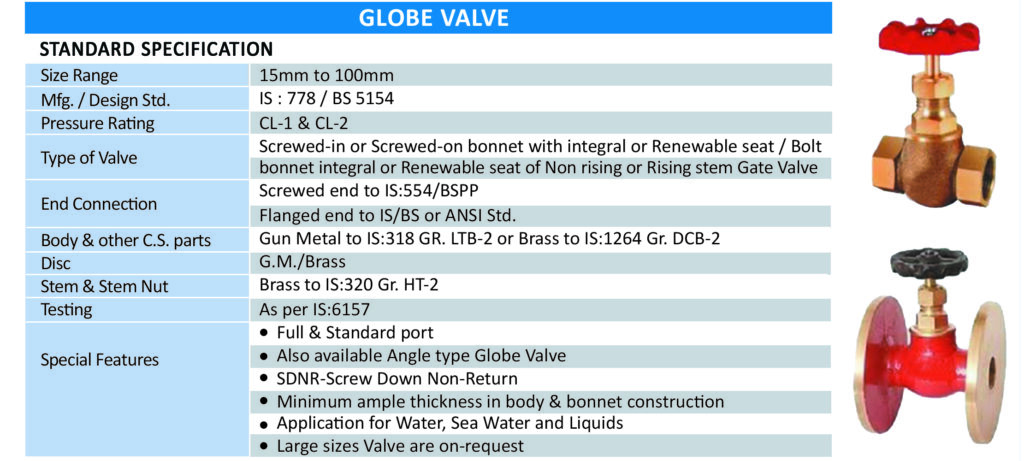
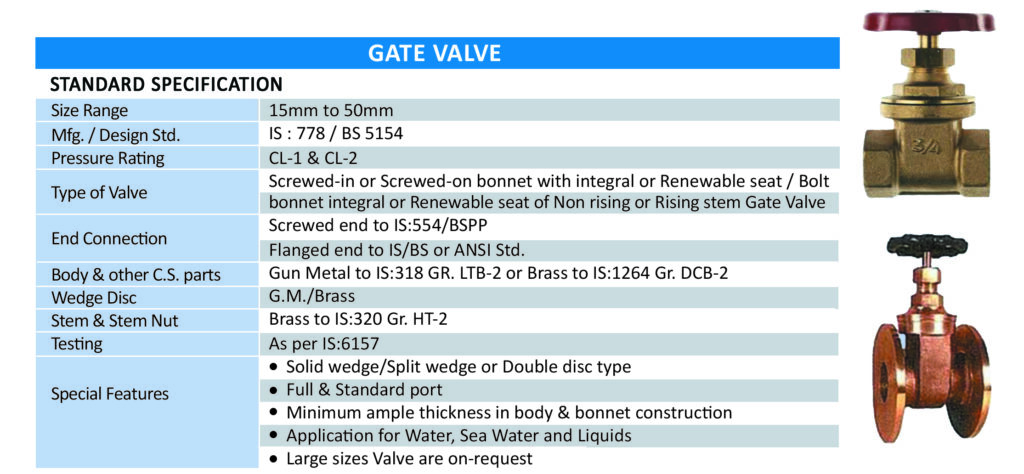
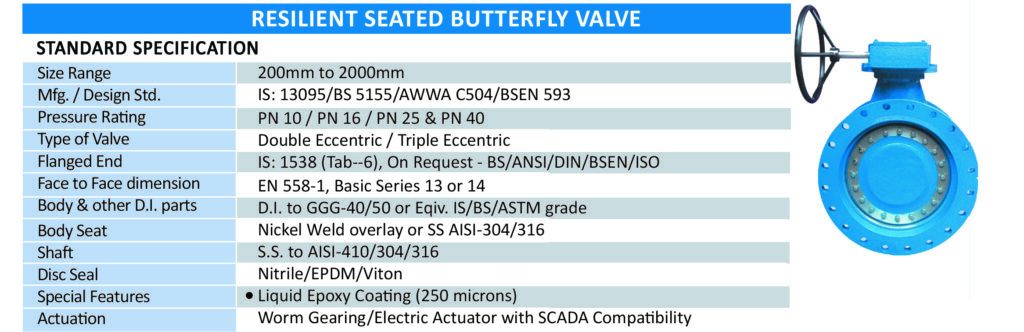
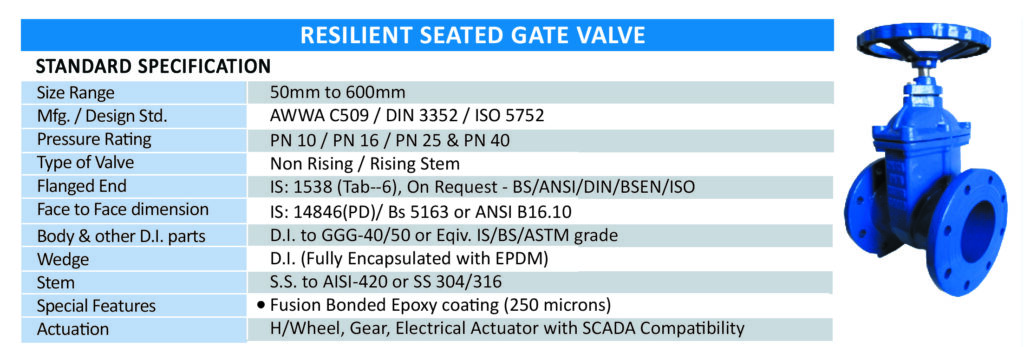
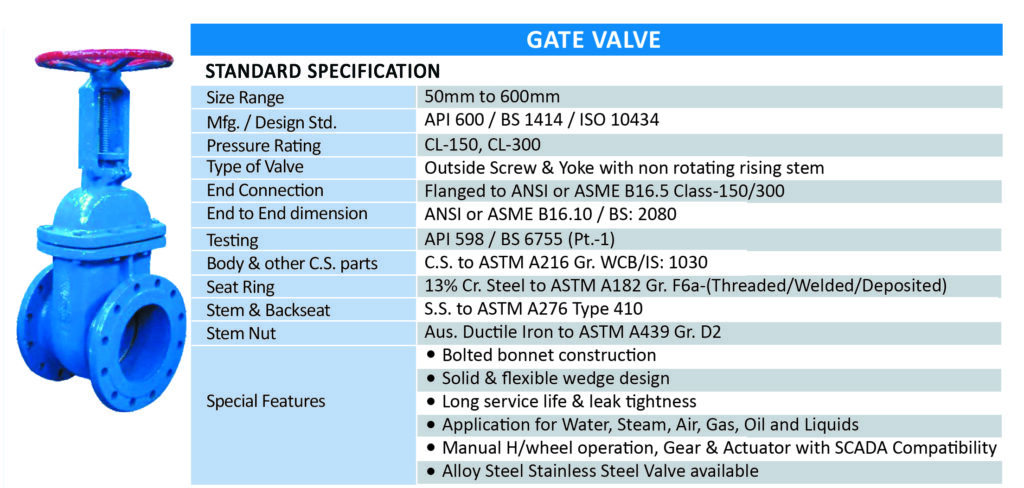
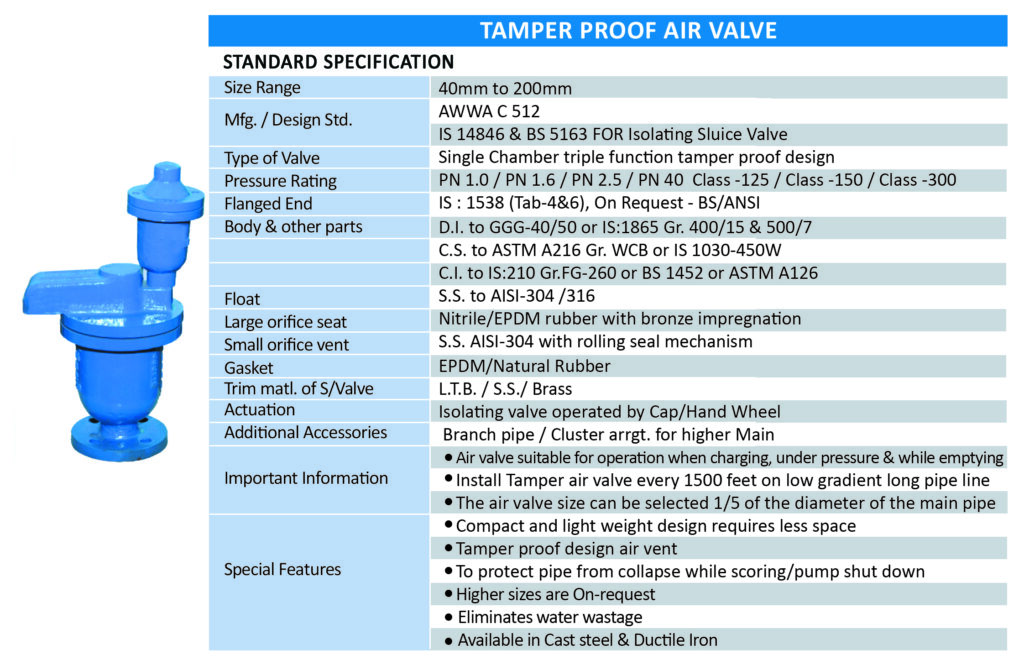
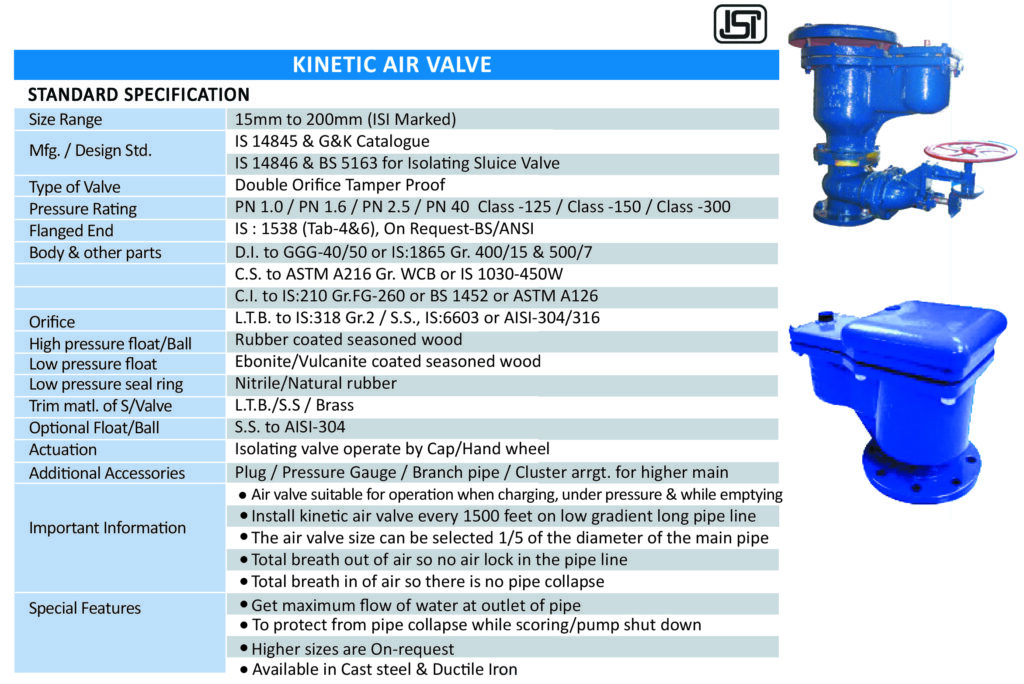
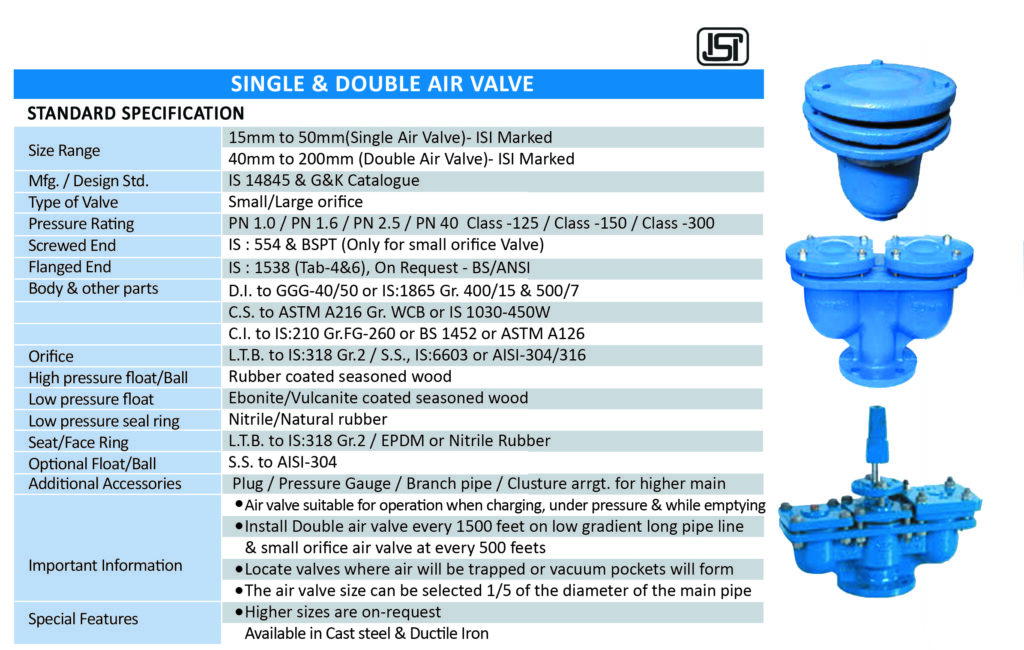
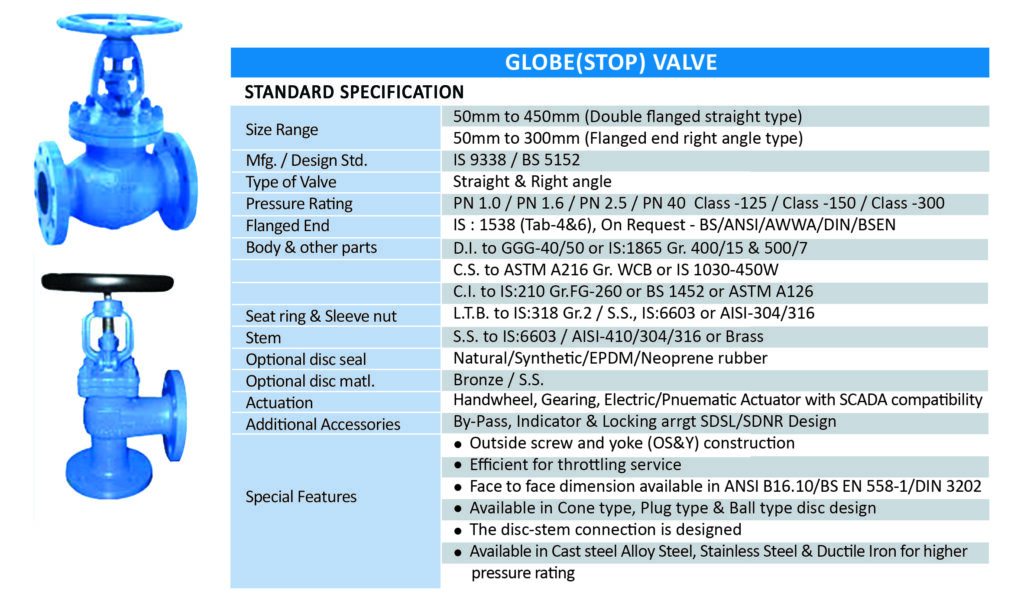
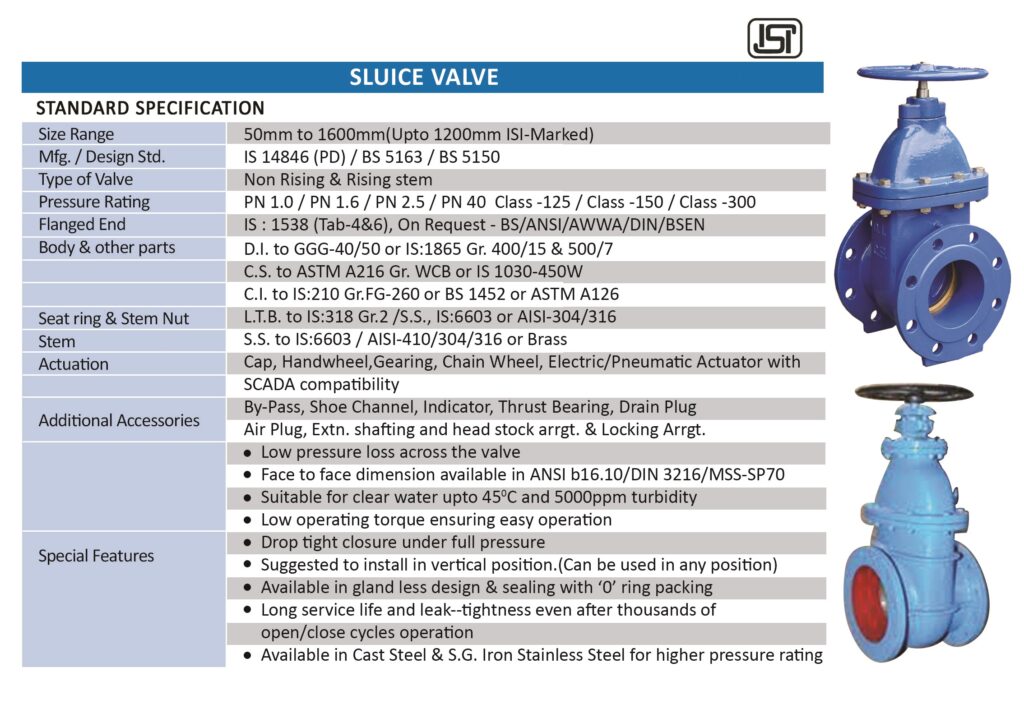
Best for you if you need vibration resistance, cost efficiency, and durability for valves, pumps, or machine parts.
Cast Steel Castings
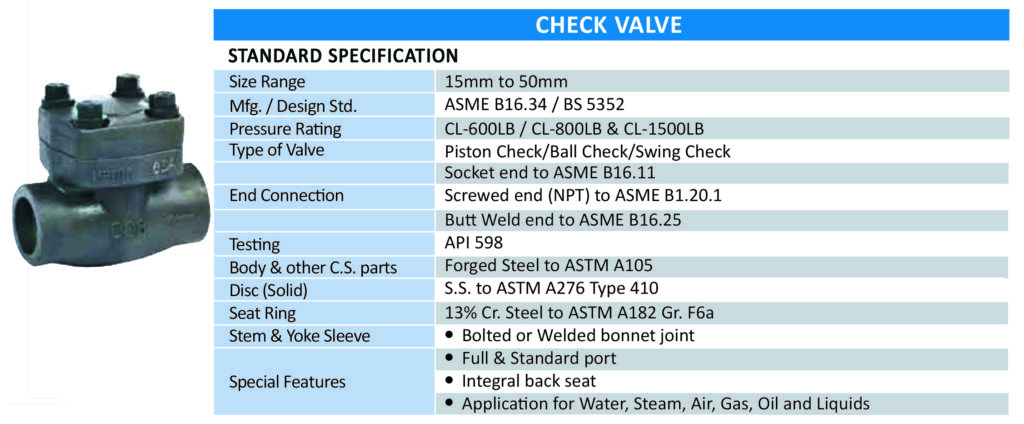
Choose this if you want strength, impact resistance, and performance under heavy loads.
Stainless Steel Castings
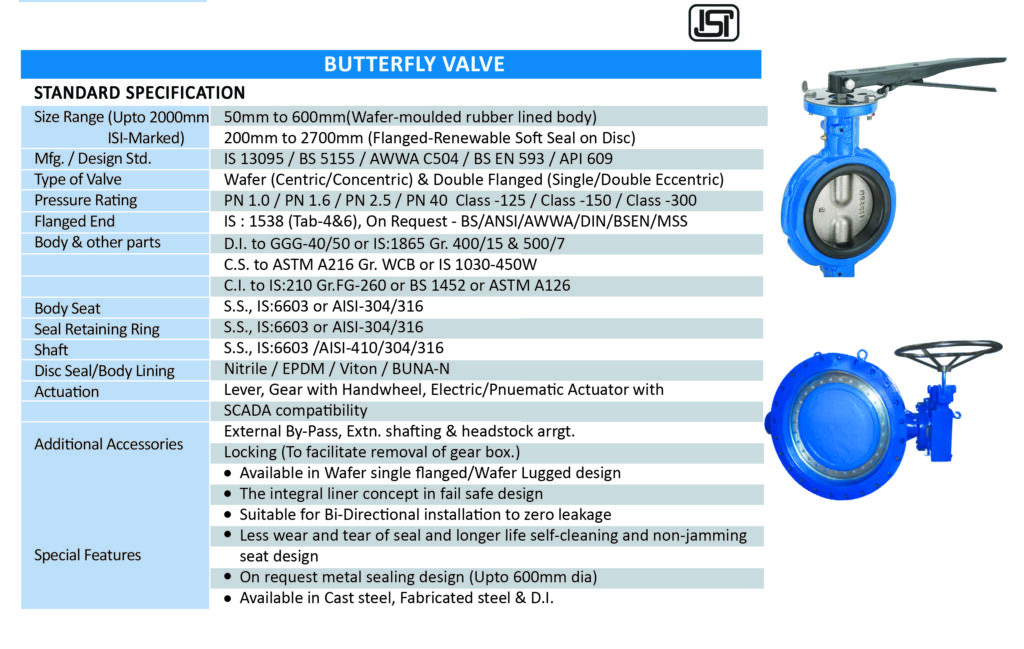
Perfect when corrosion, chemicals, or moisture are major concerns.
At Shree Krishna Industries, we help you choose the right one by understanding your real-world application — not just the drawing.
Why People Trust Shree Krishna Industries
You want more than a manufacturer. You want a partner who understands responsibility.
With us, you get:
- A full in-house facility: pattern shop, foundry, machining, finishing.
- Control over materials —Cast Iron , steel, stainless, alloys.
- ISO-certified processes.
- Transparent communication.
- Delivery timelines you can depend on.
When you work with us, your casting doesn’t just get made…
It gets cared for.
Conclusion
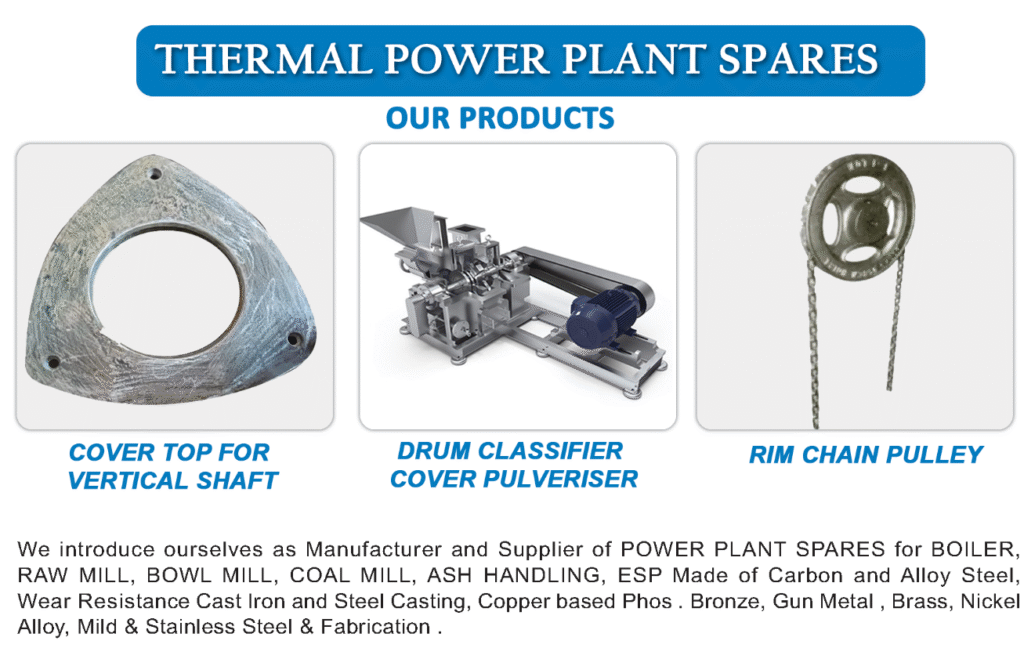
Casting is more than a manufacturing step. It’s a blend of science, experience, and care. At Shree Krishna Industries, we shape your requirements into strong, dependable components — whether you need Cast Iron Castings, Cast Steel Castings, or Stainless Steel Castings.
When you choose us, you choose a team that listens, guides, and delivers.
Your idea becomes our responsibility.
And we take that responsibility seriously.
FAQs
Can you develop castings from my drawing or sample?
Yes, completely. We study your drawing, suggest improvements if needed, and create a pattern that mirrors your exact requirements. Your approval drives the entire process.
What industries use Cast Iron , cast steel, and stainless steel castings?
Industries like engineering, waterworks, construction, chemicals, and automotive rely heavily on these castings. Each material serves a different purpose based on strength, environment, and load.
Are stainless steel castings really corrosion-resistant?
Particularly in damp, chemical, or coastal settings, they are highly durable. We advise you according to your working conditions because the correct alloy has a significant impact.
Do you offer casting in addition to machining?
Sure, we do. We provide fully machined parts, saving you from having to work with multiple vendors. This helps you avoid unforeseen delays and saves time and effort.
How do you ensure quality?
Every casting undergoes dimensional checks, structural inspection, and final examination. Our ISO-certified systems ensure consistency across each batch.