Ductile Iron Castings in West Bengal for Automotive & Infrastructure Projects
There’s a moment most engineers remember. A component fails. Not dramatically, but quietly. And suddenly, an entire system is compromised. That moment usually changes how you look at castings. In theory, materials are comparable. In reality, they behave very differently once they leave the drawing board. That is where Ductile Iron Castings in West Bengal have earned a reputation, not through claims, but through survival in real conditions.
West Bengal didn’t become a casting hub because it sounded good on paper. It happened because heavy industry arrived early here, stayed long, and left behind an experience that still shapes how metal is poured today. We work inside that legacy. Sometimes it helps. Sometimes it reminds us to slow down.
Why Ductile Iron Keeps Returning to the Conversation
You can replace ductile iron on spreadsheets. You can’t easily replace it in long-term service. Ductile iron behaves in a way engineers trust, even if they don’t always talk about it. It absorbs shock instead of transferring it. It tolerates small design mismatches. And it doesn’t panic under load changes.
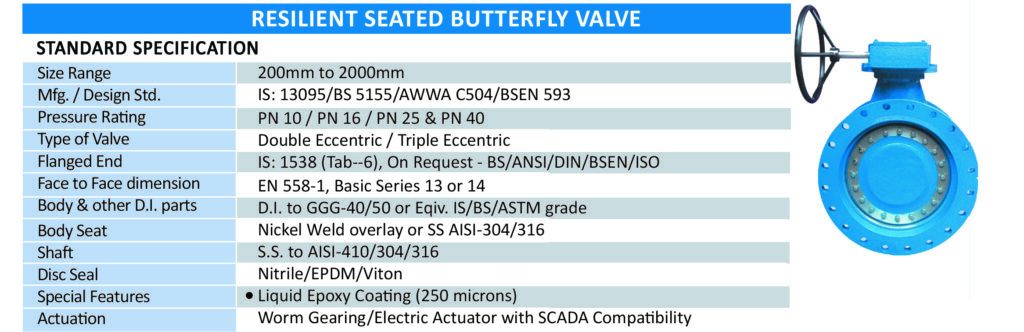
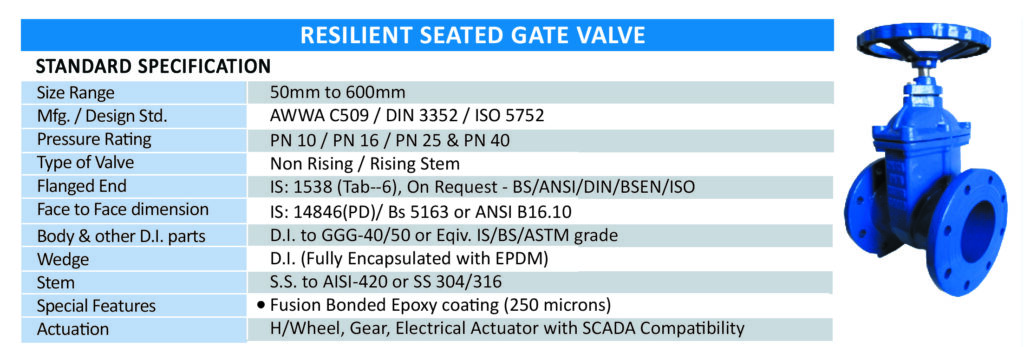
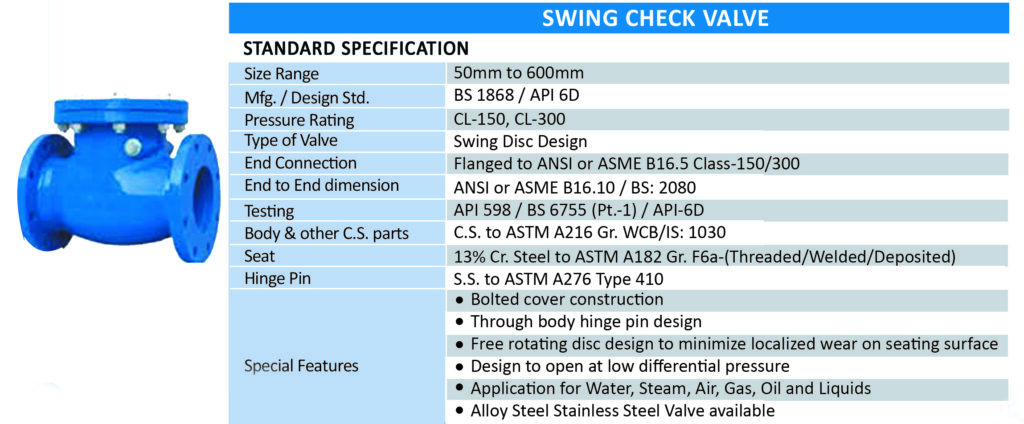
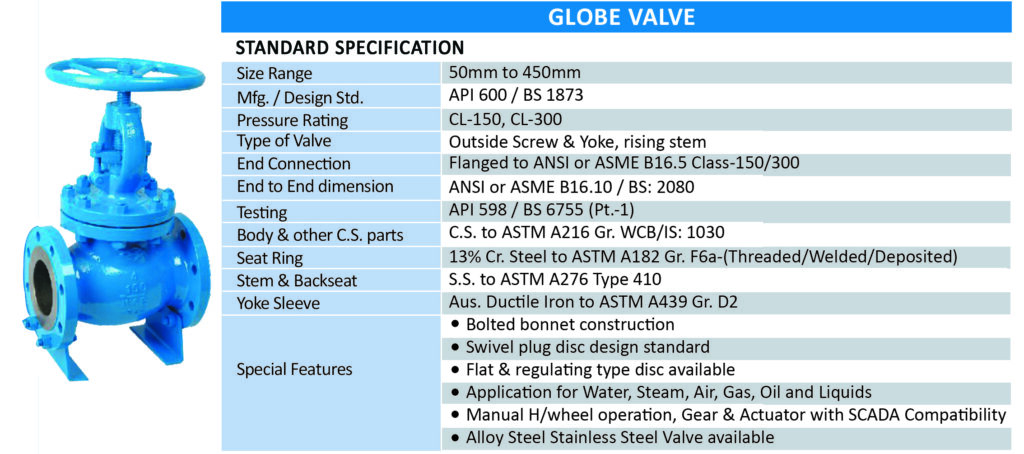
That matters in automotive systems where vibration is constant. It matters even more in infrastructure, where access after installation is limited. We’ve seen projects where cost-cutting switched materials. The savings looked good early on. The repairs didn’t. That’s one reason Ductile Iron Castings in West Bengal continue to move quietly from foundries into highways, vehicles, pipelines, and plants.
West Bengal’s Foundry Culture Isn’t Just About Capacity
People often talk about production capacity. Numbers. Tonnage. Monthly output. What rarely gets mentioned is judgment. West Bengal’s foundry ecosystem grew through trial, error, and repetition. Many facilities here have seen multiple generations of workers pass knowledge down without writing it formally.
Cooling times adjusted by feel. Mould behaviour is recognised before defects appear. Small decisions that don’t show up in reports. We respect that kind of learning. We combine it with modern testing, not replace it. Because experience alone isn’t enough anymore, but ignoring it is risky.
Automotive Castings: Where Small Errors Travel Fast
Automotive projects don’t forgive inconsistency. One deviation travels through assemblies quickly. Ductile iron offers balance. It gives you strength without brittleness and consistency without high cost. That’s why it still appears in structural automotive parts even as materials evolve.
We work with clients who already know what failure costs them. Delays. Rejections. Reputational damage. So when we produce automotive-related castings, we think beyond acceptance reports. We think about how that component behaves after thousands of cycles, not the first hundred. That mindset has kept Shree Krishna Industries relevant in demanding supply chains.
Infrastructure Castings: Designed to Be Forgotten
The best infrastructure components are the ones nobody thinks about again. Once installed, they’re buried, bolted, or sealed away. Inspection cycles stretch. Maintenance budgets tighten. Yet expectations remain unchanged.
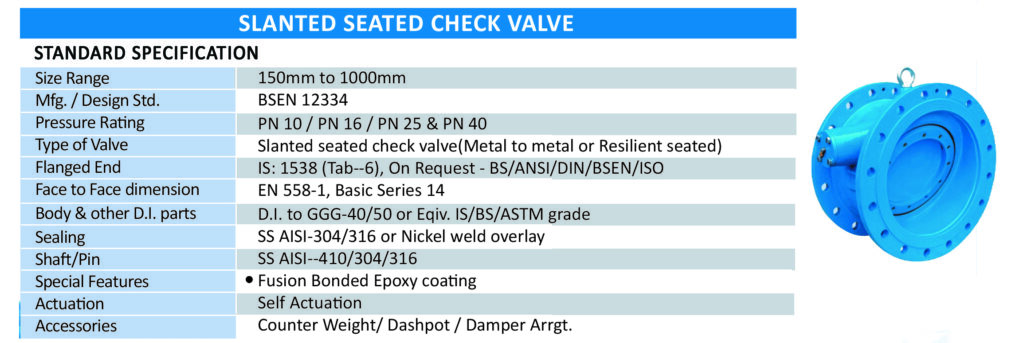
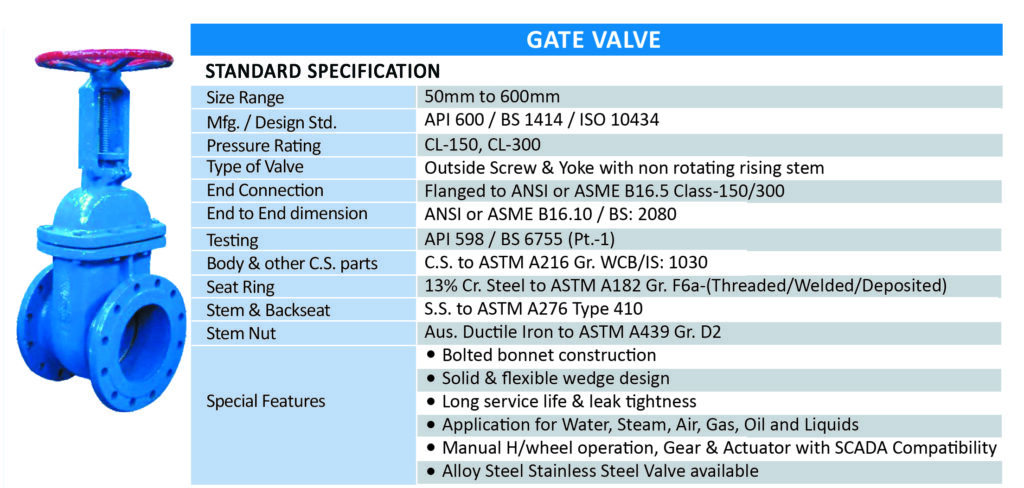
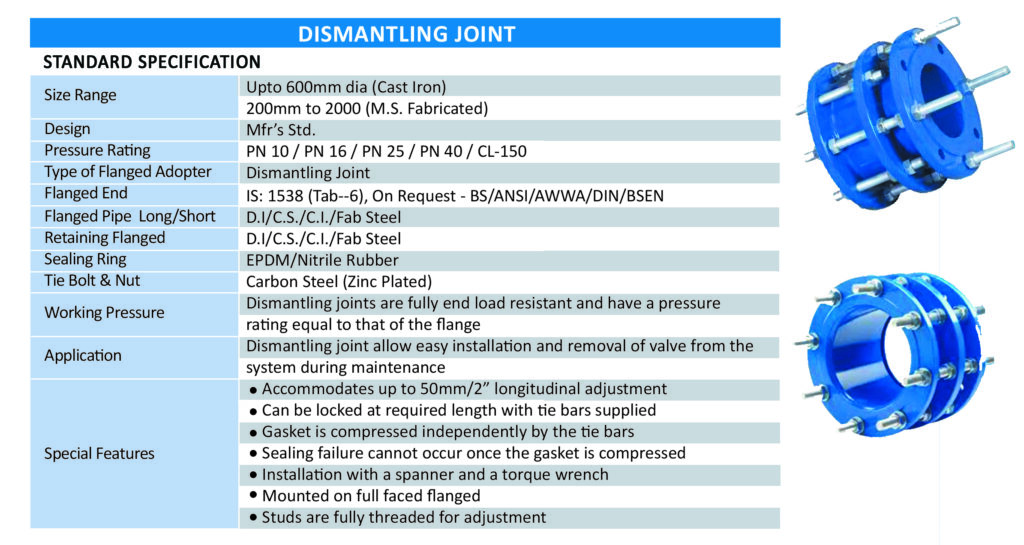
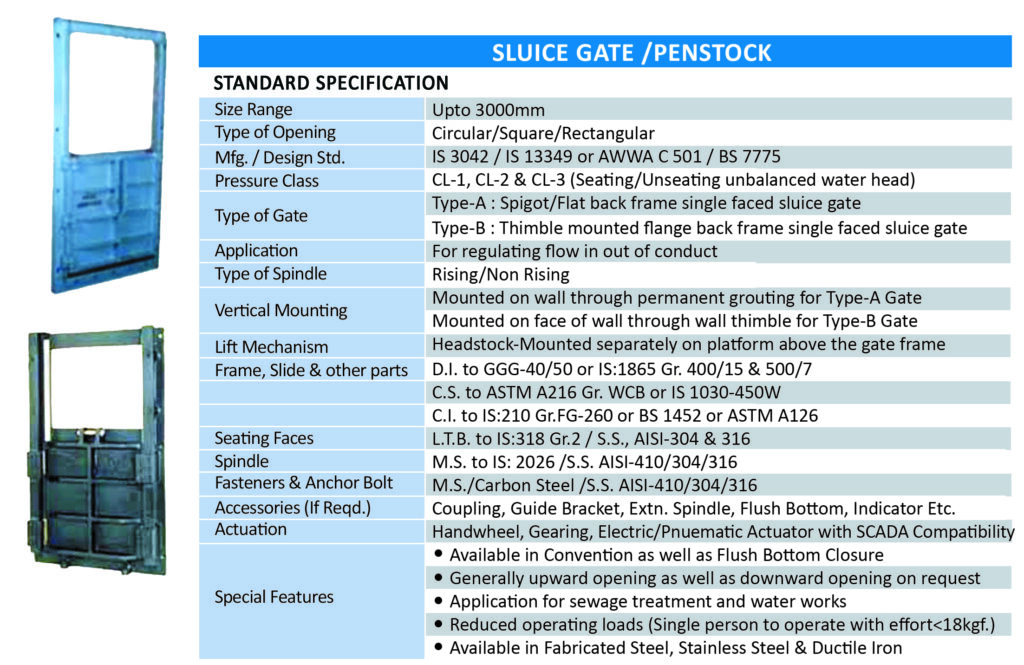
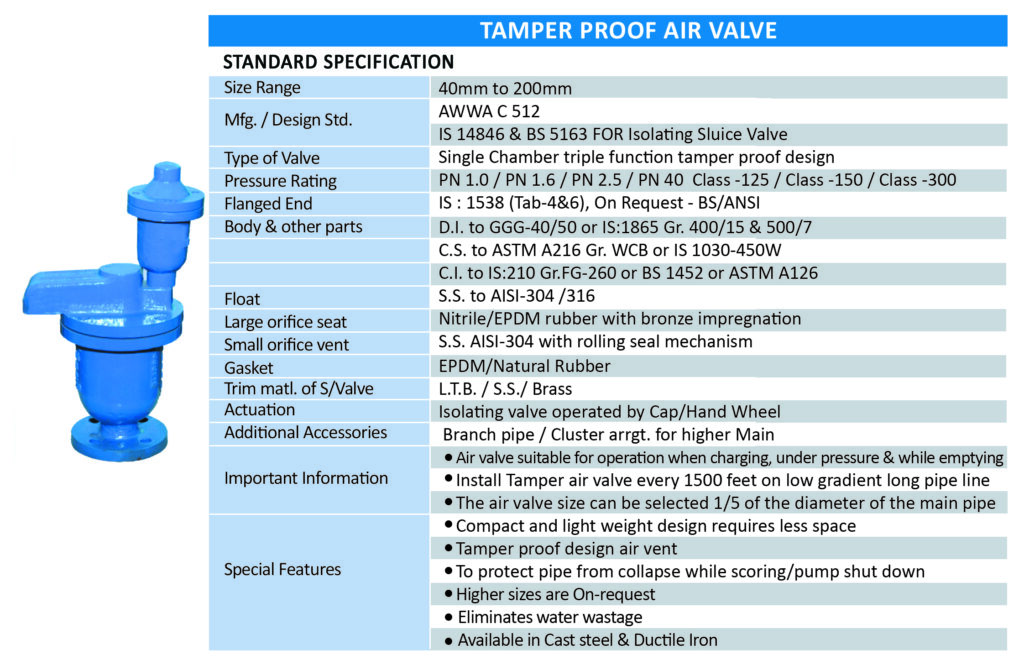
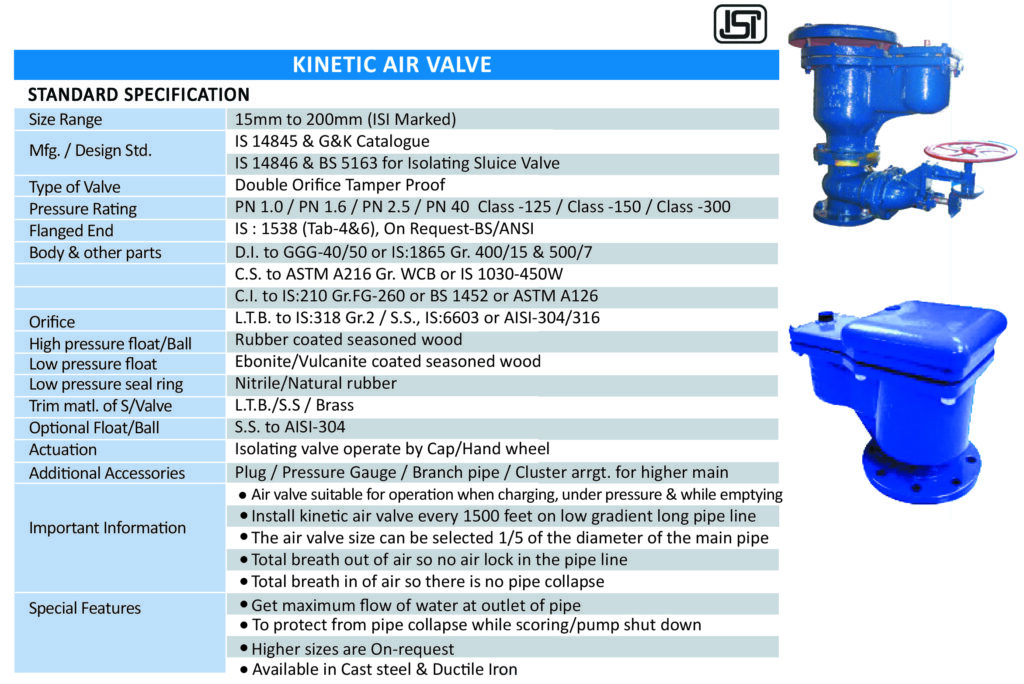
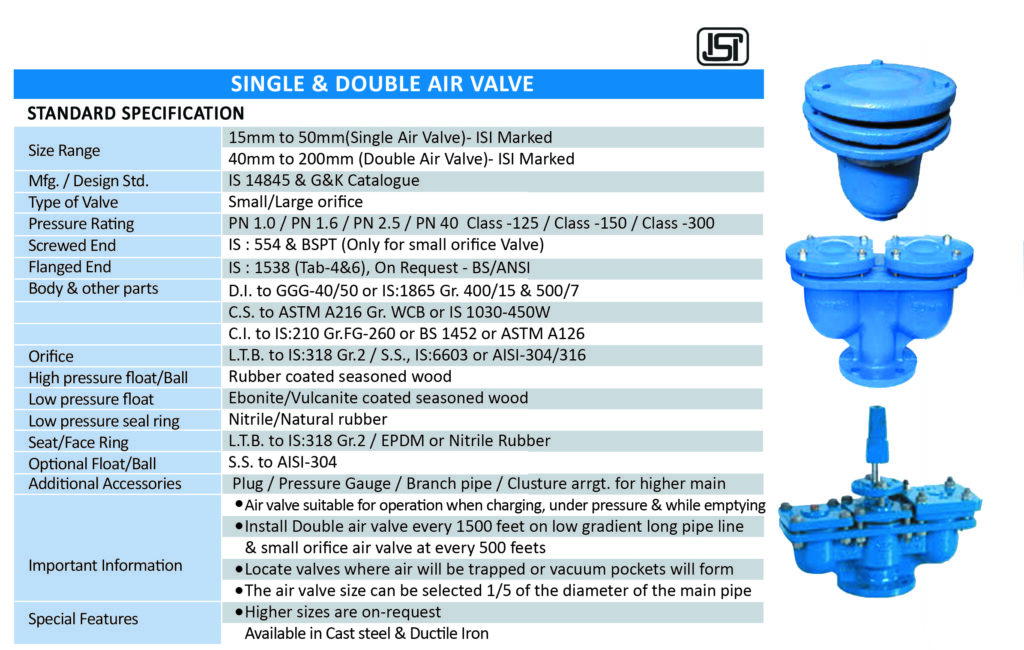
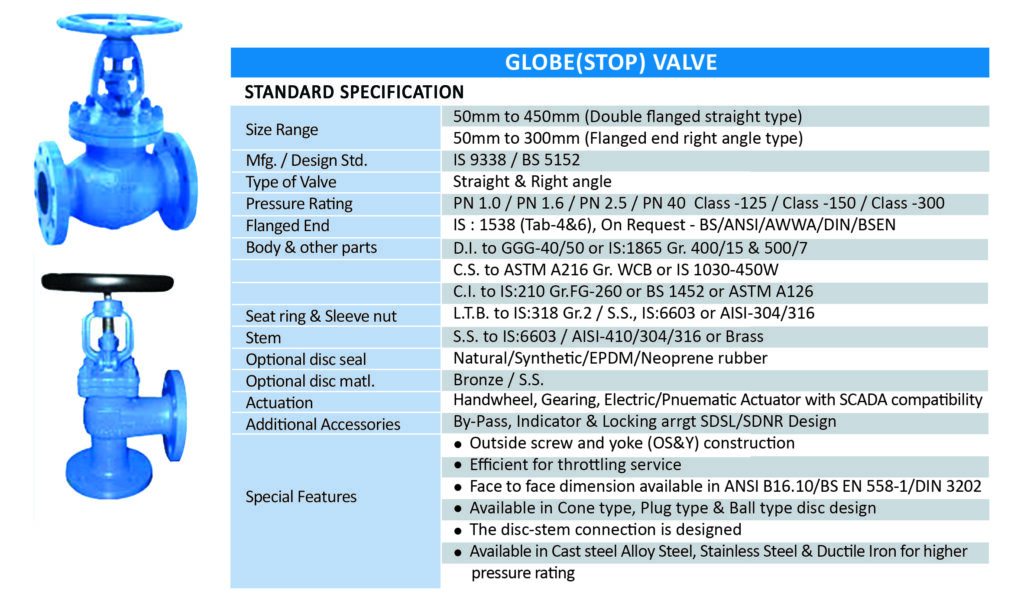
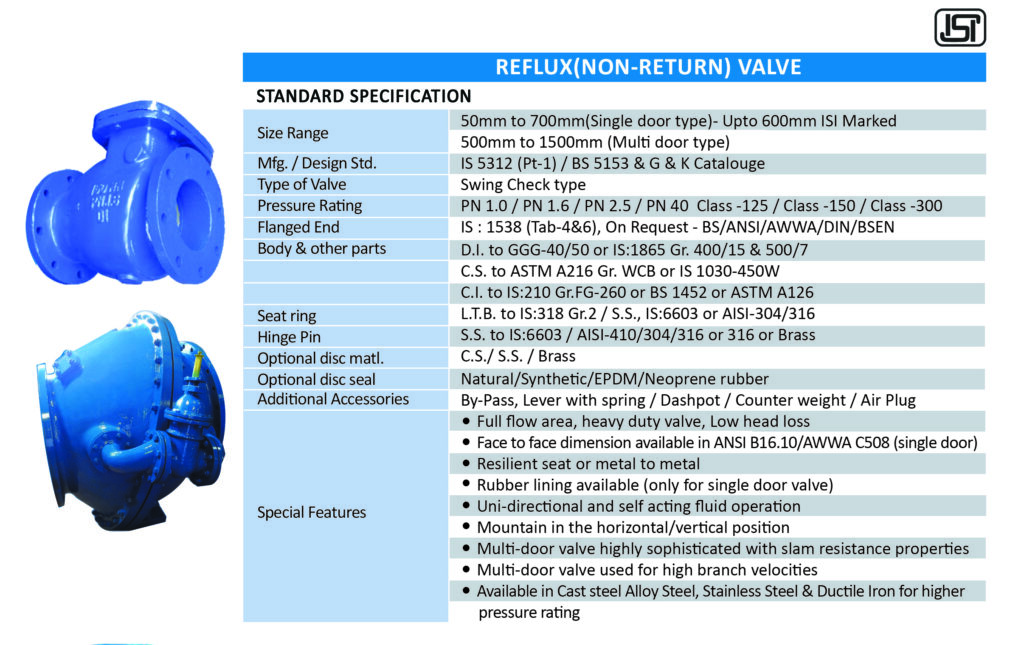
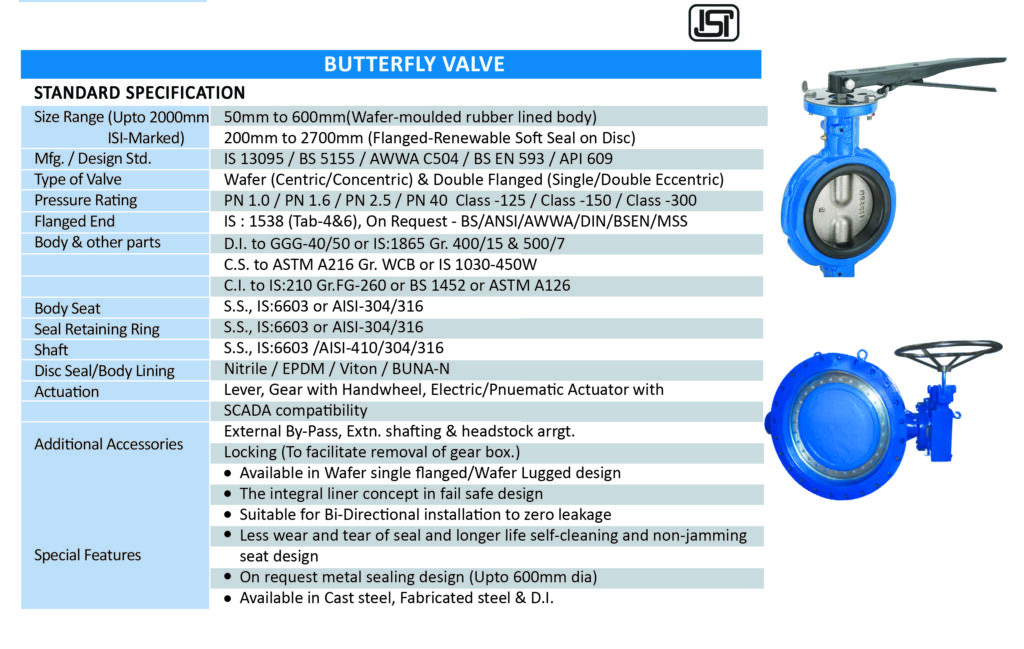
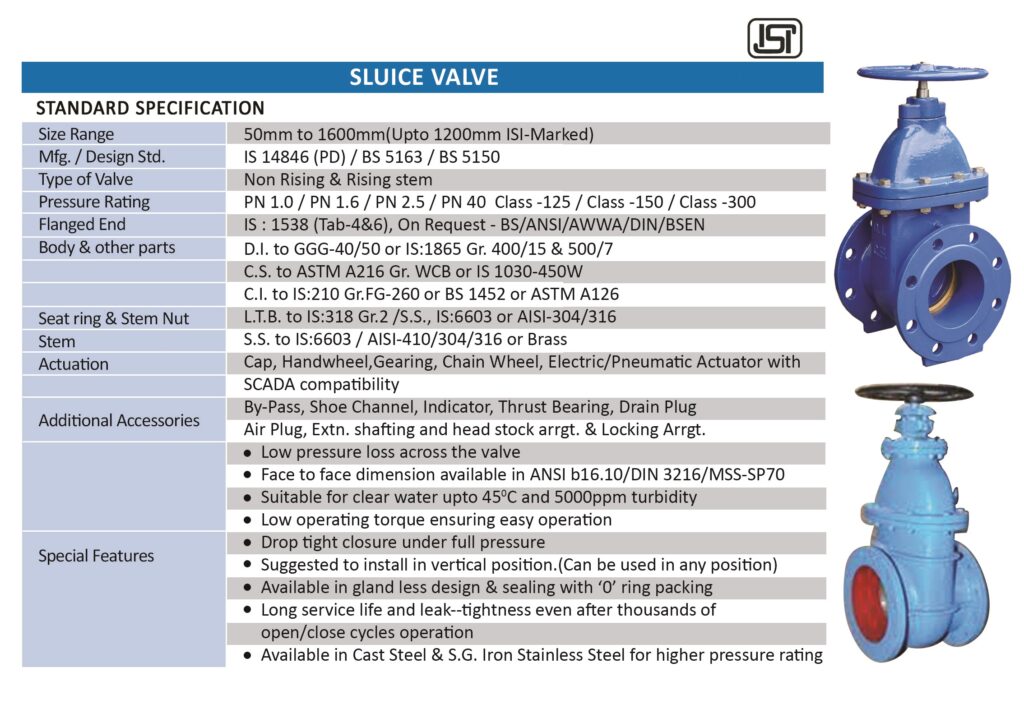
Ductile iron fits this reality well. It handles moisture, pressure, and time without drama. That’s why Ductile Iron Castings in West Bengal still support water systems, drainage networks, road fittings, and structural elements across regions.
At our facility, infrastructure castings trigger a different internal conversation. We assume they won’t be accessed easily. That assumption influences inspection intensity and finishing decisions.
Material Handling Castings: Built for Repetition, Not Perfection
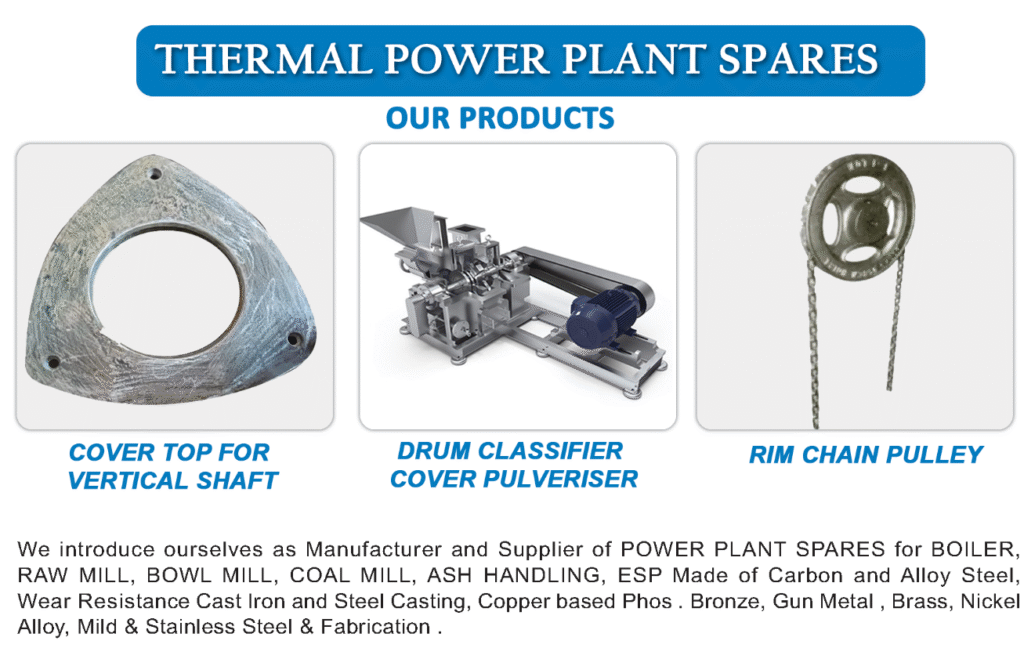
Material handling environments are unforgiving in a different way. They don’t fail once. They fail repeatedly if the design is wrong. Our material handling castings are designed with abuse in mind. Misalignment. Overloading. Continuous operation. Real factory conditions, not ideal ones.
We’ve learnt that a casting doesn’t need to look impressive to perform well. It needs to survive routine neglect. That perspective shapes our approach far more than aesthetics.
Stainless Steel Castings: When Conditions Force a Shift
Not every problem can be solved with ductile iron. Sometimes corrosion wins. Sometimes hygiene demands change the rules entirely. That’s where stainless steel castings enter the picture.
We don’t push stainless steel unless conditions demand it. Chemical exposure, aggressive fluids, marine environments, or cleanliness requirements usually make the decision clear. We also warn clients when stainless steel is unnecessary. Overengineering can quietly erode budgets without adding real value.
How We Actually Work With Clients
We don’t believe good castings start with fast quotations. They start with questions that feel inconvenient at first. Load patterns. Environment. Installation methods. Past failures, if any.
Sometimes clients hesitate. That’s normal. But those conversations often prevent expensive corrections later. At Shree Krishna Industries, we prefer clarity early. It saves everyone time and frustration.
Finding the Right Casting Partner in West Bengal
If you’re actively searching for Ductile Iron Castings in West Bengal, you’re probably balancing more than price. Reliability. Delivery discipline. Technical understanding.
We encourage you to look beyond brochures. Visit facilities. Ask uncomfortable questions. See how teams respond. You can explore our work and capabilities through our website.
Navigation matters. Transparency matters. We stand by both.
Final Reflection
Castings don’t attract attention when they work. They only become visible when something goes wrong. At Shree Krishna Industries, we build with the assumption that no one should ever notice our components again. That’s usually a good sign.
FAQs
When is stainless steel unavoidable?
In corrosive, hygienic, or chemically aggressive environments where ductile iron performance would degrade.
How should I begin a discussion with your team?
Share your requirements through our website or contact us directly. Early discussion helps avoid later complications.