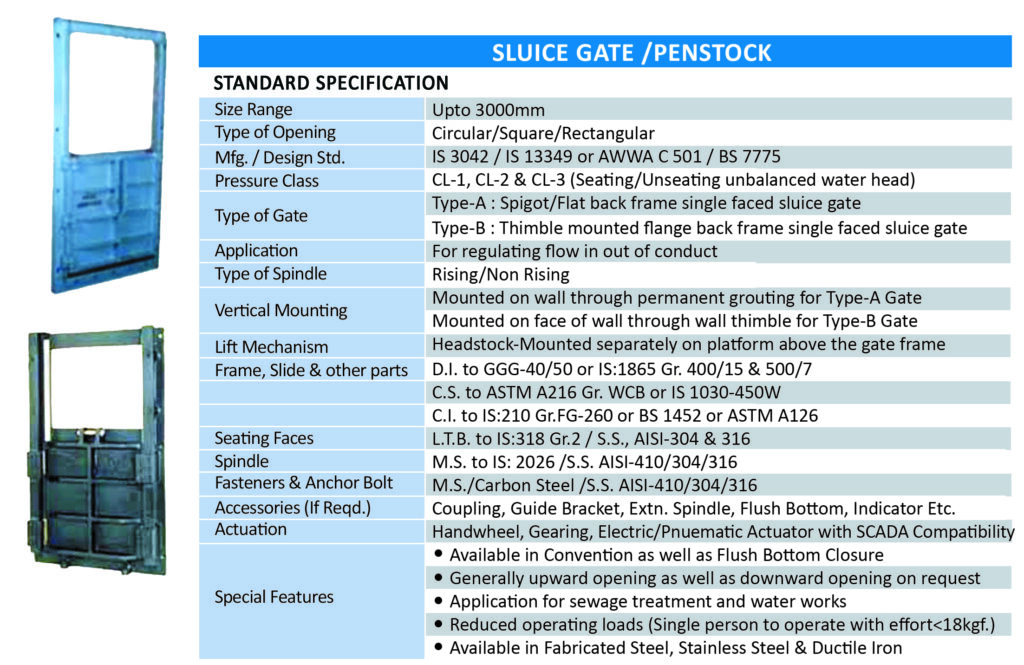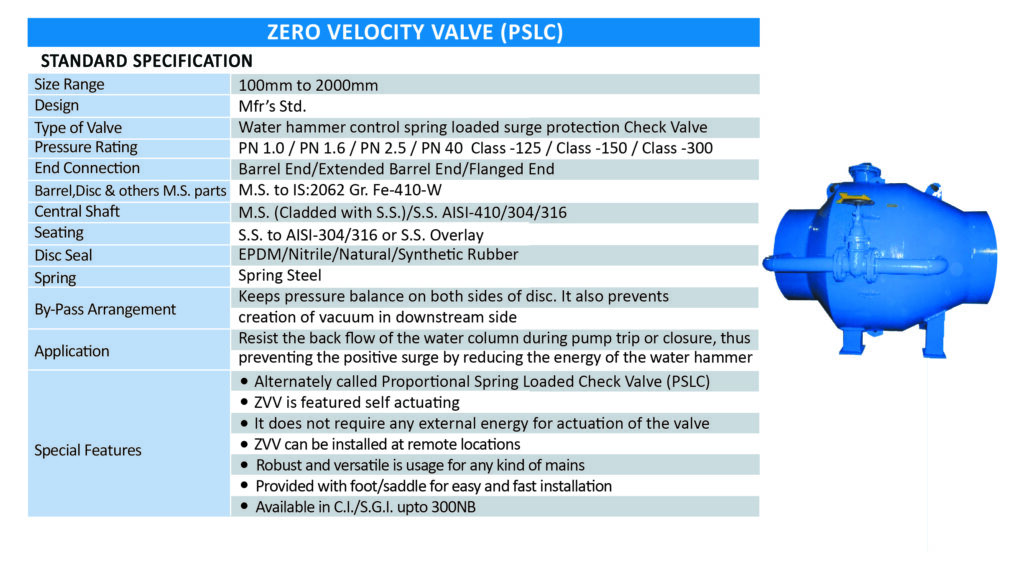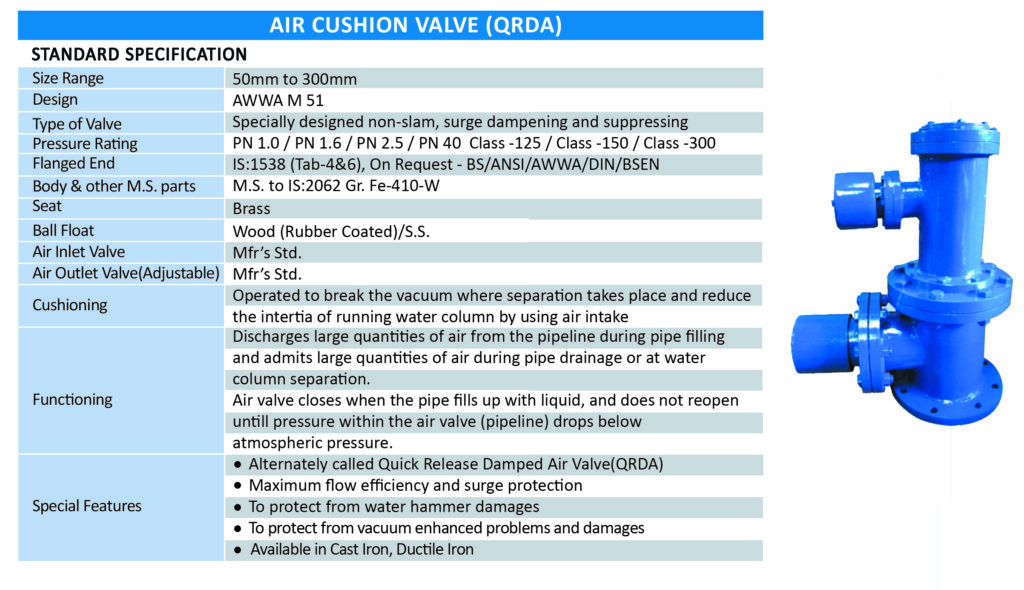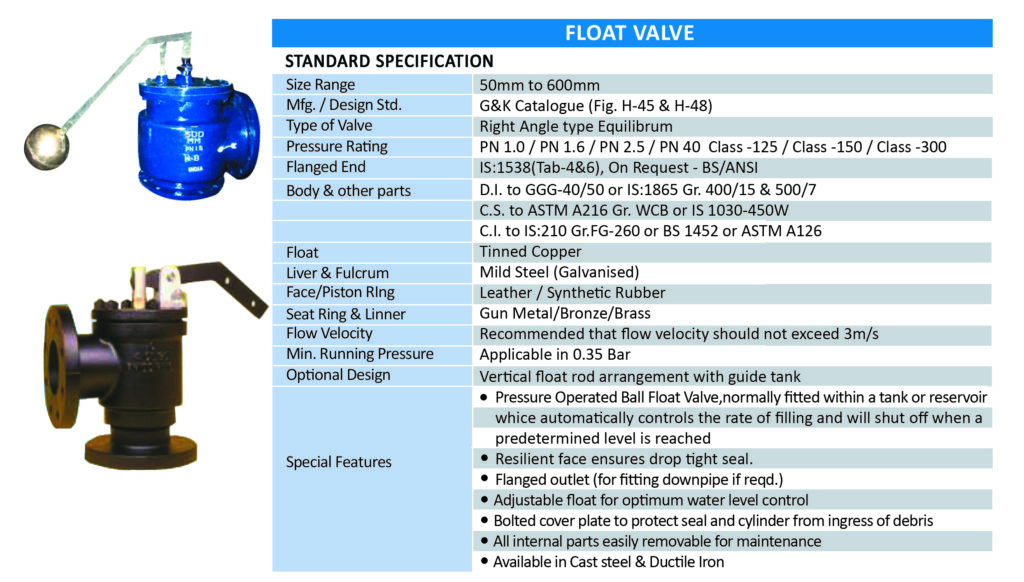
Quality sounds like a big word until you’re the one dealing with a cracked component, a rejected batch, or a delay that throws your entire schedule off. When that happens, quality stops being theoretical. It becomes personal. If you depend on cast iron parts, you already know this. As a professional cast iron manufacturer, we’ve learnt that quality isn’t something you check at the end.
It’s something you build into every step, often quietly, without making noise about it. At Shree Krishna Industries, quality isn’t a department. It’s a habit formed over years of getting things right and fixing things when they go wrong.
Quality Starts Long Before Metal Is Poured
Many people think quality begins once molten metal enters the mould. In reality, it starts much earlier. It starts with raw material selection and preparation. We pay close attention to what goes into the furnace because cast iron remembers everything you put into it. Impurities don’t disappear. They show up later as weaknesses. As a responsible cast iron producer, we don’t treat raw material casually. We treat it as the foundation of everything that follows. When your casting performs well months later, it’s often because someone cared about material quality weeks earlier.
Process Control Is Where Quality Is Actually Protected
Cast iron is sensitive. Small changes in temperature, composition, or timing can change how it behaves once solidified. That’s why process control matters more than bold claims. We monitor melting conditions carefully. Actually, we don’t rush to pour just to meet a clock. We allow the metal to behave the way it needs to. These decisions don’t look impressive from the outside, but they decide whether your casting holds shape or develops internal stress.
As experienced cast iron suppliers, we’ve seen what happens when shortcuts are taken. Fixing those problems later costs far more than doing it right the first time.
Moulding and Pouring Are Not Mechanical Steps
Moulding isn’t just preparation. Its interpretation. The way a mould is made affects surface finish, dimensional accuracy, and structural integrity. We treat moulding as a skilled process, not a repetitive task. The pouring stage is handled with the same care. Timing, flow, and temperature all matter. Too fast, and defects appear. Too slow, and the structure suffers.
Quality here isn’t about machines alone. It’s about attention. That attention is what separates a professional cast iron producer from a casual one.
Inspection Isn’t About Finding Faults; It’s About Avoiding Surprises
Indeed, it’s common to misunderstand inspection. It’s not about catching mistakes to assign blame. It’s about ensuring that nothing unexpected gets to your floor. Since a casting becomes a part of your process once it leaves our facility, we examine its size, surface characteristics, and general integrity. Any issue at that stage becomes your problem too. As cast iron suppliers, we take that responsibility seriously. Good inspection doesn’t slow things down. It prevents disruption later, when it costs more time and money.
Consistency Matters More Than a Single Perfect Batch
Anyone can deliver one good order. That’s not the challenge. The challenge is delivering the same quality again and again. We prioritise repeatability. Our methods are designed so that one batch acts like the next. You may confidently plan thanks to that constancy. Every time new castings are delivered, you don’t have to recalibrate equipment or modify assemblies.
Long-term cast iron prices are likewise impacted by this constancy. You will have fewer hidden expenses if there are fewer rejections and revisions.
How Quality Influences Cast Iron Price
Although quality affects the real price equation, cast iron costs frequently vary solely by statistics. Cheaper castings that fail early or need correction cost more over time.
When quality is controlled, waste reduces. Rework drops. Lifespan improves. That stability brings long-term value, even if the initial cast iron price looks similar across suppliers. As a professional cast iron foundry, we believe price should reflect reliability, not just material weight.
Working With Cast Iron Suppliers Who Communicate Clearly
Quality isn’t just about metal. It involves communication as well. We talk about things early on if they need to be clarified. Instead of moving on blindly, we identify possible problems with a design.
After placing an order, you shouldn’t feel in the dark. Maintaining standards includes open communication and transparent adjustments. That’s how trust is built between you and your cast iron suppliers. Manufacturing works better when expectations are aligned, not assumed.
Why Professional Manufacturers Take Quality Personally
Over time, you develop a relationship with your work. When castings fail in the field, it reflects on everyone involved. We don’t like that feeling, and neither do you. That’s why we take quality personally. Not emotionally, but responsibly. We understand that your reputation often depends on components we supply. At Shree Krishna Industries, quality standards exist to protect both sides of that relationship.
Quality Is Quiet, But You Feel Its Absence Immediately
No one discusses quality when casts perform as planned. Everybody fails when they do. The truth is that. We uphold quality standards at Shree Krishna Industries so that you won’t have to worry about them after delivery. Production, assembly, and growth remain your main priorities. A skilled cast iron manufacturer ought to assist you in this manner.
FAQs
1. How can a producer of cast iron guarantee constant quality?
Controlled procedures, knowledgeable employees, and repeatable techniques used in each batch are the sources of consistency.
2. Do quality standards affect cast iron price?
Yes. Better quality reduces long-term costs by lowering rejection rates, failures, and maintenance expenses.
3. What part do suppliers of cast iron play in quality?
Suppliers have an impact on quality through communication, inspection, process control, and material selection.
4. Can problems with quality be fixed after casting?
While many problems cannot be resolved, some can. Prevention is crucial during production because of this.
5. Why pick a reputable cast iron manufacturer?
Because professional manufacturers prioritise long-term performance, dependability, and transparency over short-term output.