Why Carbon steel castings Are Preferred for High-Pressure Applications
When you work around heavy machines or high-pressure systems, you already know how every small component carries a huge responsibility. One wrong material choice can shut down your entire operation. That’s why you’ll often hear engineers and even our company recommending Carbon steel castings when the pressure is simply too much for weaker alloys. If you’re right now trying to understand why these castings are trusted across industries, let’s walk through it together in a way that feels simple, practical, and useful for your real-world needs.
What Carbon steel castings Actually Mean for You
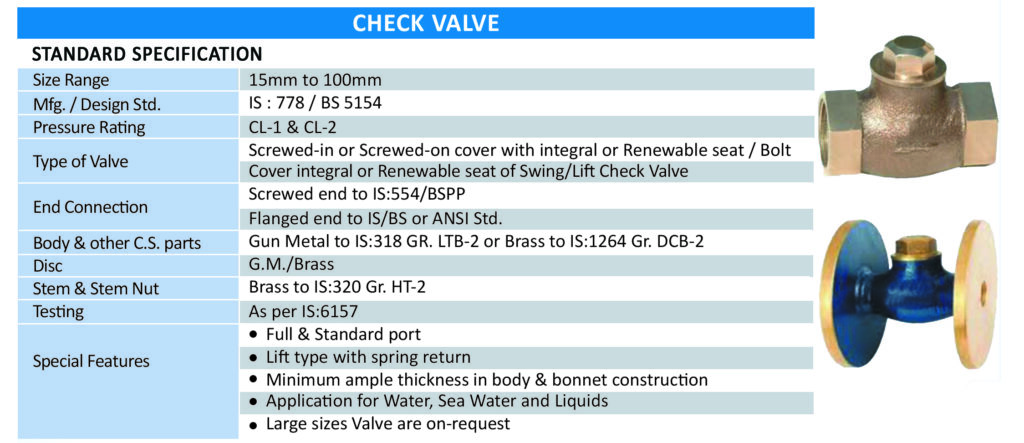
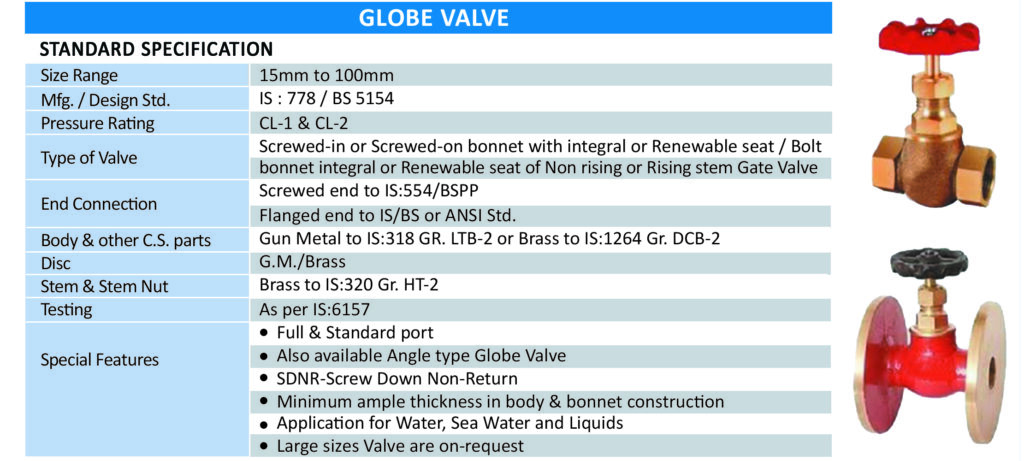
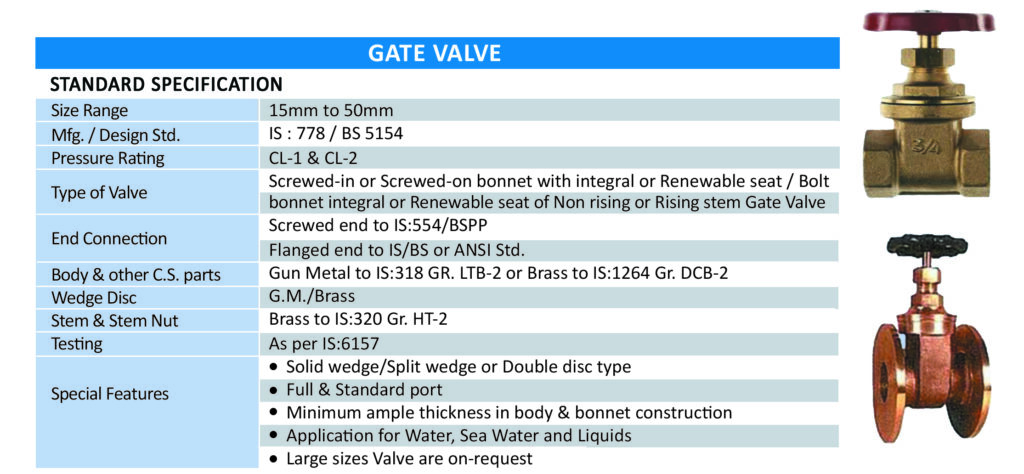
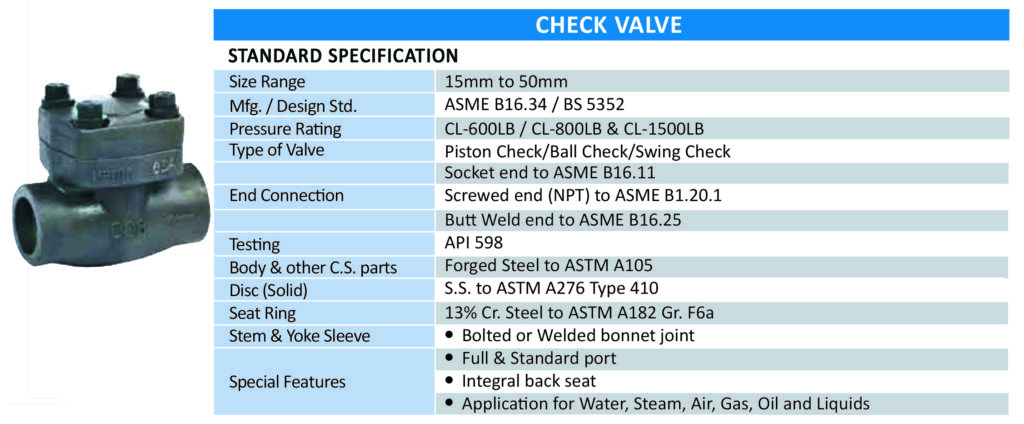
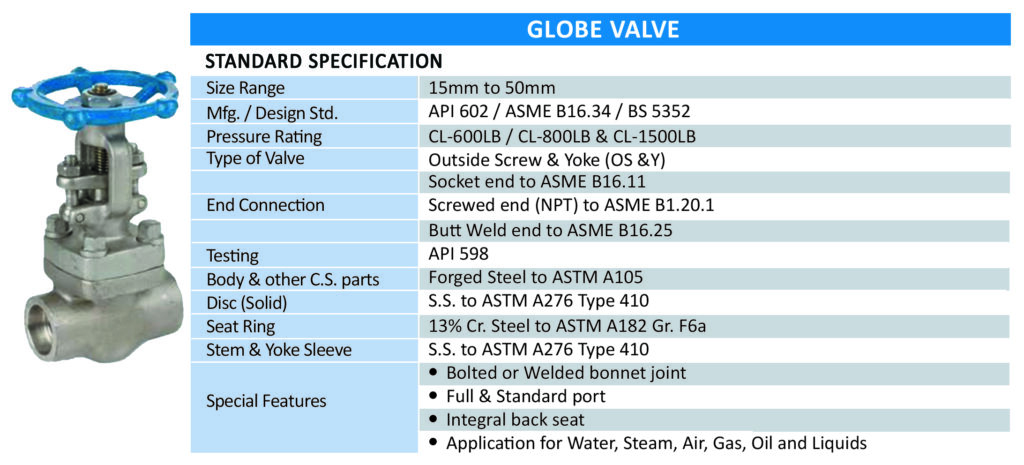
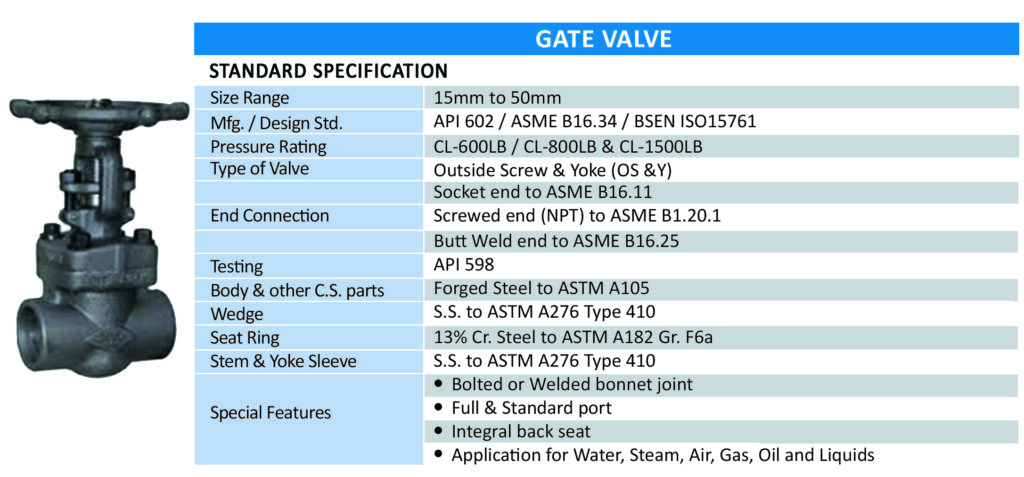
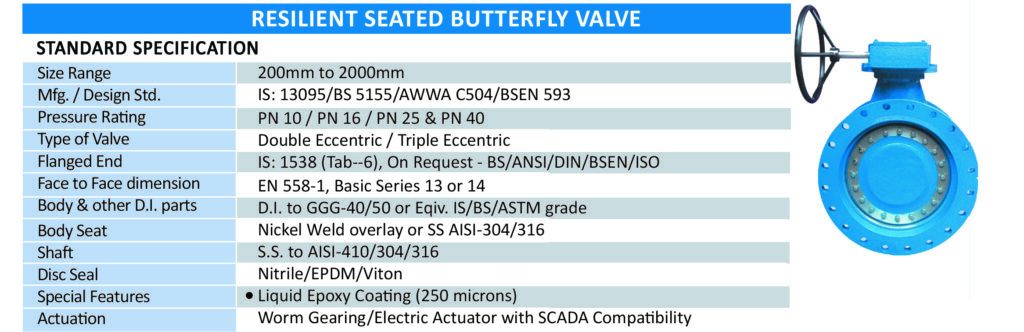
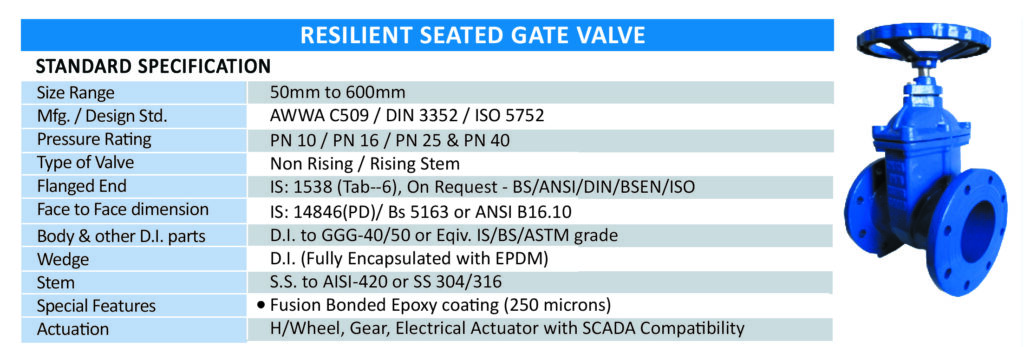
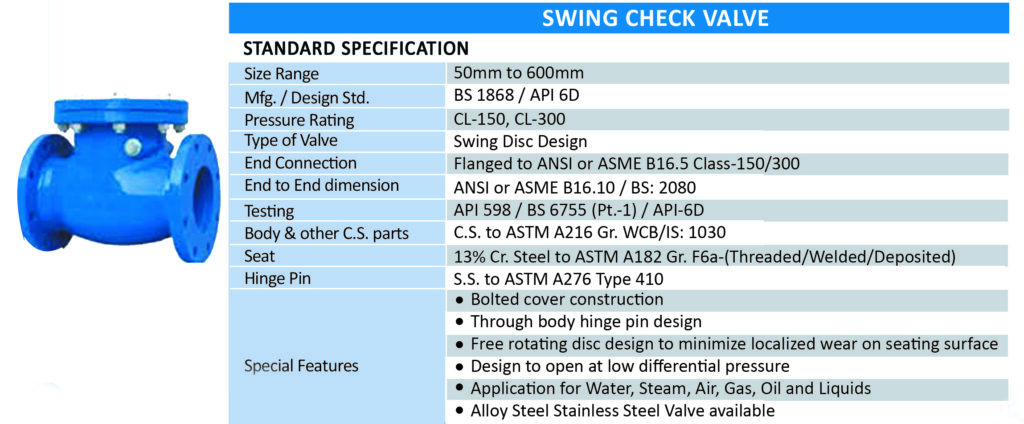
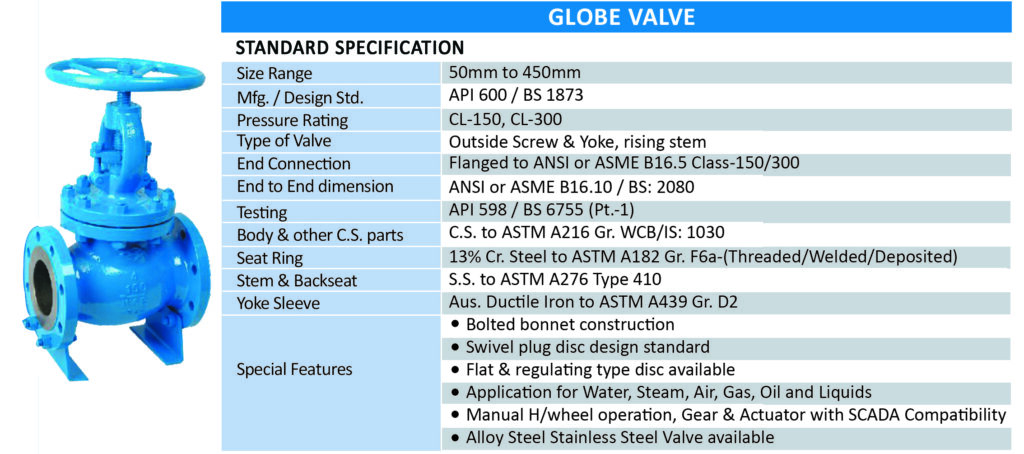
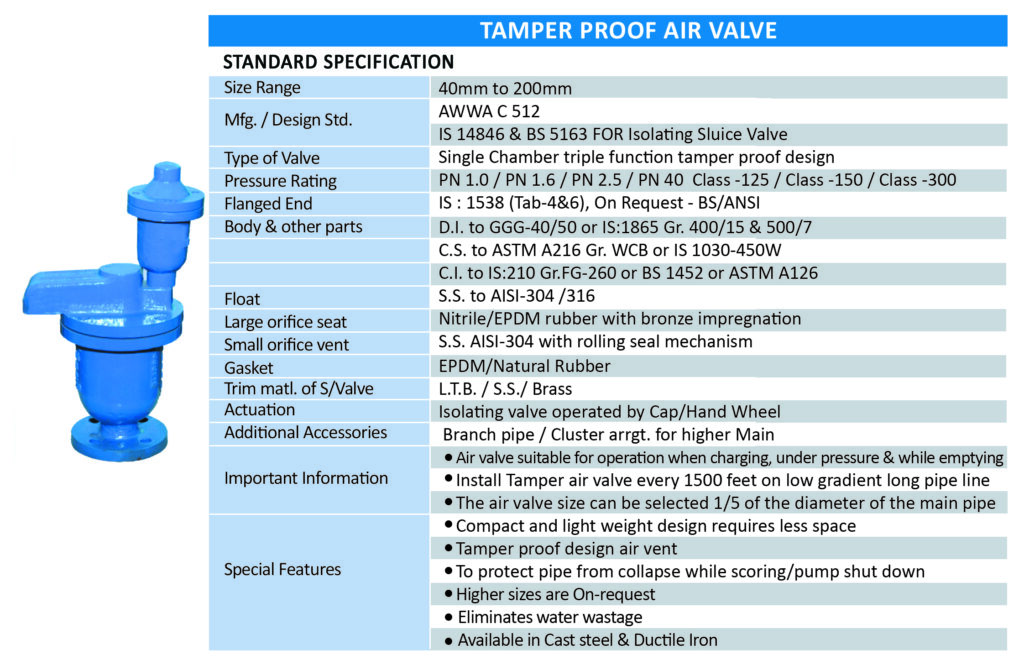
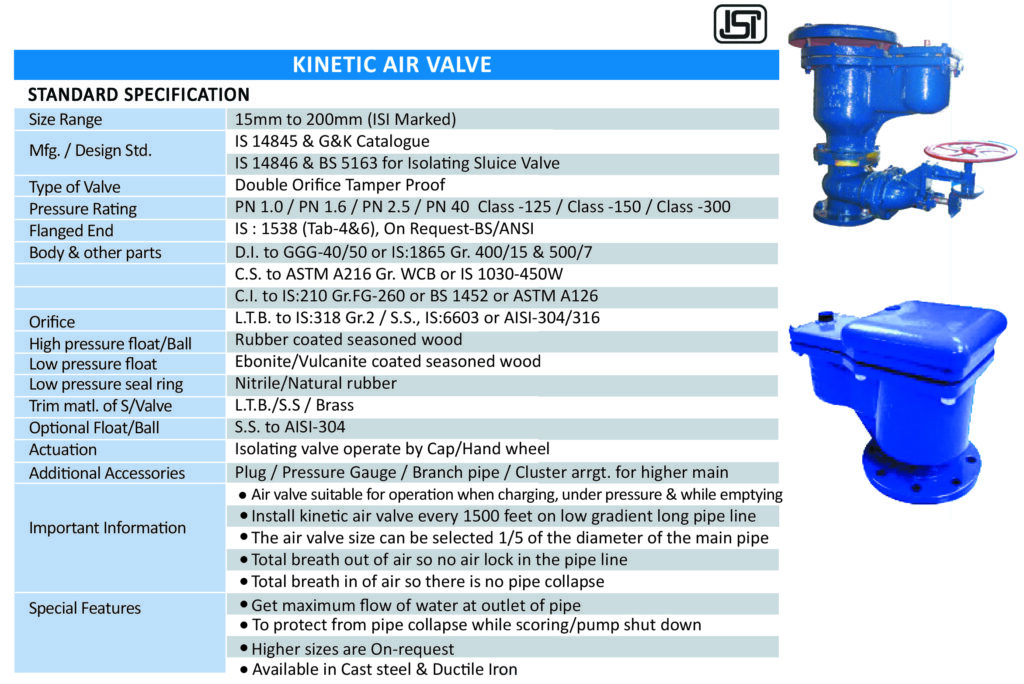
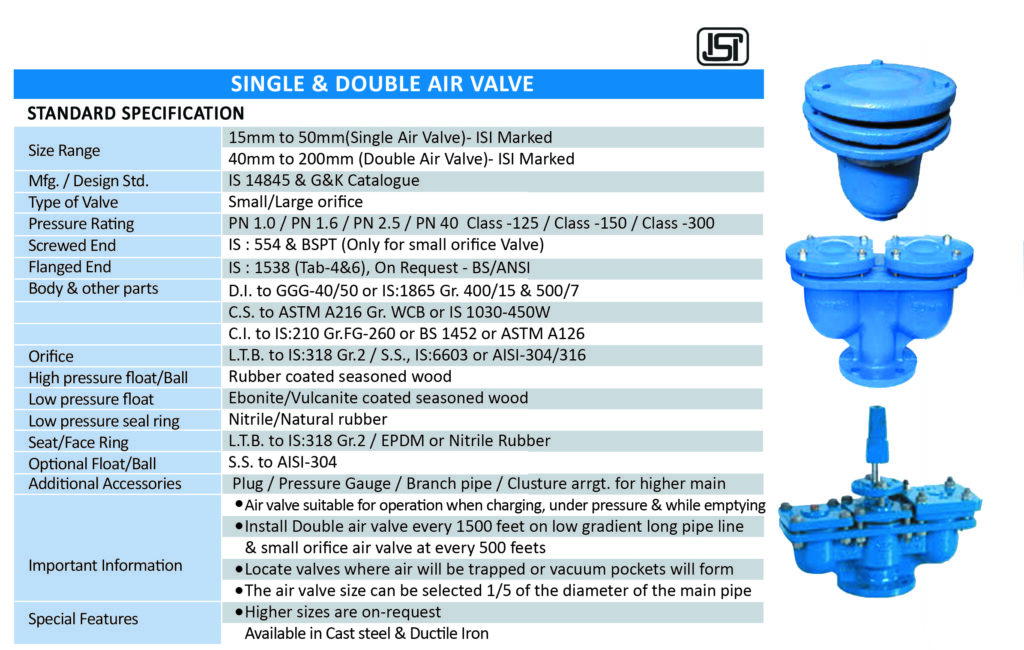
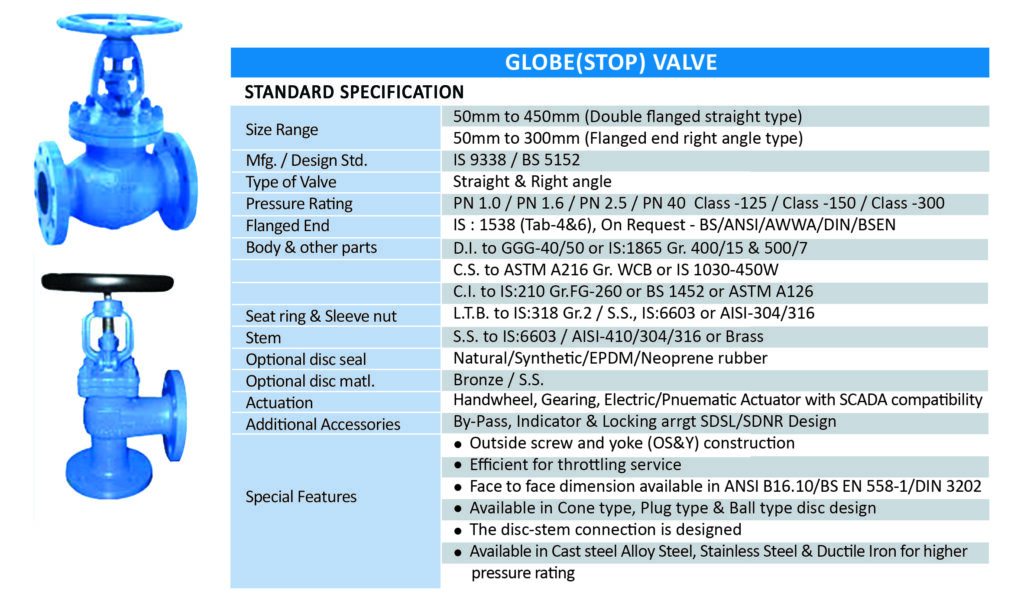
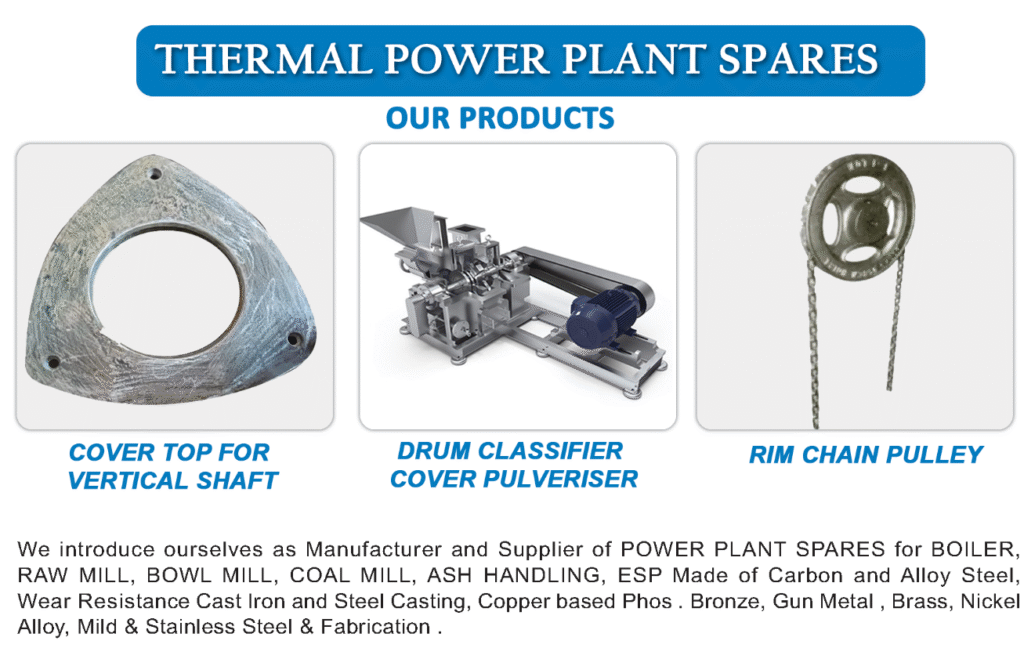
When we say Carbon steel , we’re talking about Carbon Steel Castings — components shaped through molten steel poured into moulds. You might already have seen them in valves, pump bodies, pressure fittings, or structural parts. Compared to many iron-based castings, carbon steel components give you a mix of strength, ductility, and long-term reliability that matters when your system constantly fights pressure, temperature, and vibration.
At Shree Krishna Industries, we manufacture these castings inside an advanced iron & steel foundry setup where every step — melting, mould preparation, heat treatment, machining, and finishing — follows strict quality lines. You get a component that feels stable, strong, and confidently engineered.
Why You Prefer Carbon Steel Castings in High-Pressure Zones
1. You get toughness that doesn’t break under stress
High-pressure systems don’t forgive weak materials. You expect a component that bends slightly before it breaks — and that’s exactly where carbon steel wins. Carbon steel behaves beautifully under tensile load. When your system releases sudden force, steel doesn’t crack the way brittle iron sometimes does. You can feel secure knowing that it is tough, especially in applications where safety is crucial.
2. You can trust them with sudden pressure changes
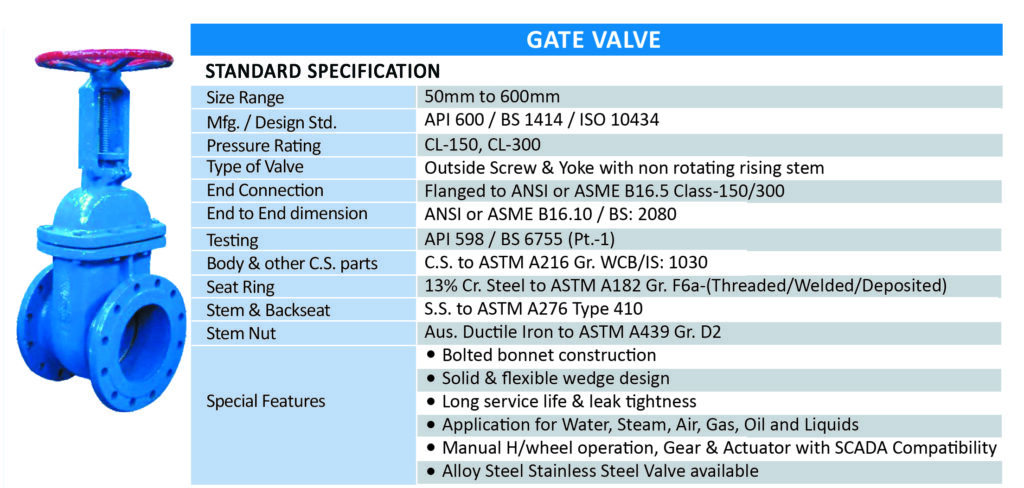
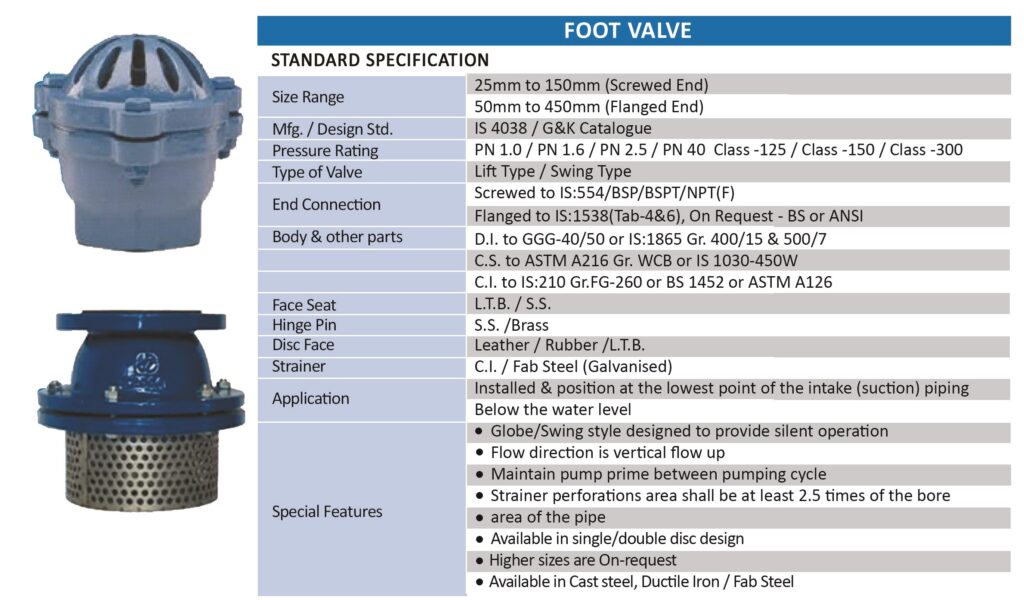
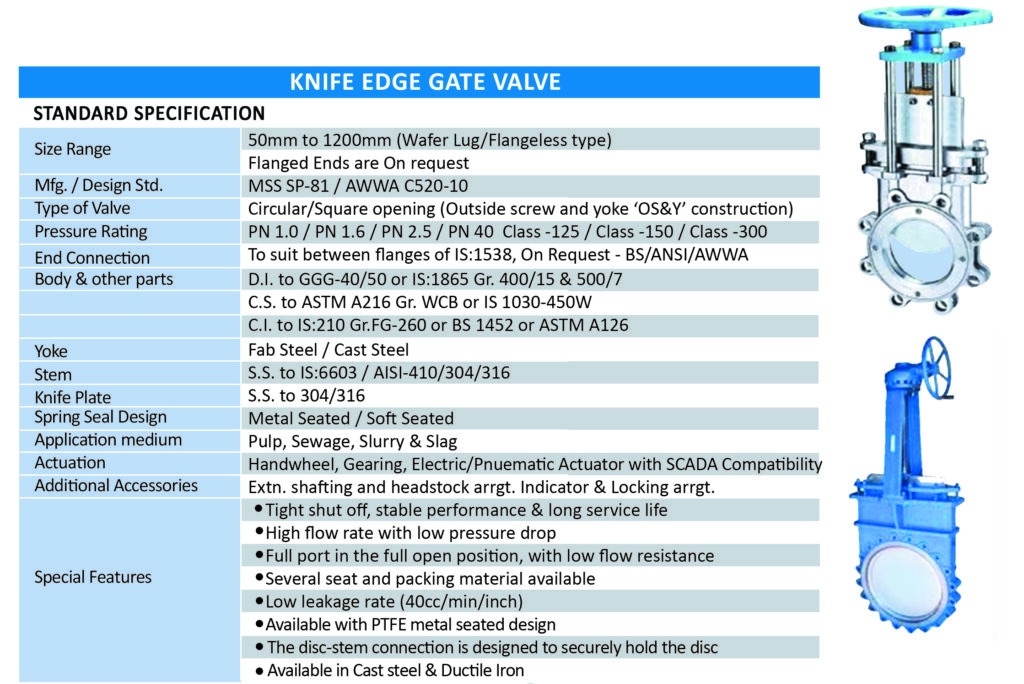
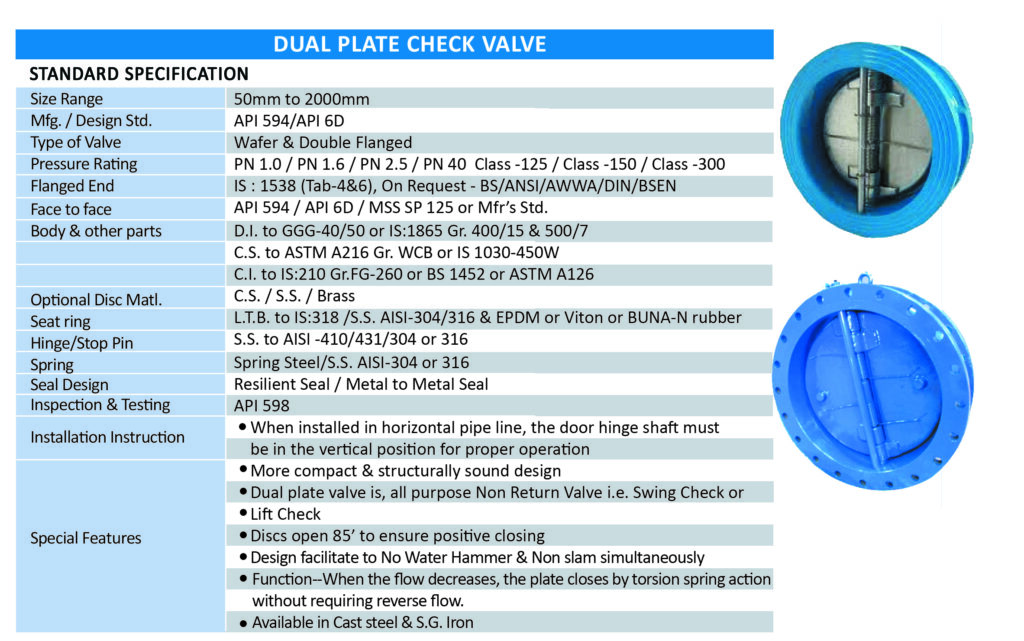
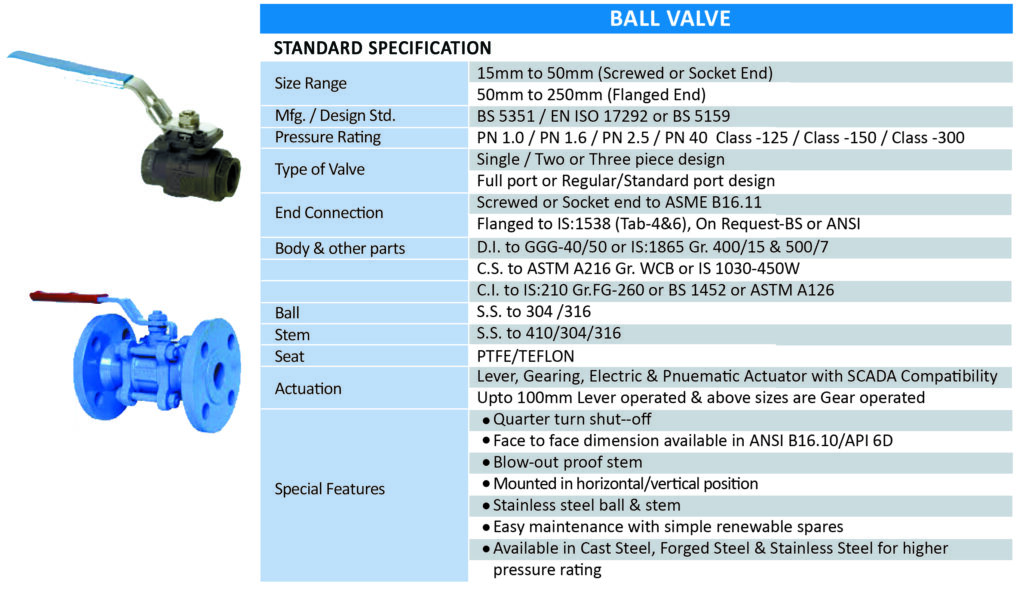
We’ve seen many setups struggle because components fail during pressure spikes. Carbon steel castings handle fluctuations far better than many other cast materials. Carbon steel adapts rather than gives up when your pipes or valves experience sudden changes. Because of their versatility, carbon steel components are popular in heavy industrial lines, hydraulic systems, construction equipment, and oil and gas.
3. You get design freedom that helps solve complex engineering needs
Sometimes the shape of your component is not straightforward or simple. It requires angles, curves, corners, and channels that are difficult to create with ordinary machining. Casting solves that, but steel casting solves it with strength. With carbon steel castings, we can create strong, complex parts without extra welding. Fewer welds mean fewer weak points — something you definitely want in a pressurised environment.
4. You can repair and rework them when you need extra life
One thing we love about carbon steel: it allows welding and repair. If your component needs a life extension or minor correction after years of use, steel lets us do that safely. Iron castings don’t always allow the same flexibility. If you value longevity, this matters a lot.
5. Your equipment stays safer over long service periods
High-pressure systems are rarely “install and forget”. They live through vibration, heat, temperature swings, operational fatigue, and constant stress. These castings withstand these conditions longer. You won’t need frequent replacements. Your maintenance team stays happier. Your downtime drops. The entire system simply becomes more dependable.
Where These Castings Work Best for You
You’ve probably come across them in:
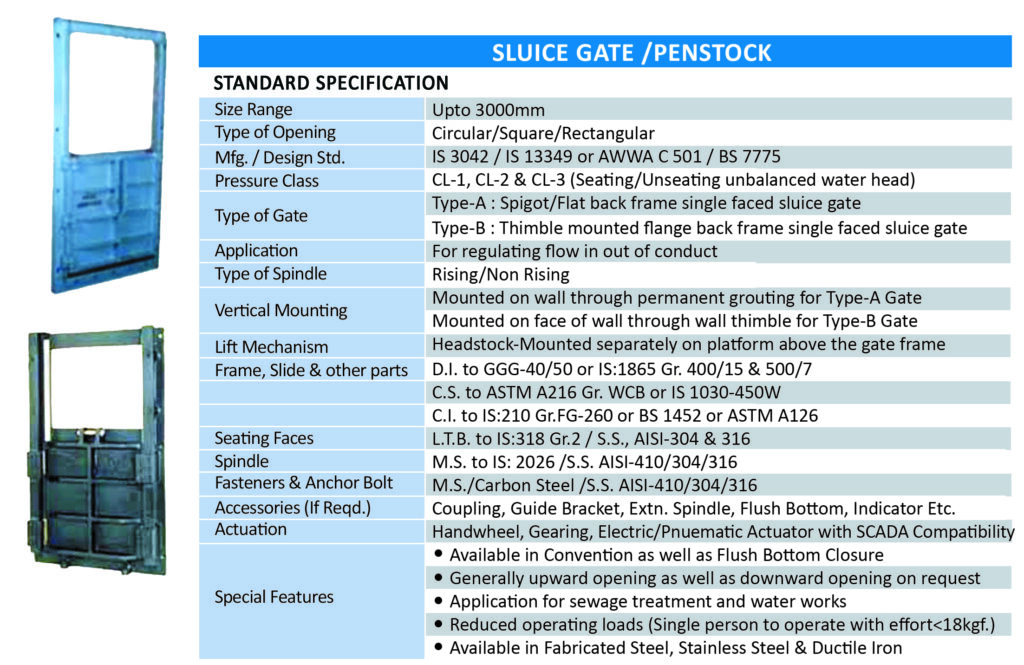
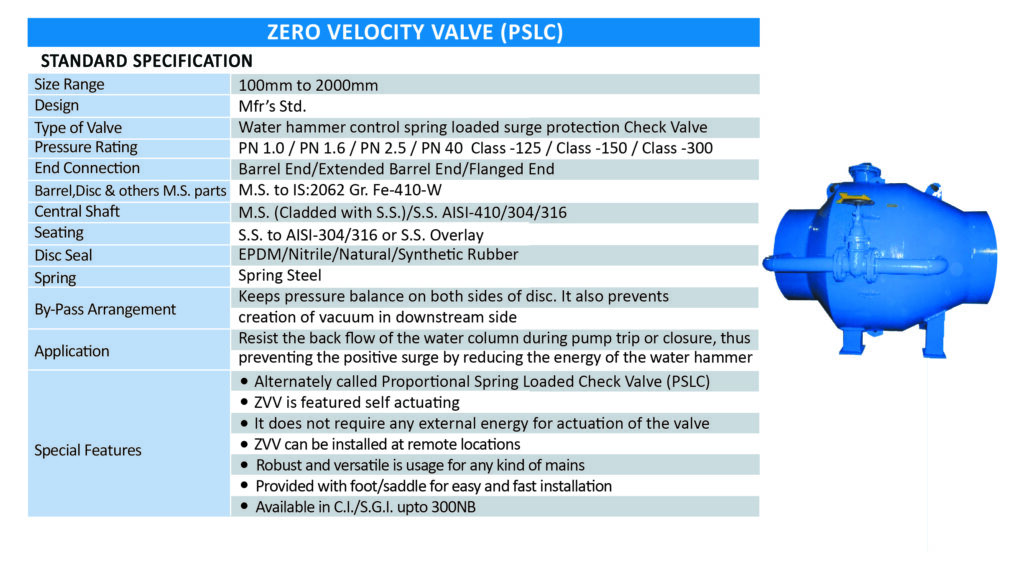
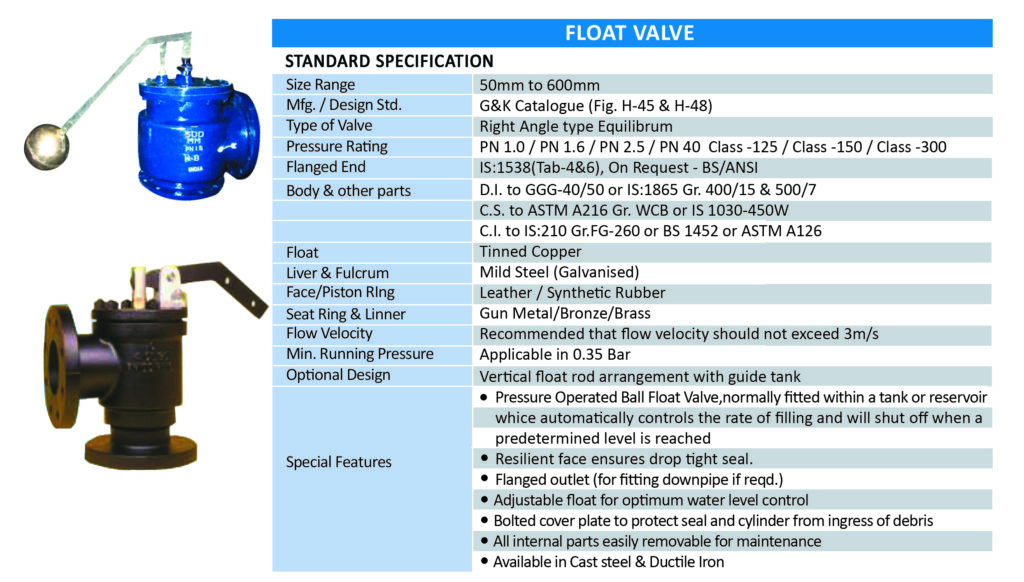
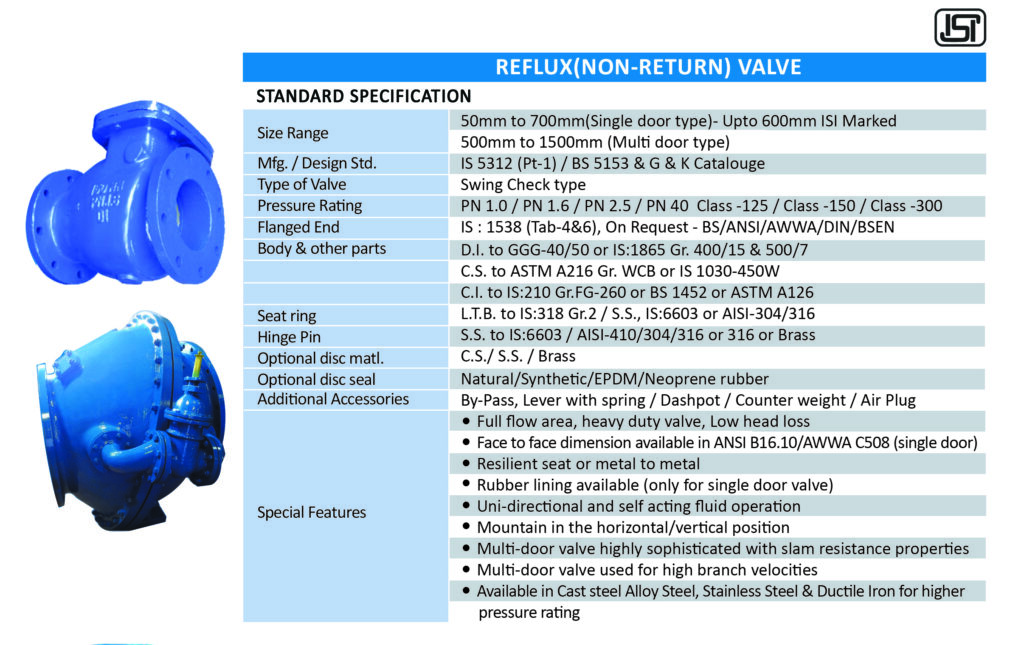
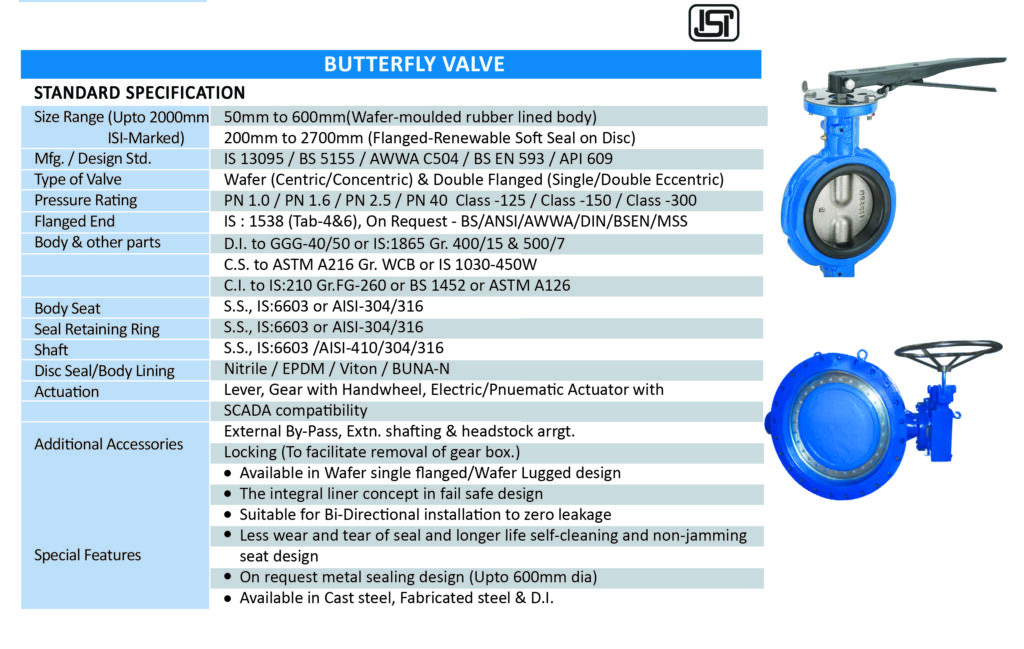
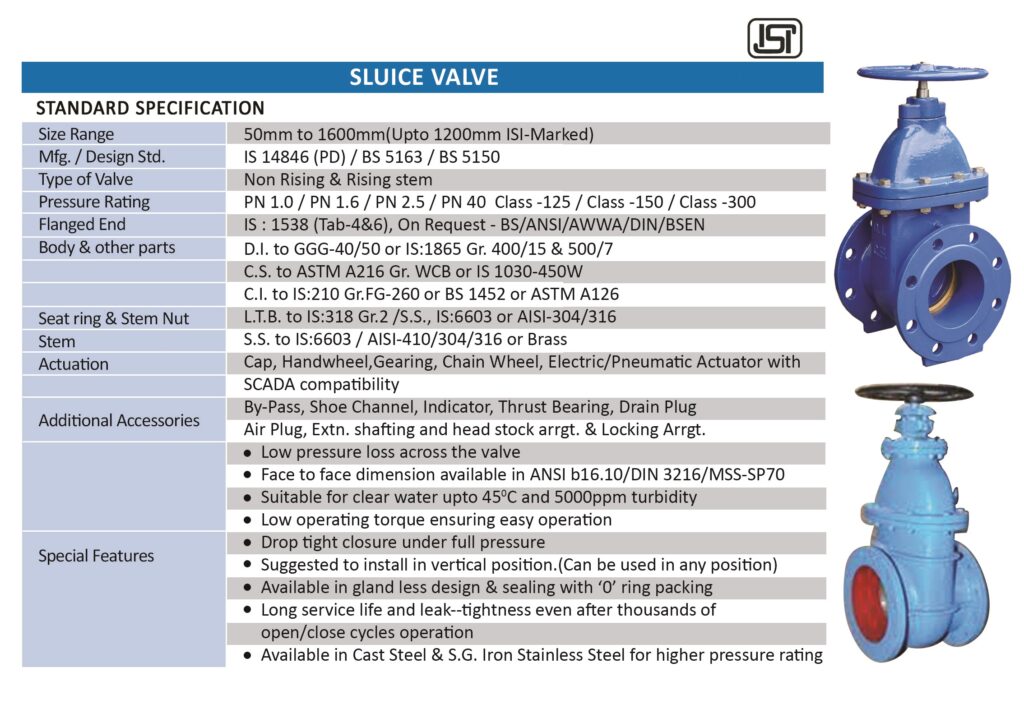
- Pressure valves and valve bodies
- High-load flanges
- Pump housings
- Industrial couplings
- Gear casings
- Heavy structural supports
- Construction equipment
- Mining and drilling machinery
If your application involves pressure, force, movement, vibration, or safety, these castings usually come out as the smarter option.
How We Support You With Quality Carbon Steel Castings
When you’re choosing castings, you’re not just buying a product — you’re trusting a foundry with your safety and operations. Our iron and steel foundry is designed to give you reliability at every stage.
What you get from us:
- Procedures are compliant with global standards and ISO certifications.
- Expertise in various materials, such as iron, ductile iron, alloy steel, stainless steel, and carbon steel castings.
- In-house machining to ensure your completed component is ready for installation.
- Thorough metallurgical testing to ensure each batch meets performance standards.
- Solutions for customised casting of unusual shapes or specific industrial needs.
Working with us makes you feel involved at every stage of the process; we provide advice, help in choosing the best metal, and create castings that will support your business for many years.
Iron Foundry vs Carbon steel castings — When You Should Choose What
Since you also mentioned Iron Foundry, let’s make this easy for you.
Choose iron castings when:
- You need great vibration-damping (machine beds, engine blocks)
- Your part faces compression rather than tensile load
- You want a cost-effective casting
- Your component doesn’t face high impact or pressure
Choose carbon steel castings when:
- You’re managing pressure, heat, or dynamic flow
- Your part needs strength and ductility
- You expect sudden pressure spikes
- Your component must be repairable
- Your application is safety-critical
Both iron and steel have their place. But when your system involves pressure, carbon steel castings stand stronger.
Conclusion — Why You Should Choose Us for Carbon Steel Castings
When you need a material that stands strong under pressure, carbon steel castings simply give you a level of confidence that other metals struggle to match. You want something that protects your system, performs consistently, and lasts long, and that’s what carbon steel does best.
We at Shree Krishna Industries assist you in making wiser decisions. We assist you in creating safer systems. Additionally, we offer castings that reliably support your operations.
We are here to help you at every step if you’re ready to explore these castings for your upcoming project.
FAQs
Why are high-pressure carbon steel components better?
Because carbon steel is more resilient than many iron-grade castings to sudden force, tensile stress, and temperature fluctuations, you gain long-term dependability, ductility, and durability.
Is iron completely unsuitable for pressure?
Not always. Iron works perfectly in some applications. But when pressure fluctuates or when failure can create risk, steel becomes the safer choice.
Where do you fit into this?
We manufacture carbon steel components with modern foundry processes, strict metallurgical control, and precise machining — giving you durable, ready-to-use components.
Is it possible to modify these castings?
Yes. Depending on your project, we might design specific shapes, unique geometries, and customisable mould designs.
Do these castings cost more?
They might cost a bit more at first, but over time, their durability, reliability, and safety typically save you much more.
Can Carbon steel castings be welded or repaired after casting if necessary?
Yes — many grades of cast steel allow welding, heat treatment or reworking, which makes maintenance or retrofitting possible — something that’s often harder with brittle cast iron castings.