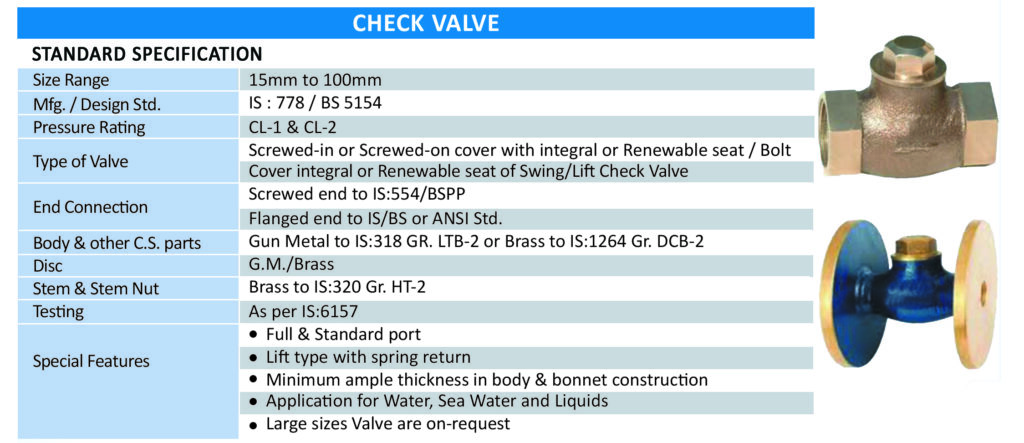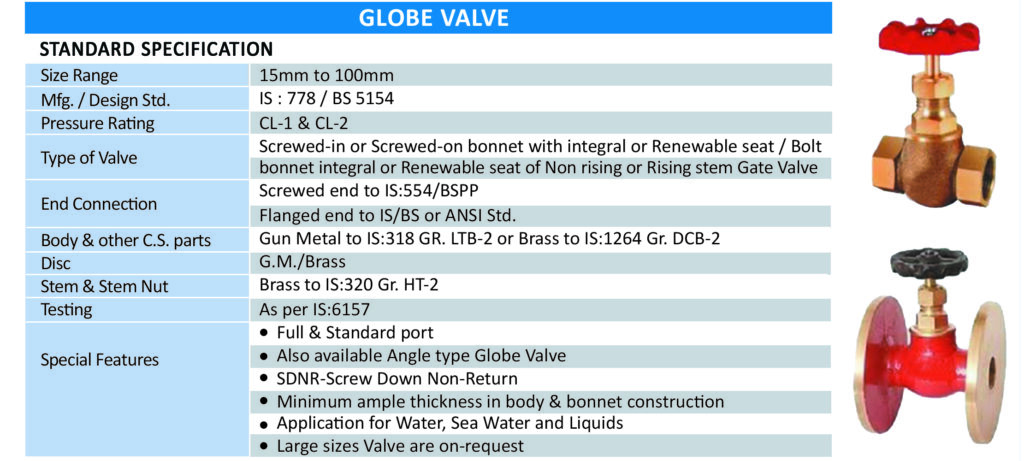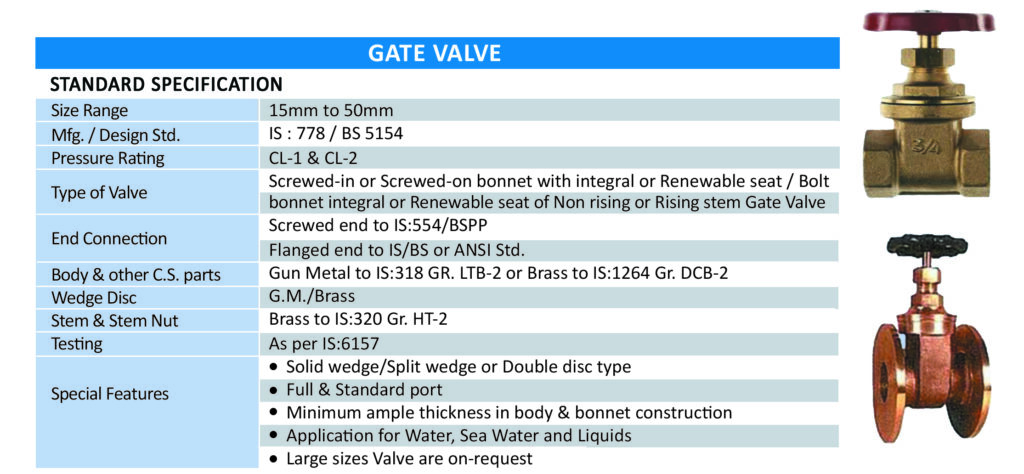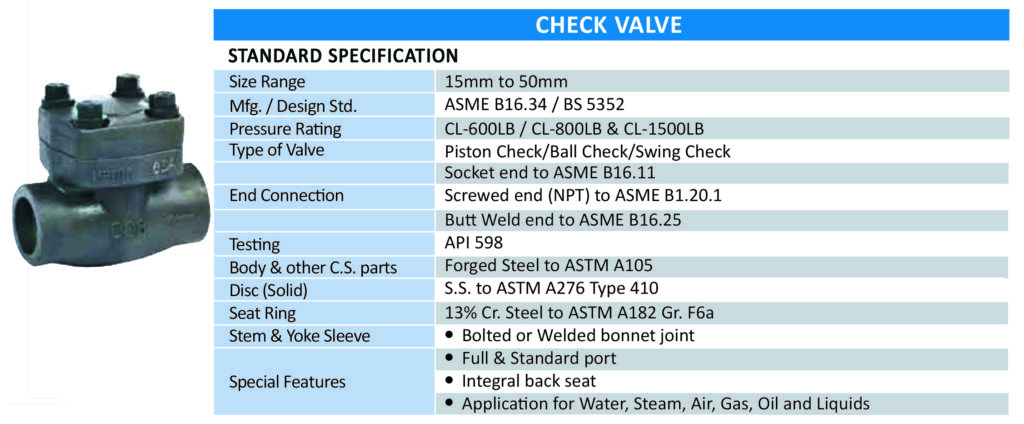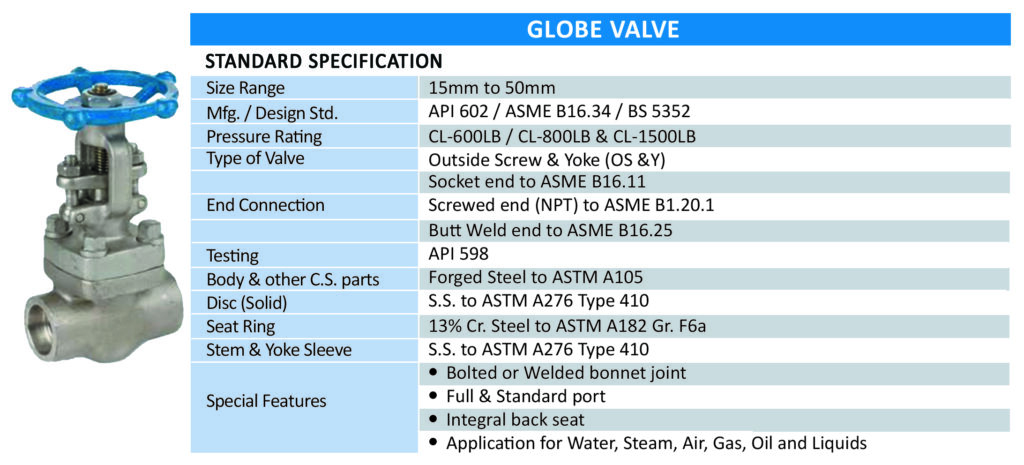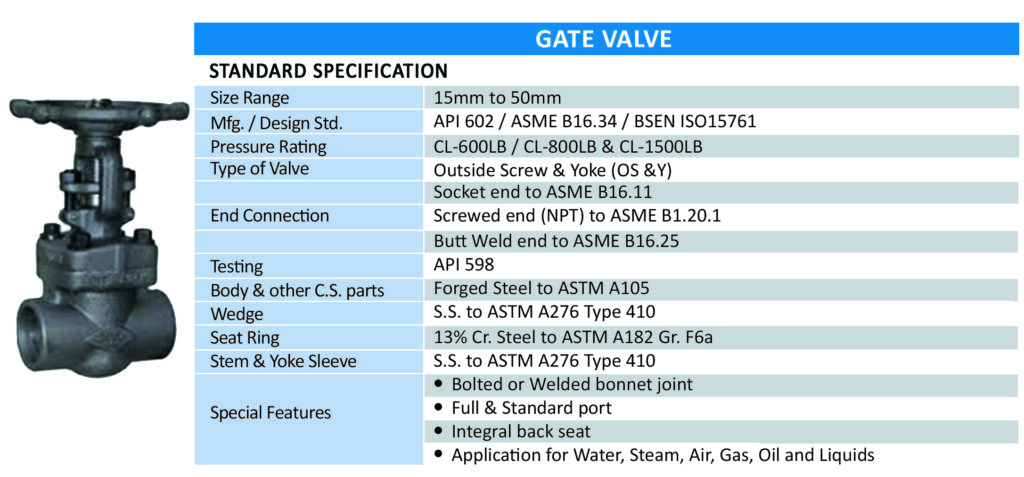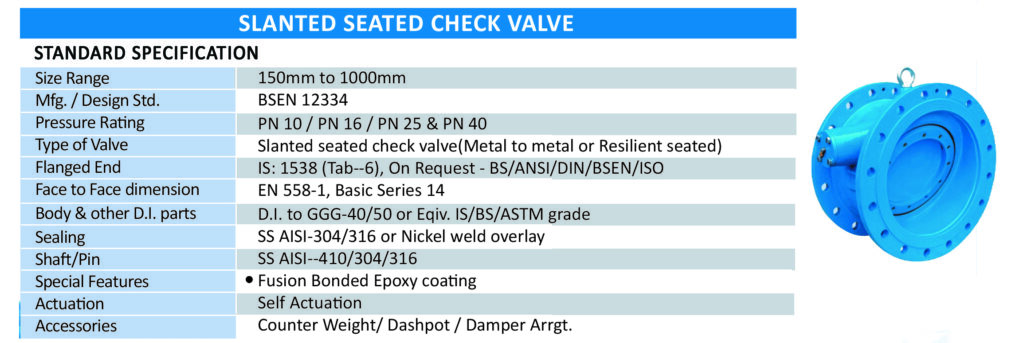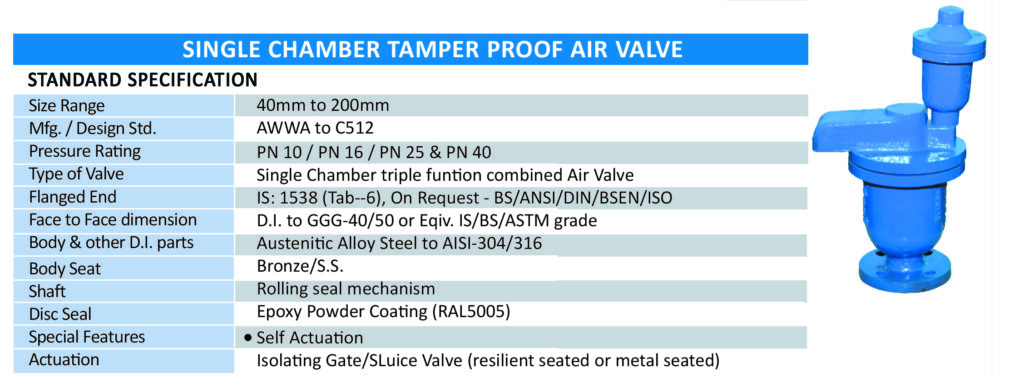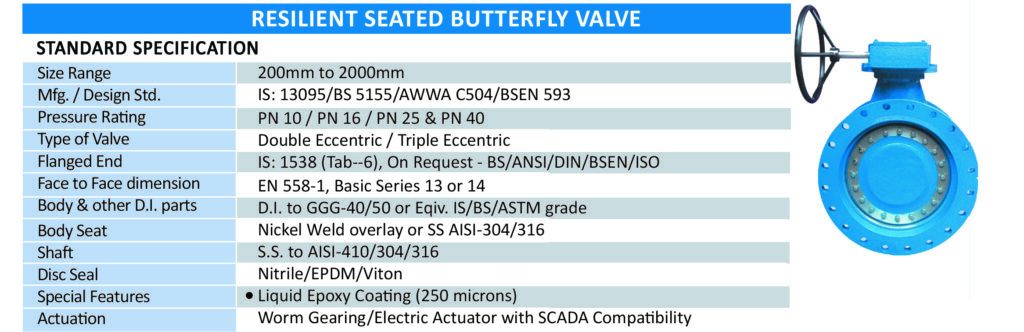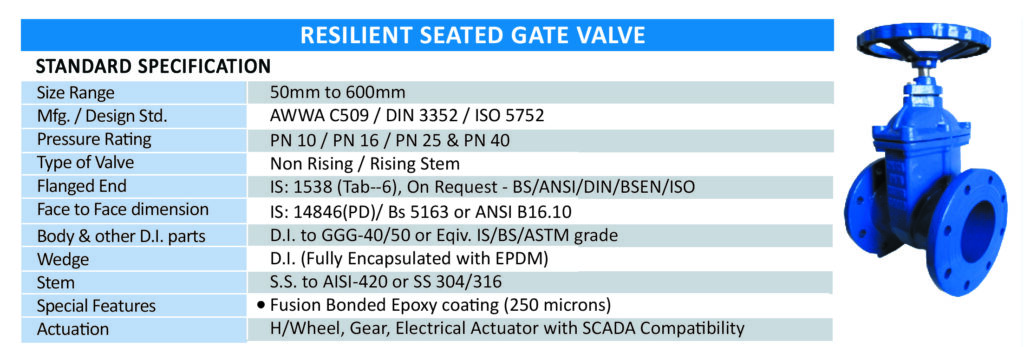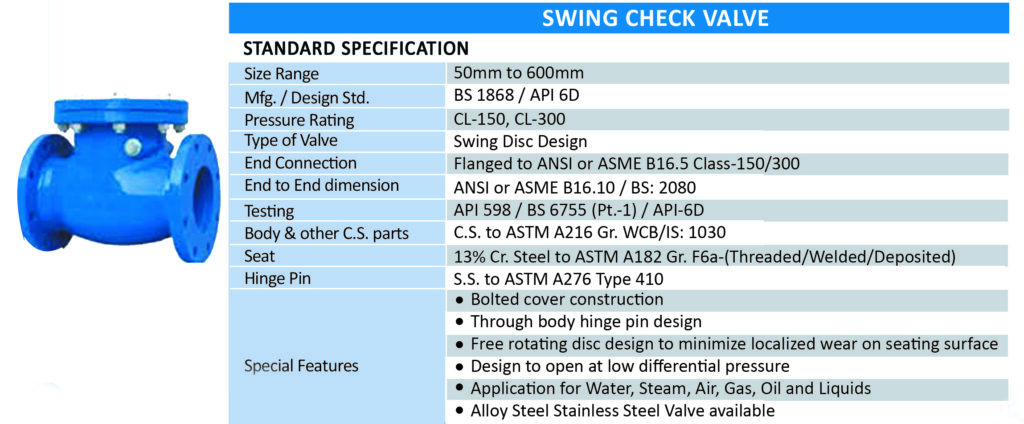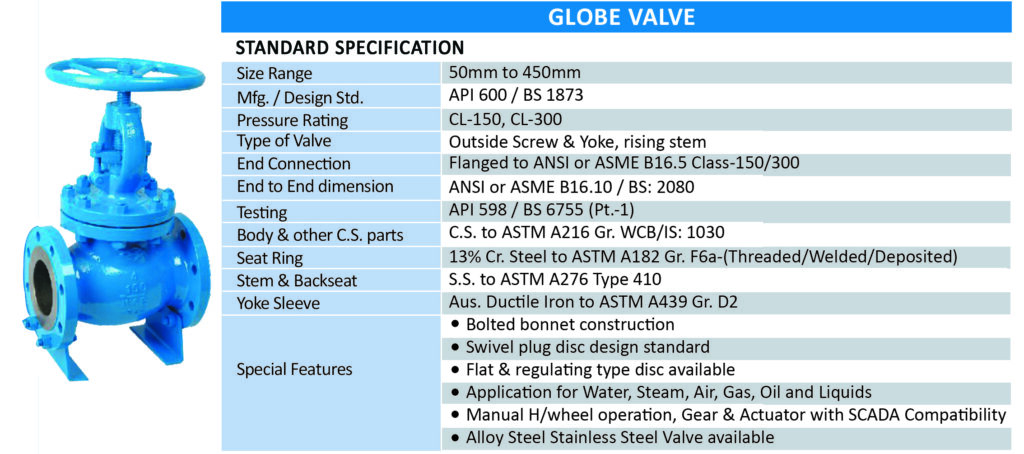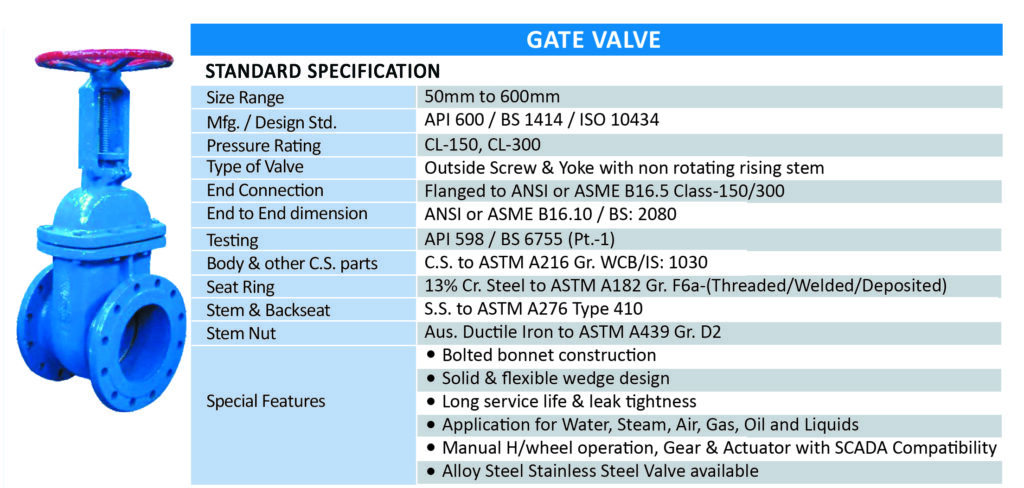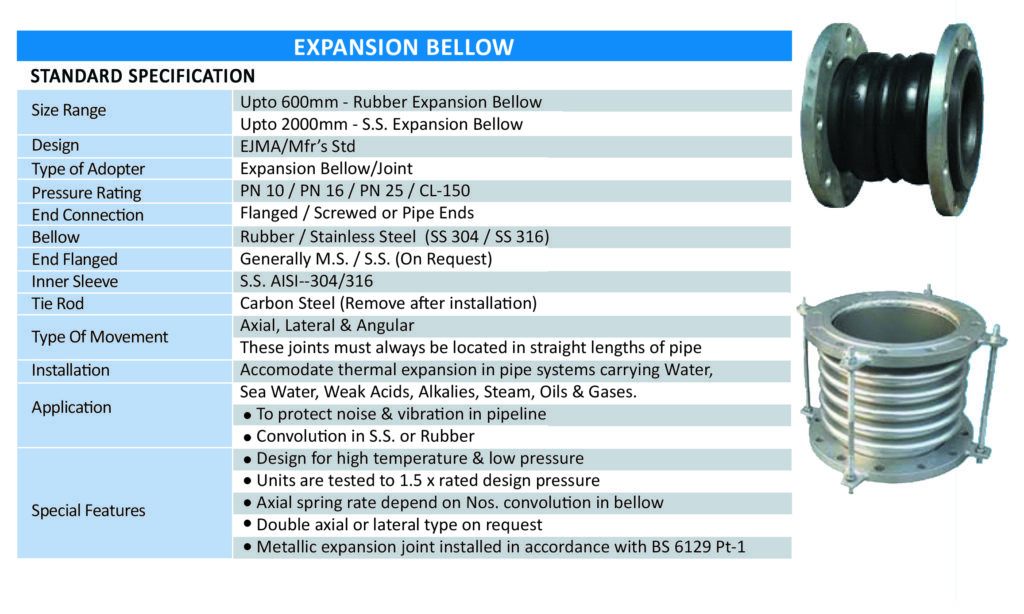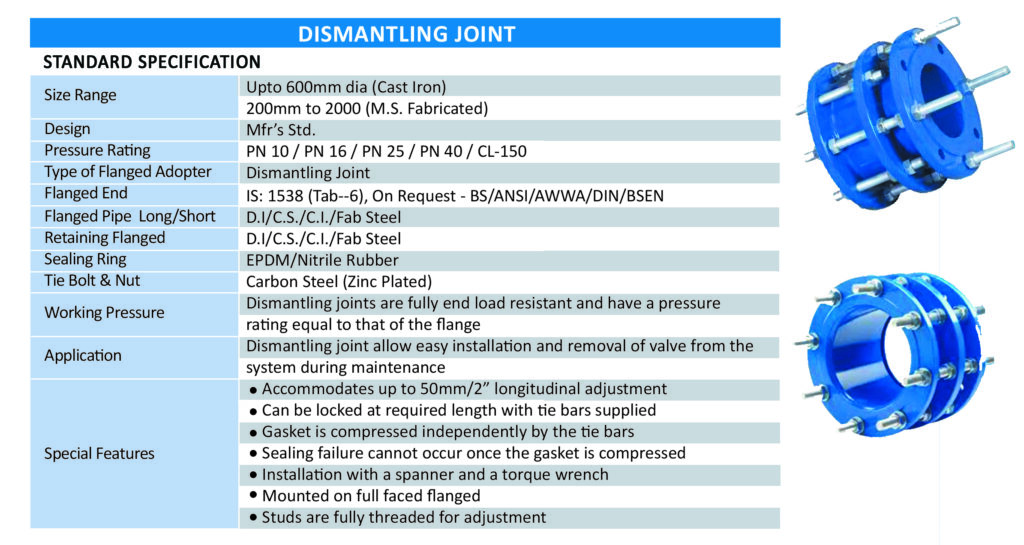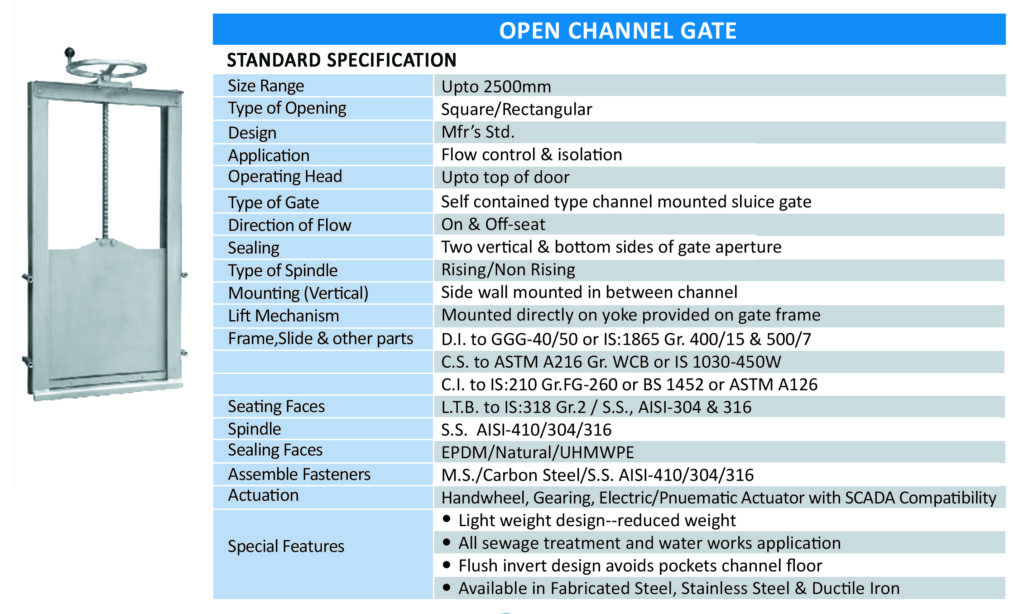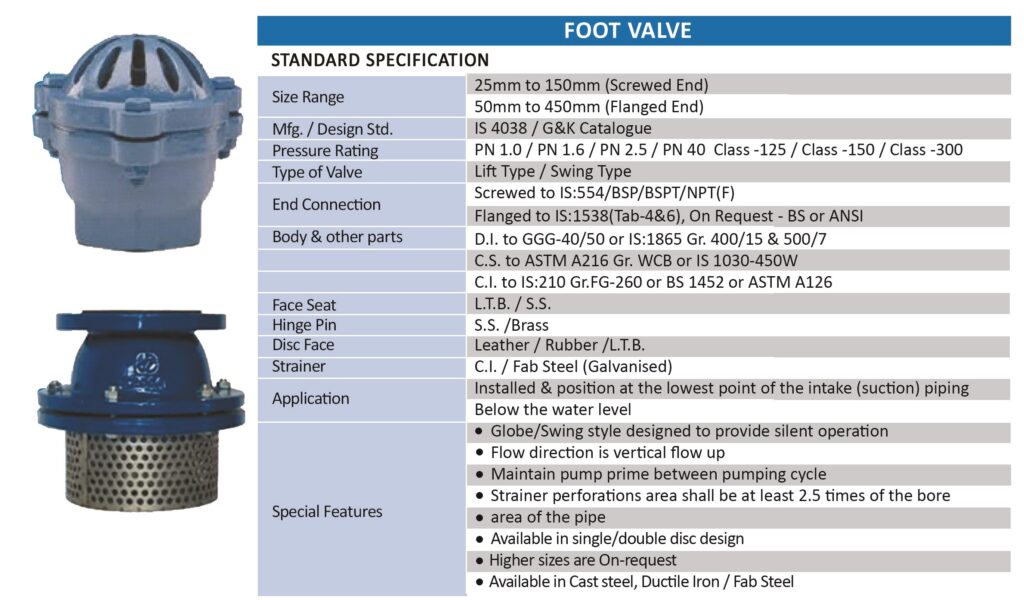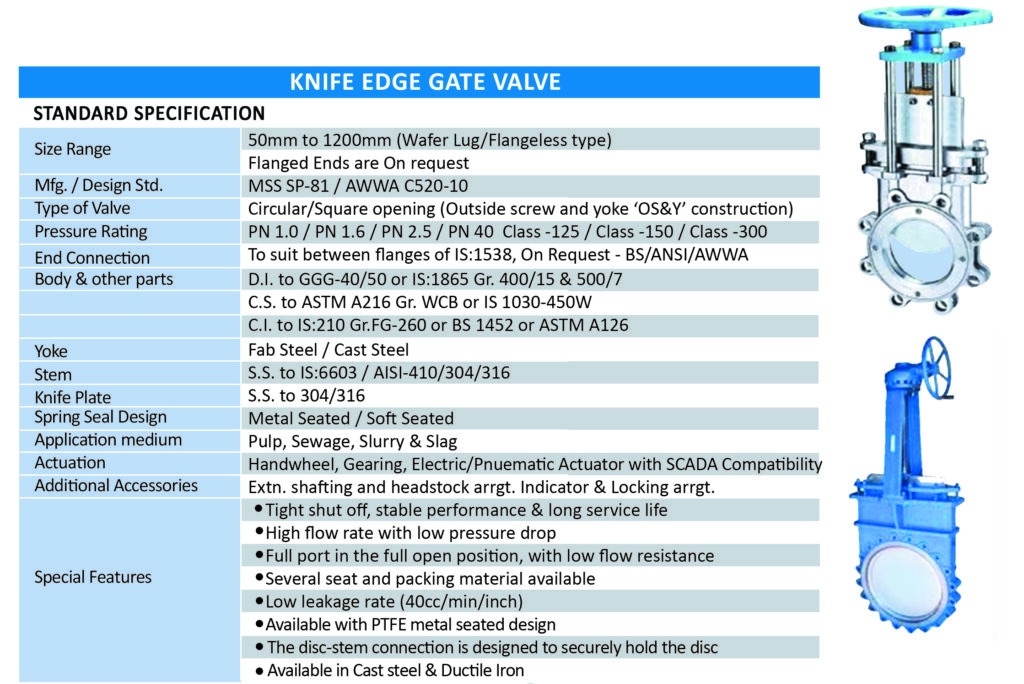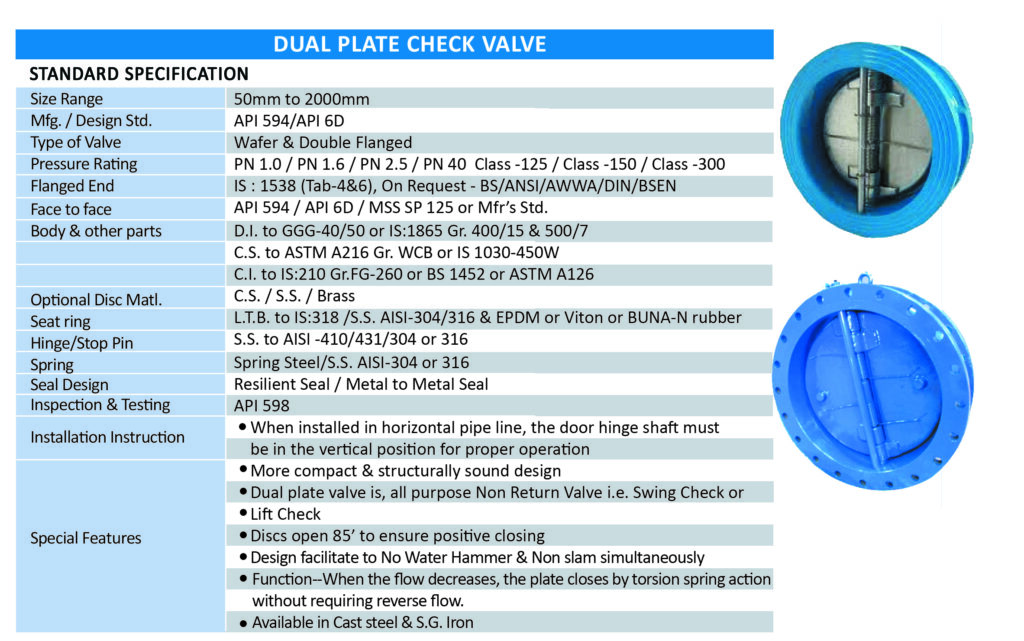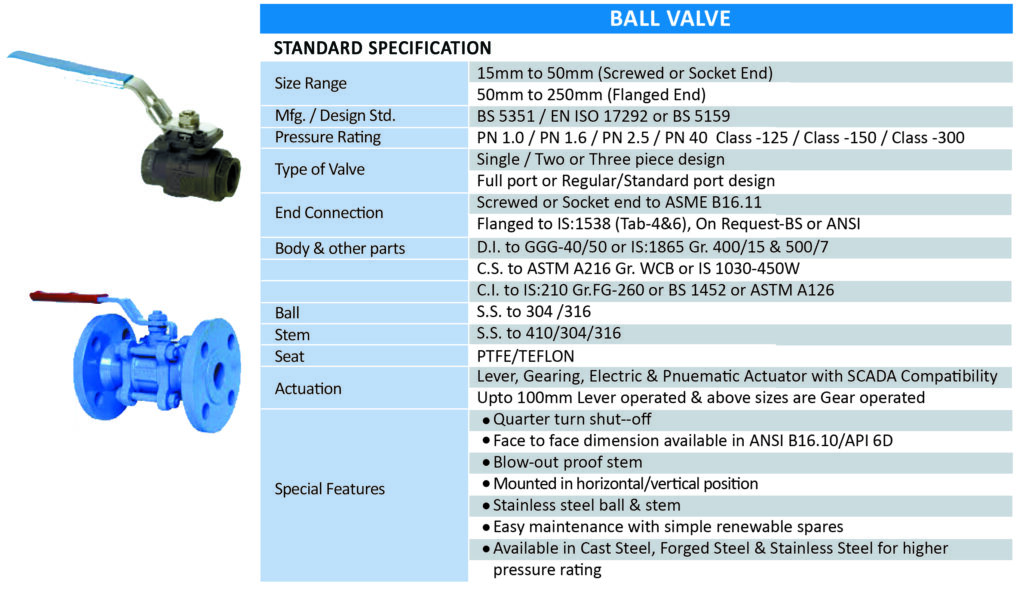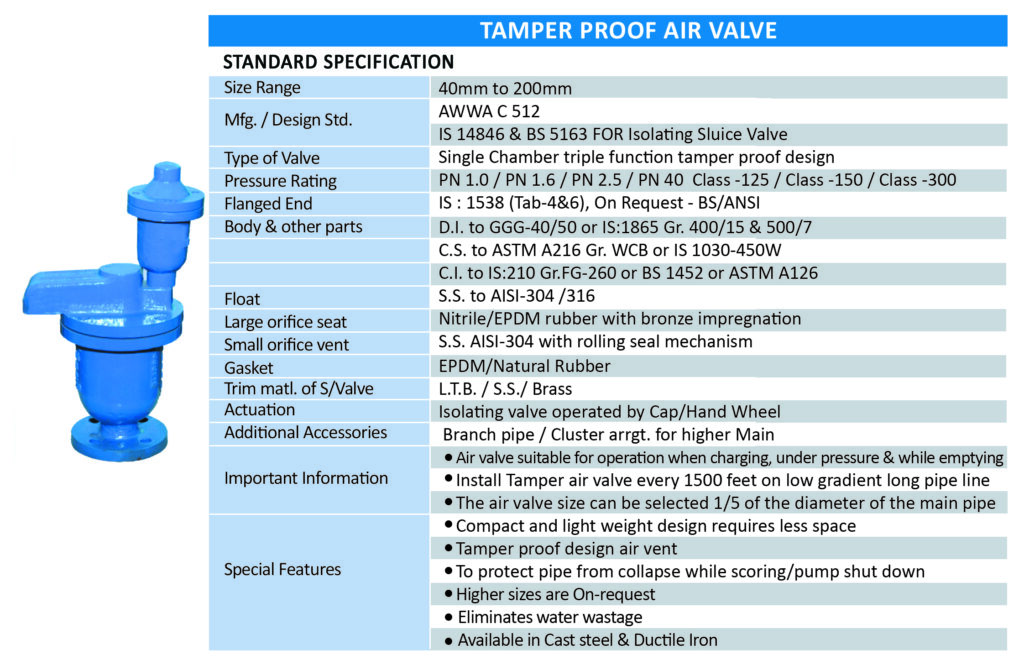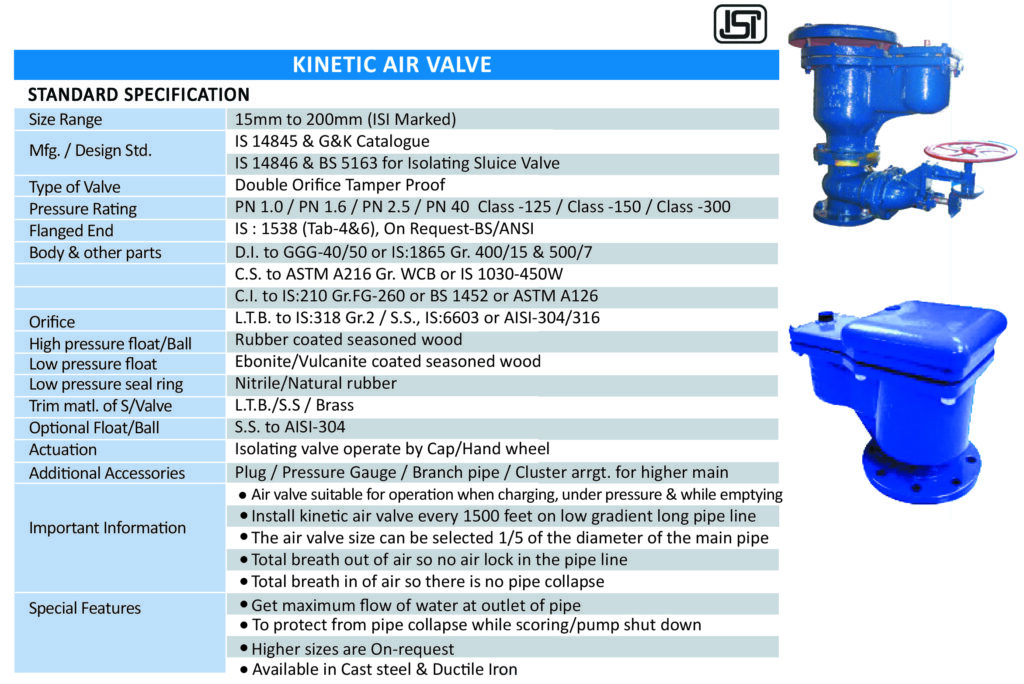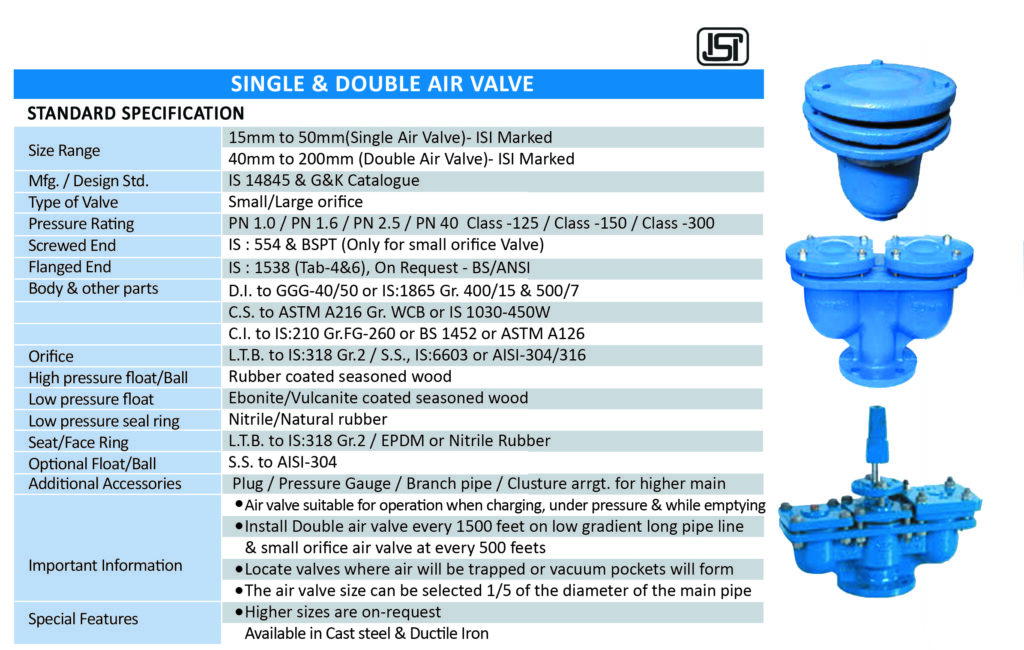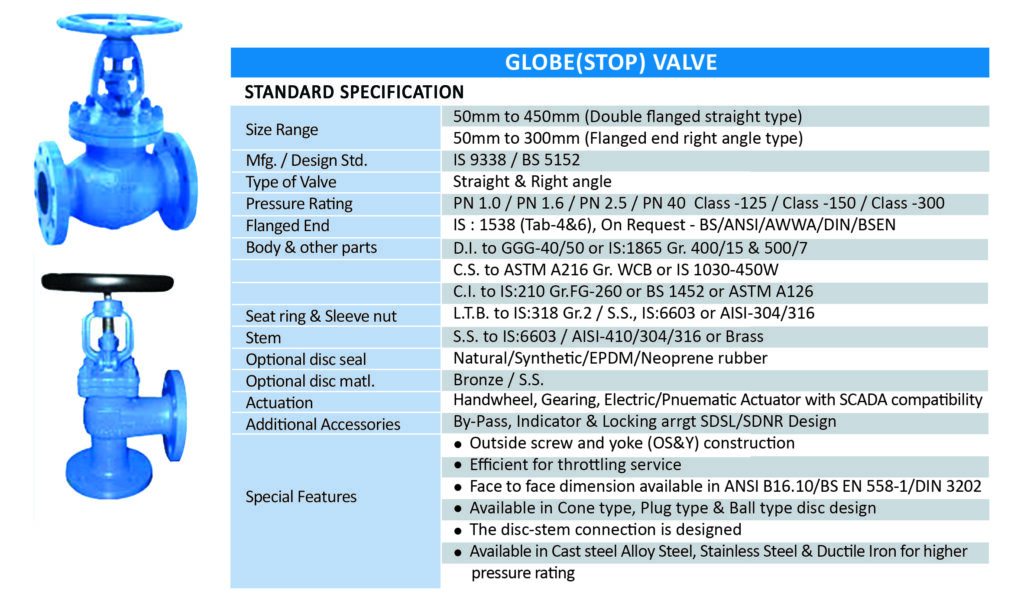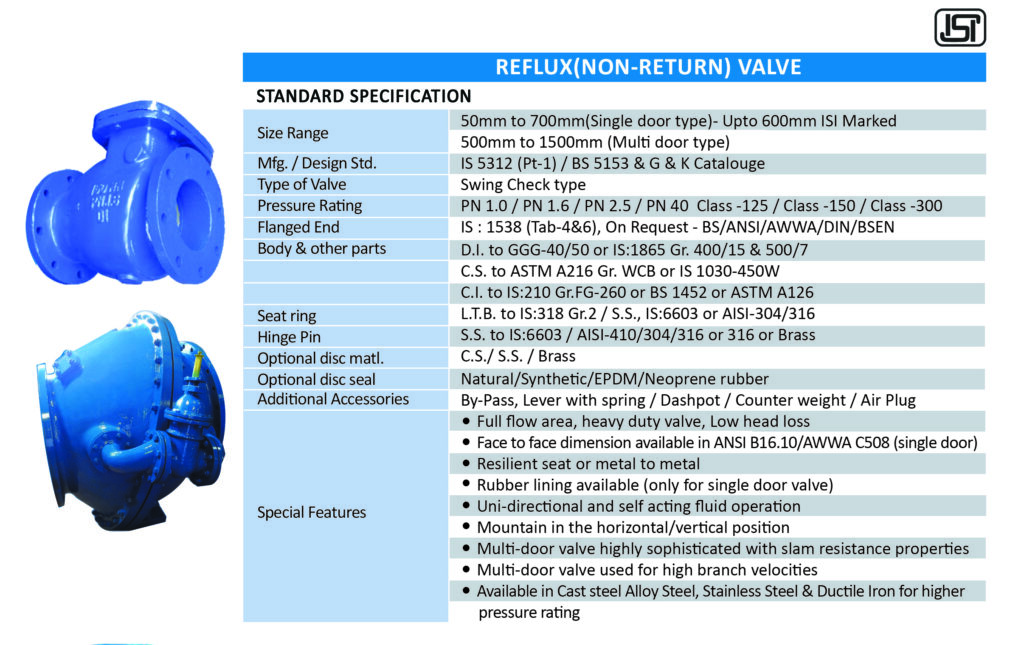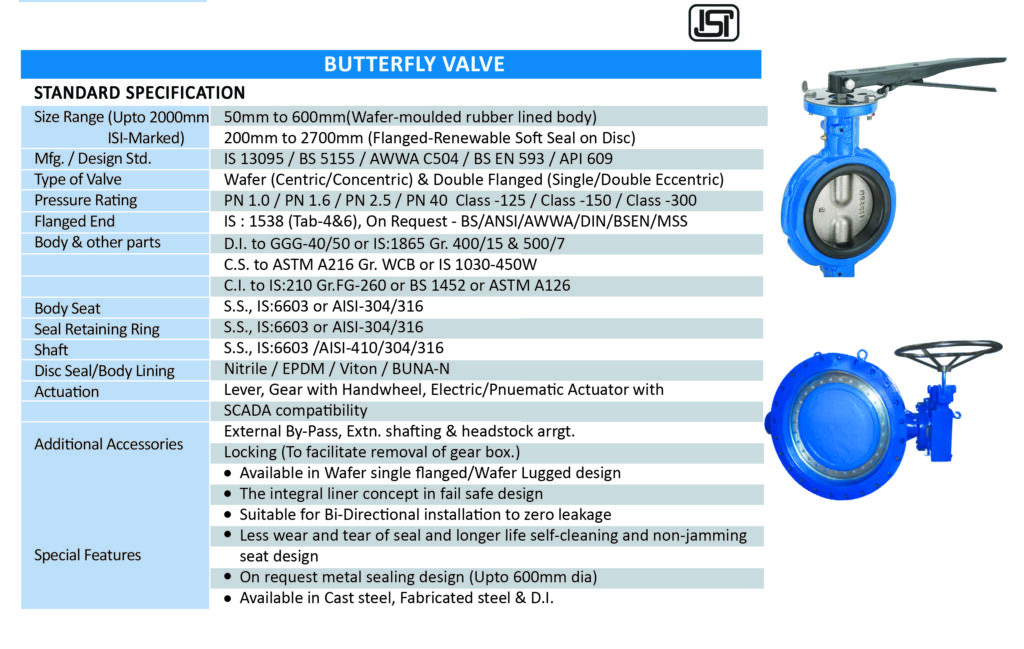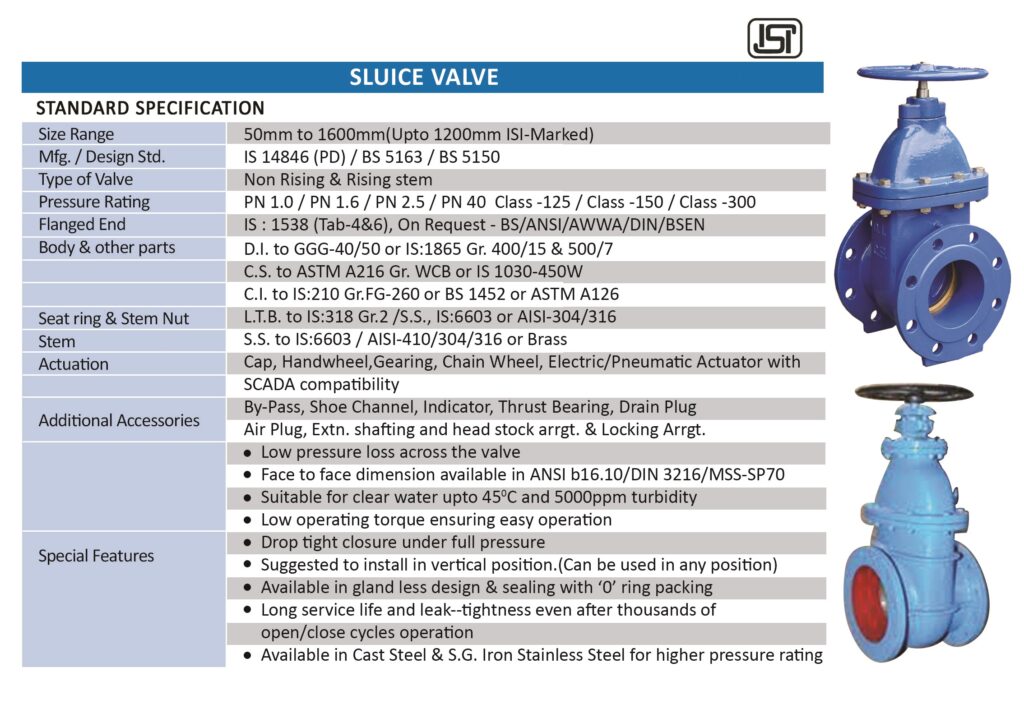
When your plant runs hot, your valves take the brunt of it. You’ve seen what happens when things cool down too fast: a sudden crack, a leak that shouldn’t exist, or a valve that just won’t seal right. That’s thermal shock. At Shree Krishna Industries, we build high-temperature industrial valves that handle real-world swings without betraying you when the heat changes fast. Here’s what you need to know—and how we help you stay safe.
What Thermal Shock Actually Does to Your Valves
Thermal shock isn’t just “it got hot, then cold.” It’s a sudden temperature change that forces your valve material to expand and contract faster than it can handle. Metals expand when heated. They contract when cooled. When that shift happens too quickly, stress builds up inside the material. That stress can crack cast sections, blur seals, or even break the body.
You might notice it as:
- A crack starting at a casting flaw and moving through the thickness
- Discolouration or “crazing” on the surface
- Leaks that appear after a rapid cooldown
- A valve that loses tightness after a temperature swing
Thick sections are more vulnerable. If your valve has heavy walls, the inside and outside can change temperature at different rates, creating internal stress that leads to cracks. Materials that have lost ductility—like some Cr-Mo steels after temper embrittlement—get hit even harder.
Where Thermal Shock Usually Comes From in Your Plant
You don’t have to be a process engineer to spot the common triggers. These are the situations we see most often:
Cause | What Happens | Why It Hurts Your Valve |
Cold liquid hitting hot metal | Sudden quench of a hot valve body | Creates high thermal gradient and stress |
Cold liquid hitting hot metal | Sudden quench of a hot valve body | Creates high thermal gradient and stress |
Steam with liquid slugs | Saturated steam containing water contacts hot surfaces | Localised cooling causes cracking |
Fire-water deluge | Rain or fire water hits hot equipment | Rapid surface cooling leads to cracks |
Improper cleaning | High-pressure cold water or cold steam on hot valves | Shock cooling damages the pressure boundary |
Fast startup/shutdown | Temperature ramps too quickly | Material can’t expand/contract smoothly |
Localised hot/cold spots | Poor circulation creates uneven temps | One side contracts while the other stays hot |
The key takeaway: thermal shock is often an operating issue, but it’s also a design issue. If your team doesn’t know what happens when you suddenly chill hot equipment, problems will follow.
How to Prevent Thermal Shock Damage to Your High Temperature Industrial Valves
You don’t have to accept these failures. Here’s what works—both in how you operate and what you choose.
Operating Practices That Protect You
- Heat and cool gradually. Don’t rush startup or shutdown. Slow ramp rates let the material expand and contract evenly.
- Avoid sudden slugs. Keep cold liquid or wet steam from hitting hot valve surfaces unexpectedly.
- Follow procedures. Your manufacturer’s startup and shutdown steps exist to prevent shock. Stick to them.
- Use control valves or automation. Let them manage ramp rates so you don’t have to guess.
- Inspect regularly. Look for discolouration, cracks, or crazing early. Fix issues before they become leaks.
- Know your limits. Check the nameplate for maximum allowable temperature and pressure. Don’t exceed allowable temperature differentials.
Design Choices That Reduce Risk
When you’re selecting a valve, these design factors matter:
Material selection. Choose heat resistant valve materials with good thermal shock resistance.
Wall thickness. Thinner, balanced sections reduce thermal gradients.
Expansion allowances. Let the valve move slightly instead of fighting restraint.
Thermal sleeves. Protective measures prevent cold liquid from directly hitting hot surfaces.
Minimise restraint. Design to reduce severe restraint in hot equipment that could get quenched.
The Right Heat Resistant Valve Materials for High Temperature Service
You need materials that stay strong at heat, keep ductility, and handle cycling without cracking. Here are the options we recommend based on real conditions:
Material | Why It Works | Max Temp Range | Best For |
Chromium-Molybdenum Steel (12CrMoV, 15CrMo) | Excellent thermal shock resistance, long service life | ≤ 650°C | High-temp, high-pressure steam systems |
Stainless Steel (Cr-Ni, Cr-Ni-Mo) | Good corrosion resistance + heat strength | ≤ 800°C | Refineries, chemical plants |
Inconel / Nickel Alloys | Maintains strength at very high heat, resists oxidation | ≤ 1000°C+ | Power plants, extreme heat |
Alloy Steel (Five Molybdenum) | High temp strength, resists embrittlement | ≤ 700°C | Steam, oil gas services |
When you work with us, we match the material to your actual operating range, not just the textbook number. If you cycle temperatures often, we pick materials with higher toughness and lower thermal expansion.
How Shree Krishna Industries Builds Valves That Handle Thermal Swings
We don’t just sell valves. We build high temperature industrial valves that your team can trust when things heat up and cool down. Here’s how we make sure you get reliability:
Material matching. We review your temperature range, cycling frequency, and fluid type before selecting the alloy.
Casting quality. We minimise casting flaws where cracks could start. Clean castings mean fewer weak points.
Design for stress. We balance wall thickness and add expansion allowances so your valve doesn’t fight thermal movement.
Testing you can see. We provide inspection reports and test data. You verify quality before it leaves our shop.
Real support. You get a dedicated contact who knows your job and answers quickly when questions come up.
When you need a valve for steam systems, refineries, power plants, or any high-heat service, we help you choose the right configuration and material so thermal shock doesn’t become your next problem.
What You Can Do Today
Share your operating temperature range, cycling frequency, and fluid type with us.
- Ask for a material recommendation based on your actual conditions.
- Request first-article inspection reports before full production starts.
- Review your startup/shutdown procedures to ensure slow ramp rates.
- Inspect valves regularly for early signs of thermal damage.
If you’re ready to get valves that won’t fail when the temperature swings, send us your requirements. We’ll review them, suggest the best heat resistant valve materials for your case, and give you a clear quote with timelines. At Shree Krishna Industries, we build high-temperature industrial valves that keep working when the heat changes fast—because your plant shouldn’t stop because of thermal shock.