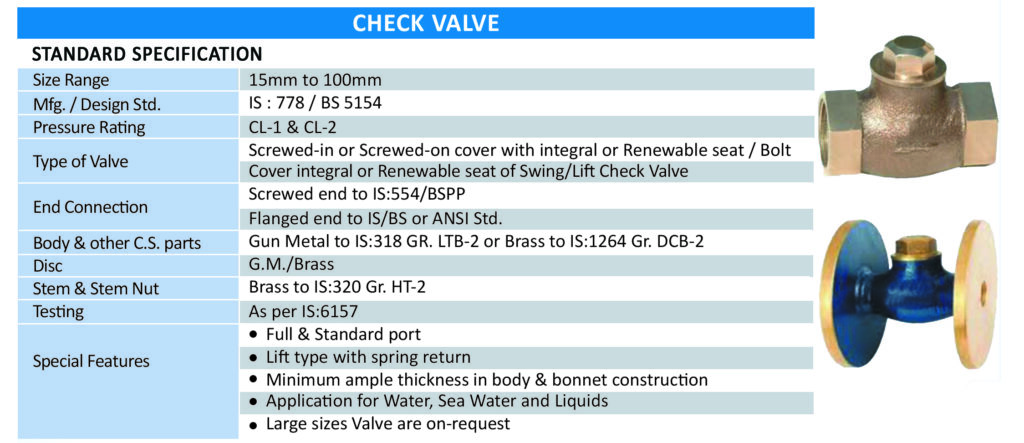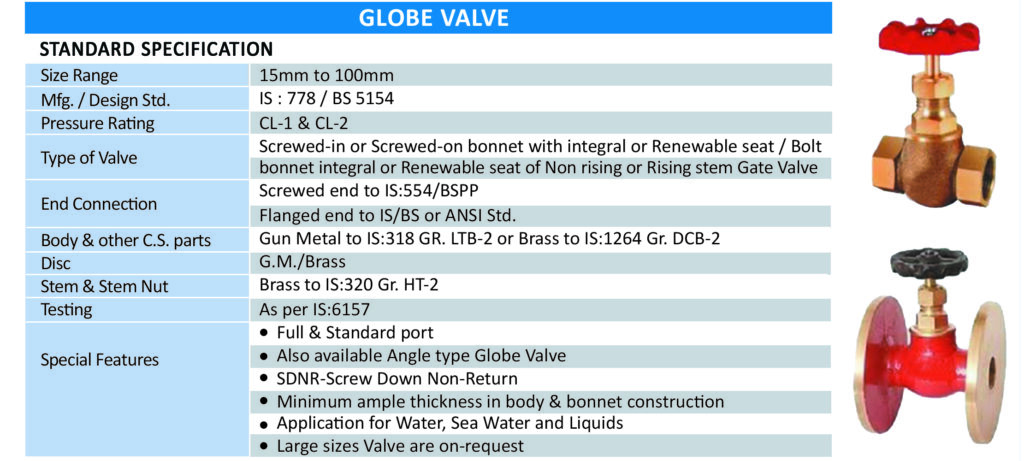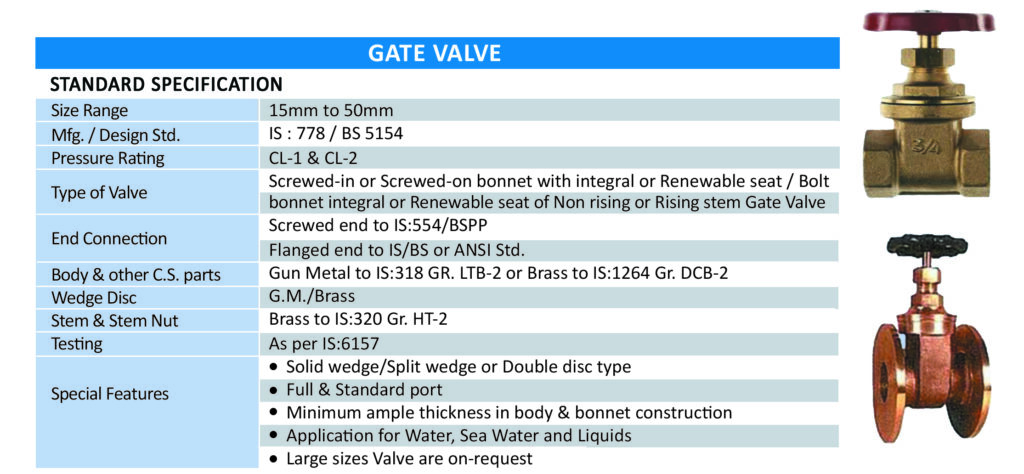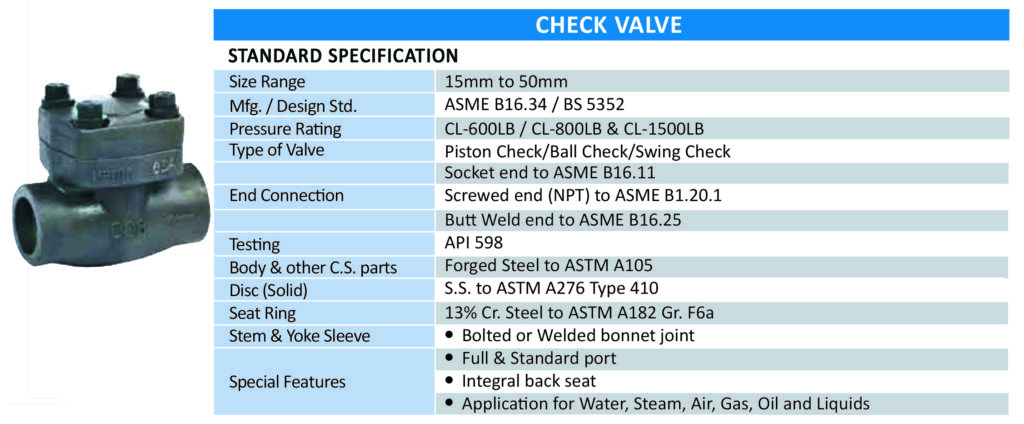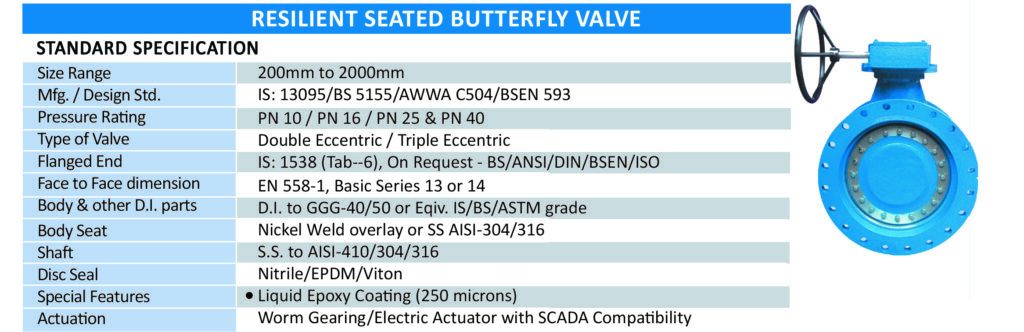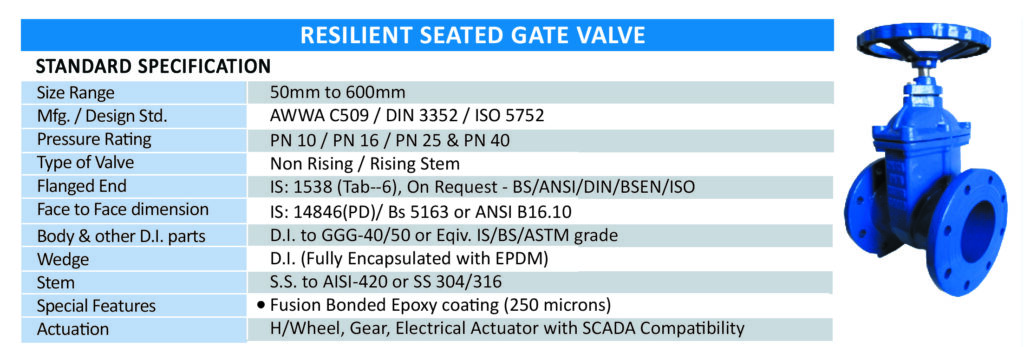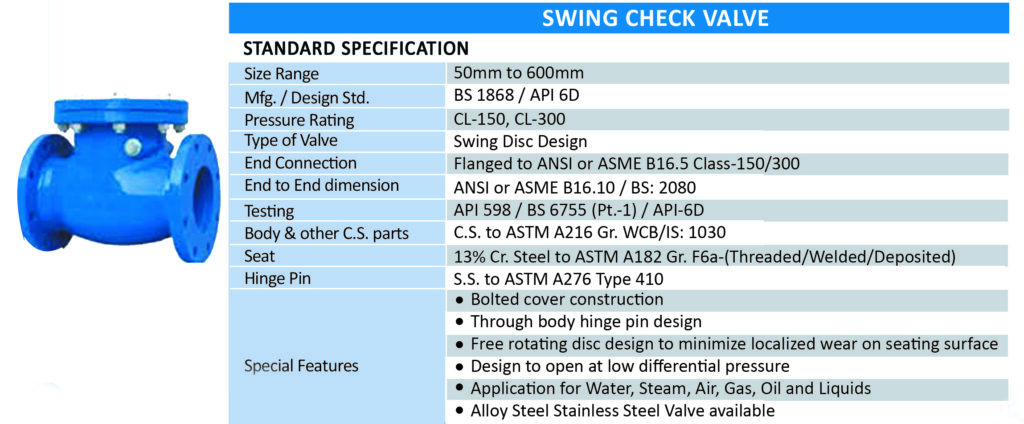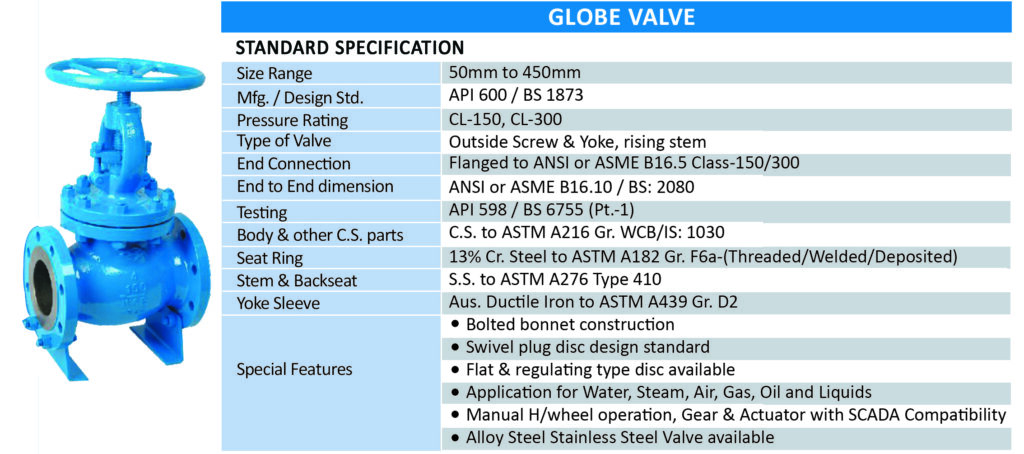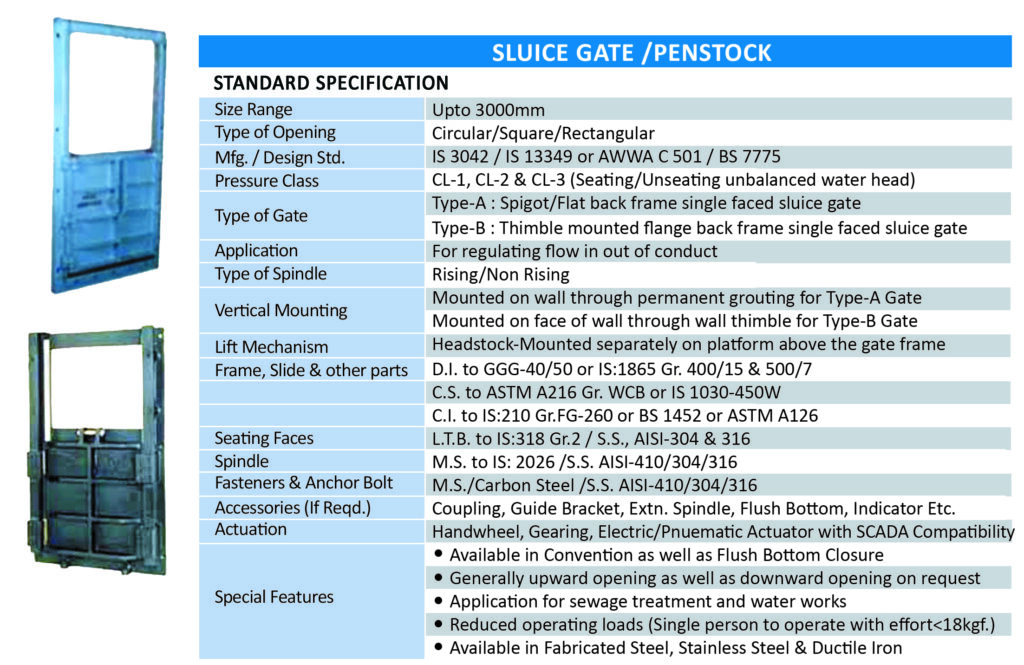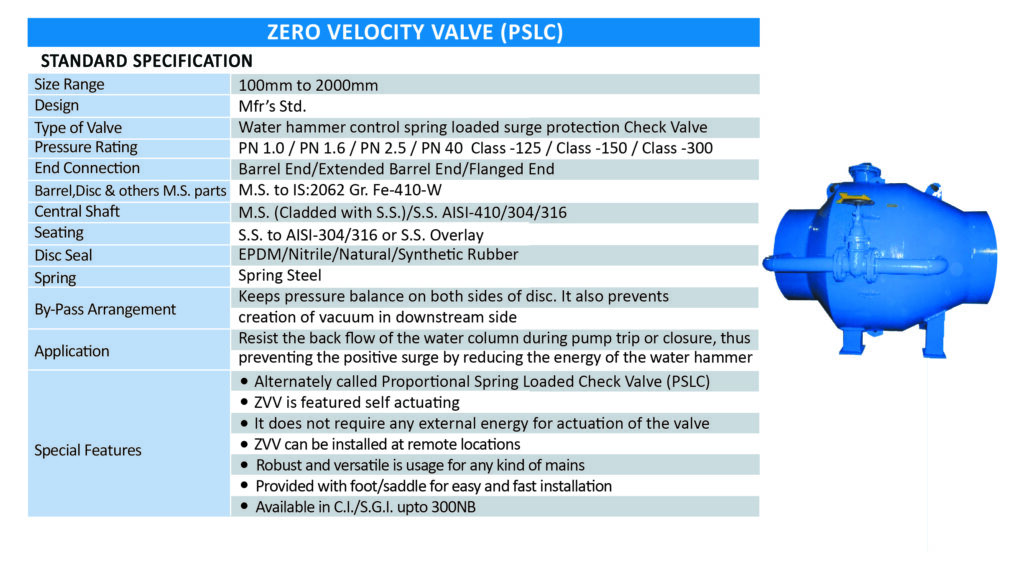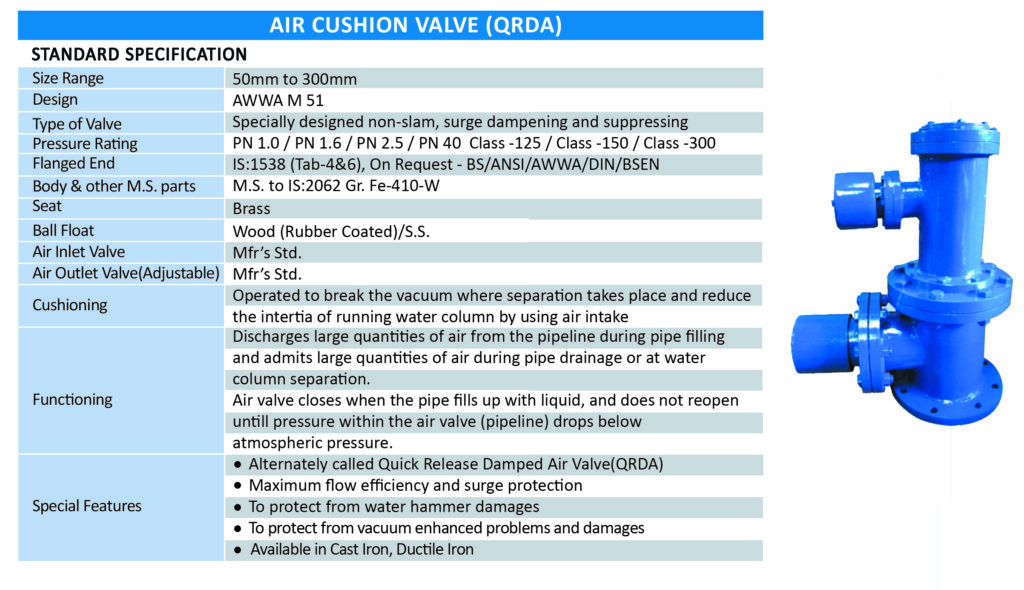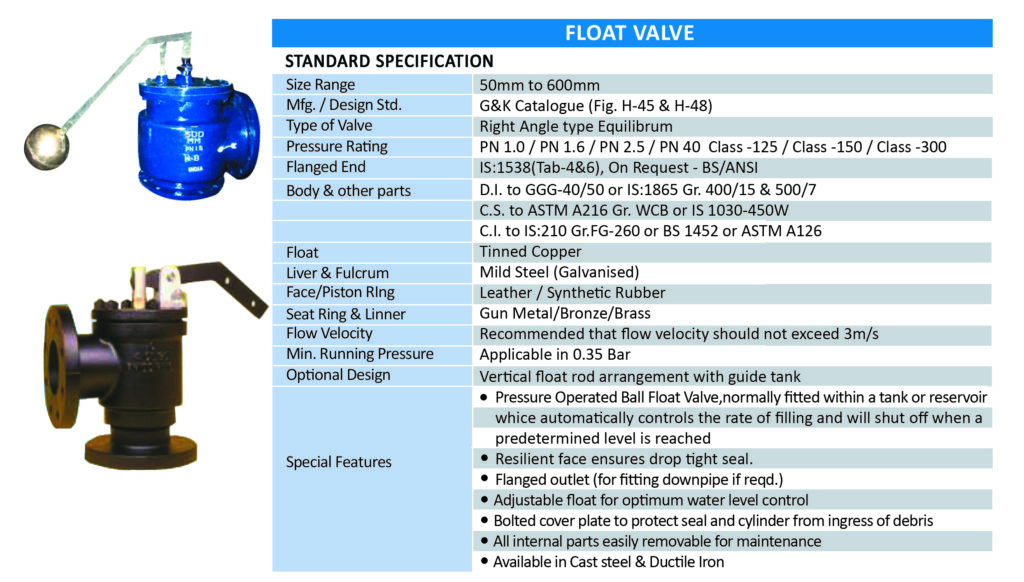
When your plant runs hot, under pressure, or with fluids that can hurt people if they leak, you don’t pick valves based on the lowest quote. You pick them because they’re built to standards that protect you. At Shree Krishna Industries, we know that an industrial valves company isn’t trusted because of its logo—it’s trusted because its certifications prove it follows rules that keep your operation safe.
Here’s what actually matters when you’re choosing industrial valves manufacturers, which certifications you should look for, and how we make sure every valve we send you meets what your project needs.
Why Certifications Matter to You
You’ve probably seen a vendor say “we’re certified.” But what does that mean for your plant?
Certifications aren’t just paperwork. They mean:
- Your valves were made in a system that checks quality at every step
- Materials match what’s specified (no cheap substitutions)
- Testing was done properly and documented
- The manufacturer can be traced if something goes wrong
When an industrial valves company ltd follows real standards, you reduce the risk of leaks, failures, and safety incidents. That’s peace of mind you can’t get from a price tag.
The Certifications That Actually Protect Your Plant
Not all certifications are equal. Some show basic quality. Some prove your valve will survive fire, high pressure, or hazardous fluids. Here’s what you should ask for:
Certification / Standard | What It Proves | When You Need It |
|---|---|---|
ISO 9001:2015 | Quality management system with documented processes | Every job—baseline for reliability |
API 6D | Pipeline and piping valves tested to strict performance standards | Oil & gas, pipelines, high-pressure service |
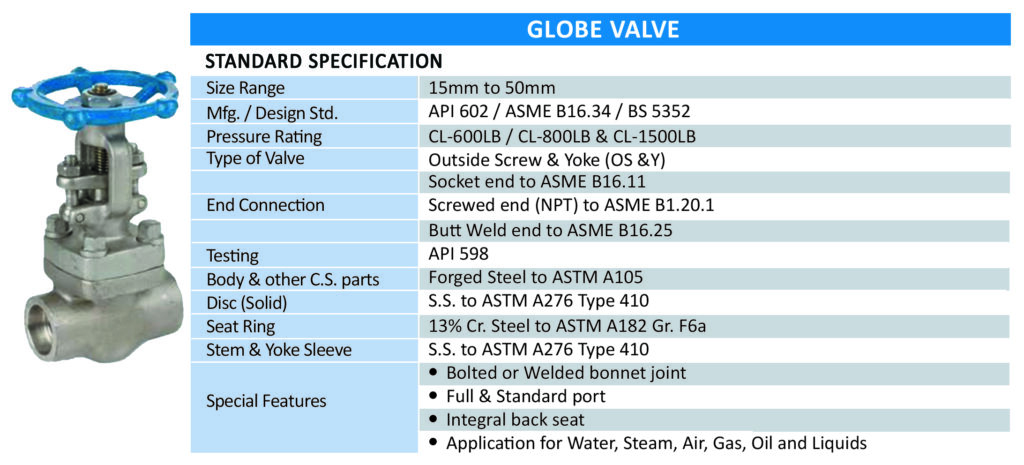
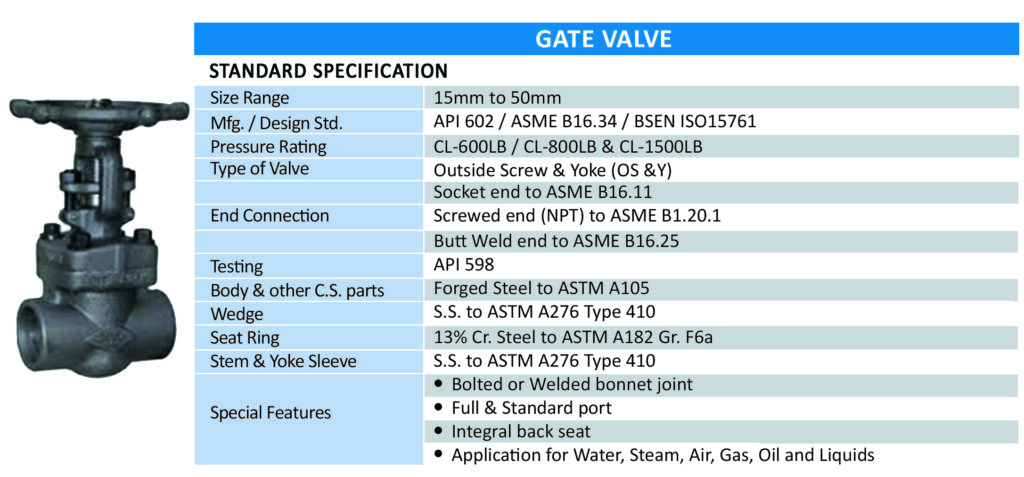
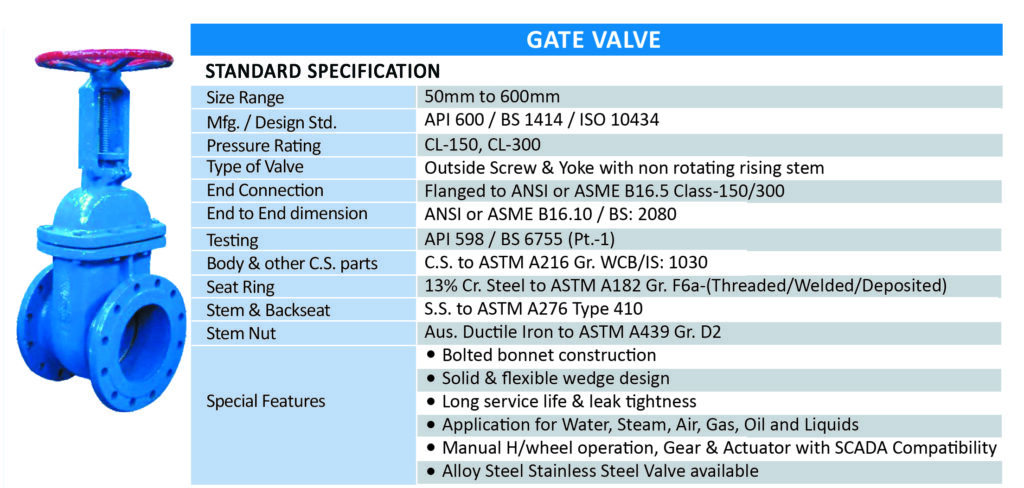
API 600 / API 602 | Steel gate valves for high temp and pressure | Steam systems, refineries, power plants |
API 607 / API 6FA | Fire-safe testing—valve holds seal after fire exposure | Hazardous fluids, refineries, petrochemical |
ASME B16.34 | Valve design for flanged, threaded, welding ends at pressure | General high-pressure industrial service |
ISO 15848-1 | Fugitive emissions control—valve doesn’t leak to atmosphere | Environmental compliance, hazardous gases |
API 624 | Fugitive emissions for valve stems and seals | Same as ISO 15848, often required together |
CE Marking / PED | Pressure Equipment Directive compliance for EU markets | Export to Europe, pressure systems |
NACE MR0175 | Material resistance to sour service (hydrogen sulfide) | Oil & gas with H₂S present |
When you ask an industrial valves manufacturer for these, you’re not just checking boxes. You’re making sure your valve won’t fail when conditions get tough.
Standards That Define How Your Valve Is Built
Certifications tell you the manufacturer is qualified. Standards tell you how the valve is designed and tested. These are the ones that show up in specs and procurement documents:
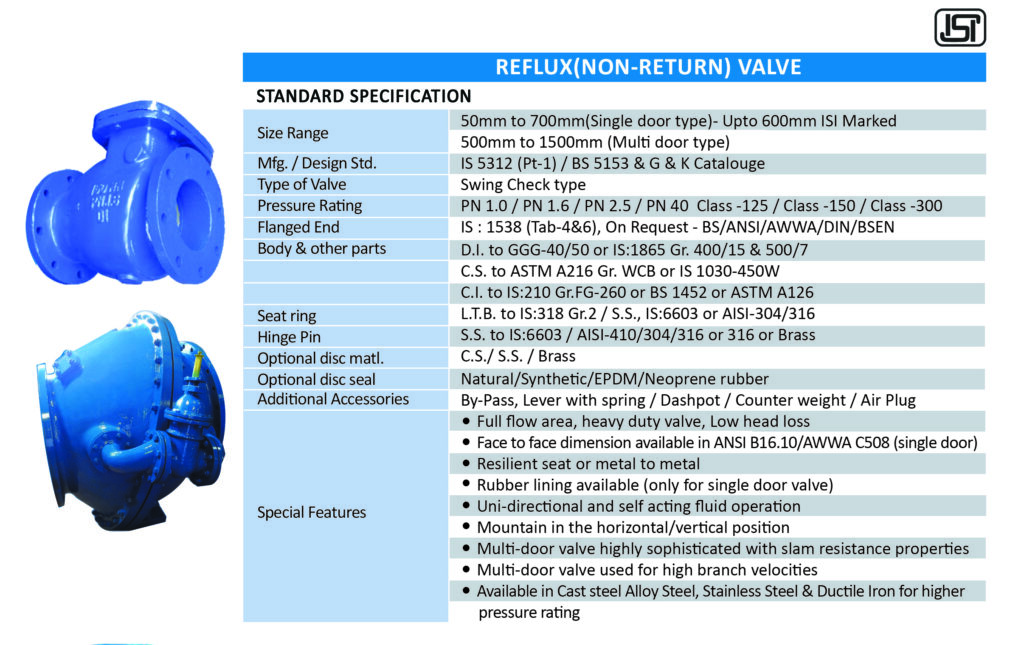
- ASME B16.34 – Defines pressure-temperature ratings for flanged, threaded, and welding-end valves
- API 6D – Specification for pipeline valves (ball, gate, check) with testing requirements
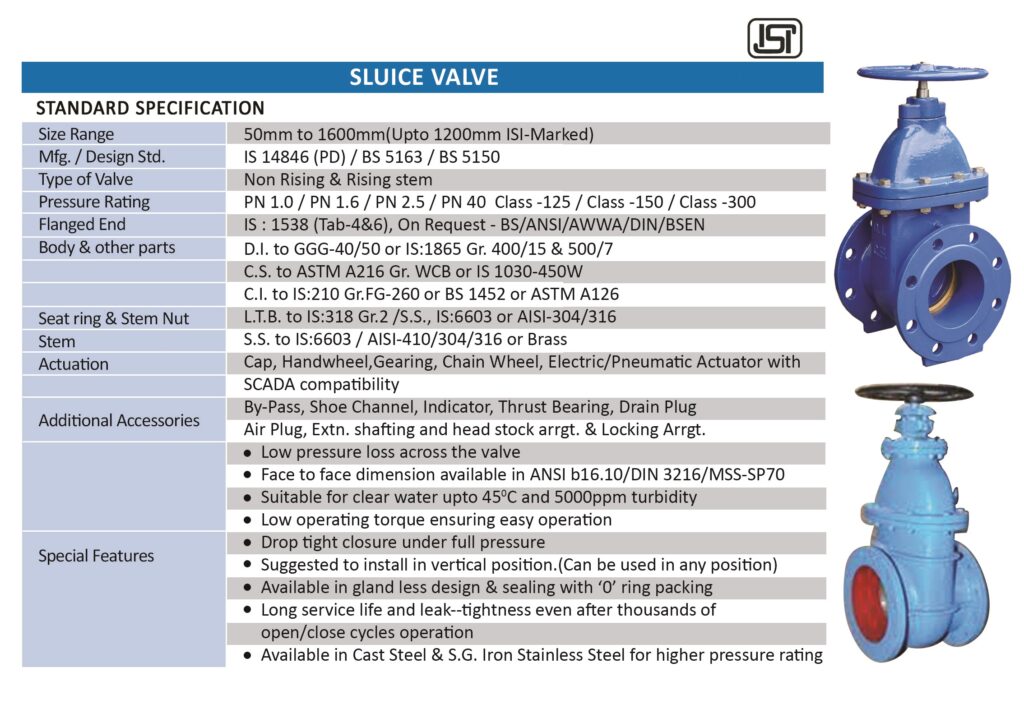
- API 600 – Steel gate valves, bolted bonnet, for high temp/pressure
- API 608 – Metal ball valves for petroleum and petrochemical
- MSS SP-72 – Ball valves for general service with flanged or butt-weld ends
- ISO 6002 – Bolted bonnet steel gate valves (international standard)
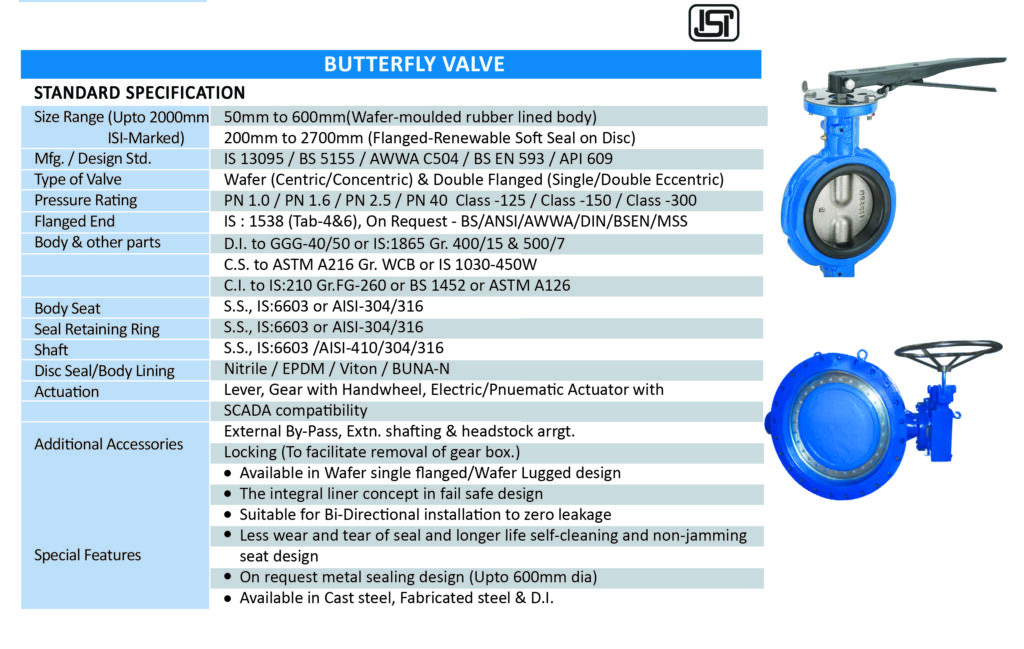
- EN 593 – Metallic butterfly valves for general purposes (European standard)
When your project calls for one of these, you want an industrial valves company that builds to it, not just says they can.
How Shree Krishna Industries Makes Sure Your Valves Meet the Right Standards
We don’t chase certifications for show. We follow them because your plant depends on them. Here’s how we make sure every valve meets what you need:
- Quality system in place. We operate under ISO 9001-style quality management with documented processes at every step.
- Material traceability. You get material certificates showing chemical and mechanical properties. No guesswork.
- Testing with records. Every valve gets pressure tested (shell, seat, high-pressure gas where needed). You see the report.
- Design compliance. We build to API, ASME, or EN standards based on your spec. Not the default. Your spec.
- Fire-safe options. For hazardous service, we offer fire-tested valves that hold seal after exposure.
- Fugitive emissions control. When the environment matters, we use stems and seals designed to meet ISO 15848 or API 624.
When you work with us, you’re not getting a vendor who says “it should work.” You’re getting an industrial valves company that shows you the data.
What to Ask Before You Order from an Industrial Valves Manufacturer
Don’t just compare prices. Ask the questions that protect your operation:
“Which certifications do you hold for this valve type?”
They should name the standard (API 6D, ASME B16.34, etc.) and show the certificate.
“Can you send material certificates and test reports?”
You want chemical analysis, mechanical test results, and pressure test data.
“Do you offer fire-safe testing for hazardous service?”
If your fluid is dangerous, you need API 607 or API 6FA certification.
“How do you handle fugitive emissions compliance?”
For environmental rules, ask about ISO 15848-1 or API 624.
“Can I trace this valve back to its casting and test?”
Traceability means if something goes wrong, you know exactly what happened.
When you talk to us, we answer these directly. We send certificates, test reports, and material data before the valve leaves our shop.
Your Next Step
You’re ready for valves built to standards that protect your plant, not just meet a minimum. Share your:
- Required standard (API, ASME, EN, ISO)
- Pressure class and temperature range
- Fluid type and any hazardous components
- Quantity and timeline
We’ll review it, confirm which certifications apply, and give you a clear quote with documentation included. At Shree Krishna Industries, we build valves that meet real standards because your safety and reliability matter more than a low price.
Contact us today to discuss your project. We’ll make sure your next order comes with the certifications and standards that matter for your operation.