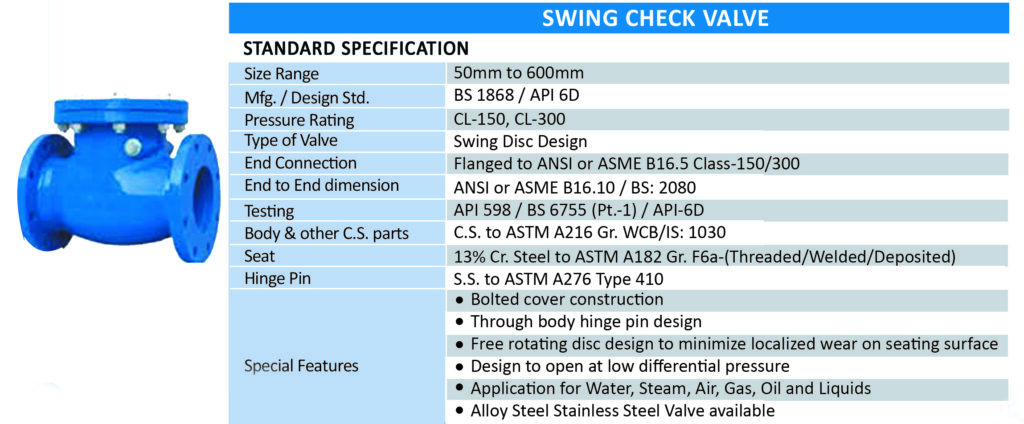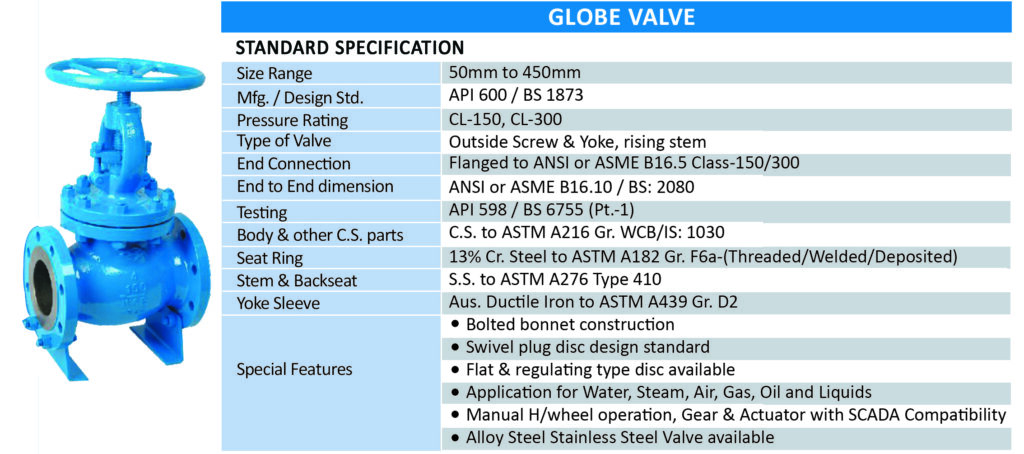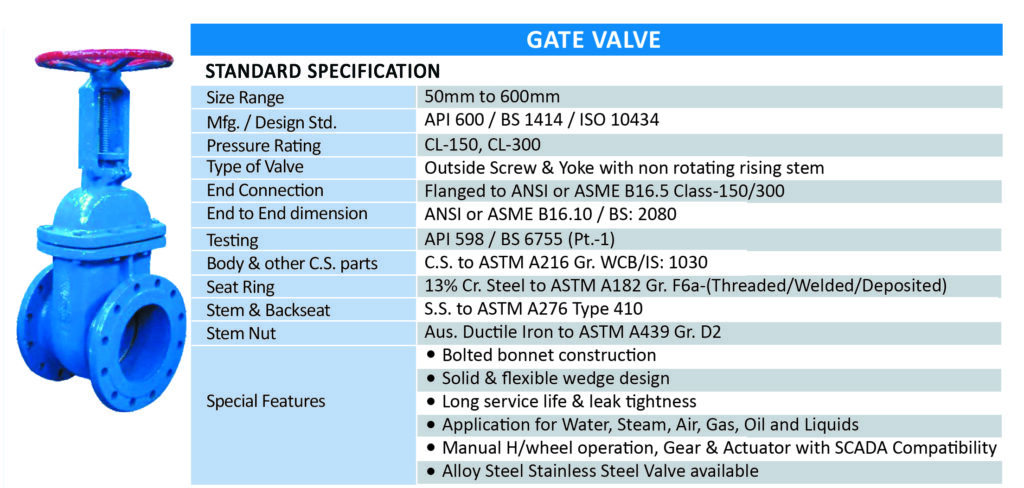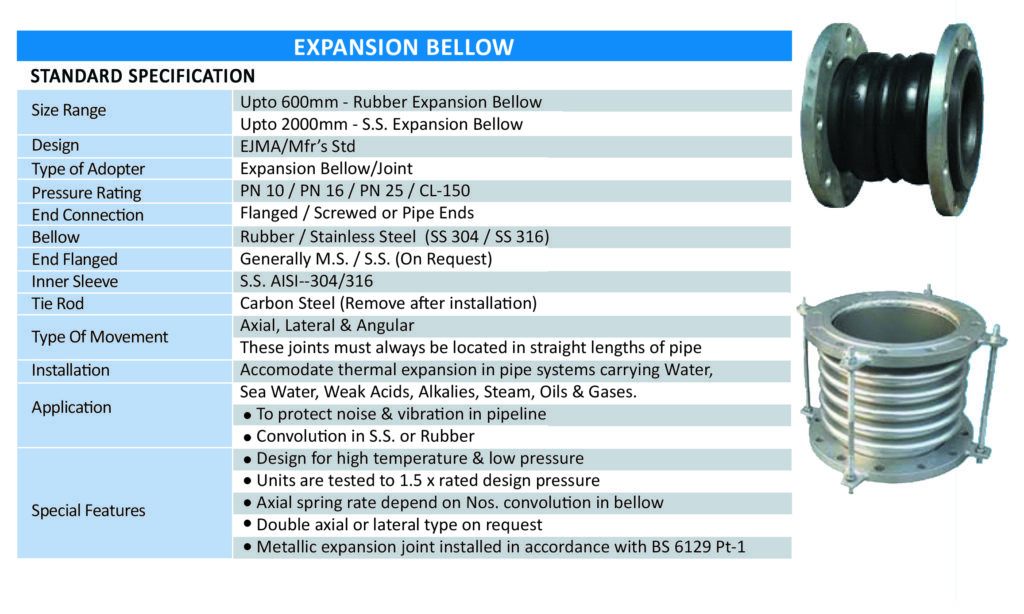
Shree Krishna Industries

Edit Template

Blog

Your blog category

Blog

The Complete Guide to Cast Steel Castings: Types, Uses & Advantages

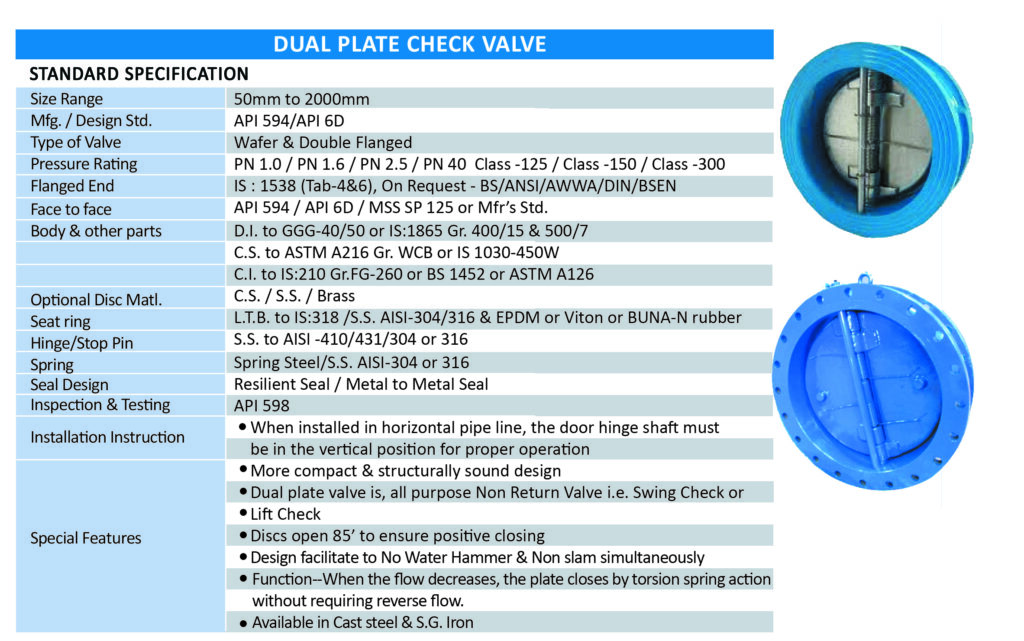
The Complete Guide to Cast Steel Castings: Types, Uses & Advantages When you work around castings long enough, you start noticing one thing: people don’t always understand what goes into choosing the right metal. Many folks pick something because it “sounds strong,” but most of the time, strength alone doesn’t solve a problem. So let me break things down the way we usually explain it at the shop when a client walks in and says, “I need something reliable, but not overpriced.” That’s usually when we talk about Cast Steel Castings. If you’ve been around this industry, you already know Cast Steel stands for carbon steel. It’s been one of the most dependable materials for decades. It’s not fancy, and it doesn’t need to be. It just works. When you pour molten carbon steel into a mould, cool it, and machine it right, you get a component that takes load, shock, pressure — whatever your equipment throws at it. At our company, we’ve seen Cast Steel go into valves, pumps, heavy machinery, and structural systems. Some of those parts run for years with barely any complaints. That’s the beauty of carbon steel: it behaves predictably. What Cast Steel Castings Really Are Forget complicated definitions. These castings are simply parts made by pouring molten carbon steel into a mould. The amount of carbon in the steel changes how tough, ductile, or hard it becomes. That’s pretty much the deciding factor behind where each grade is used. We deal with three broad categories: 1. Low-Carbon Steel Castings These are easy to shape and weld. You use them when you don’t need extreme hardness. Brackets, housings, linkages — that kind of stuff. If someone needs flexibility in fabrication later, this grade usually makes sense. 2. Medium-Carbon Steel Castings Now this is the middle ground. Stronger than low carbon but still workable. We see these in automotive parts, small machine components, and moderate-load structures. 3. High-Carbon Steel Castings If hardness is your main goal, this is where you look. These are used in wear-heavy parts — pins, wheels, and impact components. Welding them isn’t fun, though, so we usually recommend getting the dimensions right at the casting stage itself. That’s the honest breakdown, not the textbook version. Why Carbon Steel Castings Are Still Used Everywhere People often ask why, with all the fancy alloys in the market, carbon steel still dominates. The answer is simple: it’s tough, it’s dependable, and it doesn’t eat your entire budget. Strength That Holds Up Carbon steel can take a load and shock without giving up. Machinery folks like it because it doesn’t fail suddenly; it gives signs before things get worse. Cost That Makes Sense You could go with exotic metals, but most applications don’t need them. These Castings give you performance without unnecessary expense — and that matters when you’re producing thousands of components. Versatility Carbon steel handles machining well. If your design needs fine details or unusual shapes, casting in carbon steel usually works. How Cast Steel Castings Are Actually Made You’ll see a lot of diagrams online, but the real-life process has more noise, dust, and heat than those drawings suggest. Still, the main steps stay the same: Pattern We start with a replica of the final part. Moulding Sand mould, mostly. Sometimes, investment casting for tighter accuracy. Melting Carbon steel gets heated in the furnace. Pouring We pour it into moulds. Timing matters a lot here. Cooling This part decides how the grain structure behaves. Cleaning + Machining Removing runners and gates and doing the finishing touches. Good casting is not about machines alone. It’s about the people who know when metal “sounds right.” Anyone who works in a foundry knows exactly what I mean. Cast Steel Castings vs. Stainless Steel Castings — Choose Carefully Now, people often confuse Carbon Steel Castings with Stainless Steel Castings, assuming both can work interchangeably. They don’t. Here’s the straight answer: Choose Carbon Steel Castings when: You need load-bearing strength You want cost-efficient performance Corrosion isn’t a major threat You expect impact or vibration Choose Stainless Steel Castings when: You deal with water, moisture, or aggressive chemicals Hygiene matters (food, pharma, dairy plants) You need better temperature stability Your equipment must resist rust for years We manufacture both, and even then, nine out of ten times, we see customers pick the wrong one initially — mostly because stainless steel “sounds superior.” It isn’t superior; it’s just suited for different situations. Where Cast Steel Castings Are Used in Real Industry Work At Shree Krishna Industries, we’ve supplied Carbon Steel Castings for years, and the applications hardly change because the demand stays high: Valves and Fittings – Cast Steel handles internal pressure well. Pump Parts – Strong and predictable under load. Machine Housings – Heavy equipment relies on this. Automotive Components – Frame parts, support structures. Infrastructure Hardware – Anything needing toughness. If you’ve ever visited a plant or construction site, chances are you’ve seen Cast Steel components everywhere — you just didn’t know it. Why Many Clients Prefer Working With Us I’ll keep this honest. Customers usually stay with us because we don’t oversell. If carbon steel is enough, we say so. If they need stainless, we say that too. Over the years, we’ve built our work around a simple idea: give people exactly what their application demands. Some reasons businesses trust us: Consistent cast quality Accurate dimensions Experienced foundry team Wide range of Cast Steel and Stainless Steel Castings Reliable delivery schedules This is the kind of work you can’t fake. You earn it over the years. FAQs — Straight Answers 1. Are Cast Steel Castings suitable for outdoor use? Yes, as long as the environment isn’t too corrosive. If it’s exposed to seawater or chemicals, stainless steel is safer. 2. Will stainless steel last longer than carbon steel? In corrosive conditions, yes. Otherwise, both hold up well depending on the load and use. 3. Can Carbon Steel Castings be customised? Yes. At Shree Krishna Industries, most of our clients bring drawings, and we
Blog

Understanding Ductile Iron Castings: Strength, Flexibility & Applications

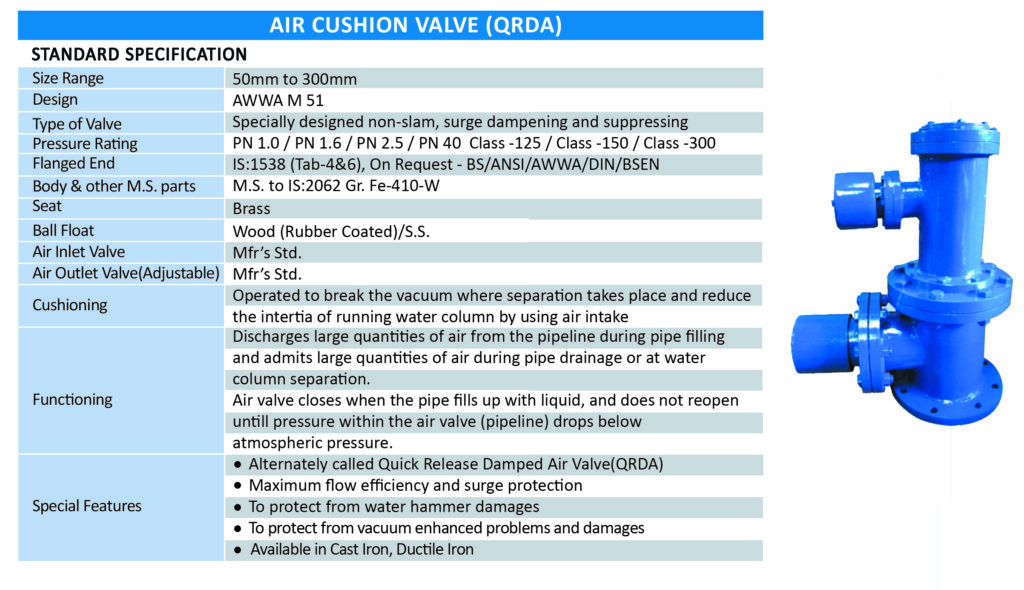
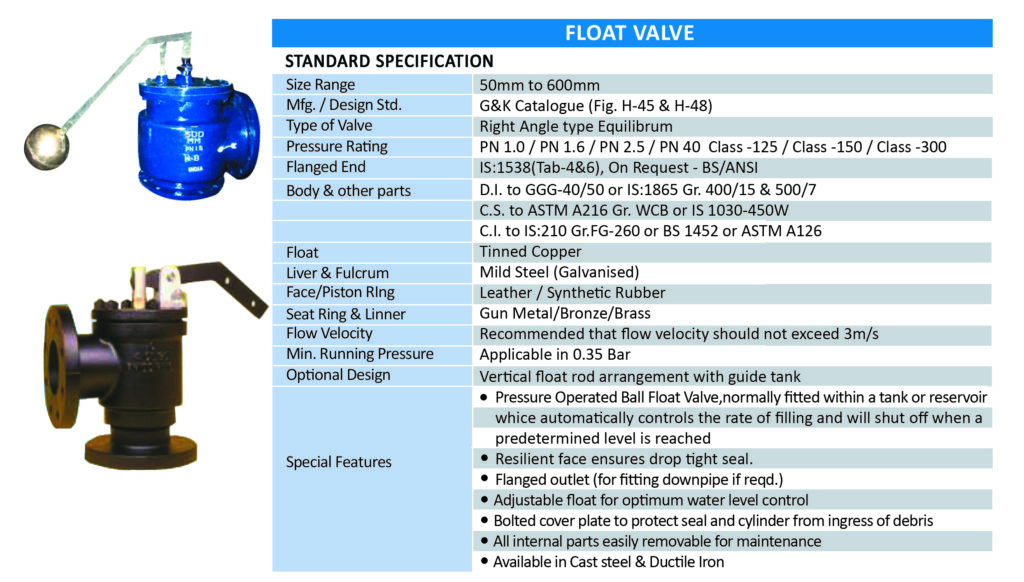
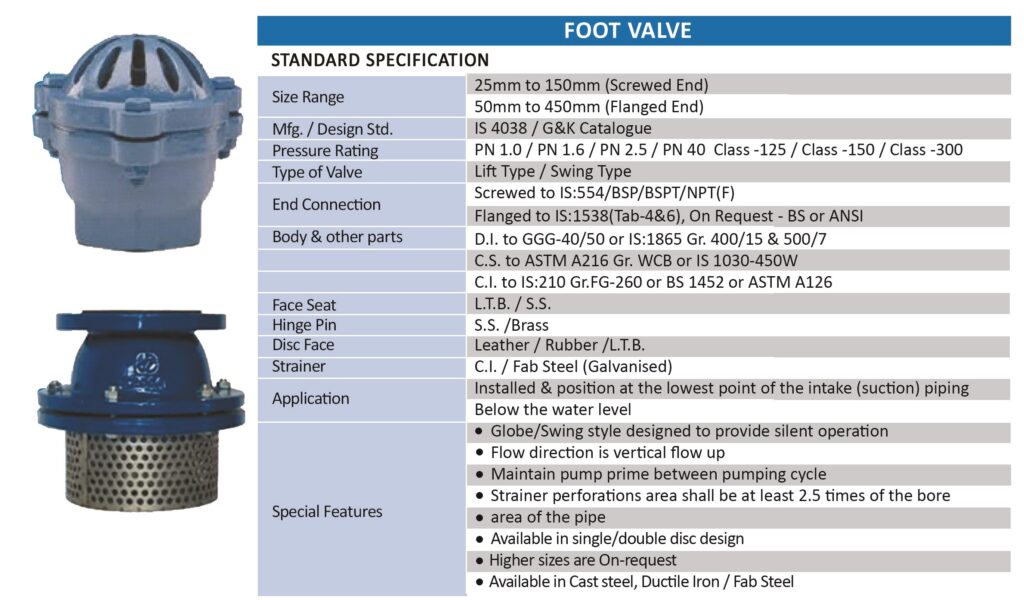
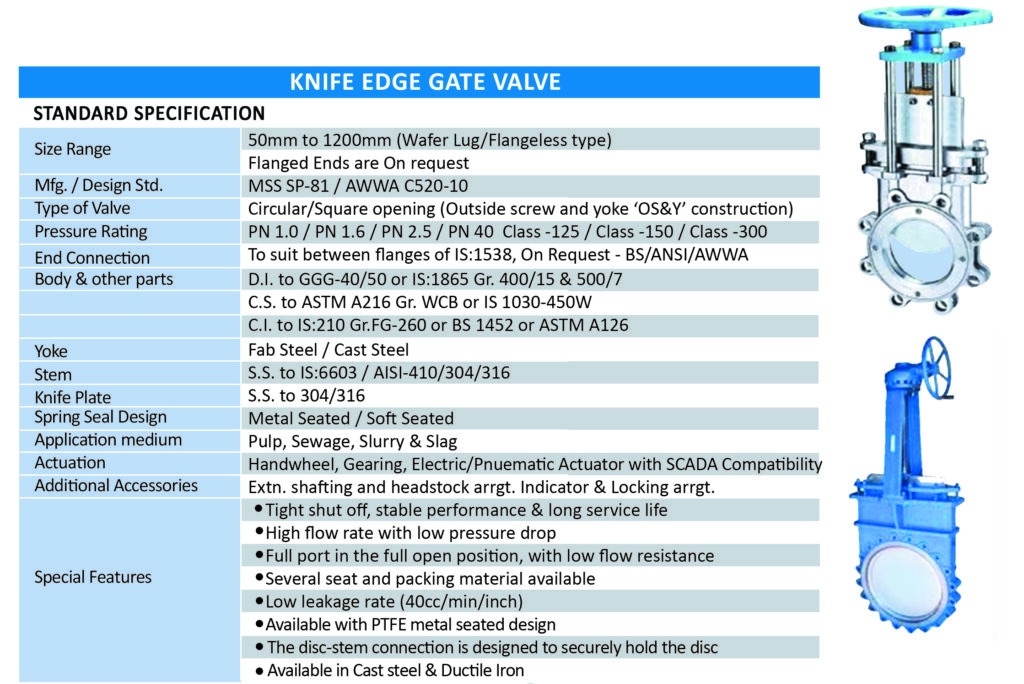
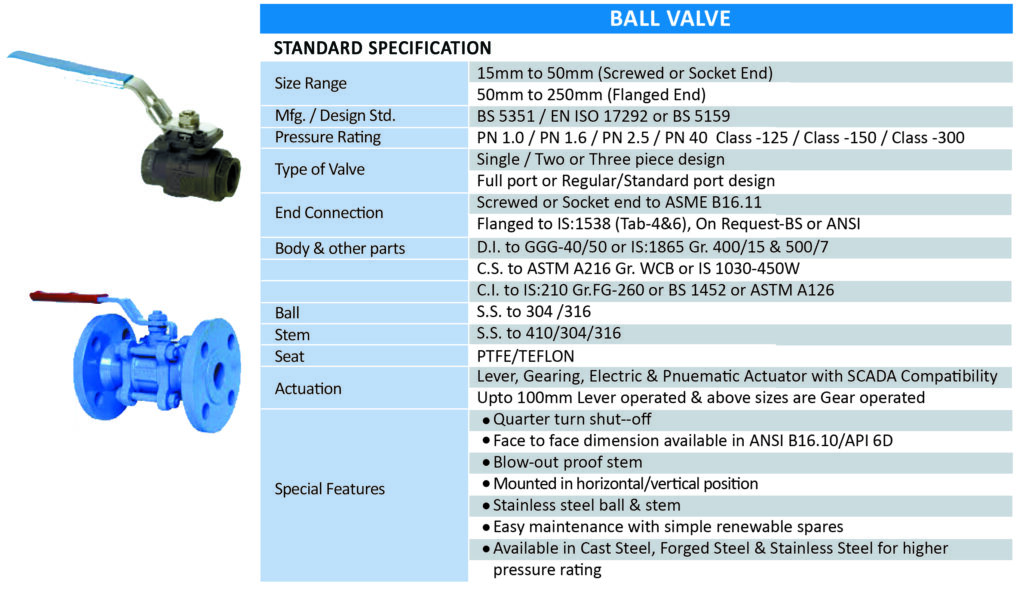
Understanding Ductile Iron Castings: Strength, Flexibility & Applications When you hear Ductile Iron Castings, you might think “just another metal part.” But there’s a lot more behind those letters — and as someone involved in manufacturing or engineering, you’ll quickly see why these castings are often the go-to solution when strength, reliability, and versatility matter. At our casting facility, we don’t just supply castings — we build confidence in what you install. You know your needs better than anyone. We respect that. What Are Ductile Iron Castings (and How Do They Differ) “DI” stands for Ductile Iron — a form of cast iron engineered to overcome many of the traditional limitations of conventional cast iron. Whereas conventional cast iron often suffers from brittleness (especially under tensile stress), ductile iron uses a microstructure that gives it both strength and ductility. In cast iron in general, carbon content is relatively high, which makes the material hard but often brittle. Ductile iron (DI) changes the internal structure (graphite nodules rather than flakes), which significantly improves properties such as tensile strength, impact resistance, and ability to deform without breaking. Because of that, ductile iron castings give you a “best of both worlds” — the robustness and durability of iron, but with a level of resilience and toughness that lets them handle stress, impact, and fatigue much more reliably than brittle cast iron. That’s why many foundries (including ours) choose ductile iron castings when they want heavy-duty parts that also must last and perform under challenging conditions. At Shree Krishna Industries’ foundry, we deal not only in these castings but also in castings made from cast iron, cast carbon steel, alloy steel, stainless steel, and non-ferrous materials. Cast Steel Castings & Cast Iron Steel Castings / Steel Castings — How They Fit In Sometimes, Ductile Iron may not be enough — especially when your component must endure dynamic loads, high pressure, or extreme conditions. That’s where cast steel or cast iron-steel castings come into play. How Steel Castings Take Shape When you look at cast steel castings, you’re really looking at components born from molten steel. We heat carbon or alloy steel until it flows like liquid fire, and then we pour it into moulds that shape your final part. You get strength from the very beginning because steel behaves differently from iron. Steel Castings Built for Heavy Work You already know how iron castings work, but steel takes things a step further. Steel castings give you more toughness, better shock resistance, and superior performance when your machines keep moving nonstop. When your application faces dynamic loads, steel simply handles the pressure with more confidence. Choosing the Right Steel Casting And we don’t stop at one type. Steel castings come in several families — carbon steel, alloy steel, and stainless-steel castings. Each one serves a different purpose. You choose based on chemical composition, strength expectations, corrosion requirements, or the kind of environment your part must survive. We help you navigate those choices so you never feel lost. Steel vs Cast Iron: The Winning Difference When you compare steel to regular cast iron, the difference becomes obvious. Steel gives you more ductility, higher tensile strength, and far better weldability. It holds up under wear, vibration, and fatigue. That’s why so many industries depend on steel when reliability cannot be compromised. Wide Range of Casting Options At our casting facility, we value choice because your needs aren’t the same each time. We work with DI (Ductile Iron), Cast Iron, Cast Carbon Steel, Alloy Steel, and Stainless Steel. This flexibility lets us build parts that match your real-world challenges — whether you want cost-effective durability or heavy-duty performance. Ductile Iron That Supports Your Workload Smoothly Now, when we talk about Ductile Iron Castings, we talk about materials that feel dependable in your hands. Let’s move to what you actually experience once these parts reach your site. These castings offer a powerful combination of strength and flexibility. They don’t just carry load — they absorb impact, handle vibration, and stay steady when mechanical stress keeps trying to push them over the edge.  That’s the beauty of Ductile Iron . It works with you, not against you. And when you install it, you feel the difference in real time. Why You (and We) Value Ductile Iron Castings — Strength, Flexibility & Reliability Strong but resilient: Ductile iron castings effectively reduce fatigue and absorb shock in addition to withstanding large loads. Because of this, they are especially appropriate for components that are frequently subjected to impact, vibration, or mechanical stress. Cost-effective alternative to steel (in many cases): While steel castings give premium performance, Ductile Iron  often gives enough strength and durability at a lower cost — which matters if you’re producing at scale or managing budgets. Great for complex shapes and heavy-duty parts: Casting methods allow the manufacturing of parts with complex geometries — shapes that would be difficult or expensive to machine from solid steel. That’s why castings remain popular for parts like housings, valve bodies, heavy-duty supports, frames, components for machinery and industrial equipment. Versatility across industries:  From industrial valves and pipe fittings (exactly what our casting facility produces) to heavy machinery, infrastructure components, rail and construction equipment — Ductile Iron and steel castings serve many sectors. Because of these traits, ductile iron castings often strike the sweet spot when you want reliability without overshooting cost — delivering performance that’s “strong enough” for most heavy-duty applications but still economically sensible. Where Ductile Iron Castings and Steel Castings Make a Real Impact (Use Cases & Applications) When you think of industrial parts that really matter — where failure is not an option — castings are often behind them. Here are some of the typical areas where Ductile Iron and cast steel castings shine: Valves, fittings, pipe components and mechanical spares: Just as our manufacturing facilities supply these parts frequently rely on Ductile Iron or steel castings for reliability under pressure, wear, and frequent use. Heavy machinery, industrial equipment, and structural components: Frames, supports, housings, machine
Blog

What Are Cast Iron Castings? Applications, Types & Benefits Explained

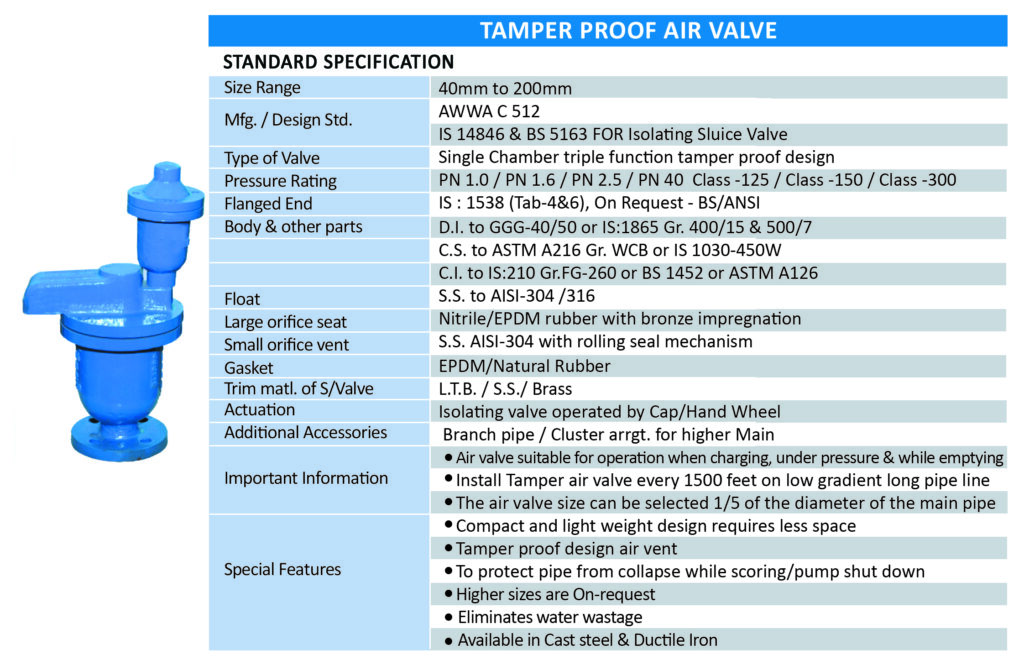
What Are Cast Iron Castings? Applications, Types & Benefits Explained If you’ve ever handled a machine part, a valve body, or even a simple fitting, you’ve already held a story shaped by molten metal. And when you dig a little deeper, you’ll notice that Cast Iron Castings quietly support most industries around us. Today, let’s walk through this topic together — not as a lecture, but as a simple conversation where you and I figure things out step by step. Across our sector, we work with people who care about precision. People like you — who want components that don’t quit, don’t crack, and don’t surprise you at the wrong time. So let’s explore this topic from your perspective. So, What Are Cast Iron Castings Really? Cast Iron Castings are cast iron components formed by melting the metal and pouring it into a mould. That’s the simple version. The real magic happens when the metal cools inside that mould. It takes shape, gains strength, and turns into something your system depends on every day. Cast iron behaves differently from steel. It flows well. It forms complex shapes easily. And it gives you durability without forcing you to stretch your budget. That’s why many industries still trust it — not out of habit, but because it works. Your Material Choices: Cast Iron, Cast Steel, or Stainless Steel When you think about castings, you’re really choosing materials that match your application. Let’s keep this simple. Cast Iron Castings If you need stability, long life, and value for money, you choose cast iron. It handles pressure, weight, and slow movement beautifully. Cast Iron steel Castings / Cast Steel Castings This option suits you when your equipment faces impact, vibration, or sudden loads. Cast iron steel castings are tougher and more resilient. Stainless Steel Castings Go for this when you’re dealing with moisture, chemicals, heat, or corrosion. If your environment is harsh, stainless steel protects your investment. At Shree Krishna Industries, we offer all three because every project — including yours — carries its own challenges. Where You’ll See Cast Iron Castings in Real Life You’d be surprised how many places rely on cast iron components. Here are a few that might sound familiar: The valve body that controls flow in your pipeline Pump housings that run day after day without drama Gear boxes, machine frames, and heavy housings Construction hardware like manhole lids, flanges, and fittings Anywhere you need strength without unnecessary cost, cast iron castings find their place. And when conditions get tougher, we guide you toward steel or stainless steel alternatives. Because your equipment deserves the right material, not the convenient one Why Cast Iron Castings Work So Well for So Many People There’s a reason cast iron still holds its ground even with modern alloys crowding the market. You get: Reliable performance under static or slow-moving loads Excellent wear resistance for long-term setups Lower cost compared with many other alloys High castability, meaning complex shapes are possible Dimensional stability, which keeps your system safe These advantages matter when your job depends on consistency, not complexity. How We Create Cast Iron Castings at Our Manufacturing Space We want your parts to speak for themselves, so we invested in everything under one roof. A full-scale foundry that handles Cast Iron, steel, and stainless steel A pattern shop where your ideas turn into workable moulds Coating, fabrication, and finishing areas that prepare your parts for the field A machining unit that shapes raw castings into precise components A quality lab that inspects every phase Our certifications — ISO 9001, 14001, 45001, and BIS approvals — reinforce our promise. But what really matters is this: We don’t send anything out unless we’d use it ourselves. Why Working With Us Makes Your Process Smoother When you trust a casting supplier, you’re really trusting them with your entire project timeline. That’s why we focus on ease, transparency, and precision. You get: A complete casting ecosystem Material choices based on your environment Custom patterns tailored to your drawings Accurate machining for ready-to-fit components Consistent delivery timelines A team that listens before it suggests We want your project to feel supported — not just supplied. Cast Iron Castings vs Stainless Steel Castings — How You Decide Sometimes you might stand between two options. Here’s a simple guide:   Your Requirement Choose Cast Iron Casting Choose Stainless Steel Casting You need a long life at a reasonable price Yes   Your environment stays dry and stable Yes   You want corrosion resistance   Yes You work with chemicals or water exposure   Yes You need toughness and vibration resistance Moderate High If you’re unsure, just share your application, and we’ll guide you. Conclusion Cast Iron Castings remain a backbone of the industry. Whether you are building pipelines, pumping systems, valves, infrastructure supports, or heavy machinery, you will often find cast iron castings doing reliable duty. But as demands rise — for strength, durability, and corrosion resistance — cast carbon steel or stainless steel castings become vital. At Shree Krishna Industries, we understand this spectrum of needs. We believe in giving you a choice: right material, right process, right finishing. When you choose us, you don’t compromise. You get quality, customisation, compliance, delivery — and peace of mind. So next time you plan a project — small or large — think about what your components need. Then connect with us. Let’s build something strong together. FAQs 1. Will cast-iron items work well under pressure? They handle steady pressure well. For aggressive or corrosive conditions, stainless steel is safer. 2. Do Cast Iron Castings rust easily? They can rust, yes. But coatings and proper finishing significantly reduce this. 3. Can I get custom shapes? Absolutely. Our pattern shop builds moulds exactly as your design requires. 4. How long does cast iron last? Years — sometimes decades — when used in the right environment. 5. How do I know which material to pick? Tell us about your load, environment, and function. We’ll

Blog

Manufacturing Process of Cast Iron Castings: Step-by-Step Guide

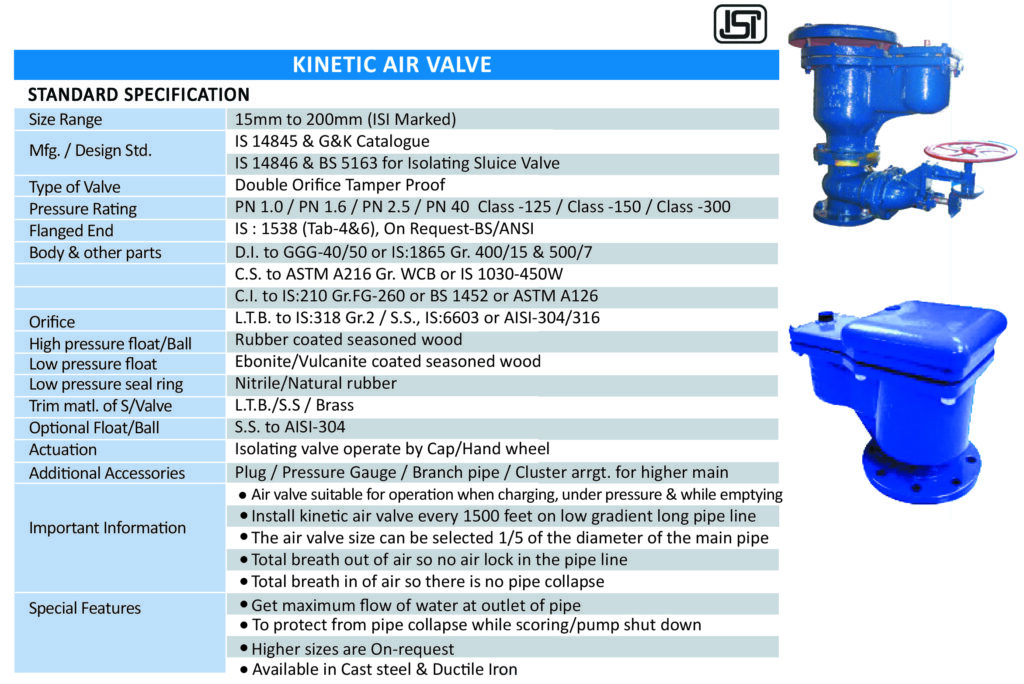
Manufacturing Process of Cast Iron Castings: A Step-by-Step Guide When you look at any strong industrial product, you rarely think about the metal journey behind it. But if you work with machines every day, you know one thing clearly — good castings keep everything running, and poor castings can stop your entire workflow. That’s why, when you choose Cast Iron Castings, Cast Steel Castings, or Stainless Steel Castings, the process matters as much as the final product. At our manufacturing facility, we try to build something more than just components. Indeed, we try to build trust. We try to build consistency. We try to give you metal parts that feel reliable, predictable, and ready for real-life stress. And the entire journey begins long before the metal takes shape. Let’s walk through the full process together, step by step, so you know exactly how your casting comes alive. Step 1: Creating Patterns: The Initial Form of Your Idea Your idea is the starting point for every casting. We take your drawing, sketch, or requirement and convert it into a pattern, which becomes the very first shape of your future part. Nothing here is guesswork. Depending on the number of parts you need and the precision of your dimensions, we choose the pattern material. We select the material that best fits your project because wood, metal, and polymer all behave differently during moulding. Understanding you is the goal of this stage. Your needs, your tolerance limits, your performance expectations. Once we get that right, the rest follows smoothly. Step 2: Mould Preparation: Creating the Area Your Metal Will Fill In essence, the mould is your part’s “negative copy”. When the pattern is ready, we accurately create a hollow cavity by embedding it in sand or a similar material. Here, we add gates, risers, and channels, which serve as pathways for molten metal. If your part needs hollow areas, we build cores that sit inside the mould. This is detailed work, and it decides how clean, accurate, and uniform your final casting will be. Good moulds produce good parts. There is no shortcut around this. Step 3: Melting the Metal – Heat, Precision, and Complete Control Now, the true transformation begins. Whether we’re working with cast iron, carbon steel, or stainless steel, we melt the raw material in heavy-duty furnaces until it flows like water. For Cast Iron Castings, we adjust the composition to give you strength, machinability, and durability. We develop alloys that withstand high stress in cast steel components. We guarantee that the corrosion resistance of stainless steel components is preserved. This step is where your casting takes on personality, even if you might not notice it. We continually check the temperature since a few degrees too high or too low might impact everything. Step 4: Pouring – Guiding Liquid Metal to Take Shape Pouring looks simple from a distance, but it demands absolute control. We tilt the ladle gently. We regulate the flow like we’re filling something delicate. You want a smooth, steady stream that reaches every edge of the mould without trapping air or creating turbulence. This is the most dramatic moment of the entire process. Molten metal enters the mould and slowly replaces the empty space with potential. And once the mould fills, nature takes over. Step 5: Cooling and Solidifying – Time Shapes Strength Metal cannot be rushed. It cools, it shrinks, and it settles at its own pace. During this time, we monitor the mould because uneven cooling can cause cracks, strain, or weakness. Cooling is the silent stage, but not the passive one. It plays a huge role in how strong your casting becomes. A well-cooled casting lasts longer, performs better, and handles pressure gracefully. Step 6: Shakeout, Cleaning, and Fettling – Revealing the Raw Casting Once the metal is fully solid, we break the mould open. You see your first glimpse of the casting — rough around the edges, covered in sand, and attached to runners and risers. We clean it, remove sand, grind off unwanted metal, and smooth out areas that need finishing. It’s almost like sculpting stone — eliminating everything that doesn’t belong until the shape becomes clear. Step 7: Machining and Finishing – Precision Meets Purpose This is where your casting becomes the part you actually use. We machine it to match your drawings exactly. Holes, threads, contours, dimensions — everything is refined here. For stainless steel alloy castings, we may polish or surface treat. For cast steel castings, heat treatment may follow to increase strength. Or for Cast Iron Castings, machining smooths the structure for a better fit and performance. Every pass of the tool brings your requirement closer to reality. Step 8: Inspection and Quality Check – Because You Deserve Reliability We verify everything before delivery. All aspects, including dimensions, density, hardness, and finish, are checked thoroughly. We follow strict quality standards because you prefer consistency over surprises. When a casting passes our checks, you receive a product we’re proud of. Choosing Between Cast Iron , Cast Steel, and Stainless Steel – What Should You Pick? You might still wonder what material fits your job. Here’s a simple way to decide: Cast Iron Castings Best for you if you need vibration resistance, cost efficiency, and durability for valves, pumps, or machine parts. Cast Steel Castings Choose this if you want strength, impact resistance, and performance under heavy loads. Stainless Steel Castings Perfect when corrosion, chemicals, or moisture are major concerns. At Shree Krishna Industries, we help you choose the right one by understanding your real-world application — not just the drawing. Why People Trust Shree Krishna Industries You want more than a manufacturer. You want a partner who understands responsibility.With us, you get: A full in-house facility: pattern shop, foundry, machining, finishing. Control over materials —Cast Iron , steel, stainless, alloys. ISO-certified processes. Transparent communication. Delivery timelines you can depend on. When you work with us, your casting doesn’t just get made… It gets cared for. Conclusion Casting

Scroll to Top