Shree Krishna Industries

Edit Template

Blog

Your blog category

Ductile Iron Castings
Blog

What Makes Ductile Iron Castings Ideal for Industrial Use?

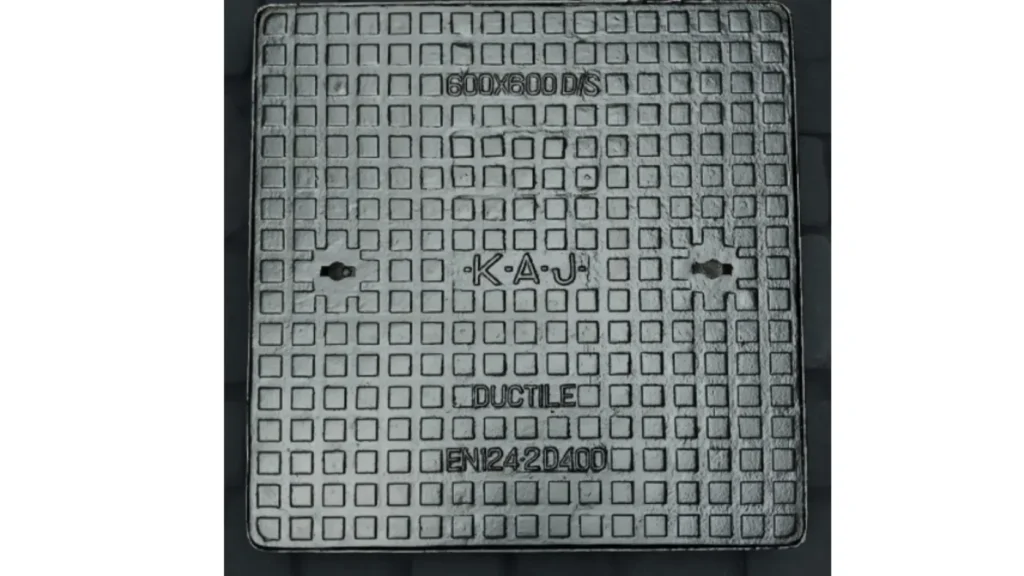
If you work with heavy machinery, industrial equipment, or engineering systems, you already know how important the right components are for your machines and your business. One weak part can slow down your entire operation. A cracked casting can stop production, delay deliveries, and create unexpected repair costs. That is why many industries turn to ductile iron castings when strength and reliability truly matter. At Shree Krishna Industries, we often talk with manufacturers and engineers who are facing these exact challenges. Maybe your parts are wearing out too quickly. Perhaps you have dealt with brittle cast iron that fails under pressure. Or maybe you are designing a new product and want materials that will perform for years. In many cases, ductile iron becomes the solution. Let’s explore why this material continues to be trusted by industries around the world. Understanding What Ductile Iron Really Is Before choosing any casting material, you want to know how it behaves in real conditions. Ductile iron is a type of cast iron where graphite flakes are formed into small round shapes in our ductile iron foundry. This structural change may sound technical to you. However, it plays a vital role in making a big difference in performance for your industry and business. Due to this structure, ductile iron becomes much stronger and much less brittle than traditional cast iron. As a result, it is in high demand in many industries. This is actually a boon for your business. This means that the material can absorb stress without cracking immediately, and keep your business running. In fact, this great combination of strength and flexibility makes these castings highly suitable for industrial use. Strength That Supports Demanding Machinery Think about the machines you rely on every day. Gear housings carry rotational loads. Machine frames support large assemblies. Pump bodies manage pressure and fluid movement. All these components must handle stress without deforming. Ductile iron offers high tensile strength, which allows parts to support heavy loads over long periods. Because of this property, many ductile iron manufacturers supply castings for automotive systems, construction equipment, and industrial machinery. When you install ductile iron components, you gain confidence that the material can handle demanding working conditions. Resistance to Shock and Impact Industrial environments are rarely gentle. Equipment faces constant vibration, sudden force, and repeated movement. Materials that cannot absorb these impacts often fail unexpectedly. This is where ductile iron castings show their real value. The nodular graphite structure allows the material to absorb energy instead of breaking instantly. Instead of sudden fractures, the material distributes stress more evenly across the component. Industries such as mining, construction equipment manufacturing, and heavy engineering depend on this impact resistance. If your machinery works under vibration or shock loads, ductile iron provides the stability you can rely on. Flexibility That Prevents Brittle Failure Traditional cast iron is strong but often brittle. Once stress reaches a certain level, cracks appear quickly. Ductile iron behaves differently. It can bend slightly before breaking, which gives engineers time to manage stress points within the design. This flexibility greatly reduces the chances of sudden structural failure. For you, this means fewer unexpected breakdowns and safer machine performance. This is one reason why companies choose experienced ductile iron manufacturers instead of relying on standard iron castings. Durability That Reduces Maintenance Machines operate continuously in many industries. Friction, pressure, dust, and heavy loads gradually wear down weaker materials. Over time, this wear forces frequent maintenance and part replacements. Ductile iron castings offer strong resistance to wear and abrasion. Components retain their shape and strength even after extended use. For your business, this means longer service life and lower maintenance costs. When parts last longer, your production schedule becomes more stable. That reliability is extremely valuable in industrial environments where downtime is expensive. Cost-Effective for Large-Scale Production While performance matters, cost also plays a role in material selection. Some high-strength alloys can be expensive to produce and machine. Ductile iron provides an excellent balance between mechanical strength and manufacturing cost. Many ductile iron manufacturers recommend it for large production runs because it offers reliable performance without dramatically increasing manufacturing expenses. Additionally, ductile iron can be machined efficiently, which helps control overall production costs. For companies producing thousands of components, this balance makes a noticeable difference. Versatility Across Multiple Industries One of the reasons ductile iron castings remain popular is their adaptability. The material performs well in many types of industrial systems. Different sectors use ductile iron for different purposes, but the reliability remains consistent. You will commonly see ductile iron used in: Automotive components Agricultural machinery Water pipeline infrastructure Industrial pumps and valves Construction equipment Power generation systems This wide range of applications demonstrates how versatile ductile iron truly is. A well-equipped ductile iron manufacturer can produce complex shapes that match the specific needs of each industry. The Importance of a Reliable Manufacturer Even the best material needs proper manufacturing processes to reach its full potential. Experienced ductile iron manufacturers carefully control the casting process from start to finish. This includes monitoring alloy composition, maintaining proper melting temperatures, and performing thorough quality inspections. A responsible ductile foundry ensures each casting meets required mechanical and dimensional standards. When you work with the right manufacturing partner, you gain confidence that every component will perform as expected. Helping Your Equipment Work Harder Every industrial operation aims for efficiency. Machines must run smoothly. Components should last longer. Unexpected failures must be minimised. Ductile iron castings help achieve these goals. They provide strength for heavy loads, flexibility under stress, and durability against wear. These qualities help your machinery operate reliably for extended periods. When materials perform well, your operations become more predictable and easier to manage. Why Ductile Iron Continues to Be Trusted Throughout modern industries, engineers and manufacturers continue to rely on ductile iron for critical components. In fact, this strong material can provide strength to the demands of the industry in a great way. It can provide great ductility that traditional cast iron

Cast Iron Castings
Blog

Why Are Cast Iron Castings Suitable for Complex Shapes?

When you design a machine component, you don’t always get the luxury of simple shapes. Sometimes the part needs curves. Sometimes it needs internal cavities. And sometimes it requires thin sections on one side and thicker support on the other. And that’s where Cast Iron Castings truly stand out. At Shree Krishna Industries, we often work with clients who bring challenging designs, detailed housings, intricate frames, and structured bases, and they ask one simple question: “Can this be manufactured without compromising strength?” The answer, in many cases, is yes. And cast iron is one of the reasons why. Cast Iron Flows Into Detail Naturally One of the biggest advantages of cast iron is its excellent fluidity in molten form. When poured correctly inside a mould, it fills complex cavities and fine design sections with impressive accuracy. That means your intricate patterns, internal channels, ribs, and supports can be formed in a single casting. It is not necessary to fuse several components. Separate parts do not need to be assembled. You receive one strong, cohesive framework. A professional cast iron foundry understands how to control pouring temperature and mould design, so your complex shapes form properly without defects. Strength Without Losing Shape Integrity Complex designs are often needed for mechanical efficiency. You might need curved surfaces for stress distribution or ribbed sections for reinforcement. Or, you might need hollow interiors to reduce weight. Cast iron maintains dimensional stability even in detailed forms. Once solidified and cooled correctly, it holds its shape reliably. As an experienced cast iron manufacturer, we focus on ensuring that your design intent remains intact from mould to final inspection. Because a complex design only works if it remains accurate. Cost-Effective Production of Intricate Parts If you try to make a highly complex part from a solid block of metal, it is natural that material waste will increase. This results in increased production time increasing costs. With cast iron casting, our craftsmen create complex geometries directly in the mould. This reduces machining effort and plays an effective role in saving material. For you, that results in increased cost effectiveness, particularly for medium- to large-scale production. Reputable cast iron suppliers are aware of how production efficiency impacts your costs, schedules, and profits. Reduced Assembly, Improved Durability When complex shapes are cast as a single piece, you eliminate multiple joints. Fewer joints mean fewer weak points. Fewer welds mean fewer stress concentrations. Your equipment becomes structurally stronger. This is particularly important in industries like automotive, agriculture, construction, and heavy machinery, where vibration and load are constant. At Shree Krishna Industries, we design casting solutions that reduce unnecessary assembly while improving mechanical integrity. Easy to machine. Perfect for fitting In fact, the job is not done when your casting comes out of the mould. There is more to it than that, and you already know that. Even the most detailed shapes often need final finishing, and our craftsmen have to fix them with skilled hands of our craftsmen. This includes small adjustments, tight tolerances, and smooth surfaces where parts need to align perfectly. This is where cast iron really comes in handy. Compared to many other metals, cast iron is easy to machine and lasts a long time. Once our craftsmen have your complex structure in place, the rest of the work becomes easy. For example, it can then be shaped, drilled or finished with high precision very easily. You don’t have to worry about additional tool wear if your material is good. As a result, you get a smooth path from raw casting to final precision. This balance between easy casting and easy machining is a big reason why cast iron continues to serve so many industries. You’re not forced to choose between creative design and dimensional accuracy. You can have both. Made for demanding and heavy-duty applications When you want to design complex shapes, it’s usually for a serious purpose. These parts aren’t light-duty components; they’re built for duty. You’ll often see these types of detailed castings in engine blocks, pump housings, gearbox bodies, structural foundations and industrial machine frames. These components don’t just need precise design. They have to carry heavy loads, absorb constant vibrations and work reliably every day. This is where cast iron supports you beautifully. It has high compressive strength. So it helps your machine parts withstand stress without deforming. At the same time, its natural vibration-damping ability reduces the effective stress on the entire system. So when your equipment is working hard, choose cast iron and get your job done quietly, firmly and consistently. When your design demands both geometry and durability, cast iron becomes a reliable choice. Why Partnering With the Right Foundry Matters Design complexity increases manufacturing responsibility. If the mould design is poor, defects may occur. If cooling is uneven, internal stress can develop. Or, if the composition is inconsistent, the strength can vary. That is why choosing the right cast iron foundry is critical. At Shree Krishna Industries, we combine material knowledge with practical manufacturing control. We study your drawings carefully. We understand the function of your part. And we produce castings that match both structural and dimensional expectations. Let’s Turn Your Complex Design Into a Reliable Component If you are developing intricate mechanical parts and wondering whether Cast Iron Castings can handle your design, the answer is often yes — when produced correctly. Share your drawings with us. Tell us how your component functions. Explain the load conditions it will face. As trusted cast iron suppliers and manufacturers, we are ready to help you convert complex ideas into strong, functional cast components. Because sometimes, the most complicated shapes create the strongest solutions. And we’re here to build them with you. FAQs 1. Why are Cast Iron Castings ideal for complex shapes? Because cast iron flows easily into detailed moulds, allowing you to create intricate designs in one strong, unified structure. 2. Do complex castings reduce strength? Not when manufactured properly. A skilled cast iron manufacturer ensures structural integrity
Agricultural Castings
Blog

How Do Agricultural Castings Support Modern Farming?

When you look at a tractor moving across your field, you see power. When you see a harvester at work, you see productivity. But what you don’t see, what most people never notice, is the strength hidden inside. That hidden strength comes from agricultural castings. And if those castings fail, everything stops. At Shree Krishna Industries, we understand that farming today is not simple. You are managing time, weather, labour, fuel costs, and market pressure. You cannot afford machine breakdowns during peak season. And you cannot wait for replacement parts when crops are ready. That is why these castings matter more than most people realise. Your Tractor Works Hard. Its Castings Work Harder Think about your tractor for a moment. It pulls heavy loads, runs on uneven terrain, and vibrates constantly, and it faces heat, mud, and dust every single day. Inside that tractor, critical Tractor Parts Castings carry stress again and again. Gear housings, brackets, supports, and transmission bodies absorb pressure silently. If the casting quality is poor, cracks can develop. Alignment can shift. Performance can drop. And when your tractor struggles, your entire schedule gets disturbed. That’s why strong agricultural castings are not optional. They are essential. Modern Farming Demands Modern Strength Farming today is faster than ever. We know that you want higher output, expect longer machine life, and depend on efficiency. This means the cast components inside your equipment must be stronger and more reliable than older generations of machinery. A professional Iron Foundry understands that agricultural equipment doesn’t operate in clean factory environments. It works in soil, moisture, temperature variation, and continuous movement. We manufacture castings that are designed to survive real field conditions, not ideal laboratory situations. Because your reality is tougher. Material Quality Directly Affects Your Productivity You may not think much about the composition of the metal when you work in the field. But we do. Having the right balance of elements inside the casting is very important. Because the strength, wear resistance and durability of the metal depend on this particular factor. We know that a poorly controlled melting process can weaken the structure internally and reduce its durability. Even if the part may look perfect from the outside, the inside is the real deal. That’s why a reliable steel foundry focuses deeply on the following: chemical balance, controlled pouring temperature, proper cooling and structural integrity. When the internal structure is strong, your equipment performs smoothly. And when your equipment performs smoothly, your farming becomes predictable. Fewer Breakdowns Mean Less Stress for You Let’s be honest. Machine breakdown during harvest season creates tension. It creates delays. It creates financial pressure. High-Quality Castings reduce that risk. They handle the load better. They resist cracking. And they last longer. You feel the difference when your equipment runs without interruption. That peace of mind matters. If You Manufacture Agricultural Equipment, This Matters Even More If you are an agricultural machinery manufacturer or dealer, the quality of your castings reflects directly on your brand. Your customers trust you. If a casting fails, they don’t blame the foundry. They remember your name. Working with a dependable Iron Foundry gives you confidence. It helps you maintain consistent production. It protects your reputation. At Shree Krishna Industries, we understand that our role supports your credibility. Strong Castings Support Agricultural Growth Modern agriculture feeds growing populations. It supports rural families. It drives economic development. But behind this growth, machines must perform reliably. Agricultural castings form the backbone of tractor assemblies, harvesting equipment, ploughing machinery, irrigation systems and load-bearing structural parts. These components quietly carry weight and absorb shock, day after day. They don’t ask for attention. But they deserve precision manufacturing. Why Work With Shree Krishna Industries? Because you need more than a metal supplier. You need a partner who is familiar with the real-world operation of your equipment. Our main priorities are powerful tractor parts castings, long-lasting castings, controlled production procedures, dependable material strength, and batch-to-batch consistency. We produce more than just castings. We support your performance in the field. Let’s Strengthen Your Farming Operations If you are looking for dependable Agricultural Castings for your machinery or manufacturing needs, we are ready to work with you. Tell us about your application, share your technical drawings and explain your load conditions. We will listen carefully and guide you honestly. Because farming is already challenging. Your equipment should not add to that challenge. Strong harvests begin with strong machines. Strong machines begin with strong castings. And we are here to build that strength with you. FAQs 1. How can an iron company ensure quality or save the business from losses? A reliable foundry carefully controls the composition and production of the material. So that you can be worry-free about the quality of the casting. And it lasts longer and guarantees better performance. 2. What does a Steel Foundry provide for agriculture? A Steel Foundry manufactures heavy-duty components when your machinery needs extra strength and impact resistance. 3. Can better welding really improve farming efficiency effectively? Yes, because when your machine runs smoothly without sudden failures, you can save time, reduce repair costs, and avoid business losses. 4. Can agricultural castings be customised for my equipment? Absolutely. When you share your design and load requirements, we can manufacture castings that match your exact needs. A reliable foundry carefully controls the composition and production of the material. So that you can be worry-free about the quality of the casting. And it lasts longer and guarantees better performance. A Steel Foundry manufactures heavy-duty components when your machinery needs extra strength and impact resistance. Yes, because when your machine runs smoothly without sudden failures, you can save time, reduce repair costs, and avoid business losses. Absolutely. When you share your design and load requirements, we can manufacture castings that match your exact needs.

Iron Foundry
Blog

How to Choose a Reliable Iron Foundry?

Choosing an iron foundry is not a small decision. It may look like a sourcing task on paper. Just another vendor comparison. Just another quotation request. But you and we both know it’s bigger than that. The foundry you choose directly affects your product quality, your production timelines, your customer satisfaction, and sometimes even your reputation in the market.  If a casting fails, it’s not the foundry’s name on the machine. It’s yours. So how do you choose wisely? Let’s walk through it together. 1. A Reliable Iron Foundry Is Defined by Its Process When you approach a steel manufacturer, you usually get a quote first. But you should understand that price alone will not protect you from production delays or mechanical failures. Instead, you need to ask them deeper questions. For example, you might ask, how do they control the quality of raw materials? What testing procedures do they follow, or how do they ensure consistency of chemical composition? Or do they document mechanical properties? A reliable foundry doesn’t hesitate to explain its process. Transparency is usually a sign of confidence. At Shree Krishna Industries, we believe that when you understand how your castings are made, you feel secure about where your investment is going. 2. Evaluate Their Range of Capabilities Your needs may evolve. Today, you may require cast iron castings. Tomorrow, you might need ductile iron castings. Later, your project could demand stainless steel castings or support from a steel foundry. A dependable partner should not limit your growth. When you work with a foundry that handles multiple materials and casting methods, you gain flexibility. You avoid constantly shifting between suppliers. You build long-term alignment. Ask yourself – can this foundry support your expansion plans? 3. Check Their Experience with Machined Castings Raw castings are just the beginning. In fact, your industry needs the right-sized castings for the job. So the part needs to be done right and fit your machine properly. This means it needs to be cut correctly, given the right and precise shape and size by skilled hands. This is where machined castings become important and effective. If the machine cannot be done correctly by the craftsmen, the part may not fit in your machine, and, as a result, the holes may not match. The surfaces may not sit evenly. Then you have to stop, fix the problem and waste time. There is a lot of hassle here. And when time is wasted, money is wasted, and even your business is. So it is not just about making the castings; it is a much deeper matter. It is about making sure that the final part fits smoothly into your system so that it does not cause problems for you. You should ask:  Do they provide in-house machining?  How do they maintain dimensional consistency? What inspection tools do they use? Because even a structurally sound casting can cause problems if machining accuracy is compromised. A reliable iron company understands that finishing precision matters just as much as casting strength. 4. Study Their Quality Control Approach Indeed, you cannot inspect internal defects with the naked eye. Shrinkage cavities, porosity, improper nodularisation — these issues may not be visible immediately. But they surface under stress. Thus, it is necessary to enquire about the processes of chemical testing, mechanical property validation, microstructure evaluation, and dimensional inspection. Additionally, a foundry’s investment in testing conveys seriousness. You deserve components that perform not only during inspection but also during real-world operation — under vibration, load, heat, and fatigue cycles. 5. Observe Their Communication Style This may seem small. It isn’t. If a foundry responds slowly before receiving your order, imagine how they might respond after. Clear communication reduces misunderstandings. It prevents production errors. It helps you plan. A reliable foundry treats your drawings carefully, clarifies doubts, and confirms specifications before starting production. At Shree Krishna Industries, we believe your time matters. And clarity prevents costly mistakes. 6. Assess Their Ability to Handle Volume and Consistency Anyone can deliver one successful batch. But can they repeat it? Consistency is what protects your supply chain. If your production line depends on a steady inflow, variability becomes dangerous. When evaluating Cast Iron Castings or Ductile Iron Castings suppliers, ask: How do they maintain batch-to-batch uniformity? Do they track production data? How do they handle repeat orders? Reliability is not about one good experience. It’s about predictable performance over time. 7. Consider Long-Term Partnership, Not Just One Order You may be placing your first inquiry. But ideally, you want a partner who grows with you. A strong Iron Foundry does more than deliver products. It provides technical input. It suggests grade improvements. And it advises on cost-performance balance. When you work with a foundry that understands Steel Foundry operations as well as Stainless Steel Castings, you gain technical guidance across material types. That guidance can reduce your risk significantly. 8. Visit If Possible — See the Environment Yourself If your project scale justifies it, consider visiting the facility. Observe: Cleanliness and organisation Workforce discipline Equipment condition Safety practices These details reveal more than brochures ever can. A serious manufacturing setup shows structure. It shows process control. It shows commitment. 9. Balance Cost with Lifecycle Value Let’s be honest — budget matters. But the lowest cost casting can become the most expensive mistake if it fails early. When selecting a Foundry, evaluate total lifecycle value: Durability, Maintenance frequency, Replacement cost, and Downtime impact.  Sometimes paying slightly more ensures far greater operational stability. And stability protects your business reputation. Why Many Businesses Choose Shree Krishna Industries At Shree Krishna Industries, we understand that when you contact us, you are placing a lot of trust in us. Then you trust us with the important aspects of your industry so that we can fulfil your needs. The areas we focus on are 1. Consistent Cast Iron Castings 2. Strong Ductile Iron Castings 3. Precision Machined Castings 4. Integrated Steel Foundry Operations Support and Reliable Stainless Steel Casting Solutions.

Machined Castings
Blog

What Industries Rely on Machined Castings?

When you search for Machined Castings, you are not just browsing. You are likely facing a production challenge, a performance issue, or a supplier concern. Maybe your current components are wearing out faster than expected. Maybe dimensional inaccuracies are creating assembly problems. Or maybe you are simply tired of delays and inconsistent quality. We understand that feeling. You are responsible for keeping operations smooth. When a single casting fails, your entire workflow can slow down. Deadlines become tighter. Costs start rising. Pressure builds. That is why these castings are not just metal parts. They are structural foundations for your machines, your projects, and your reputation. At Shree Krishna Industries, we work with industries that cannot afford guesswork. Let’s walk through where these castings truly matter, and why the right manufacturing partner makes all the difference to you. First, Let’s Address Your Core Concern Before choosing a supplier, you likely ask yourself the following: Will the casting meet precise dimensions? Is the material grade dependable? Can it handle real-world stress? Will delivery be on time? Can I rely on consistent quality in bulk orders? These are important questions that directly impact your business. Machining transforms a raw casting into a precise, ready-to-install component. Without proper machining, even high-quality metal loses its value. Misalignment causes vibration. Poor finish increases wear. Inaccurate tolerances create assembly complications. You need parts that fit the first time perfectly. Automotive Industry: Where Precision Is Critical If you are in the automotive sector, you already know there is no room for error. Engine blocks, transmission housings, brake components, these depend heavily on Cast Iron Castings and Ductile Iron Castings. Cast iron offers excellent vibration damping and durability. Ductile iron provides added strength and flexibility, which makes it suitable for high-stress components. But here is the real issue: even strong materials fail when machining is inaccurate. You require precise tolerances. You need consistency across batches. And you need components that integrate seamlessly into automated assembly lines. We ensure your machined castings support performance, safety, and efficiency without compromise. Construction and Heavy Equipment: Built for Impact In construction and infrastructure, equipment faces constant stress. Excavators dig relentlessly. Crushers operate under impact. Loaders carry heavy material every single day. You cannot afford weak components. Machined castings are widely used in: Gear housings Hydraulic pump bodies Structural machine parts Base frames In these applications, strength alone is not enough. Alignment must be perfect. Surface finish must reduce friction. Internal structure must remain defect-free. When your machines operate in harsh environments, the castings inside them must handle shock and load repeatedly. We manufacture with this reality in mind. Agriculture: When Downtime Costs More Than You Think Agricultural equipment works in unpredictable conditions. Fields are uneven. Seasons are short. Timing is critical. Farm machinery relies on durable cast iron castings for engines, pumps, and transmission systems. These components must survive vibration, dust, and moisture. If a machine stops during peak harvest, the loss is immediate and significant. You need components that last through intense use. We understand how crucial reliability becomes during high-demand cycles. Energy and Power Sector: Continuous Operation Demands Strength Power plants do not pause for repairs easily. Energy systems function continuously, often at high temperatures and pressure. This is where stainless steel castings become essential. They provide corrosion resistance and structural strength. Pump casings, turbine housings, and valve bodies must maintain integrity under extreme conditions. You need more than durability. You need resistance to heat, chemicals, and pressure fluctuations. We guarantee proper material composition and precision machining to ensure your systems operate safely and efficiently. Mining and Material Handling: Endurance Matters Mining environments are harsh. Equipment faces abrasion, impact, and constant mechanical stress. We usually order ductile iron castings because they combine strength with flexibility. These castings are excellent and reliable for supporting the bases of machined crusher housings, conveyor systems, and heavy-duty machinery. In mining, failure is expensive. Replacement is not simple. Downtime disrupts entire production chains. You need castings engineered for endurance. We design and machine components that perform under repeated stress. Industrial Machinery Manufacturing: Stability Matters If you manufacture machines, you know that stability defines performance. Machine bases and structural components rely on high-quality castings for vibration damping and strength. A properly designed casting machine process ensures uniformity and structural consistency. But machining brings precision to life. Your equipment must operate smoothly. Misalignment reduces efficiency. Poor machining affects accuracy. We combine disciplined casting methods with detailed machining so your machinery performs as intended. What Makes Shree Krishna Industries Stand Out for You You are not just looking for any supplier. You are seeking reliability. At Shree Krishna Industries, we focus on: Strict material selection Controlled melting and moulding Advanced casting machine processes Accurate CNC machining Detailed inspection before dispatch We do not treat your requirement as a routine order. We evaluate your application, your load conditions, and your environmental exposure. Because your success depends on our precision. Where You Are in Your Buying Journey You might still be researching. You might be comparing suppliers, or you might be ready to request a quotation. No matter where you stand, we are ready to support you. Do you need guidance on choosing between cast iron, ductile iron, or stainless steel castings? We will explain clearly and make it easy for you to understand which one is right for you. If you have technical drawings, the job becomes even easier. If deadlines are important to you, we will honestly discuss a realistic schedule and deliver to you on time. We believe clear communication prevents future problems. Let’s Strengthen Your Operations Together Machined castings are ideal for industries that are involved in construction, transportation, energy and manufacturing. They may not always be visible, but they are crucial to performance and are used a lot. We believe that you deserve components that meet your expectations without constant monitoring. We respect your schedule, so you can be 100% sure that you will receive your delivery on time. And we are your manufacturing partner

Manganese Steel Castings
Blog

What Makes Manganese Steel Castings Ideal for Mining and Crushing Equipment

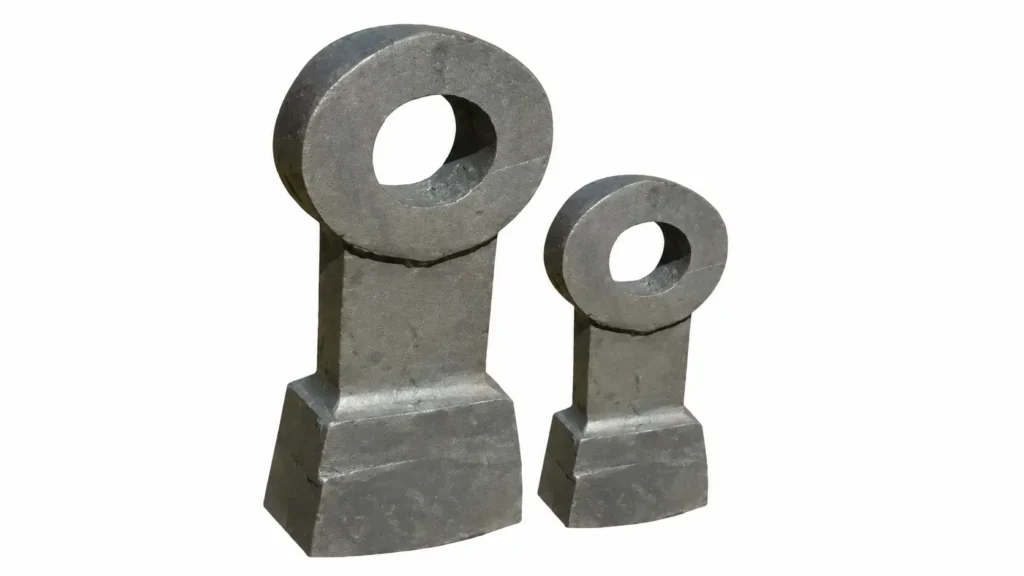
Mining and crushing equipment do not operate in controlled or gentle environments. It works where impact is constant, abrasion is unavoidable, and downtime directly affects production and revenue. Rocks behave unpredictably, loads change suddenly, and materials that appear strong on paper often fail in real conditions. This is exactly where manganese steel castings prove their value. In mining operations, components rarely get a second chance. When a part fails, the entire process stops. That is why the right material choice becomes critical from the very beginning. At Shree Krishna Industries, we focus on producing manganese castings designed for real operating stress—not just theoretical performance. Understanding the Real Nature of Mining Stress Mining and crushing equipment faces a unique combination of challenges: Continuous impact from hard rock Uneven load distribution Constant abrasion and friction Repeated shock cycles Under these conditions, ordinary metals gradually wear down, crack, or deform. Manganese steel behaves differently. Instead of becoming brittle under stress, its surface actually work-hardens during operation. The more impact it absorbs, the harder the outer layer becomes, while the inner core remains tough and ductile. This unique property allows components to resist wear while still absorbing shock without breaking—resulting in longer service life and fewer unexpected failures. Why Manganese Steel Performs Differently Than Ordinary Steel Standard steels typically wear steadily until they fail. Manganese steel, however, combines two critical properties: A hardening surface under impact A tough and flexible core This balance allows the component to absorb heavy blows without cracking. It also helps distribute stress instead of concentrating it in weak points. Because of this behaviour, high manganese steel is widely used in crushing and mining applications such as: Jaw plates Crusher liners Mantles and concaves Wear plates In these areas, reliability under repeated shock is far more important than initial hardness alone. Designed for Crushing, Not Just Carrying a Load Crushing equipment does more than support weight—it absorbs repeated, high-energy impacts. Brittle materials fail quickly in these zones. Manganese steel components are designed to distribute stress evenly and resist sudden fracture. Proper casting design and controlled internal structure help eliminate weak spots. The result is predictable, gradual wear instead of sudden breakdowns. For your operation, this means fewer emergency shutdowns and better maintenance planning. How Our Foundry Experience Adds Real Value As a dedicated manganese casting foundry, we understand that performance depends as much on process control as on material selection. Even small variations in: Chemical composition Cooling rate Grain structure Dimensional accuracy can affect field performance. Our team closely monitors these parameters to ensure each casting behaves consistently—whether it is your first order or a repeat batch. For mining operations, this consistency prevents the need for recalibration or redesign due to part variation. What This Means for Equipment Life and Maintenance When manganese steel components are produced correctly, wear becomes gradual and predictable. Instead of sudden failures, you see controlled wear patterns that allow: Planned maintenance Scheduled replacement cycles Reduced unplanned downtime This reliability is one of the main reasons mining and crushing industries continue to rely on manganese steel for critical wear parts. Supporting Machining and Accurate Fitment Certain manganese components require machining before installation. Dimensional stability at the casting stage becomes essential in such cases. We manufacture castings with controlled tolerances and structural integrity, allowing: Easier machining Reduced tool wear Better fitment during assembly When the component reaches your facility, it integrates smoothly into your equipment without unnecessary adjustments or rework. Where Manganese Steel Castings Are Commonly Used Manganese steel is typically used in areas where impact and abrasion occur together, including: Crushing chambers Jaw plates and liners High-impact zones in mining equipment Wear components exposed to repeated shock.   In these applications, material failure does not just slow production—it disrupts entire operational cycles. That is why long-term performance matters more than initial cost savings. Why Clients Trust Shree Krishna Industries Many clients approach us after experiencing repeated wear issues or inconsistent casting quality. They are not looking for trial-and-error solutions. They need parts that perform reliably every time. At Shree Krishna Industries, we focus on understanding how your equipment operates in real conditions—not just what the drawing specifies. This practical approach allows us to supply manganese steel castings built for sustained performance and predictable wear life. Let’s Discuss Your Mining or Crushing Requirement If you are sourcing components for mining or crushing equipment, the material you choose will directly influence maintenance frequency, downtime risk, and operating cost. Share your application details, load conditions, and performance expectations with us. We will guide you toward manganese steel casting solutions designed for real working environments. FAQs 1. Why are manganese steel castings preferred in mining equipment? Because they work-harden under impact, providing superior resistance to wear, shock, and abrasion. 2. Do manganese castings last longer than regular steel parts? Yes. In high-impact and high-abrasion conditions, they typically offer significantly longer service life. 3. Can you maintain consistent quality across repeat manganese casting orders? Yes. We follow controlled process parameters to ensure uniform composition, structure, and performance across batches. 4. Why choose Shree Krishna Industries as your manganese casting foundry? Because we design and manufacture castings based on real mining conditions, ensuring reliability, predictable wear, and long-term operational stability. Because they work-harden under impact, providing superior resistance to wear, shock, and abrasion. Yes. In high-impact and high-abrasion conditions, they typically offer significantly longer service life. Yes. We follow controlled process parameters to ensure uniform composition, structure, and performance across batches. Because we design and manufacture castings based on real mining conditions, ensuring reliability, predictable wear, and long-term operational stability.

Blog

What makes ductile iron castings suitable for heavy-duty applications

If you’ve ever watched a machine stop mid-operation because a part gave up, you already understand why material choice matters. On paper, many metals look strong. In real life, under load and pressure, only a few actually last. That’s usually when ductile iron casting enters the conversation. We don’t talk about ductile iron as a trend or a specification. We talk about it because we see how it performs when conditions are not ideal. And most heavy-duty applications are never ideal. What Really Sets Ductile Iron Apart Ductile iron doesn’t behave like ordinary cast iron. Instead of snapping when it reaches its limit, it stretches slightly. That small amount of flexibility changes everything when your component faces vibration, shock, or uneven loads. If your equipment runs long hours or works in unpredictable environments, that flexibility becomes a form of protection. As a ductile iron foundry, we’ve seen components survive situations where more brittle materials fail without warning. In fact, such an event is not a matter of chance. It is crucial to have controlled production and precise knowledge of what the metal requires at each stage, because the outcome depends on it. Power You Can Rely on With Confidence, Not Just in Measurements We know that any heavy-duty task requires power. It requires power that maintains its effectiveness even under real working pressure, without failing midway. You need strength that holds up at three in the morning when the system is under stress. Spheroidal graphite iron castings provide high tensile strength while staying stable during operation. They don’t deform easily, and they don’t give up suddenly either. That balance makes nodular iron casting suitable for parts that carry weight continuously. When you’re responsible for keeping production running, that predictability matters more than impressive numbers. Handling Impact Without Falling Apart Machines don’t move gently. Loads shift. Motors jerk. Systems vibrate. Over time, those forces add up. Spheroidal graphite iron castings absorb impact instead of fighting it. Rather than developing cracks that slowly spread, the material takes the hit and keeps going. For your business, this means fewer unexpected disruptions and less stress regarding maintenance schedules. Many clients come to ductile iron manufacturers after facing repeated failures with conventional materials. They’re usually looking for peace of mind as much as performance. Fatigue Resistance That Pays Off Over Time Some failures don’t happen suddenly. They build quietly, cycle after cycle, until something finally gives way. Ductile iron casting resists this kind of fatigue better than many alternatives. Its structure slows down crack formation even when loads repeat daily. If your components are able to remain in continuous motion, this resistance can significantly extend their lifespan. This longer lifespan directly and effectively impacts your operating costs, although the effect may not be immediately visible to you. Machining Without Unnecessary Headaches Strong materials are often difficult to machine. That’s where ductile iron surprises many people. Despite its durability, ductile iron remains machinable. This allows ductile iron manufacturers to deliver parts that meet precise tolerances without excessive tool wear or time loss. From your side, machining becomes smoother, assembly becomes easier, and production stays on schedule. Why Consistency From a Ductile Iron Foundry Matters One good casting doesn’t solve your problem if the next one behaves differently. Inconsistency can lead to major problems in heavy-duty applications. A trustworthy ductile iron factory prioritises consistent outcomes above isolated achievements. To ensure that every batch performs consistently, we at Shree Krishna Industries regulate the raw materials, melting conditions, and processing. You can plan without worrying about quality because of such consistency. Looking at Ductile Iron Price the Right Way It’s natural to compare ductile iron price with basic cast iron or steel alternatives. On the surface, ductile iron may appear costlier. However, the total cost usually works in your advantage when you consider the longer life, fewer failures, and less downtime. It’s not only metal you’re paying for. You’re making a stable investment. We assist you in selecting grades that are appropriate for your application to avoid overspending or performing poorly. Choosing More Than Just Ductile Iron Manufacturers Material alone doesn’t guarantee success. The people producing it matter just as much. At Shree Krishna Industries, as a ductile iron factory, we take time to understand where your component will be used and what it must endure. That context shapes how we approach production. When you work with us, you’re not just buying nodular iron castings. You’re working with a team that thinks about how your equipment will actually run. Built for Heavy-Duty Work, Backed by Experience Ductile iron casting continues to be trusted in heavy-duty applications because it handles real-world stress better than many alternatives. It bends instead of breaking. It absorbs impact. And it lasts longer. If your operation demands strength with resilience, ductile iron is not just suitable. It’s practical. FAQs 1. Why is ductile iron casting used in heavy-duty applications? Because it combines strength with flexibility and impact resistance. 2. Is ductile iron better than regular cast iron? For demanding conditions, yes. It handles stress more reliably. 3. How does the ductile iron price compare over time? It often saves money through longer service life and fewer failures. 4. Do ductile iron manufacturers offer application-based grades? Yes. Grades are selected based on how the part will work. 5. How do I choose the right ductile iron foundry? Look for consistency, experience, and clear communication. Because it combines strength with flexibility and impact resistance. For demanding conditions, yes. It handles stress more reliably. It often saves money through longer service life and fewer failures. Yes. Grades are selected based on how the part will work. Look for consistency, experience, and clear communication.
Professional Cast Iron Manufacturer
Blog

How Quality Standards Are Maintained by a Professional Cast Iron Manufacturer

Quality sounds like a big word until you’re the one dealing with a cracked component, a rejected batch, or a delay that throws your entire schedule off. When that happens, quality stops being theoretical. It becomes personal. If you depend on cast iron parts, you already know this. As a professional cast iron manufacturer, we’ve learnt that quality isn’t something you check at the end.  It’s something you build into every step, often quietly, without making noise about it. At Shree Krishna Industries, quality isn’t a department. It’s a habit formed over years of getting things right and fixing things when they go wrong. Quality Starts Long Before Metal Is Poured Many people think quality begins once molten metal enters the mould. In reality, it starts much earlier. It starts with raw material selection and preparation. We pay close attention to what goes into the furnace because cast iron remembers everything you put into it. Impurities don’t disappear. They show up later as weaknesses. As a responsible cast iron producer, we don’t treat raw material casually. We treat it as the foundation of everything that follows. When your casting performs well months later, it’s often because someone cared about material quality weeks earlier. Process Control Is Where Quality Is Actually Protected Cast iron is sensitive. Small changes in temperature, composition, or timing can change how it behaves once solidified. That’s why process control matters more than bold claims. We monitor melting conditions carefully. Actually, we don’t rush to pour just to meet a clock. We allow the metal to behave the way it needs to. These decisions don’t look impressive from the outside, but they decide whether your casting holds shape or develops internal stress. As experienced cast iron suppliers, we’ve seen what happens when shortcuts are taken. Fixing those problems later costs far more than doing it right the first time. Moulding and Pouring Are Not Mechanical Steps Moulding isn’t just preparation. Its interpretation. The way a mould is made affects surface finish, dimensional accuracy, and structural integrity. We treat moulding as a skilled process, not a repetitive task. The pouring stage is handled with the same care. Timing, flow, and temperature all matter. Too fast, and defects appear. Too slow, and the structure suffers. Quality here isn’t about machines alone. It’s about attention. That attention is what separates a professional cast iron producer from a casual one. Inspection Isn’t About Finding Faults; It’s About Avoiding Surprises Indeed, it’s common to misunderstand inspection. It’s not about catching mistakes to assign blame. It’s about ensuring that nothing unexpected gets to your floor. Since a casting becomes a part of your process once it leaves our facility, we examine its size, surface characteristics, and general integrity.  Any issue at that stage becomes your problem too. As cast iron suppliers, we take that responsibility seriously. Good inspection doesn’t slow things down. It prevents disruption later, when it costs more time and money. Consistency Matters More Than a Single Perfect Batch Anyone can deliver one good order. That’s not the challenge. The challenge is delivering the same quality again and again. We prioritise repeatability. Our methods are designed so that one batch acts like the next. You may confidently plan thanks to that constancy. Every time new castings are delivered, you don’t have to recalibrate equipment or modify assemblies. Long-term cast iron prices are likewise impacted by this constancy. You will have fewer hidden expenses if there are fewer rejections and revisions. How Quality Influences Cast Iron Price Although quality affects the real price equation, cast iron costs frequently vary solely by statistics. Cheaper castings that fail early or need correction cost more over time. When quality is controlled, waste reduces. Rework drops. Lifespan improves. That stability brings long-term value, even if the initial cast iron price looks similar across suppliers. As a professional cast iron foundry, we believe price should reflect reliability, not just material weight. Working With Cast Iron Suppliers Who Communicate Clearly Quality isn’t just about metal. It involves communication as well. We talk about things early on if they need to be clarified. Instead of moving on blindly, we identify possible problems with a design. After placing an order, you shouldn’t feel in the dark. Maintaining standards includes open communication and transparent adjustments. That’s how trust is built between you and your cast iron suppliers. Manufacturing works better when expectations are aligned, not assumed. Why Professional Manufacturers Take Quality Personally Over time, you develop a relationship with your work. When castings fail in the field, it reflects on everyone involved. We don’t like that feeling, and neither do you. That’s why we take quality personally. Not emotionally, but responsibly. We understand that your reputation often depends on components we supply. At Shree Krishna Industries, quality standards exist to protect both sides of that relationship. Quality Is Quiet, But You Feel Its Absence Immediately No one discusses quality when casts perform as planned. Everybody fails when they do. The truth is that. We uphold quality standards at Shree Krishna Industries so that you won’t have to worry about them after delivery. Production, assembly, and growth remain your main priorities. A skilled cast iron manufacturer ought to assist you in this manner. FAQs 1. How can a producer of cast iron guarantee constant quality? Controlled procedures, knowledgeable employees, and repeatable techniques used in each batch are the sources of consistency. 2. Do quality standards affect cast iron price? Yes. Better quality reduces long-term costs by lowering rejection rates, failures, and maintenance expenses. 3. What part do suppliers of cast iron play in quality? Suppliers have an impact on quality through communication, inspection, process control, and material selection. 4. Can problems with quality be fixed after casting? While many problems cannot be resolved, some can. Prevention is crucial during production because of this. 5. Why pick a reputable cast iron manufacturer? Because professional manufacturers prioritise long-term performance, dependability, and transparency over short-term output. Controlled procedures, knowledgeable employees, and repeatable techniques used
Cast Iron Foundry
Blog

How a Modern Cast Iron Foundry Ensures Quality, Durability, and Precision

When working with cast iron parts for an extended period of time, patterns become easy to see. Certain parts don’t break down for years. Others appear normal at first, but when you least expect it, they subtly cause problems. People typically start looking for a trustworthy cast iron foundry at that point.  At this point, we encounter a lot of buyers. They no longer seek for large claims. They are looking for honest and pragmatic responses. So instead of impressing you with fancy words, let us talk about how quality, durability, and precision actually come together in a modern foundry – and what that means for you. Why the Choice of Cast Iron Foundry Affects More Than Just the Casting A casting is never effective on its own. Something is supported by it. It makes a connection. It transports pressure, heat, or load. Your entire system is affected when a casting fails. The pace of production decreases. The expense of maintenance goes up. Delays must be explained by someone. This chain reaction is understood by a trustworthy cast-iron factory. Castings are not perceived by us as metal fragments. They are seen by us as components of your procedure. That mindset changes how we work with you. What “Modern” Actually Means on the Foundry Floor People often think modern means automated. Machines do matter, yes. But mindset matters more. A modern foundry asks questions before acting. What is this part used for? Where will stress come from? How tight do tolerances really need to be? We do not rely on memory alone. We rely on controlled steps, documented checks, and repeatable results. That is how a modern cast iron manufacturer protects you from unpleasant surprises. Raw Materials: The Part You Never See, But Always Feel Long before metal melts, decisions are already being made for your casting. Raw material quality influences strength, surface finish, and even machinability. If scrap selection is careless, problems get locked inside the metal. We take time here because rushing this step costs you later. As a responsible cast iron manufacturer, we check the material composition carefully. You may never see this work. But you benefit from it every time a part performs exactly as expected. Melting Metal Is Not Just About Heat Molten metal looks simple from a distance. In reality, it demands constant attention. Temperature shifts, chemical balance, and cleanliness all matter. If melting is rushed, defects do not show immediately. They show up during machining or after installation. We monitor melting closely because consistency matters to you. One good batch is not enough. You need the same result again and again. That consistency defines reliable cast iron castings. Moulding That Respects Your Drawings and Your Deadlines Your drawings are not decorative. They exist because every dimension serves a purpose. Modern moulding allows better control over shape and size. That means fewer adjustments later and less stress on your machining team. When moulding is done right: Assembly becomes smoother Rejections reduce Timelines stay intact This is how a modern cast iron foundry quietly saves your time. Strength Comes From Design, Not Luck People often talk about strength as if it happens by chance. It does not. Metal flow, cooling speed, and solidification patterns shape internal strength. Poor design traps stress inside the casting. Good design releases it naturally. We plan gating and risers carefully because your parts must survive real working conditions. Durability is engineered long before dispatch. Heat Treatment Only When It Actually Helps You Not every casting needs heat treatment. Applying it blindly only increases cost. We look at how your component will be used. Will it face wear? Will it face impact? Or will it face long hours under load? Only then do we decide. This practical approach helps us support your application, not complicate it. That is how an experienced cast iron manufacturer works. Quality Checks That Feel Real, Not Formal Inspection should not feel like a ritual. It should feel useful. At our foundry, checks happen at multiple stages. Not just at the end, when correction becomes impossible. If something looks off, we stop and fix it early. That protects you from receiving parts that create problems later. Reliable cast iron suppliers are judged here, not in marketing material. Finishing That Fits Into Your Workflow You should not need to “adjust” parts after receiving them. That slows everything down. We machine and finish castings so they fit smoothly into your production line. Less rework means less frustration for your team. Small improvements here make a big difference over time. Clear Communication Matters More Than People Admit Many sourcing problems are not technical. There are communication gaps. We believe you should always know where your order stands. If something needs discussion, we do it early. Whether you are comparing cast iron price, planning production, or evaluating suppliers, clarity helps you decide with confidence. About Cast Iron Price: Looking Beyond the Number Price always comes up. And it should. But cheap castings often cost more later. Rework, failures, and downtime eat away at savings quietly. We focus on efficiency and process control. That allows us to offer a competitive cast iron price without sacrificing reliability. Value lasts longer than discounts. Why Buyers Stay With Shree Krishna Industries Most clients do not stay because of promises. They stay because things stop going wrong. With us, you get: A dependable cast iron foundry Consistent cast iron castings Support from an experienced cast iron manufacturer The reliability you expect from trusted cast iron suppliers At Shree Krishna Industries, we grow when your operations run smoothly. That alignment matters to us. FAQs 1. How can I pick the best foundry for cast iron? Keep an eye out for consistency, open communication, and process discipline. 2. Do you manage the needs for bespoke casting? Yes, we carefully collaborate with your application requirements and designs. 3. How is batch consistency maintained? by coordinating the processes of material control, melting, moulding, and inspection. 4. Is the pricing of

Castings Manufacturing
Blog

How Quality Control and Testing Improve Outcomes in Castings Manufacturing

In castings manufacturing, problems rarely announce themselves early. Most defects don’t appear during pouring or cooling. They show up much later, when a component is already in use, under pressure, heat, or load. That is why quality control and testing matter so much. Not because they look good in documentation, but because they catch what the eye cannot. At our casting industries, we don’t see quality as a marketing term. We see it as a safeguard for your machinery, your timelines, and your reputation. Where Most Casting Problems Actually Begin The idea that casting failures occur during use is a prevalent myth. In actuality, the majority of issues—such as inconsistent raw materials, erroneous melting points, and improper mould preparation- begin far earlier. Every little change increases the risk. The entire process is impacted if these risks are not addressed in a timely manner. Quality control in casting manufacturing starts even before the metal melts. Raw Material Checks Set the Foundation Every casting depends on its chemical composition. If the base material is wrong, no process correction can fully fix it later. For Cast Iron Castings, carbon balance affects hardness and machinability. For Ductile Iron Castings, nodularity defines flexibility and impact resistance. And for Cast Steel Castings, alloy consistency determines strength and fatigue life. For Manganese Steel Castings, composition controls abrasion resistance. We test incoming materials because guessing is expensive. A single incorrect element can weaken an entire batch. The High-Risk Phases of Melting and Pouring Molten metal does not forgive mistakes. Internal structure can be silently harmed by temperature changes, slag development, or gas trapping. We keep a close eye on temperature and chemistry throughout the melting process. We regulate flow and speed during pouring to prevent turbulence. These steps do not guarantee perfection. They reduce risk, and in castings manufacturing, risk reduction is everything. Mould and Pattern Accuracy Affect More Than Fit Surface integrity is just as important as dimensional precision. Surface flaws may result from inadequate mould compaction. Unnoticed discrepancies may be introduced via pattern wear. Shrinkage cavities may result from improper gating. During the mould preparation process, quality inspections avoid problems that machining may not always be able to fix later. Rework is never the only expense incurred when a casting does not fit correctly. Your entire process is delayed as a result. Heat Treatment Is Where Properties Are Proven Heat treatment is not a routine step. It is a critical transformation stage. Incorrect heating cycles can make castings brittle. Improper cooling can reduce strength or introduce residual stress. We test samples after heat treatment to confirm results. This ensures your casting behaves the way it was designed to behave. For Ductile Iron Castings and Cast Steel Castings, this step often determines service life. Mechanical Testing Removes Assumptions Mechanical testing answers simple questions honestly. How much load can it take? How does it behave under sudden impact? Or How resistant is it to wear? Tensile tests, impact tests, and hardness tests provide numbers, not opinions. When you receive tested castings, you are not relying on expectation. You are relying on evidence. Non-Destructive Testing Finds Hidden Weaknesses Some of the most dangerous defects are invisible.  Like internal cracks, gas pockets and subsurface inclusions. Non-destructive testing allows us to find these without damaging the component. Ultrasonic testing checks internal continuity. Magnetic particle inspection reveals surface flaws. Radiographic testing exposes internal voids. This step protects you from failures that would otherwise appear months later. Metallurgical Testing Explains Why a Casting Behaves a Certain Way Metallurgical analysis shows the internal structure of metal. It explains strength, brittleness, and wear behaviour. For Cast Iron Castings, it confirms the graphite structure. For Ductile Iron Castings, it verifies nodular formation. And, for Manganese Steel Castings, it confirms work-hardening capability. This testing helps ensure long-term performance, not just initial acceptance. Final Inspection Is the Last Line of Defence Before dispatch, every casting goes through a final inspection. Dimensions are checked against drawings. Surface finish is evaluated. Traceability and identification are confirmed. This phase captures what previous processes could overlook. It guarantees that you receive what your provider promises. How Quality Control Improves Outcomes for You Reliable castings reduce unexpected downtime. Consistent quality improves equipment efficiency. Fewer failures mean lower maintenance costs. Quality control does not eliminate problems completely. It minimises their impact before they reach your operation. That difference matters when schedules are tight and margins are thin. Why Shree Krishna Industries Focuses on Process Discipline At Shree Krishna Industries, we don’t believe quality comes from one test. It comes from controlling every stage consistently. Our experience across Cast Iron Castings, Ductile Iron Castings, Cast Steel Castings, and Manganese Steel Castings allows us to understand where risks usually hide. When you work with us, you are choosing a castings manufacturing partner who values reliability over shortcuts. FAQs 1. Why is quality control so important in the production of castings? because testing is the only way to find many hidden flaws early on. 2. Does testing increase production time? Some testing adds time, but it prevents far greater delays later. 3. Do all castings undergo the same testing procedure? No. Different materials require different inspection and testing methods. 4. How does non-destructive testing help buyers? It identifies internal defects without damaging usable components. 5. Can quality testing reduce long-term costs? Yes. Reliable castings reduce maintenance, replacements, and downtime. because testing is the only way to find many hidden flaws early on. Some testing adds time, but it prevents far greater delays later. No. Different materials require different inspection and testing methods. It identifies internal defects without damaging usable components. Yes. Reliable castings reduce maintenance, replacements, and downtime.

Scroll to Top