When you observe heavy machinery operating smoothly within a factory setting, there is invariably a robust metal framework supporting it. And did you know that many of these structures are created through the casting process? From infrastructure to machinery, industry owners across various sectors seek a reliable partner for the production of durable industrial components. Do you own such a facility, and are you currently searching for the right and trustworthy CI casting manufacturers to supply the specific products you need?
If so, you can place your trust in our skilled team. We understand that without these castings, numerous machines and systems would simply cease to function. You may not notice these components within your factory on a daily basis; yet, they silently underpin water supply networks, construction projects, agricultural machinery, and power generation systems. If you are involved in the engineering, manufacturing, or infrastructure sectors, you undoubtedly appreciate just how critical reliable cast iron castings truly are.
Why Cast Iron Castings Are So Widely Used
Before discussing various industrial sectors, it is essential to understand why ‘Cast Iron’ remains a preferred material among industry owners. One of the main reasons is that industrial machinery requires strong materials—specifically, those capable of withstanding intense pressure, mechanical stress, and high temperatures without suffering any structural failure.
This is why cast iron components (castings) demonstrate exceptional performance and enjoy such widespread popularity. Cast iron offers many advantages; chief among them is its superior resistance to corrosion and its remarkable load-bearing capacity, qualities often lacking in ordinary iron. Moreover, it excels at dampening machinery vibrations and maintaining the long-term structural stability of equipment.
It is especially suitable for casting intricate shapes and provides reliable performance even in harsh or adverse operating environments. Even when market prices for cast iron fluctuate, various industries continue to depend on it, as it consistently ensures the long-term operational longevity of industrial equipment. At a reputable cast iron foundry, you will see a meticulous approach to production processes and a strict adherence to high-quality standards.
Major Industries That Depend on CI Casting Manufacturers
Many industries depend on cast iron components daily. The role of a CI casting manufacturers becomes essential in keeping these sectors running smoothly.
Below are some of the most important industries where cast iron castings play a vital role.
1. Water Supply and Infrastructure Industry
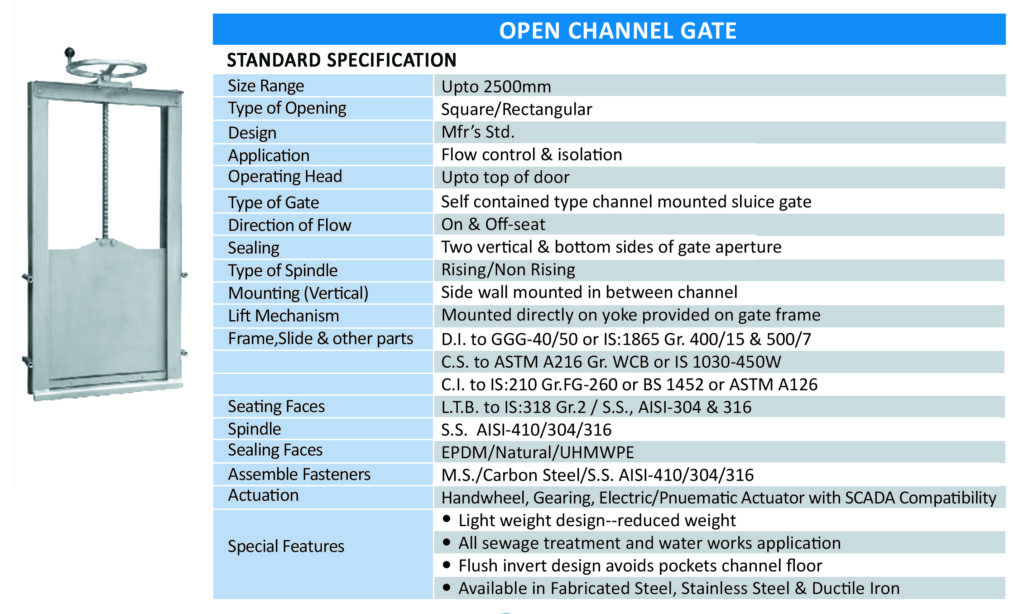
Water management systems require components that can withstand constant pressure and long-term exposure to moisture. Cast iron is ideal for these applications.
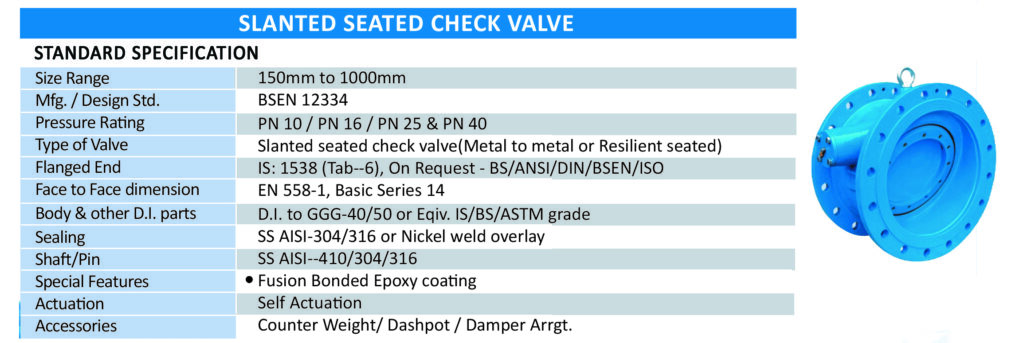
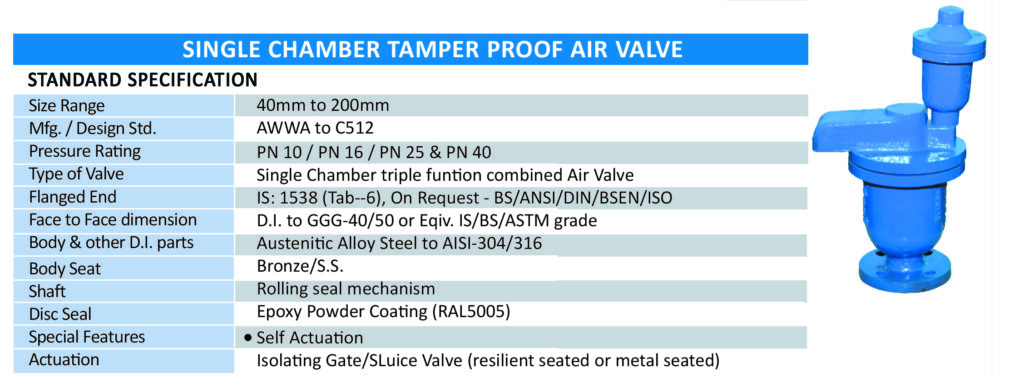
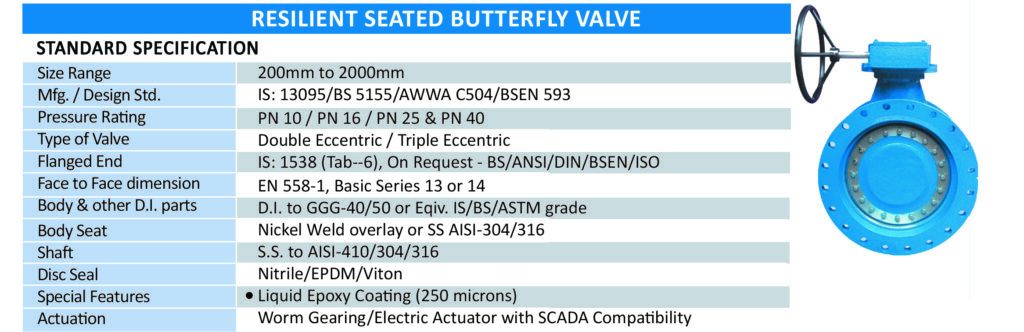
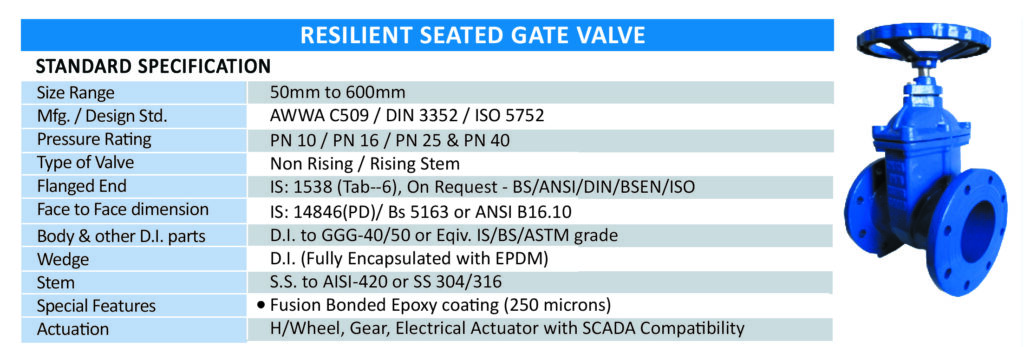
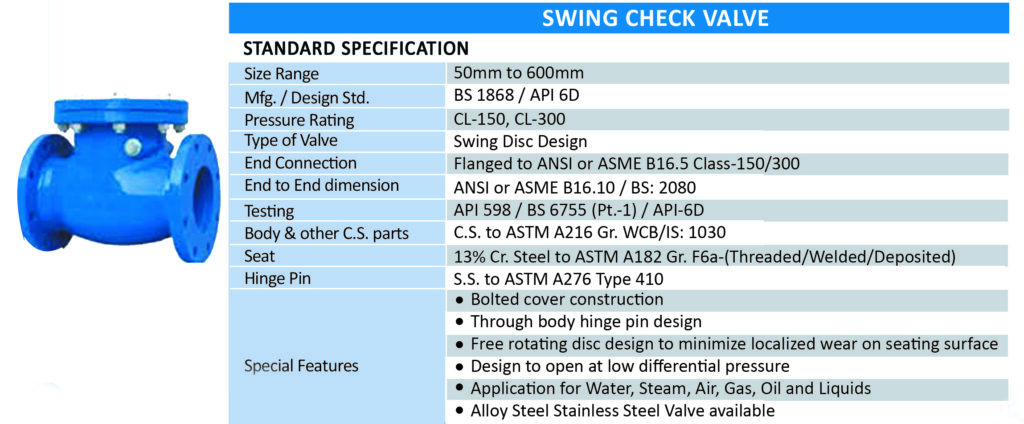
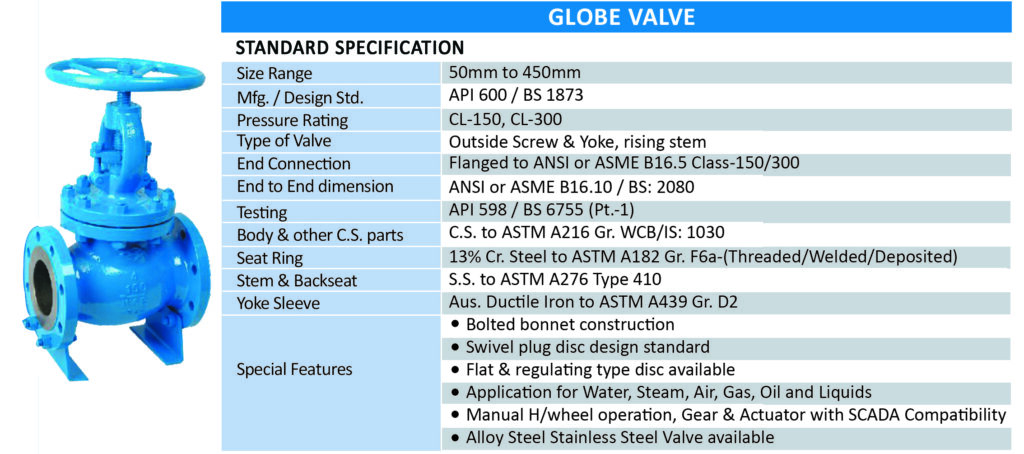
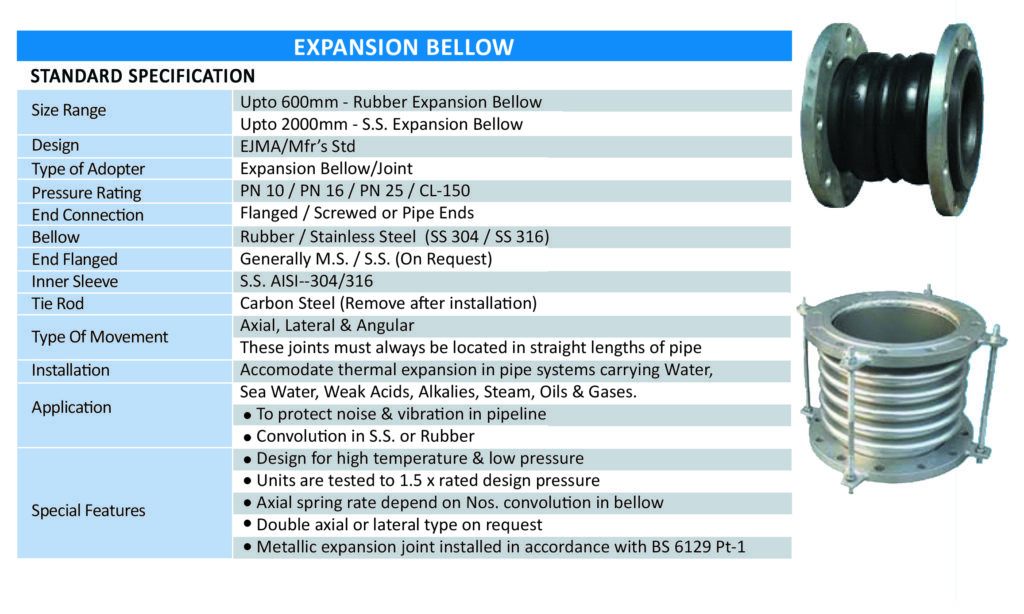
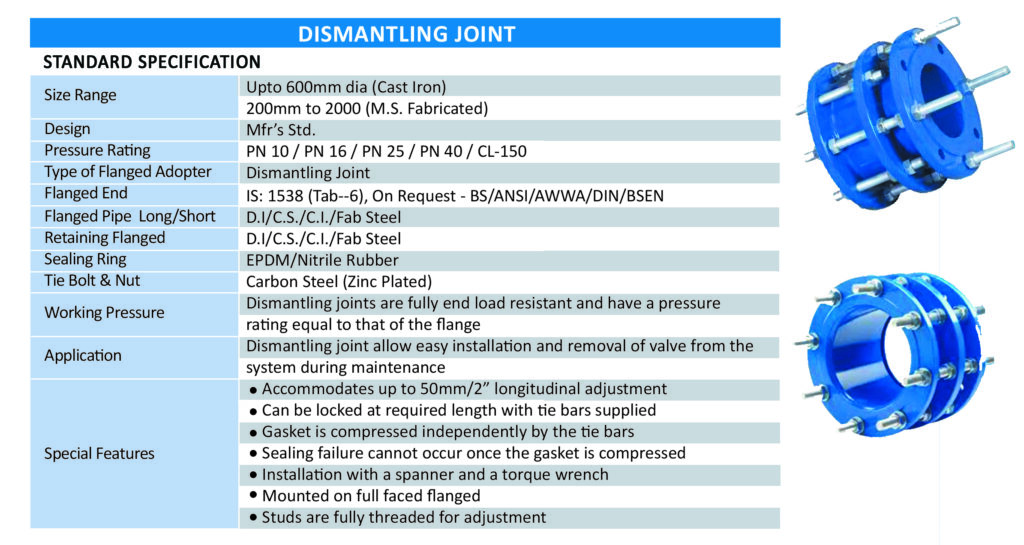
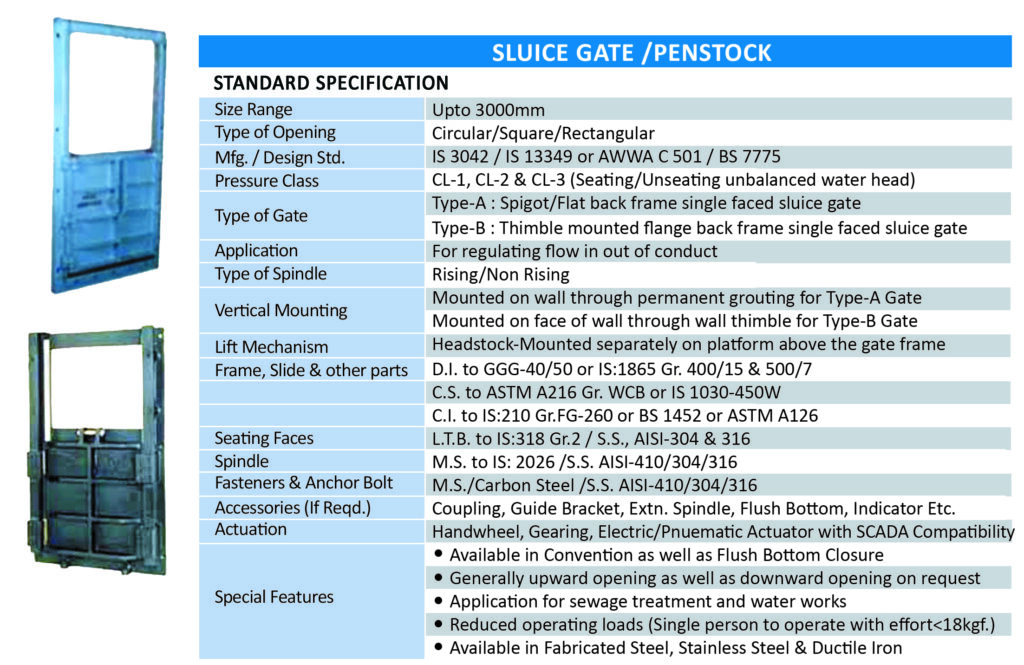
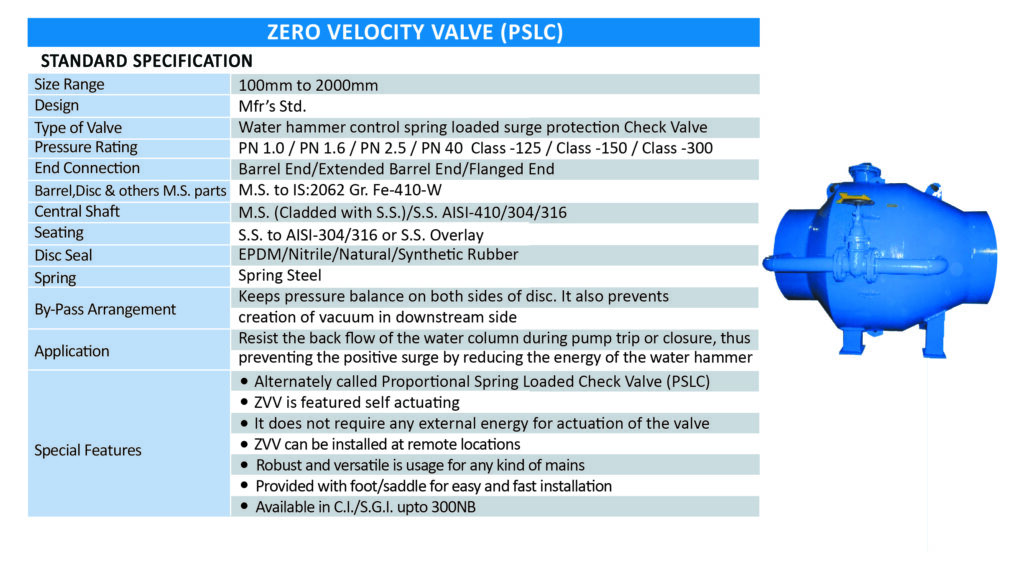
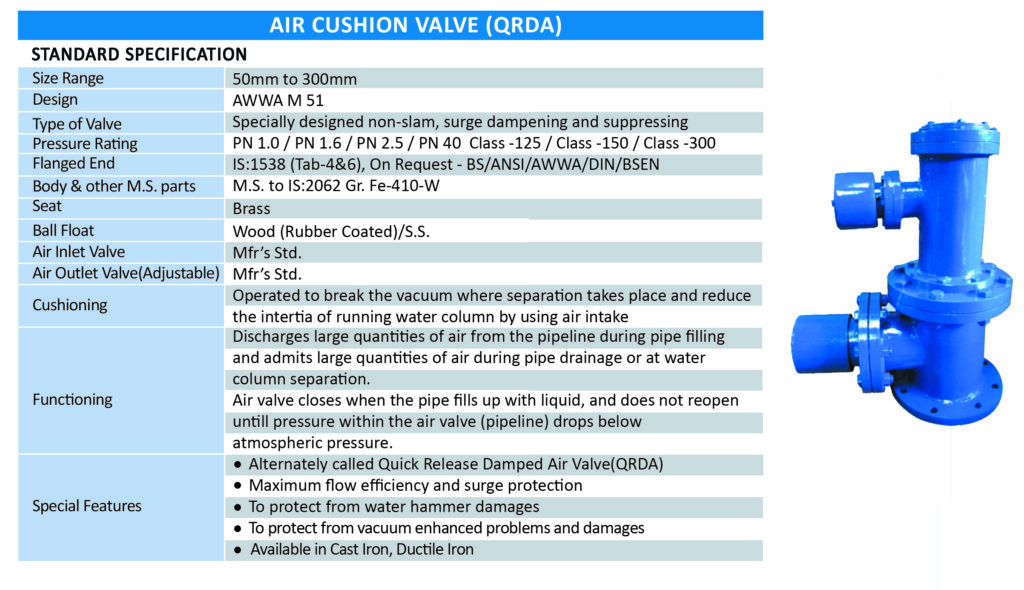
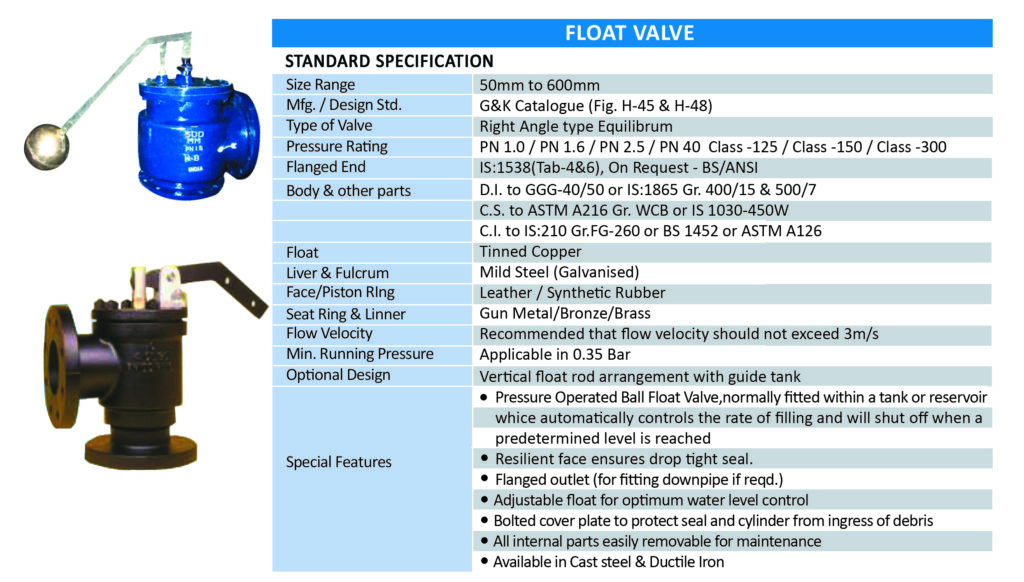
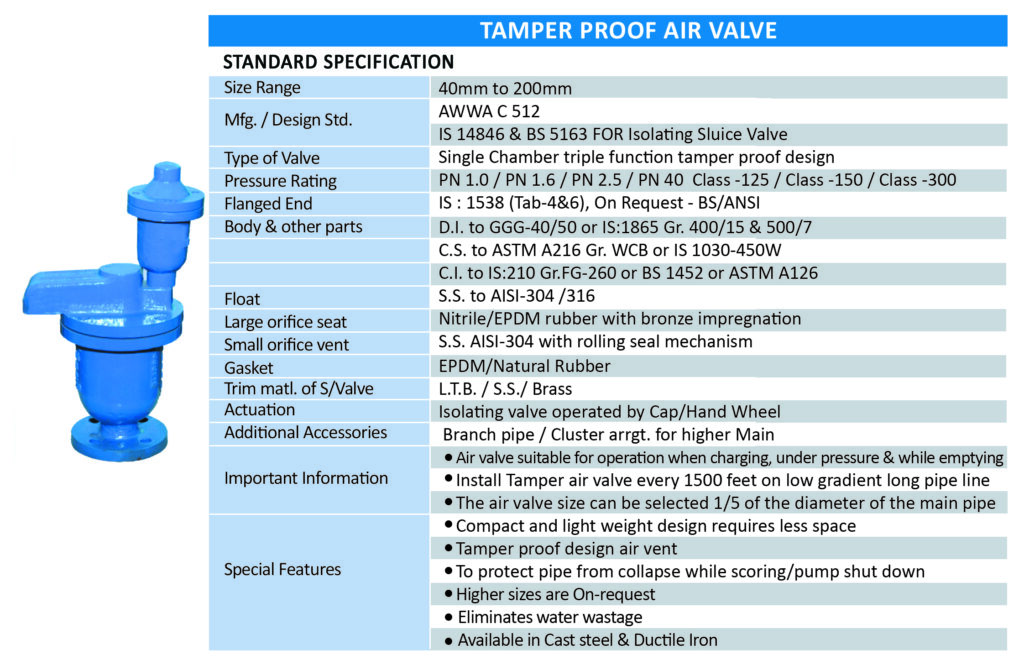
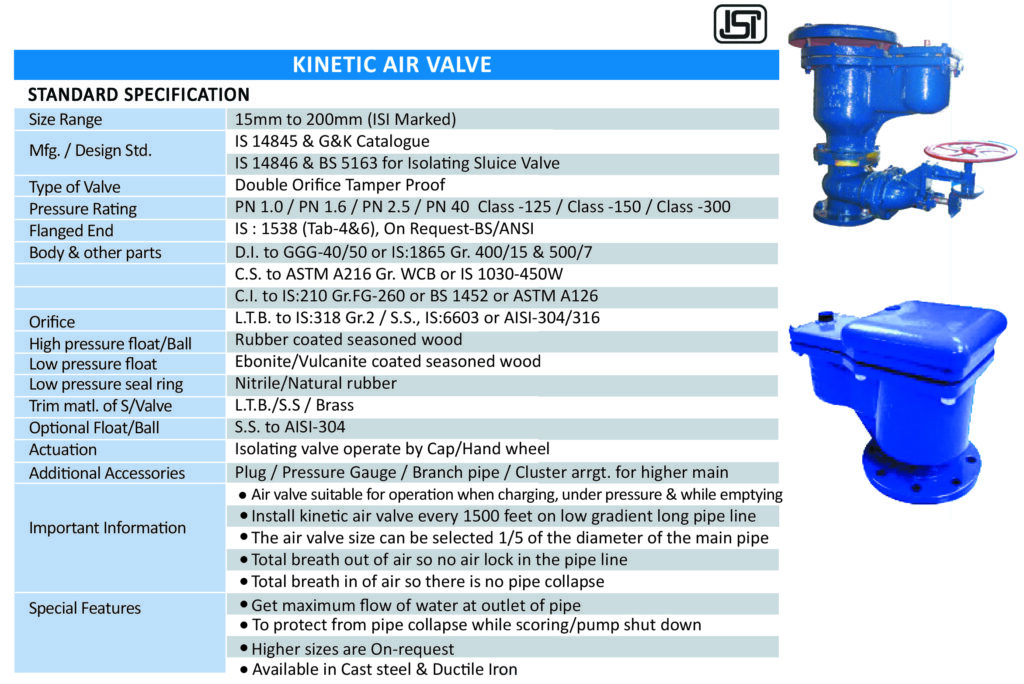
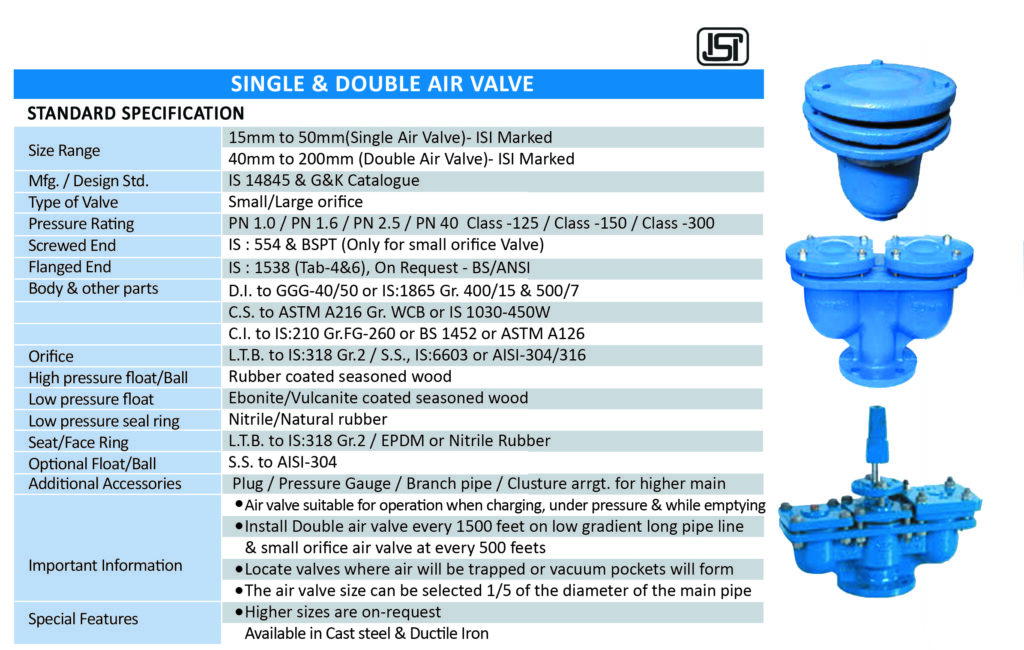
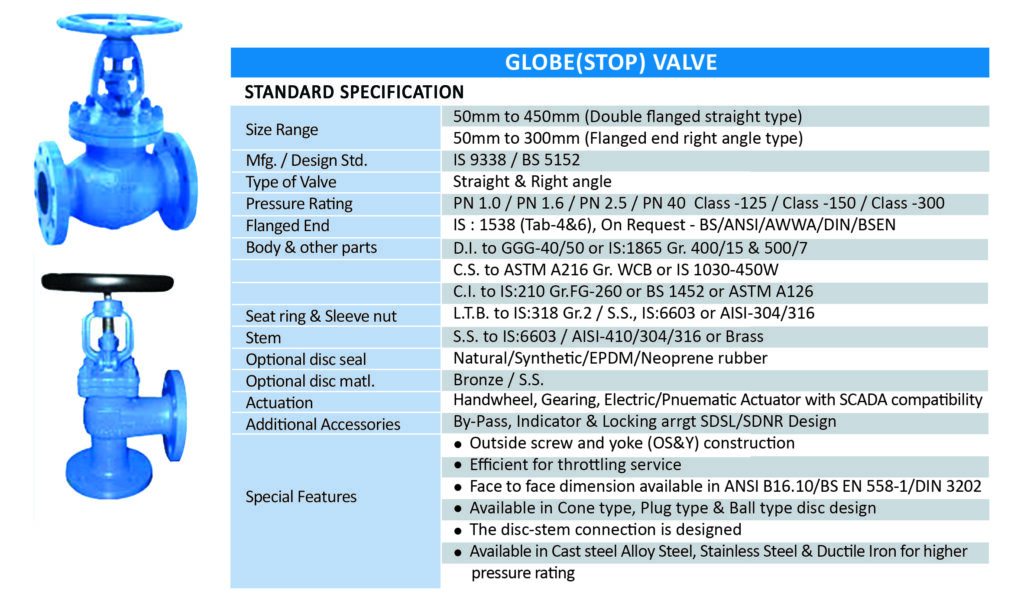
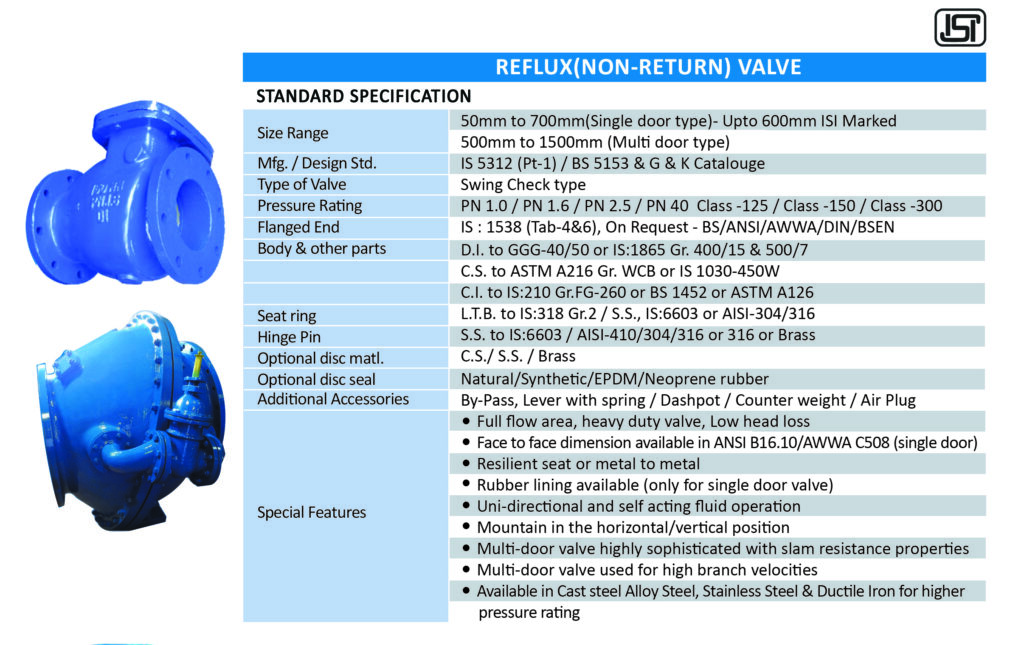
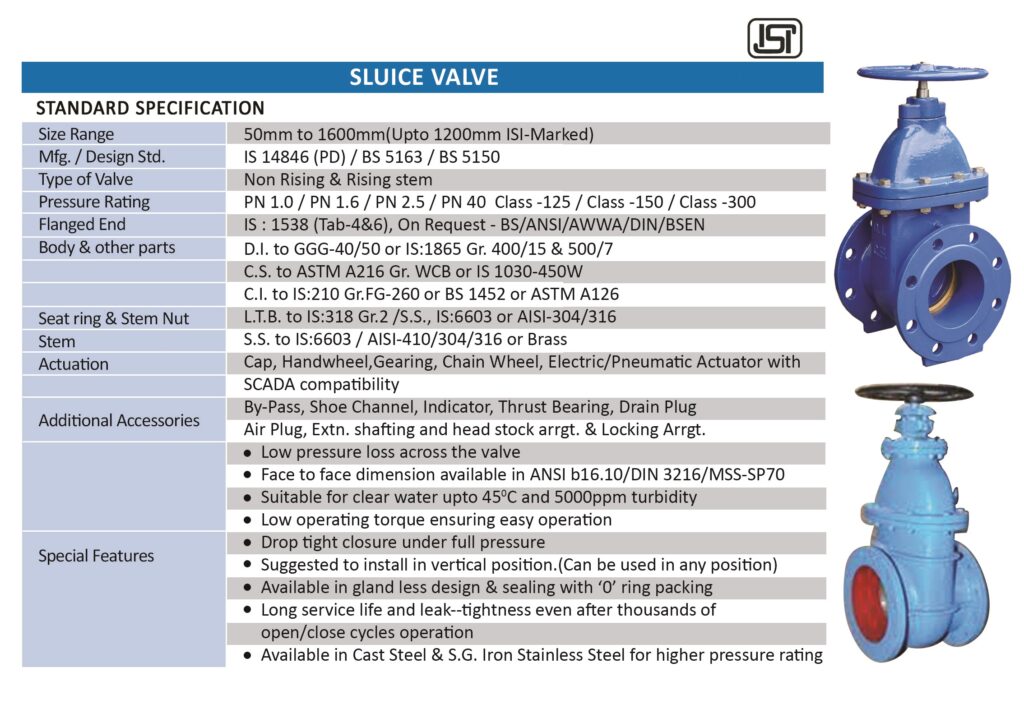
Common infrastructure components include valve bodies, pipe fittings, pump housings and pipeline connectors. Municipal water systems, drainage networks, and irrigation infrastructure depend on these castings to operate safely for years. Without reliable cast iron castings, maintaining large water distribution systems would become extremely difficult.
2. Construction and Urban Development
Modern cities rely heavily on robust materials capable of supporting massive structures. Construction firms utilise various components, notably for structural frameworks and drainage systems, that are manufactured by cast iron foundries.
Examples of such components include manhole covers, pipe fittings, heavy structural elements, and machinery supports. These components must withstand extreme loads, adverse weather conditions, and the stresses of prolonged use; consequently, these materials must possess exceptional durability. When builders select a trusted manufacturer of cast iron products, they significantly enhance the longevity and reliability of their infrastructure projects.
3. Automotive and Machinery Industry
The automotive sector depends heavily on precision engineering and strong metal parts. Many vehicle and machine components require excellent heat resistance and structural strength.
Common examples of cast iron castings in machinery include: engine blocks, gear housings, transmission components, and machine bases. One significant advantage of cast iron is its ability to absorb vibrations. This helps machinery operate more smoothly and reduces mechanical stress. That is why many equipment manufacturers continue to rely on cast iron components.
4. Valve and Pipe Manufacturing
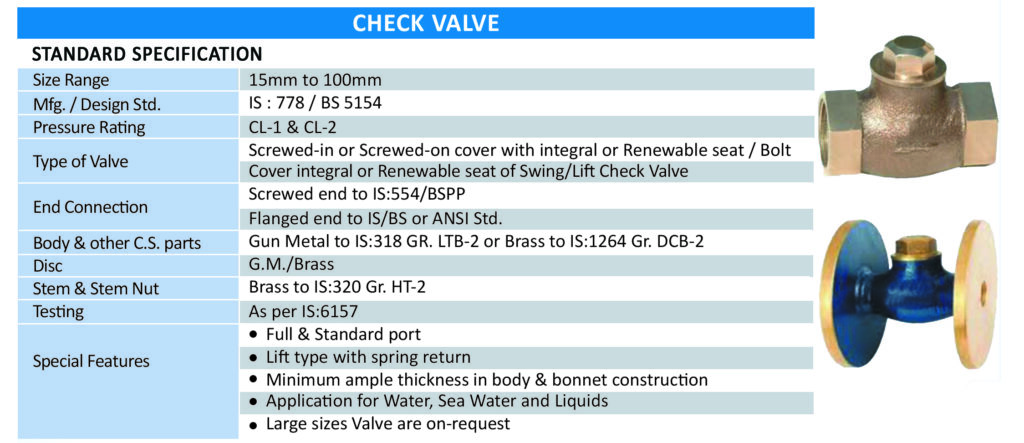
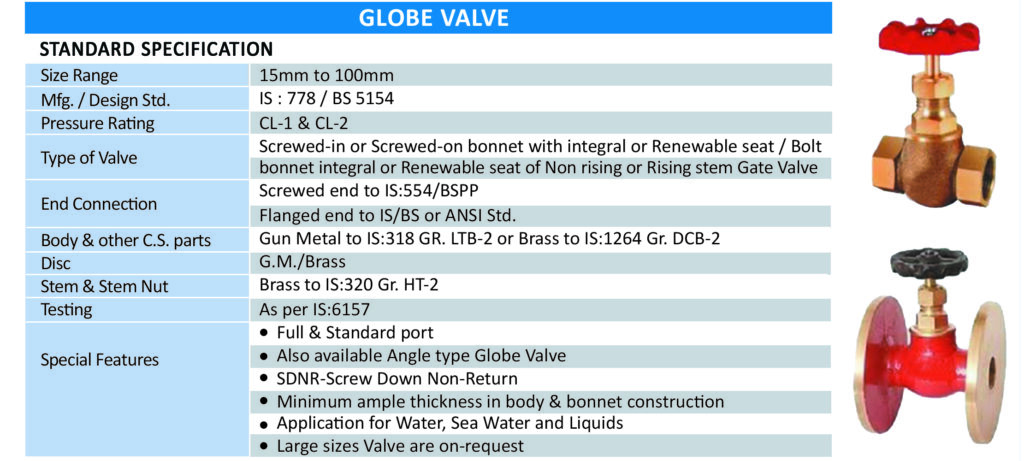
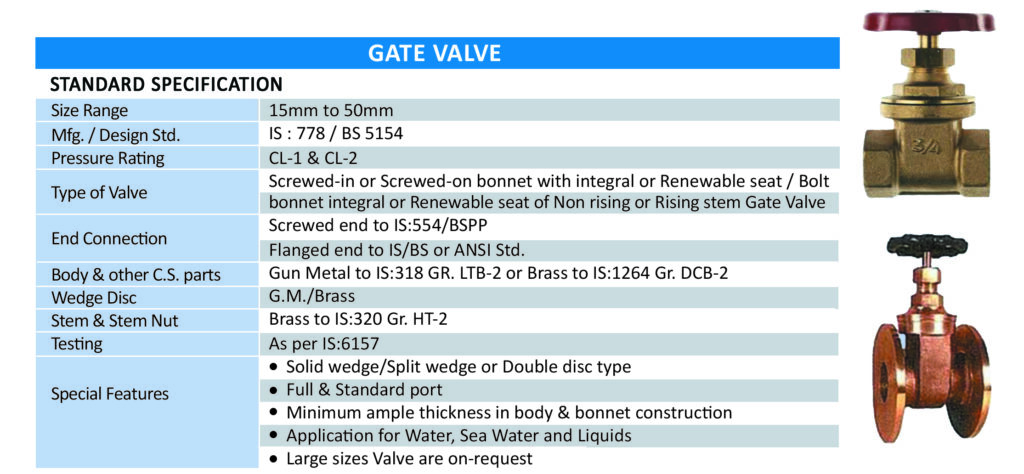
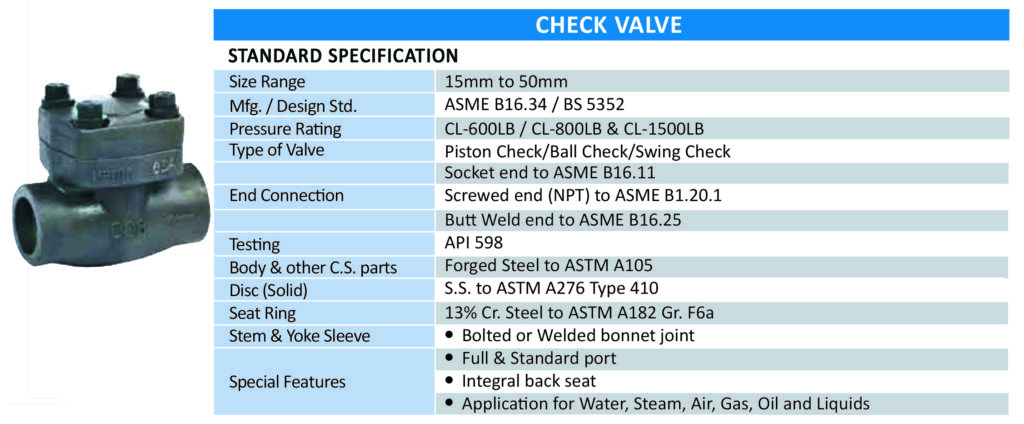
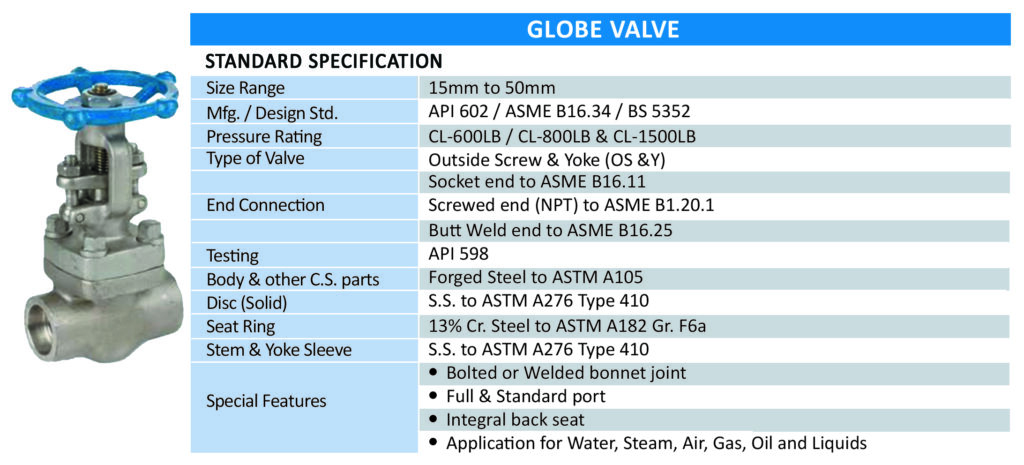
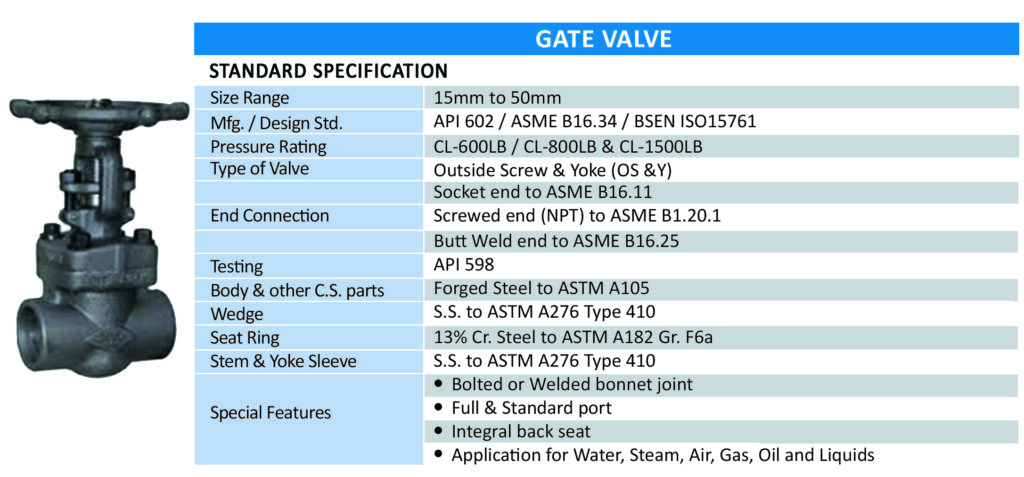
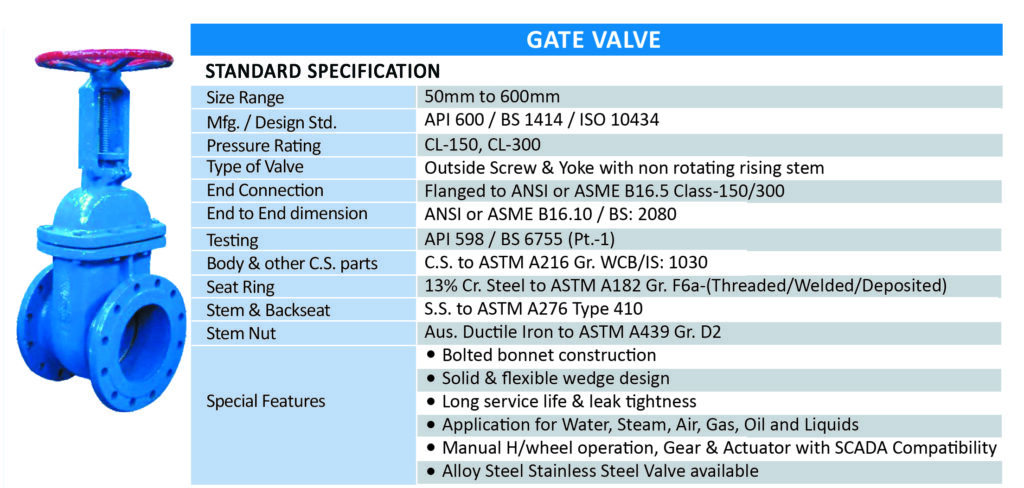
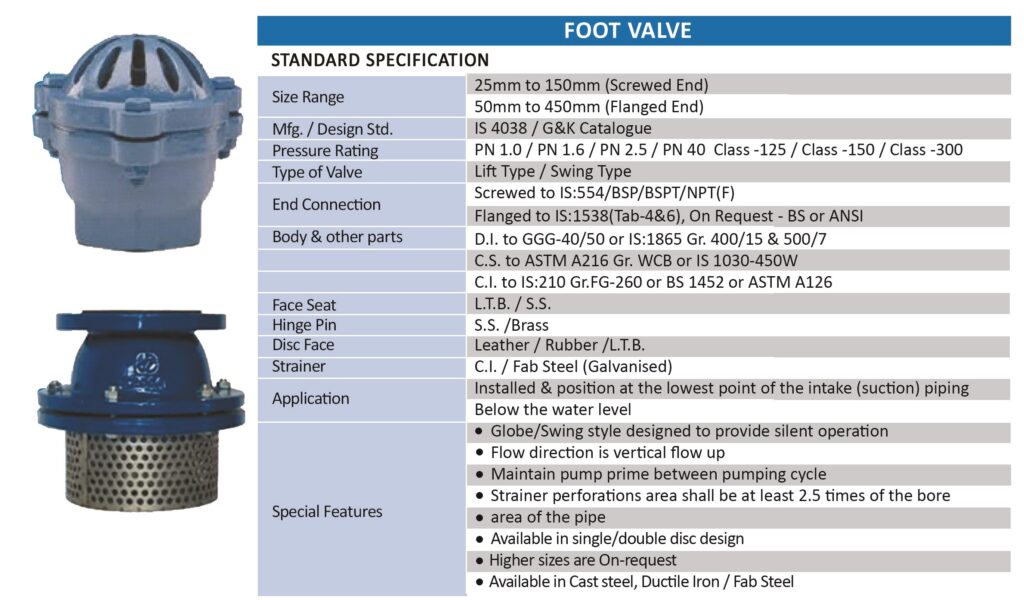
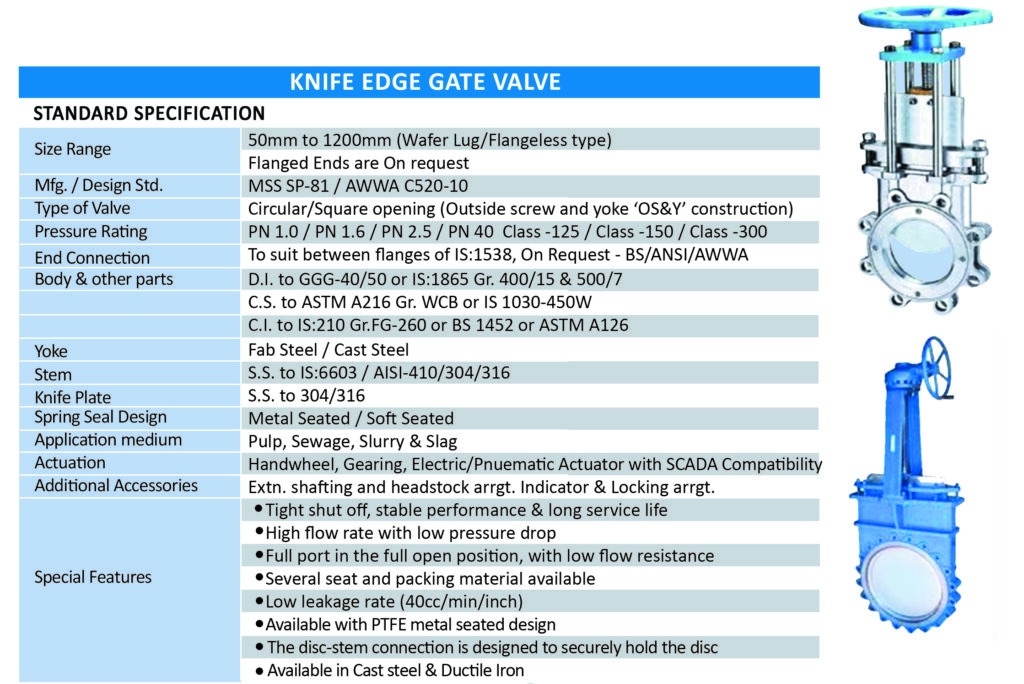
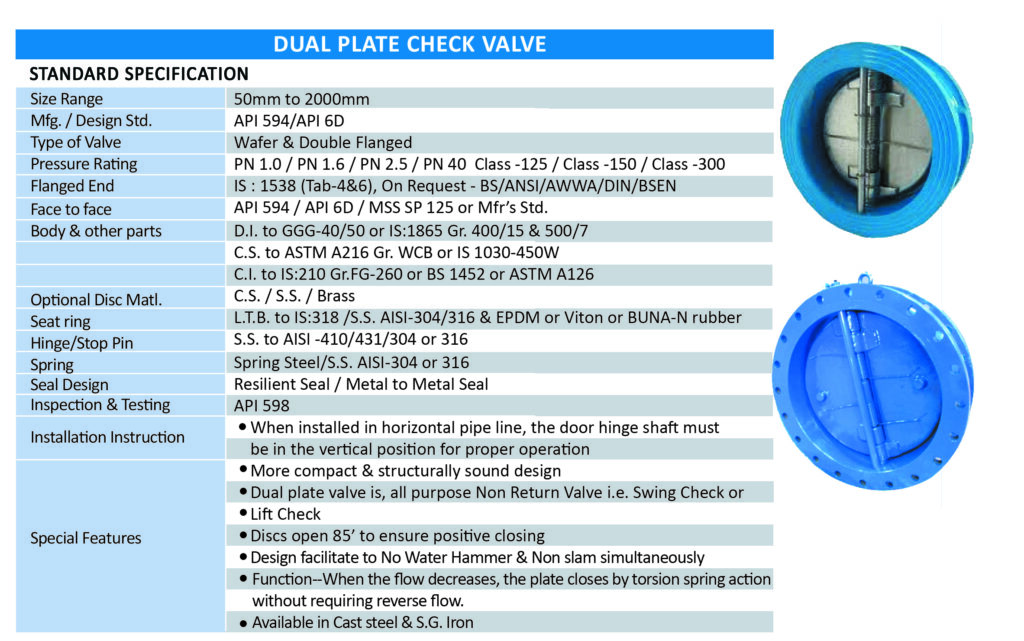
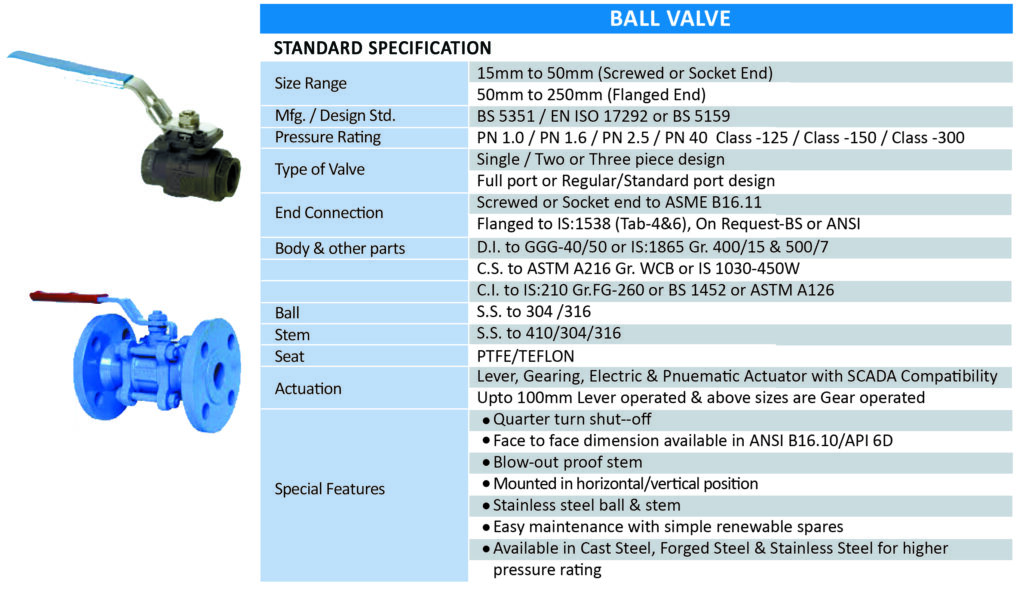
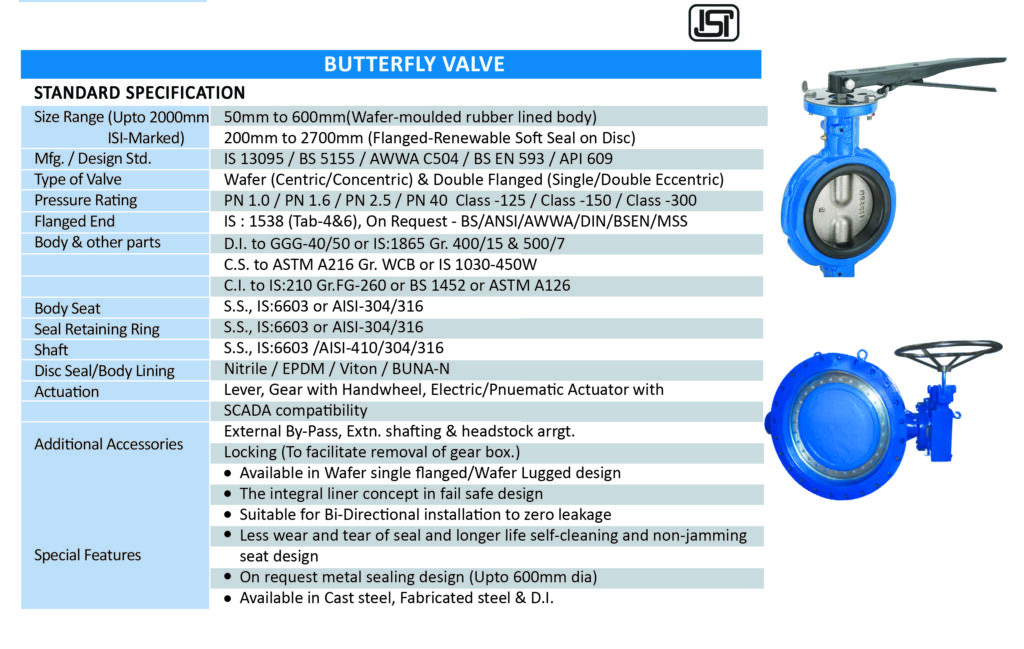
Valve manufacturing is another sector where castings play a crucial role. Industrial valves control fluid flow in pipelines across multiple industries such as water treatment, oil processing, and power generation. A CI casting manufacturer produces the main structural components of these valves. These include valve bodies, valve covers, flanges, and pipe fittings. Strong castings ensure that these systems can handle pressure without leakage or failure.
5. Agriculture and Irrigation Equipment
Agricultural machinery must work in tough outdoor conditions. Farm equipment often faces dirt, vibration, moisture, and heavy workloads. Cast iron castings are therefore ideal for use in agriculture. Examples include pump bodies, tractor housings, gear casings, and irrigation system components. Farmers rely on these machines daily. Robust castings help ensure continuous operation during key farming seasons.
Industries and Their Cast Iron Applications
The table below shows how different sectors use cast iron components.
Industry | Common Cast Iron Components | Why Cast Iron Is Used |
Water Infrastructure | Valve bodies, pipe fittings | Handles pressure and corrosion |
Construction | Manhole covers, connectors | Strong and long-lasting |
Automotive | Engine blocks, gear housings | Absorbs vibration and heat |
Agriculture | Pump casings, tractor parts | Durable in rough conditions |
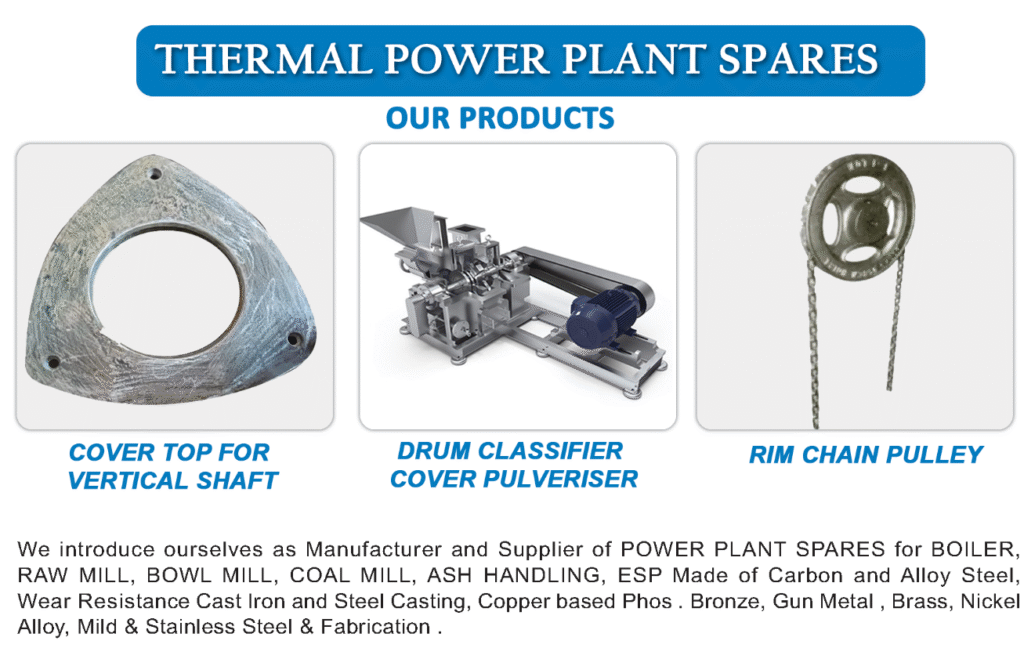
Power Generation | Turbine housings, valve components | Reliable under extreme stress |
This wide range of applications shows how critical a cast iron foundry is to modern industrial development.
How a Cast Iron Foundry Supports Manufacturing
When you partner with an experienced foundry, you gain access to advanced manufacturing processes. Producing quality cast iron castings involves several technical steps.
These usually include:
- Pattern design and mold preparation
- Melting and pouring molten iron
- Controlled cooling and solidification
- Finishing and surface treatment
- Quality testing and inspection
A reliable CI (Cast Iron) casting manufacturer ensures that every step follows strict engineering standards. This attention to detail ensures consistent strength and durability in every casting.
Factors That Affect Cast Iron Price
When you buy industrial castings, you may notice that the price of cast iron goes up and down. The price is affected by many things, such as the cost of raw materials, energy, foundry consumption, transportation costs, production scale, and the demand for iron in the market. But even when prices change, cast iron is still one of the cheapest materials to use in industrial manufacturing. Its long-lasting nature often lowers the costs of maintenance and replacement over time.
Choosing the Right CI Casting Manufacturer
If you are selecting a casting supplier for your business, choosing the right partner matters greatly.
You should always look for manufacturers who offer:
- Modern foundry infrastructure
- Skilled technical teams
- Reliable quality control systems
- Consistent production capability
- Strong industry experience
When you work with an experienced cast iron foundry, you gain confidence that every component will meet your operational requirements.
Conclusion
Reliable CI casting manufacturers play a crucial role behind the scenes of many dependable machinery and infrastructure systems. At ‘Shree Krishna Industries,‘ we have been successfully supporting a wide range of sectors that depend on durable engineered components for their daily operations. Our cast iron products reliably help keep the wheels turning in various essential industries. These include water supply projects, infrastructure development, construction, power generation, railways, industrial machinery, and more. Essentially, these sectors rely on robust valves, pipe fittings, and mechanical parts—components capable of performing efficiently even under the most challenging conditions.
We understand that, despite technological progress, the importance of a trusted cast iron foundry remains unchanged and will continue to do so. Partnering with the right manufacturer offers numerous benefits; notably, you gain assurance of reliability, consistent quality, and long-term operational durability. These are precisely the qualities we are dedicated to providing with our trusted casting products. Our components enable your industrial enterprise to operate smoothly and efficiently every day.