What happens when a valve looks perfect on paper but fails when your project needs it most? That is the risk most infrastructure buyers are actually trying to avoid. When selecting a industrial valve manufacturer, you are not merely purchasing a gate valve, butterfly valve, or check valve; rather, you are choosing a component that may serve for years as an integral part of a water supply system, refinery, power plant, pipeline, or other critical infrastructure. While a low initial price might seem attractive, the true cost of a valve that subsequently leads to issues—such as leaks, installation complexities, or unexpected operational shutdowns—can be far higher. So, how do you choose the right manufacturer?
1. Start With Your Application, Not the Product Catalogue
Many buyers make a mistake at this stage. They often start by asking, “How much does this valve cost?” Instead, we suggest starting with a different question: “What specific type of operation or flow does this valve need to handle?” Therefore, before requesting a price or quotation, please have the following information ready:
- Fluid or media being handled
- Pipeline size
- Operating pressure
- Maximum pressure
- Operating temperature
- Required flow direction
- Installation location
- Frequency of operation
- End connection
- Required material
- Applicable project standards
- Manual or automated operation
A valve that works perfectly in a municipal water line may not be suitable for another service. The right manufacturer should therefore ask questions about your application before simply sending a price.
2. Check Whether the Manufacturer Actually Makes the Valve You Need
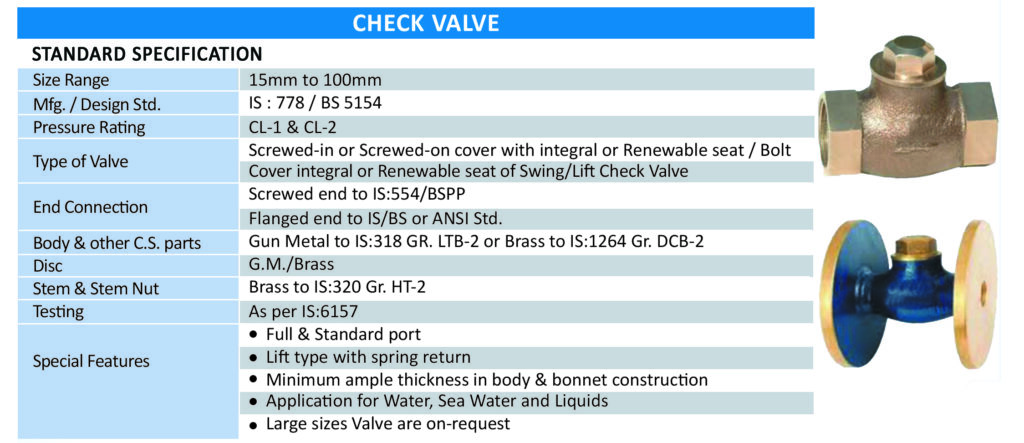
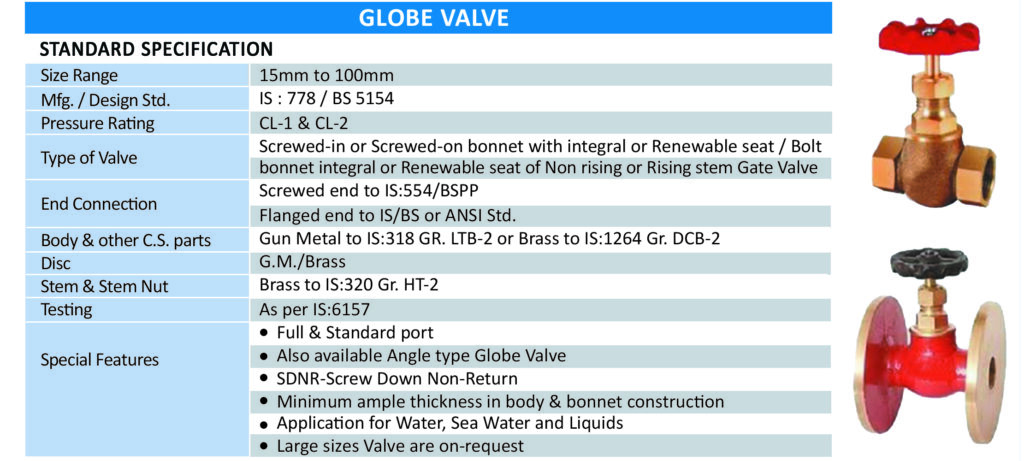
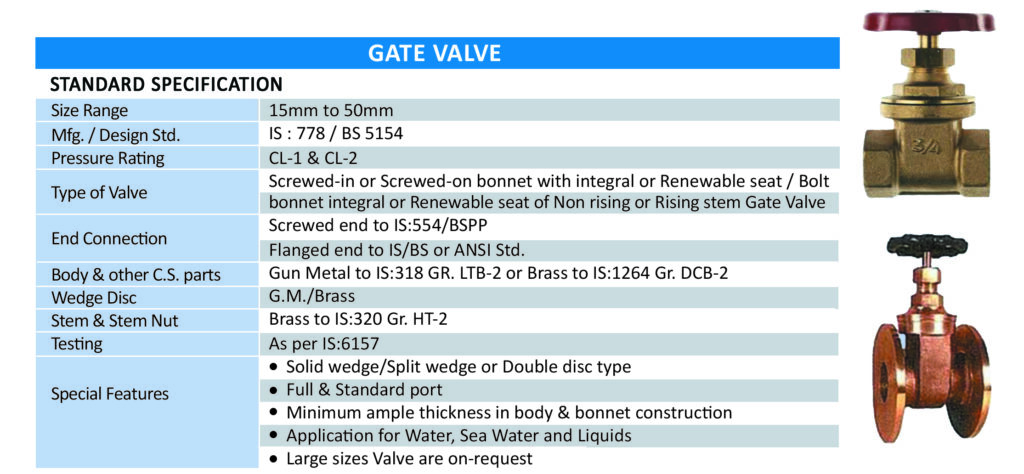
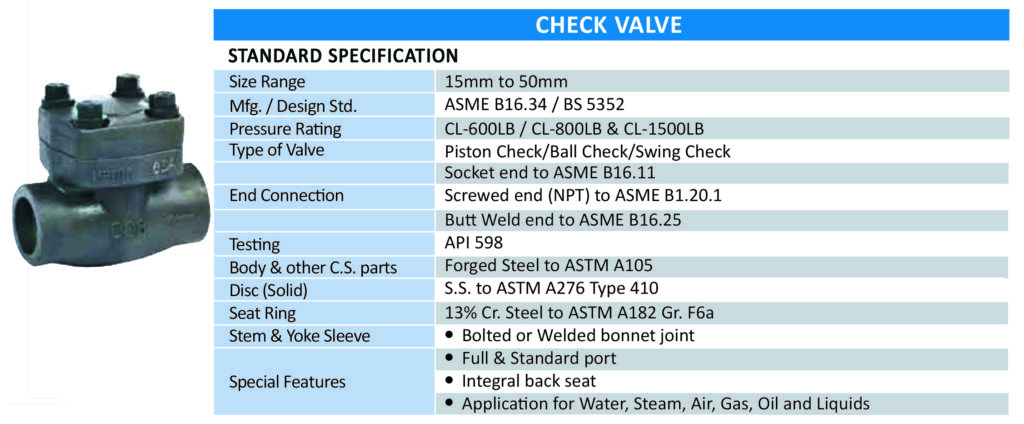
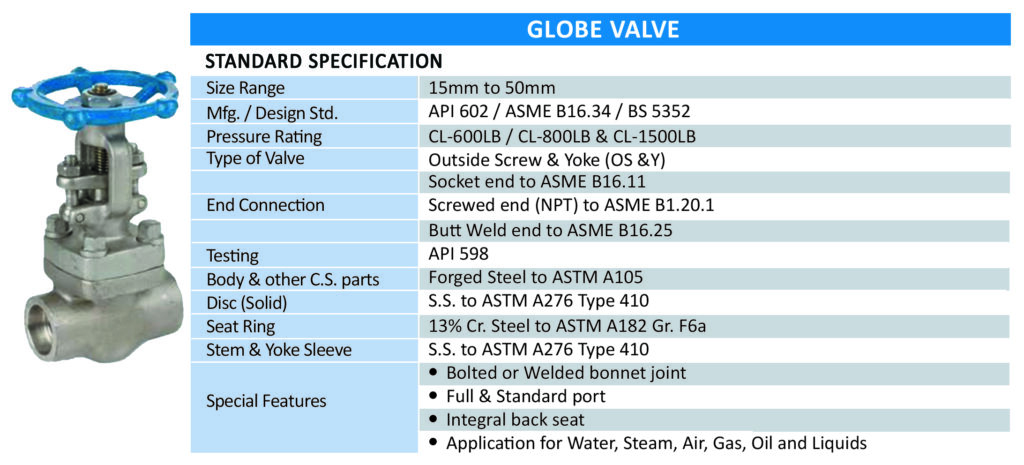
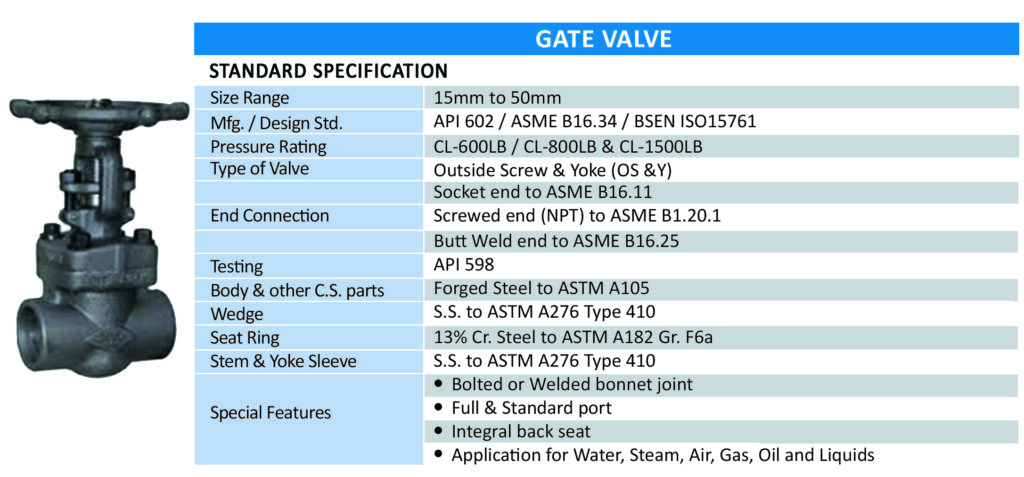
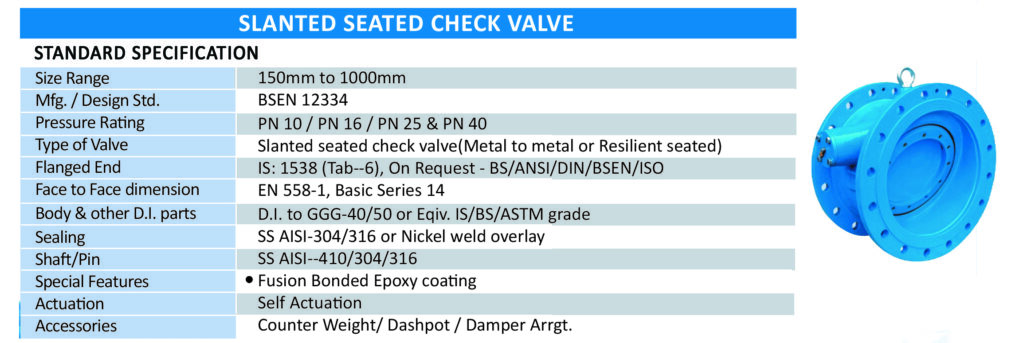
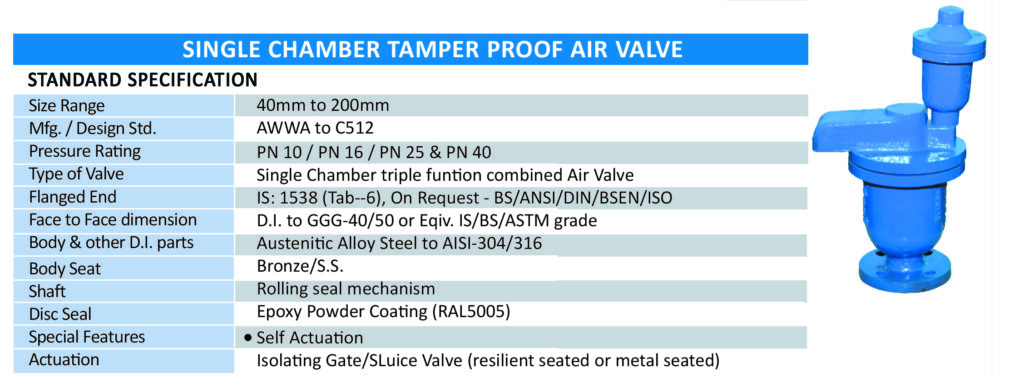
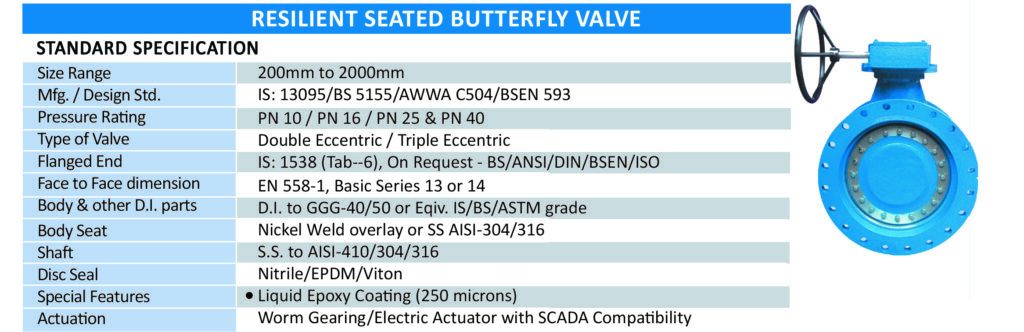
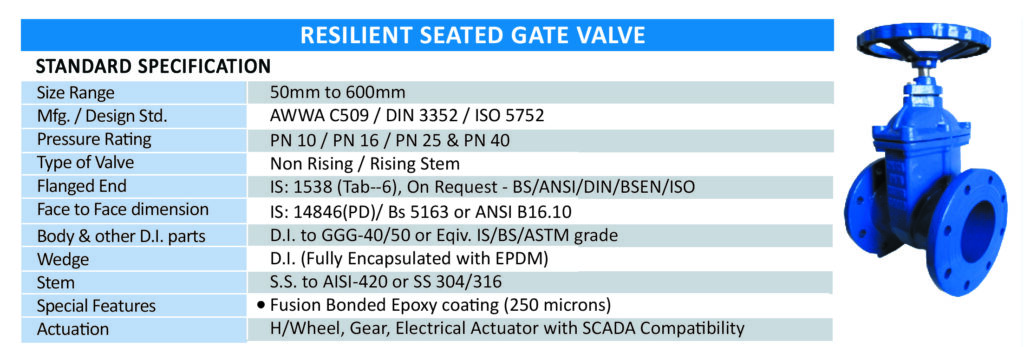
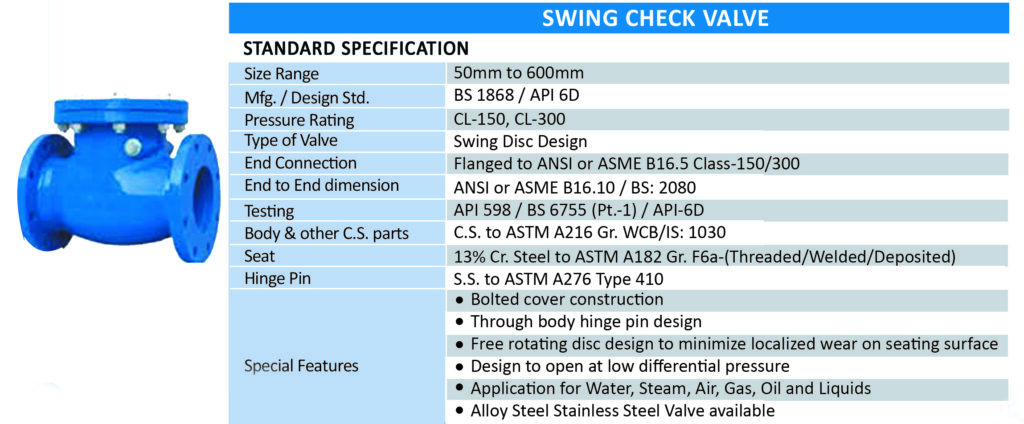
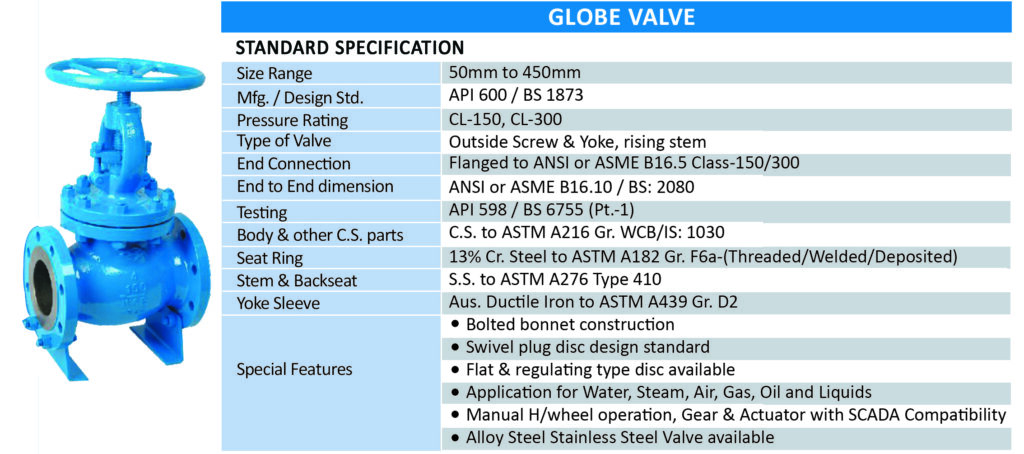
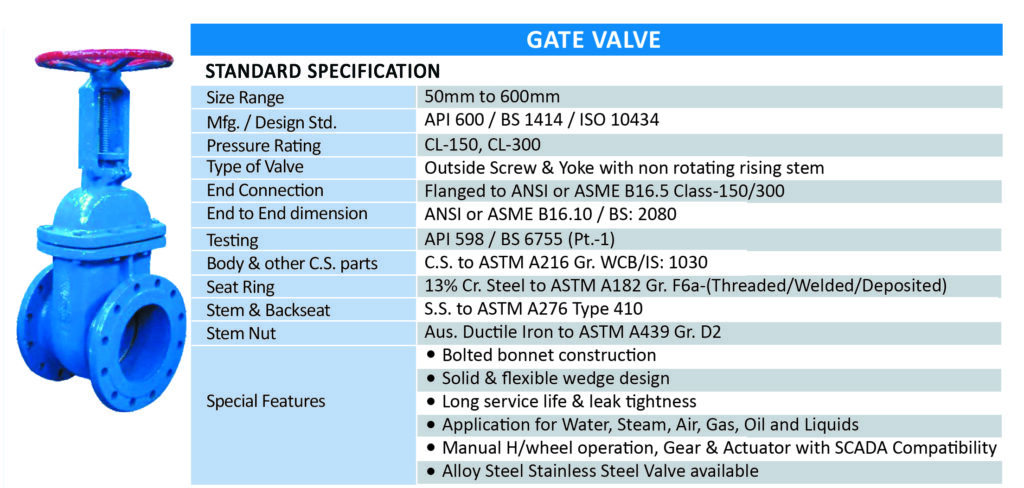
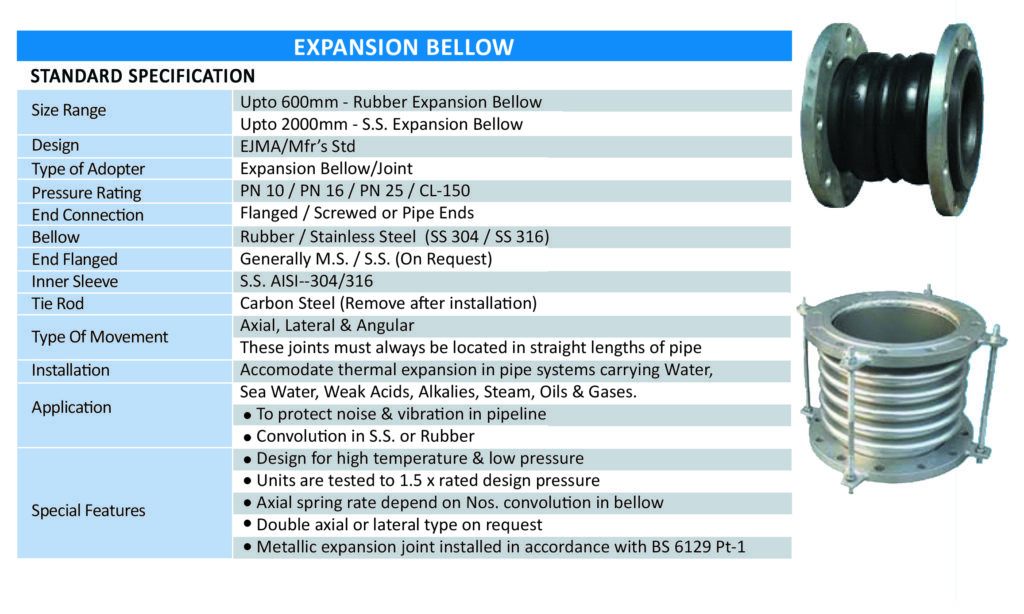
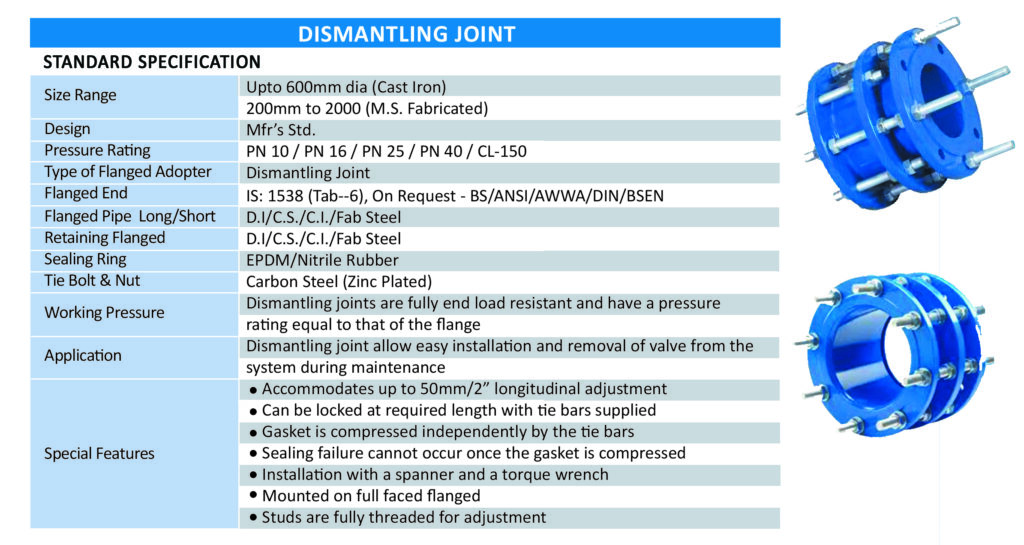
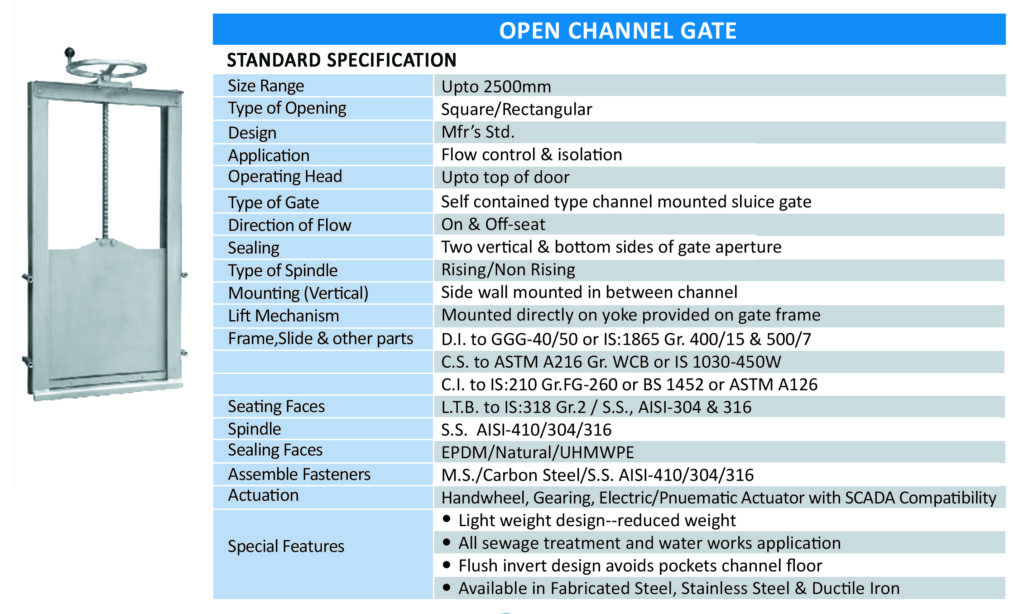
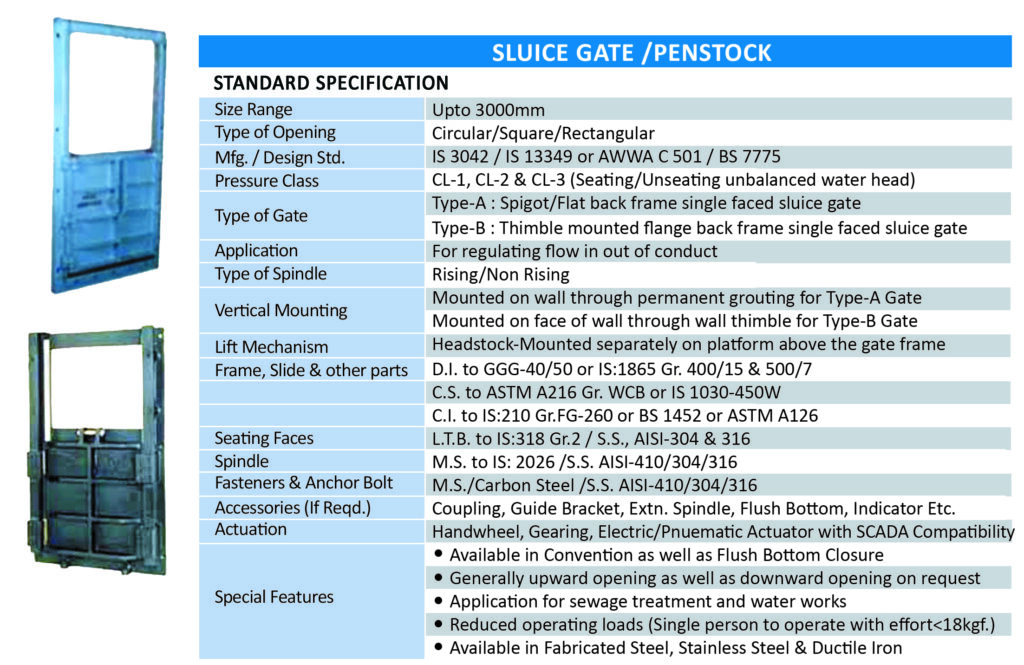
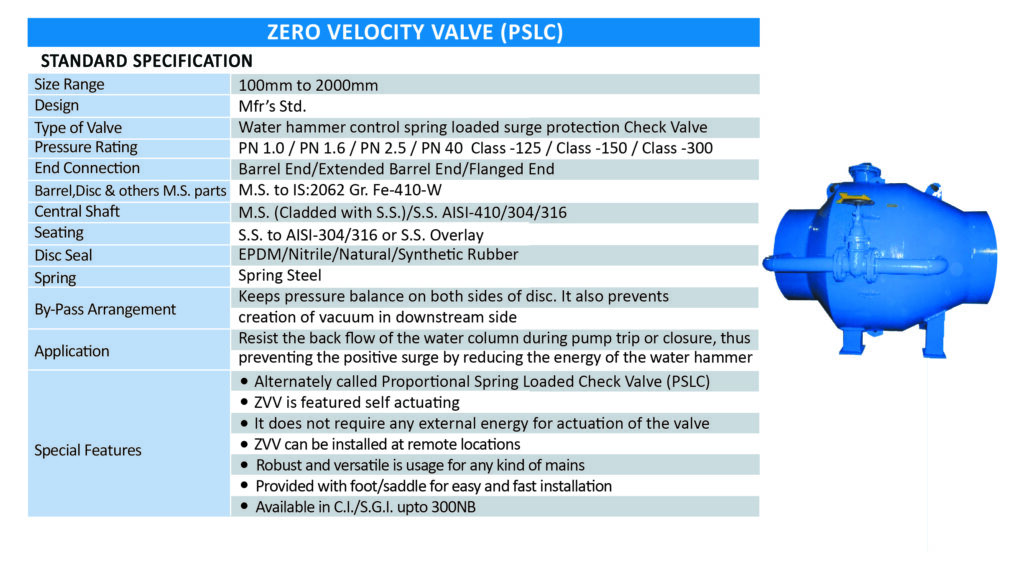
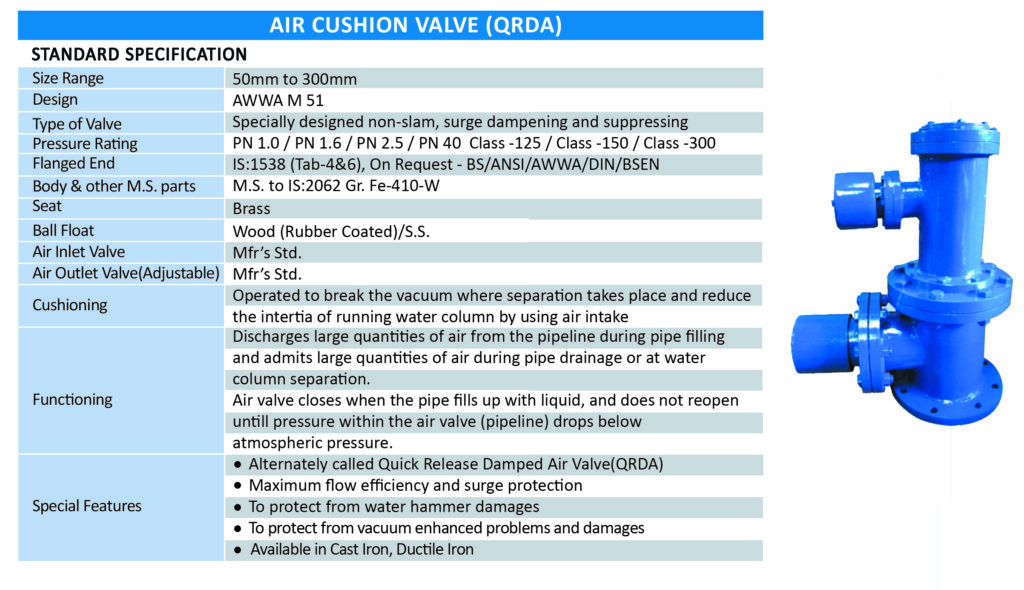
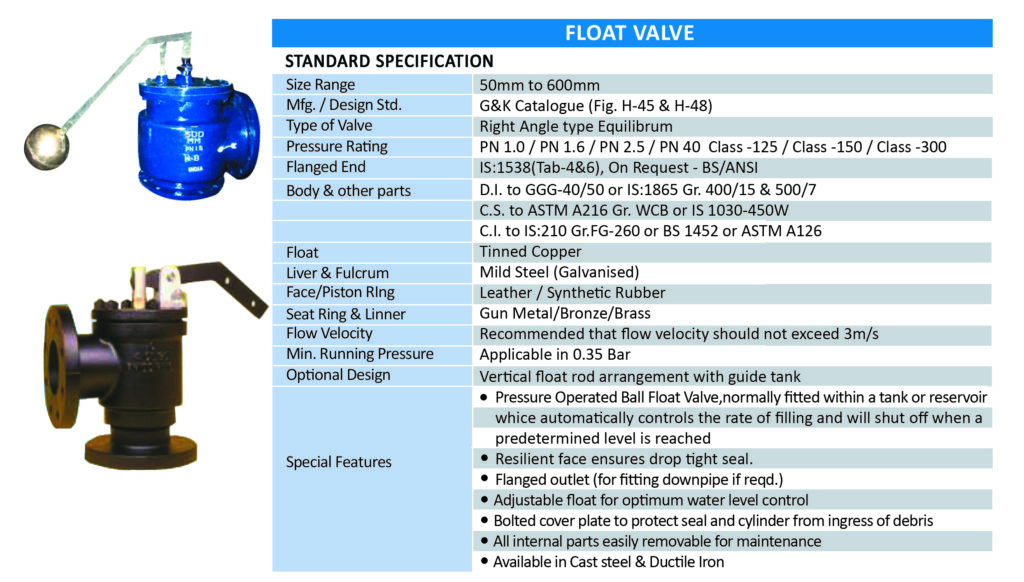
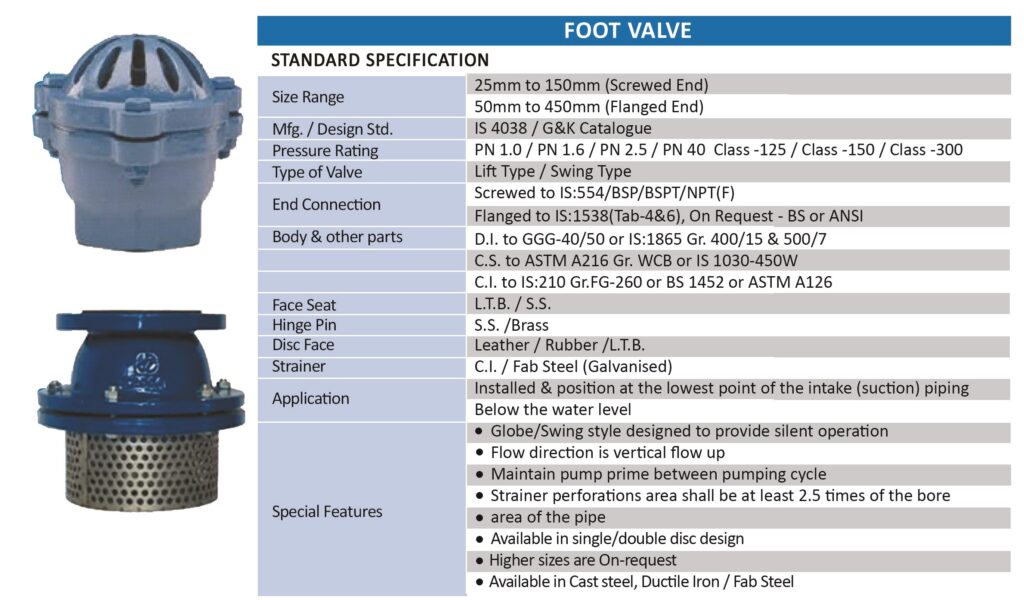
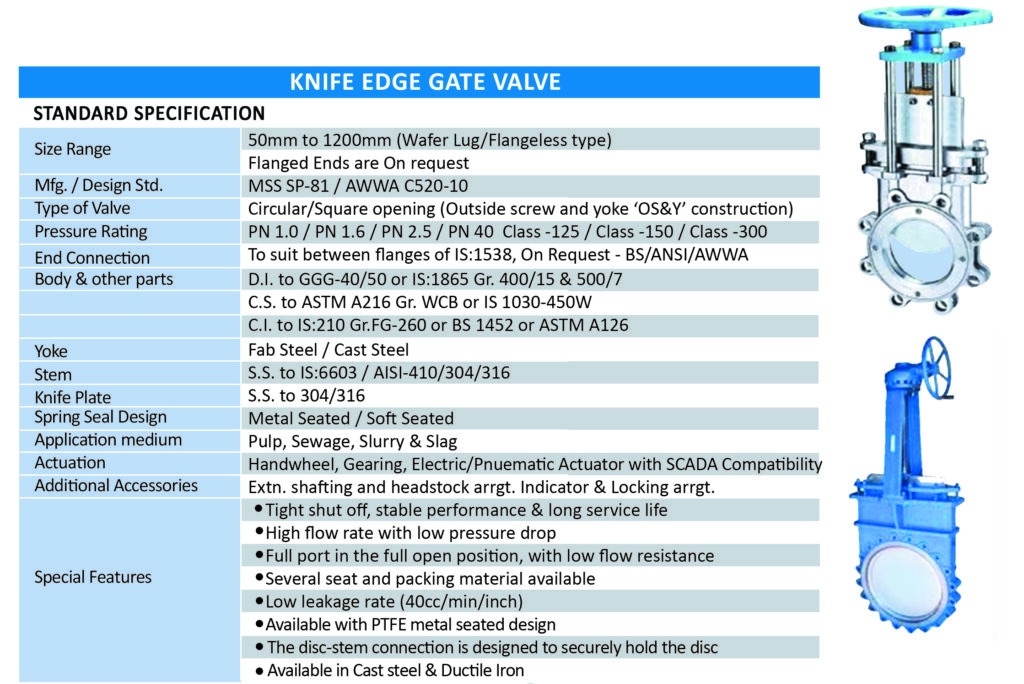
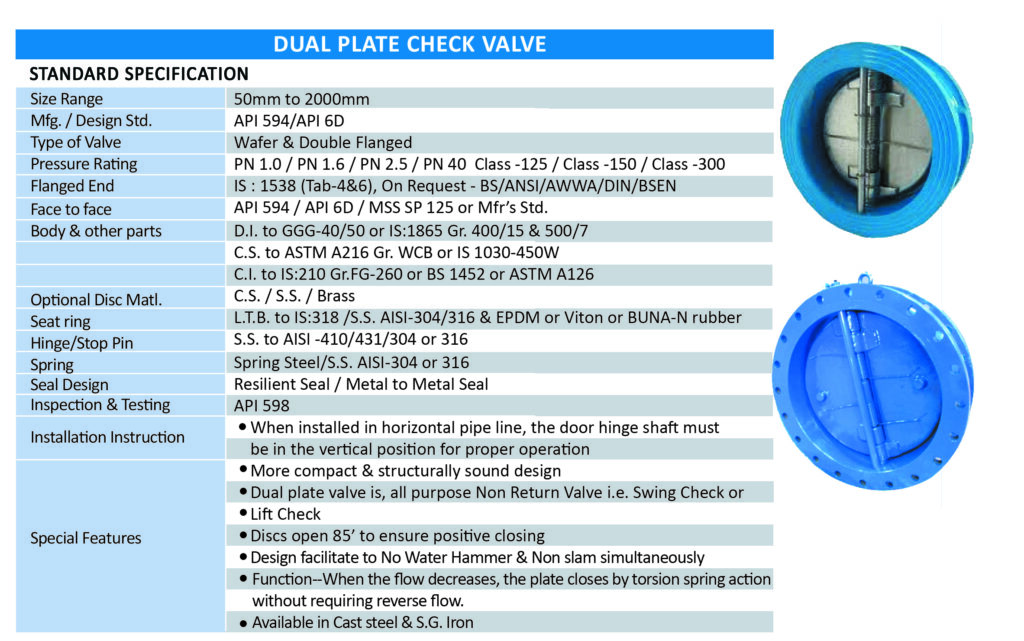
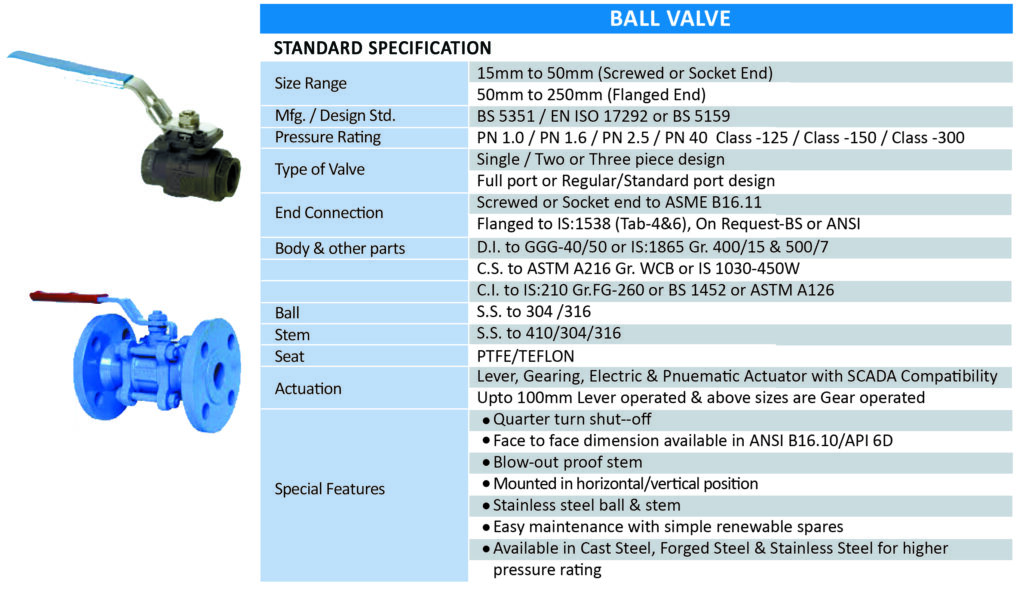
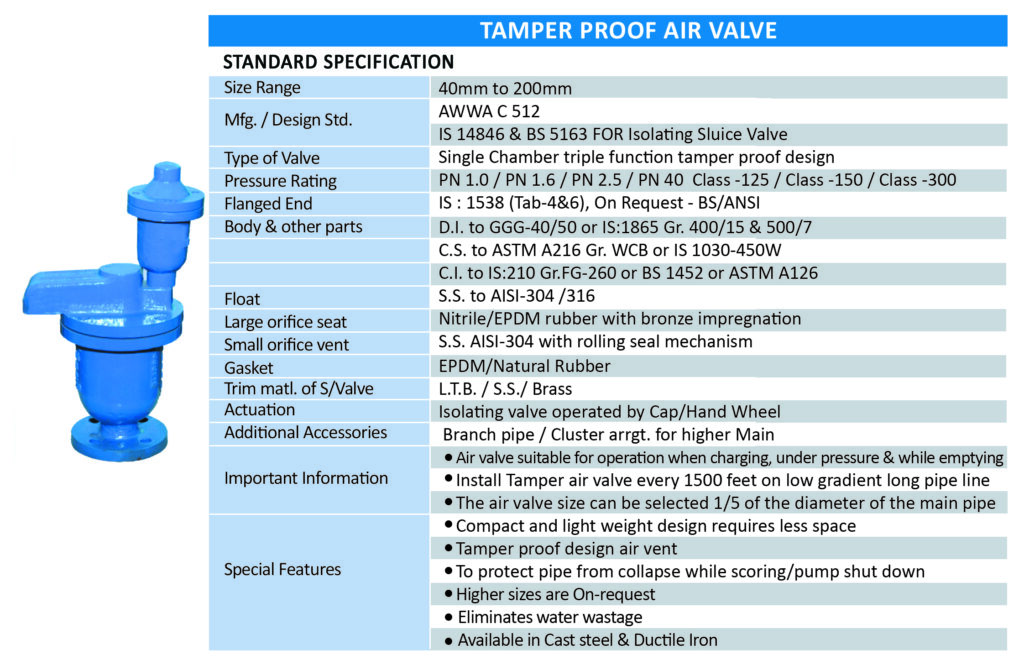
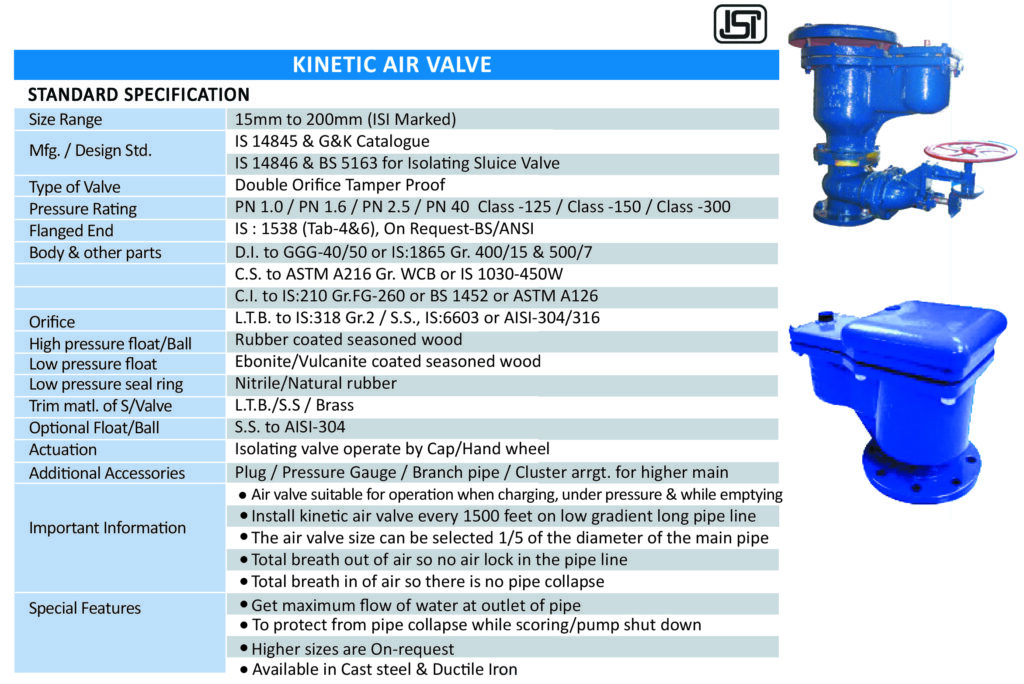
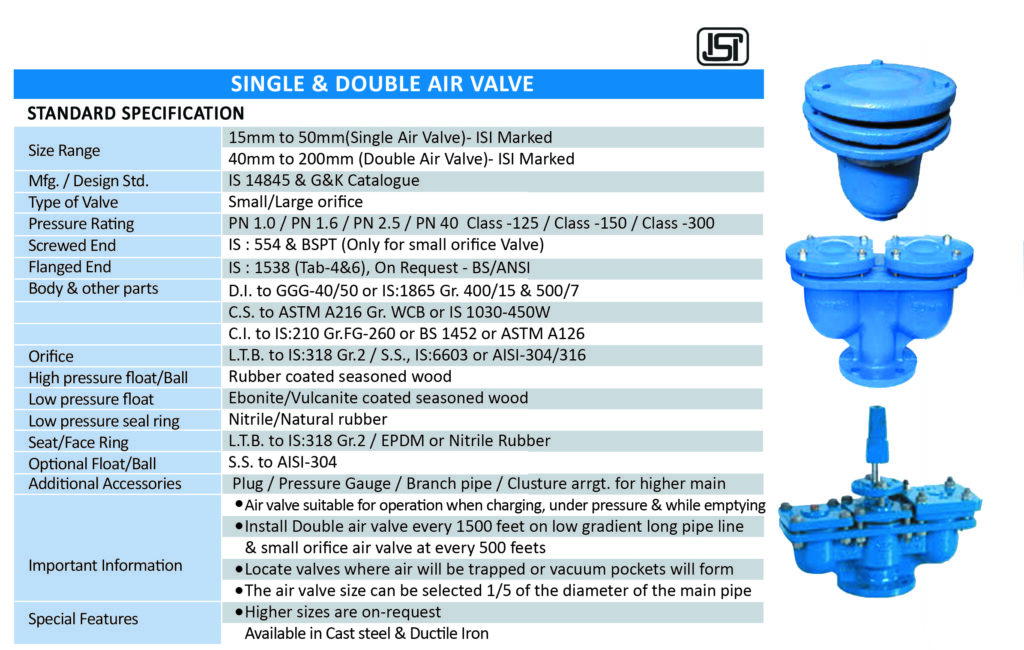
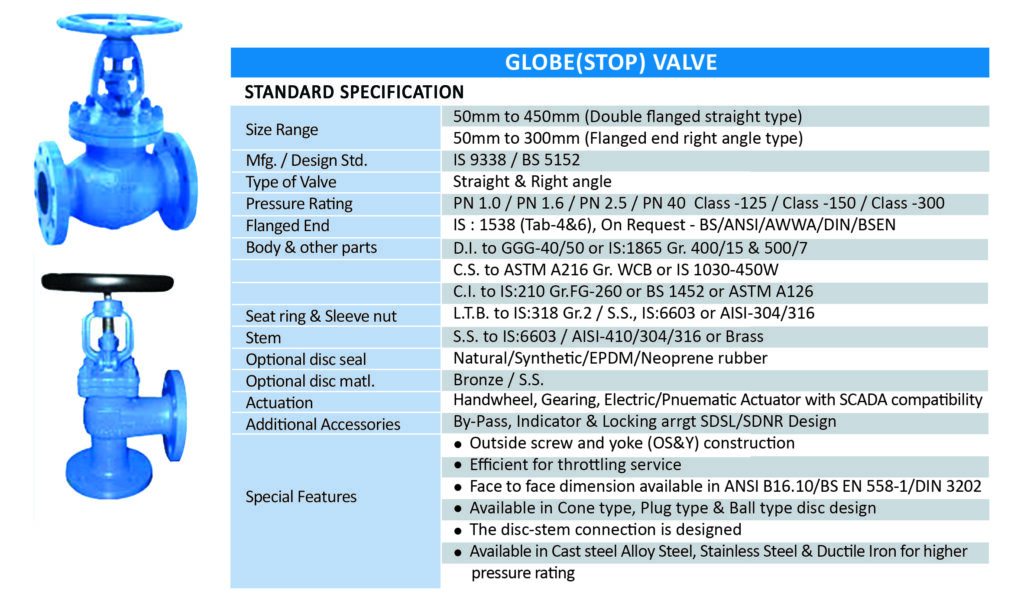
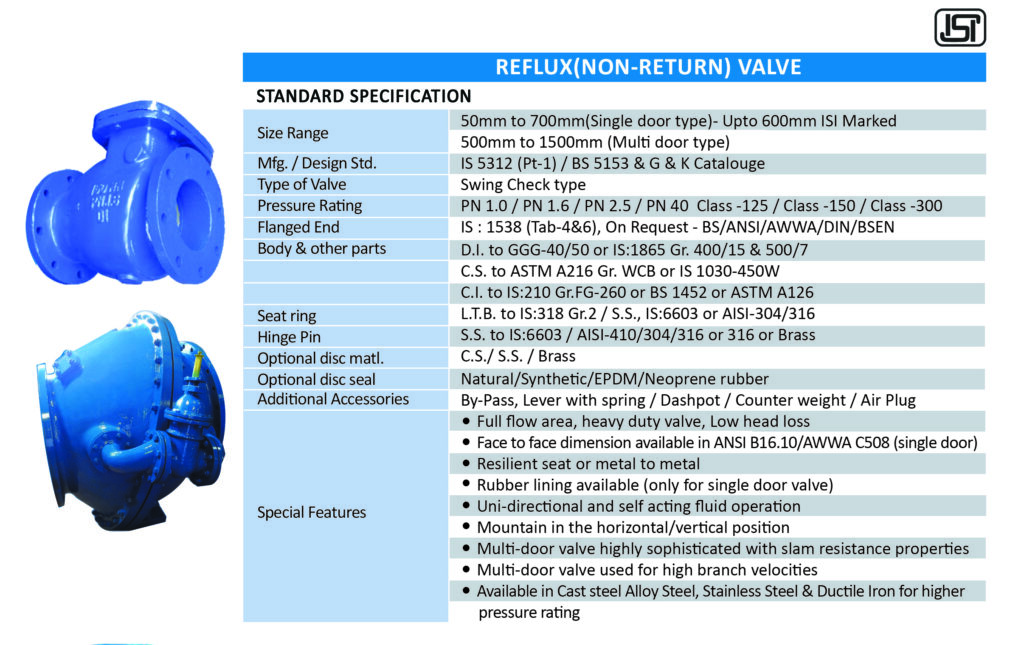
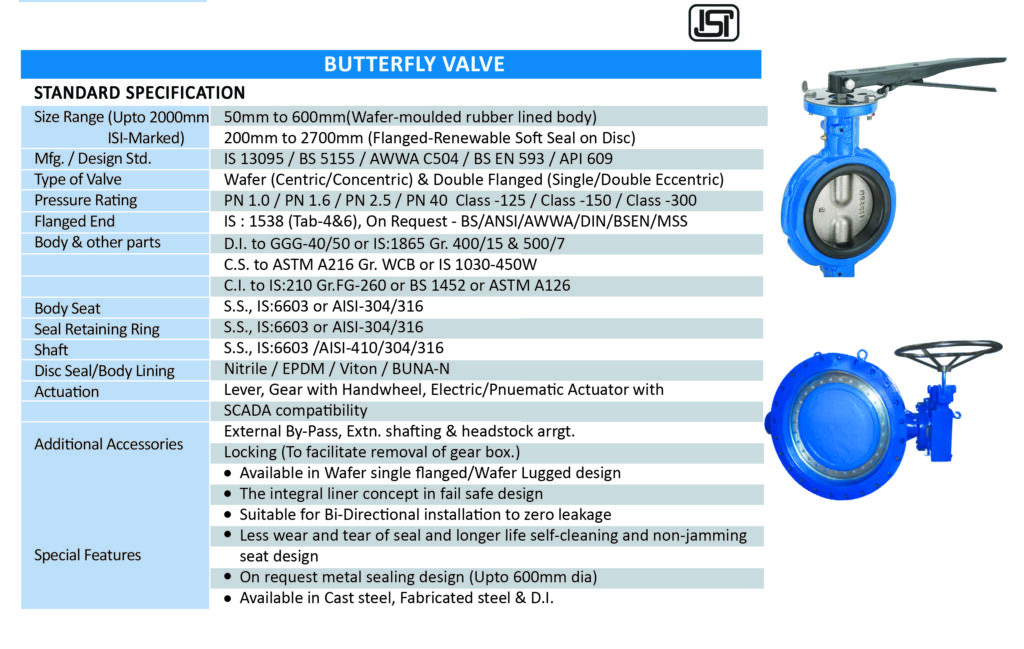
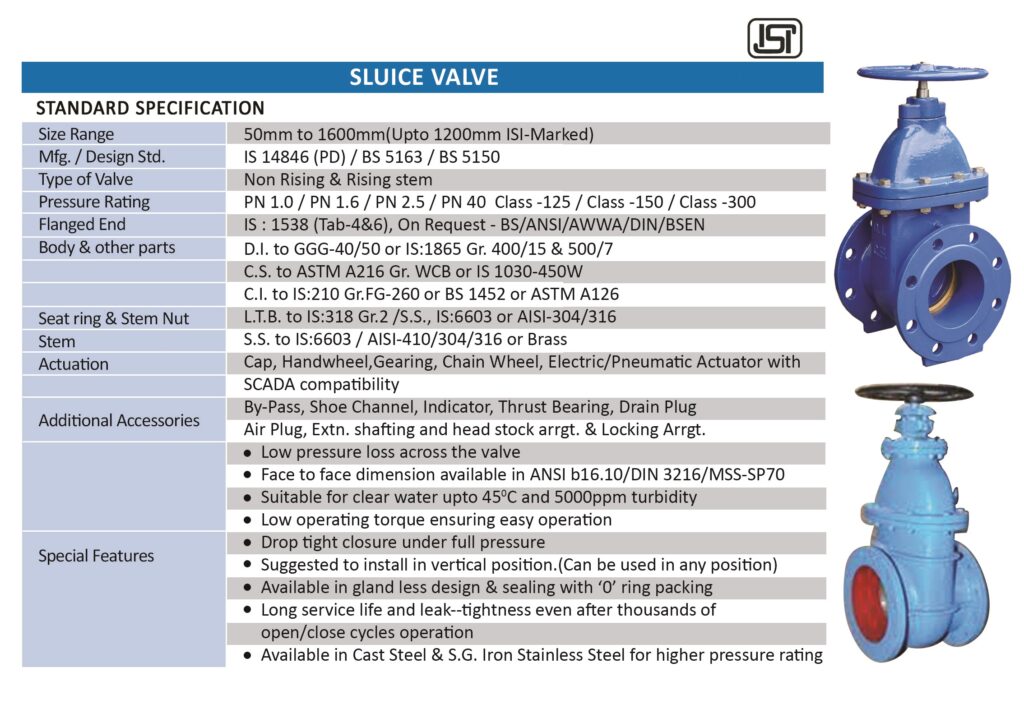
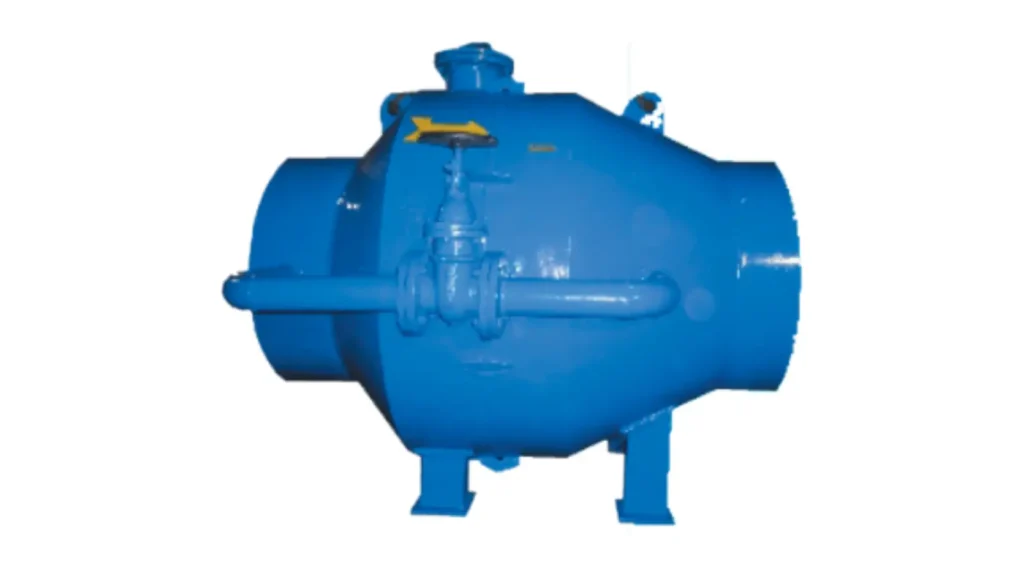
A vast product portfolio does not necessarily imply robust manufacturing capability; therefore, it is essential to verify the evidence supporting this. For instance, the product range of ‘Sri Krishna Industries’ includes resilient-seated gate valves, butterfly valves, swing check valves, dual-plate check valves, knife-edge gate valves, ball valves, sluice valves, air valves, and other flow control products.
That matters when your project involves several valve types. You can potentially coordinate requirements through one experienced supplier instead of managing multiple vendors for every component.
Which valve should you consider?
Requirement | Common valve choice |
Pipeline isolation | Gate valve |
Fast shut-off | Ball valve |
Large-diameter water service | Butterfly valve |
Preventing reverse flow | Check valve |
Slurry or demanding isolation service | Knife-edge gate valve |
Air management in pipelines | Air valve |
Water infrastructure isolation | Sluice valve |
The final choice should always follow the actual service conditions and project specification.
3. Don’t Ask Only About ISO Certificates
Certifications matter. But a certificate alone cannot tell you whether a particular valve is right for your project. Ask the manufacturer what quality controls sit behind the certificate. Useful questions include:
- What material will be used?
- What testing is performed before dispatch?
- Can you provide inspection documents?
- How is the product identified and traced?
- Can you support project-specific documentation?
These questions tell you much more about the supplier’s working process.
Shree Krishna Industries states that it follows ISO 9001:2015, ISO 14001:2015, and ISO 45001:2018. The company also states that it holds BIS licences for sluice, non-return, butterfly and air-release valves.
4. Ask for the Documents Before You Place the Order
Here is a simple step that can save you considerable trouble later.
Request the technical documents before finalising the purchase.
Depending on your project, you may need:
- Technical datasheets
- Product drawings
- Material details
- Applicable standards
- Pressure ratings
- Testing records
- Inspection documentation
- Installation information
- Operation and maintenance instructions
- Warranty details
If a supplier struggles to explain what documentation can accompany the valve, treat that as a warning sign. Infrastructure projects involve engineers, consultants, procurement teams, and inspection authorities. Everyone needs consistent information.
5. Compare Quotations Beyond the Final Price
Suppose Supplier A quotes ₹X. Supplier B quotes slightly more.
Should you automatically choose Supplier A?
Not necessarily. Compare the complete offer.
Check this | Why it matters |
Valve specification | Prevents application mismatch |
Material | Affects durability and compatibility |
Testing | Helps verify performance |
Documentation | Supports inspection and approval |
Delivery schedule | Protects project timelines |
Spare availability | Helps future maintenance |
Warranty | Reduces post-purchase risk |
Technical support | Helps resolve installation issues |
A cheaper valve is not cheaper if replacing it delays commissioning. Think total project cost, not purchase price alone.
6. Manufacturing Facility Matters More Than Marketing Words
You can learn a lot by looking at what happens behind the product. Shree Krishna Industries reports a 100,000 sq. ft. facility with facilities including a laboratory, pattern shop, powder coating plant, machine shop and casting foundry. That kind of infrastructure matters because manufacturing capability influences consistency, inspection, and response to project requirements. It also helps to ask whether the manufacturer has experience handling customised or project-specific requirements.
A catalogue shows what a company sells. A manufacturing setup tells you more about what it can actually deliver.
7. Ask About After-Sales Support Before You Need It
This question is often forgotten during procurement. Imagine your valve has been installed. Three months later, your maintenance team needs a replacement component. Who do you contact? If the answer is unclear, you have a future problem. Before buying, ask:
- Are replacement parts available?
- Can old valve models be supported?
- Is technical assistance available?
- How are warranty claims handled?
- Can the manufacturer identify the original product?
- What is the expected response time?
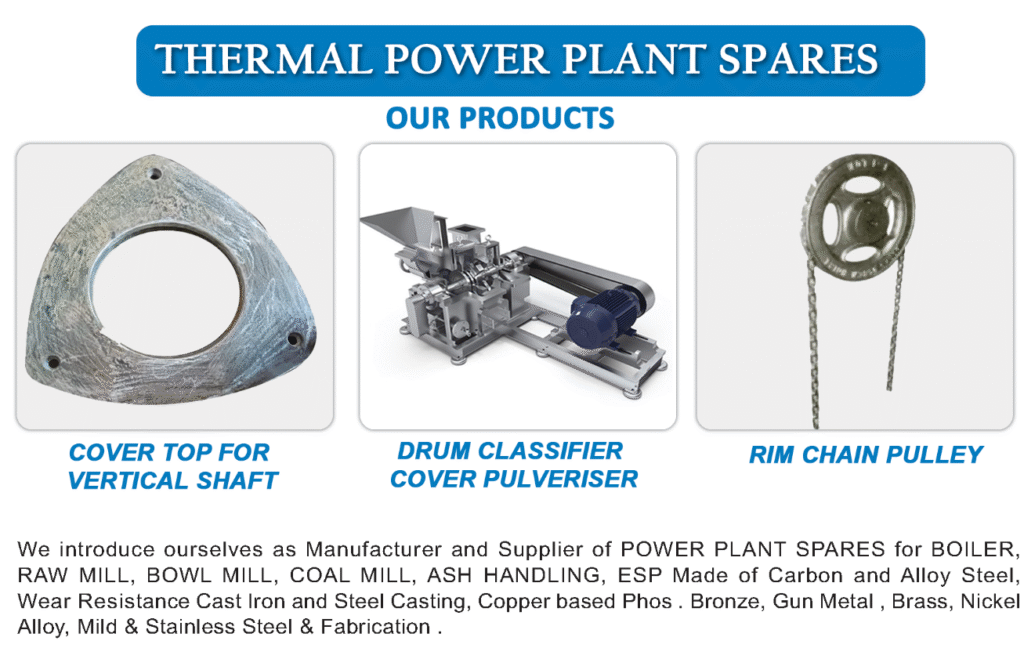
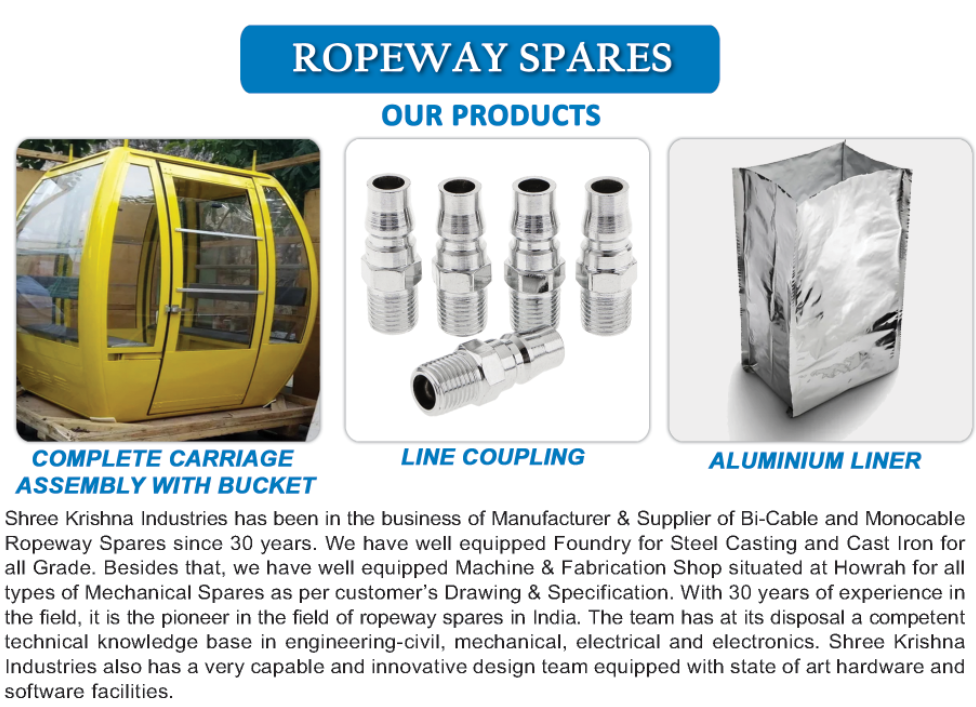
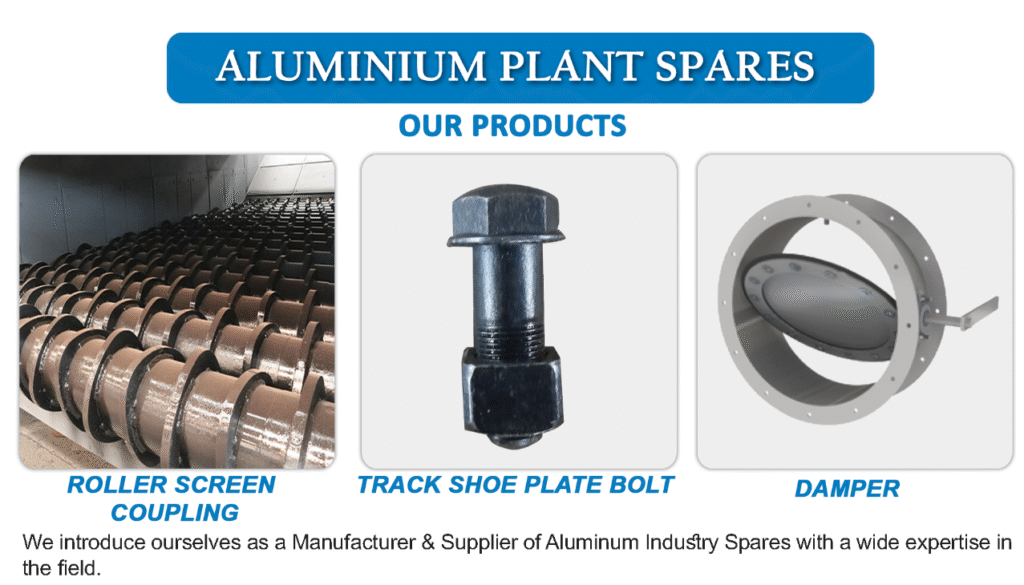
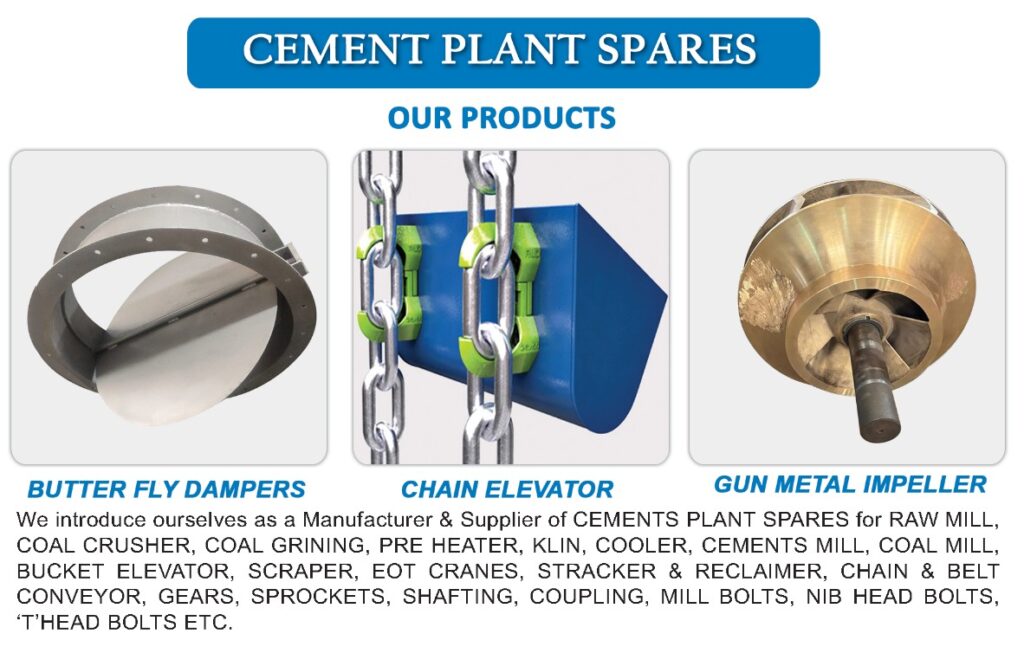
Shree Krishna Industries also manufactures industrial spares and fabrications, including components for thermal power, aluminium, cement and other industrial applications.
For long-life infrastructure, that wider support can be valuable.
8. Look at Relevant Project Experience
Don’t be impressed simply because a manufacturer lists many industries.
Look for experience relevant to your project.
A water infrastructure buyer should ask about water-related applications.
A power project should look for relevant power-sector experience.
And a large EPC contractor may also need a supplier capable of handling documentation, consistency, and volume.
Shree Krishna Industries’s website lists organisations including NTPC, Indian Railways, Larsen & Toubro, WBSEDCL, Chennai Metro Water and several government and industrial organisations among its clients.
That kind of project history gives procurement teams another factor to evaluate beyond the quotation.
9. Don’t Ignore the Manufacturer’s Ability to Understand Your Problem
This is our practical recommendation:
Give shortlisted suppliers the same technical requirements and compare their questions.
The better supplier often isn’t the one who replies first. It is the one who notices something you missed.
For example, if you provide only: Supply 200 mm butterfly valves. A purely price-focused supplier may send a quotation. A technically engaged manufacturer may ask about pressure, media, operating conditions, connection, material, and actuation.
That conversation itself is useful.
It tells you whether the supplier is thinking about your project or simply selling a product.
Your Industrial Valve Manufacturer Checklist
Before issuing your purchase order, check these 10 points:
- Application understood
- Correct valve type selected
- Size and pressure confirmed
- Materials specified
- Applicable standards verified
- Testing requirements agreed
- Documentation confirmed
- Delivery schedule realistic
- Spare and service support available
- Manufacturer’s project experience reviewed
If several of these boxes remain unanswered, don’t rush the purchase.
Why Consider Shree Krishna Industries?
For an infrastructure project, you want more than a catalogue. You want manufacturing experience, quality systems, product variety, and someone who understands the consequences of getting a specification wrong.
Shree Krishna Industries has roots in foundry operations dating back to 1968 and began its present business journey in 2013. Its website states that the company manufactures valves, pipe fittings, castings, manhole covers and gratings, along with spares and fabrications.
Its valve portfolio covers multiple infrastructure requirements, including gate, butterfly, check, knife-edge gate, ball, sluice and air valves.
That combination can be particularly useful when your project requires more than one type of flow-control component.
Final Question: What Should You Ask Before Buying?
Don’t end your supplier evaluation with: What is your best price? Ask: Can you demonstrate that this valve matches our application, specification, testing requirements, delivery schedule and long-term maintenance needs?
That single change can completely improve your procurement process. The right industrial valve manufacturer should not make your job harder. We believe the right supplier should help you make a better technical decision before the valve reaches your site.
For infrastructure projects, that is where reliability really begins.