|

Shree Krishna Industries

Edit Template

Author name: admin

Ductile Iron Castings
Blog

What Makes Ductile Iron Castings Cost-Effective?

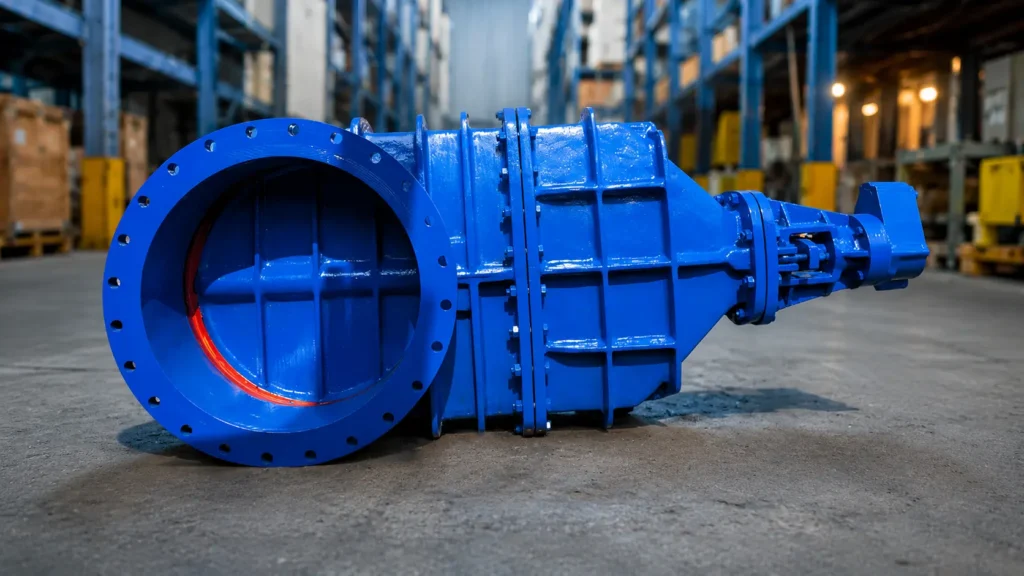
You don’t usually sit and compare materials for fun. You do it because something matters: your budget, your timeline, or the pressure to get things right the first time. So when you consider ductile iron castings, you’re not chasing theory. You’re trying to avoid problems later. We’ve worked with people who came to us after facing delays, mismatches, or repeated replacements. And almost every time, the conversation comes back to one thing: cost isn’t just what you pay today. The Real Question You’re Asking (Even If You Don’t Say It) You’re probably thinking: “Will this choice make my work smoother… or create more issues later?” That’s the right question. Because cost-effectiveness isn’t about the lowest quote. It’s about how much trouble you avoid after installation. It is not necessary to fuse several components. Separate parts do not need to be assembled. You receive one strong, cohesive framework. A professional cast iron foundry understands how to control pouring temperature and mould design, so your complex shapes form properly without defects. Where Ductile Iron Quietly Saves Your Money You may not notice it on day one. But over time, the difference becomes clear. 1. It Does Not Fail—Even Under Extreme Conditions You certainly wouldn’t want a component that buckles under pressure, thereby jeopardising your business operations. Ductile iron, however, behaves quite differently; it possesses the resilience to keep your machinery running smoothly, even in the most demanding environments. Rather than fracturing abruptly, it handles stress and shock exceptionally well. And instead of suffering a catastrophic failure, it merely deforms slightly. For you, this translates to: Protection against unexpected mechanical malfunctions or breakdowns. Reduced operational downtime. Minimised financial losses, thanks to a reduced need for emergency repairs. This single advantage alone can generate savings that more than offset any difference in your initial investment costs. That is precisely why it is in such high demand across all heavy industries. 2. You Don’t Keep Replacing It Again and Again Frequent replacements don’t just cost money; they interrupt your work. Ductile iron lasts longer in real conditions: It resists wear from daily use, it handles impact without damage, and it survives tough environments.  So when you work with the right ductile iron manufacturers, you’re choosing something that stays reliable without constant attention. 3. Your Design Doesn’t Become a Cost Problem Sometimes your design is complex. And that usually increases manufacturing cost. But ductile iron gives flexibility during casting. It allows shapes that don’t need excessive rework later. So you end up with: Lower machining costs Faster production cycles Better accuracy in the final product It simplifies what could have been complicated. 4. Maintenance Stops Being a Headache You already have enough to manage. You don’t need materials that demand constant checking. With ductile iron castings, things stay stable: Less frequent servicing Fewer unexpected issues More predictable performance It quietly reduces the number of things you need to worry about. Let’s Put It Into Perspective Here’s how it usually plays out when you look beyond just pricing: What You Compare What It Looks Like Initially What You Actually Experience Later Purchase Cost May seem slightly higher Balanced by a longer life Maintenance Feels manageable Turns out much lower Replacement Frequency Not obvious at first Happens far less often Performance Expected to be standard Stays consistent over time When you see the full picture, the decision becomes clearer. Why Choosing the Right Ductile Foundry Is More Important Than You Think In reality, even the highest-quality materials are rendered useless if the overall construction process is flawed or if the work is not executed by skilled craftsmen. For precisely this reason, selecting a reliable ductile foundry makes a truly significant difference and is of paramount importance to you. When every step is executed properly, and your products are crafted by skilled artisans, you are assured of consistent, high-quality products every single time. This is the standard that our craftsmen uphold at our facility. At our foundry, we meticulously adhere to your specific terms and specifications. By partnering with us, you will never have to face issues related to rework or delays. At ‘Shree Krishna Industries’, we place a strong emphasis on maintaining this very consistency, ensuring that neither you nor we ever have to encounter any unwanted or unexpected situations in the future. Areas Where You Will Experience the Greatest Benefits In sectors where efficiency and performance are of critical daily importance, you will experience the cost savings and financial advantages most distinctly: Water Pipelines and Supply Systems Infrastructure and Municipal Development Projects Industrial Machinery Components Vehicles and Engineering Parts In these fields, the durability and longevity of products have a direct impact on your operational costs. How We Work With You (Not Just Supply to You) We don’t just take orders and move on. We try to understand what you’re dealing with. So when you connect with us: We listen before suggesting anything We help you choose what fits your use And we align production with your exact needs We keep communication open throughout You stay informed, and your decisions feel easier. Let’s Keep This Real You’re not just choosing a material. You’re choosing how smoothly your work will run after installation. Ductile iron castings don’t just reduce cost; they reduce stress. At Shree Krishna Industries, we work with you to make sure what you choose today continues to support your work tomorrow. If you’re comparing options or still unsure, we’re here to help you figure it out without confusion or pressure. FAQs 1. Are ductile iron castings expensive? They may seem higher initially, but they save more later. 2. Why do people prefer ductile iron manufacturers? Because they offer long-term reliability and fewer failures. 3. Will I need frequent maintenance? No, maintenance is usually minimal and manageable. 4. Can ductile iron handle heavy usage? Yes, it performs well under pressure and stress. 5. How do I find the right ductile iron foundry in my area? First, you need to look at the company’s consistency, communication,
Castings Manufacturing
Blog

What Makes Castings Manufacturing Efficient Today?

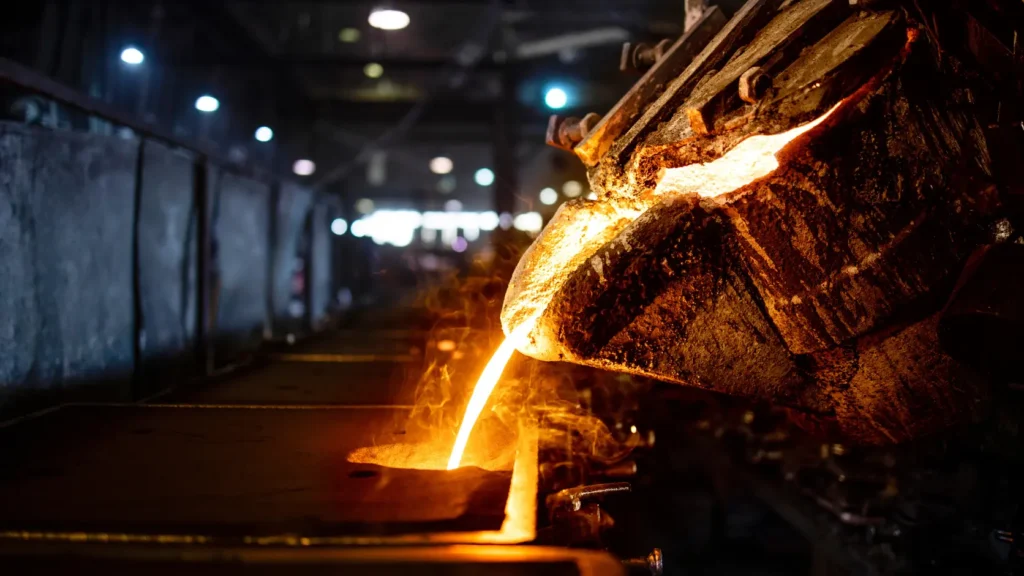
You usually don’t think about castings manufacturing when everything is working fine. It only comes into focus when something slows you down, maybe a delayed delivery, a mismatch in dimensions, or a batch that doesn’t perform the way you expected. That’s when efficiency stops being an industry term and becomes your everyday concern. We look at efficiency a little differently. We don’t see it as just faster production or bigger capacity. For us, it’s about how smoothly your entire experience flows, from your first enquiry to the moment your components start performing the way they should. Efficiency Starts With Understanding You, Not Just Your Drawing Before any metal is melted or a mould is prepared, something more important happens: your requirement needs to be understood properly. You might come with detailed specifications. Or you may simply explain what you need the component to do. In both cases, the way we listen changes everything. A reliable castings manufacturing company doesn’t rush this stage. Instead, we take time to understand your application, your constraints, and your expectations. Because when this part is clear, production becomes smoother, and you don’t have to deal with corrections later. Planning That Feels Invisible – but Changes Everything You may never see the planning stage, but you definitely feel its impact. When planning is weak, you notice delays, confusion, and last-minute changes. When planning is strong, things just move without friction. Efficient castings manufacturing today relies on the following: Thoughtful scheduling instead of reactive adjustments Balanced workload instead of rushed production Defined timelines that you can actually trust From your side, it simply feels like things are under control. Consistency is what builds your confidence Anyone can deliver an excellent batch for you, at least once. But the true test lies in whether the subsequent batch meets the same standard and the one after that, too. It is precisely at this stage that true competence gradually becomes apparent to you. A reliable casting supplier prioritises consistent quality not just once, but every single time, much like we do at our factory. This quality is achieved through a combination of factors: strictly controlled processes that remain unchanged without justification; standardised operating procedures followed throughout the production cycle; and continuous verification that identifies potential issues right at the outset. Consequently, instead of scrutinising every delivery with a sceptical eye, you begin to place your trust in the results. Technology Helps – But Only When It Supports the Process You’ll hear a lot about automation and modern systems. And yes, they do make a difference. But efficiency doesn’t come from machines alone. It comes from how those systems are used. Today, efficient foundries combine: Real-time monitoring that keeps production stable Precise control over temperature and materials Digital inspection tools that reduce human error For you, this means fewer surprises and better alignment with your specifications. Communication Silently Boosts Efficiency You may not typically view communication as an integral part of the production process, but it is essential to recognise that it influences every aspect of it. When updates are unclear or delayed, your plans suffer. Conversely, when communication flows smoothly, your work becomes significantly easier. By partnering with an efficient casting manufacturing firm, you can rest assured regarding project deadlines. You will receive timely updates without even having to ask; whenever you require information, you will obtain rapid and clear insights, a process that, without you even realising it, effectively reduces your workload. Cost Efficiency Is More Than Just the Quotation You naturally compare prices. But real efficiency shows up after the purchase. When processes are well-managed: Material wastage is minimised Rework becomes rare Delays don’t disrupt your schedule So your overall cost stays under control—not just the initial price. What You Actually Experience When Things Are Efficient When Efficiency Is Missing When Efficiency Is Done Right You keep following up You stay informed automatically Quality keeps changing Output feels consistent Deadlines feel uncertain Timelines become reliable Rework becomes frequent Errors are reduced significantly This is the difference that directly affects your work. Choosing the Right Castings Supplier Matters More Than Ever Not every castings supplier approaches efficiency in the same way. Some focus only on producing more. Others focus on making the process smoother for you. When you’re deciding, it helps to look at things from your perspective: Do they communicate clearly? Do they deliver consistent quality? Or, do they respect timelines? Because these are the factors that shape your real experience. Where You Will Notice It Most You begin to perceive the true impact of efficiency precisely when your work depends on both punctuality and precision. Even a minor delay or a slight error can gradually ripple through and affect everything around it. You will experience this difference most acutely in the following areas: Construction and infrastructure projects, where deadlines are extremely tight Component manufacturing, where a perfect fit is essential for proper functionality Automotive parts, which must strictly adhere to rigorous quality standards Large-scale production orders, where a single issue can recur across multiple batches In these scenarios, small gaps no longer remain small, they quickly escalate into major problems. How We Keep Things Simple for You at Shree Krishna Industries We don’t try to make things sound complicated. We focus on making your work easier. When you work with us: We understand your requirement before starting We keep our process structured and controlled Our skilled team maintains consistency across every batch And we keep you informed without you chasing updates You don’t have to manage us; we align with you. Let’s Keep This Real and Practical There is no need for you to personally oversee the entire process; in fact, it involves technical intricacies that you would likely find difficult to decipher. Please leave this matter entirely to us. Your only requirement is that the operation proceeds smoothly and efficiently, without imposing any additional burden or effort upon you. In today’s world, this is precisely what defines truly proficient ‘casting manufacturing’. Therefore, this concept extends

Agricultural Castings
Blog

Why Are Agricultural Castings Important in Modern Farming?

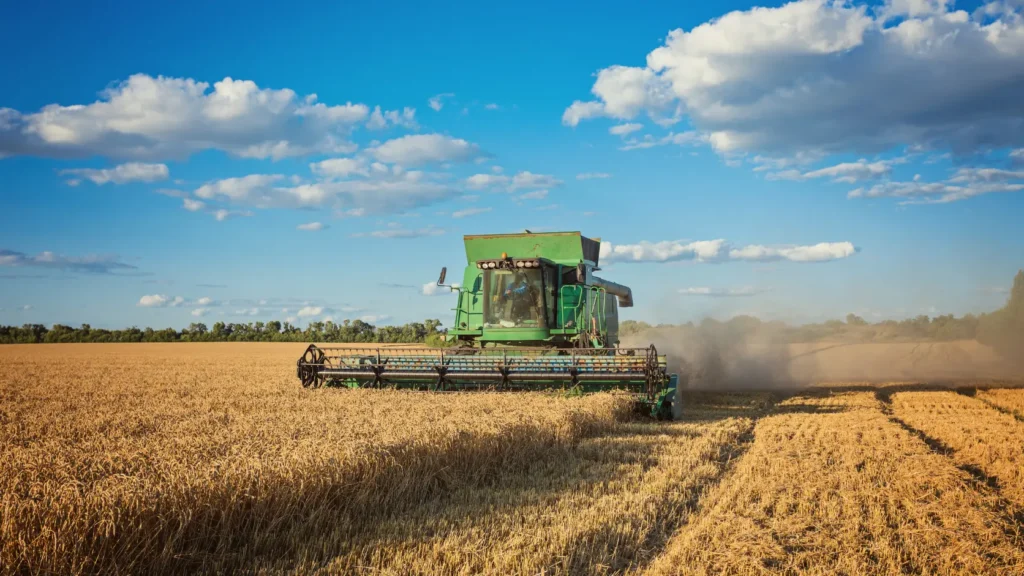
Farming today looks very different from what it was decades ago. Fields are larger, work needs to move faster, and farmers depend heavily on machines to manage daily tasks. If you look closely at those machines, you’ll notice something interesting. Behind their power and reliability are strong metal components that quietly do their job every day. Agricultural Castings are the source of many of those components.  Cast metal components are crucial to modern farming, from heavy machinery preparing soil to tractors operating in muddy fields. Without them, the harsh environment of agricultural work would be difficult for robots to endure. Let’s examine the importance of these castings and how they support agricultural productivity. Understanding Agricultural Castings It’s helpful to understand what Agricultural Castings are before exploring further. Simply put, these are metal components suitable for use in agricultural machinery, crafted by artisans through the casting process. They pour molten metal into molds and allow it to cool and solidify; subsequently, they apply precise finishing touches to prepare them as durable parts for the machinery. These components are designed by the artisans in such a way that they can effortlessly withstand the harsh and demanding conditions of real-world agricultural environments. Consider the environment where agricultural equipment operates. Machines move across uneven fields, carry heavy loads, and often work long hours without stopping. Because of this, manufacturers rely on durable cast metal components. Castings are frequently used in tractor parts, earthmover parts, and crane parts. Each of these elements helps machines perform reliably in challenging conditions. Why Modern Farming Relies on Agricultural Castings If you spend time around farms, you’ll quickly see how much work machinery handles today. Preparing soil, planting, transporting materials, and harvesting all depend on equipment. For these machines to run smoothly, they need parts that can handle stress, weight, and constant motion, which is where Agricultural components become invaluable. The importance of these castings can be highlighted in a few ways: Ability to Handle Tough Farm Tasks It’s uncommon for agricultural machinery to operate in mild conditions. Tractor components endure significant stress when pulling heavy loads on rough soil. Earthmoving machines face similar pressure during land preparation. Strong Agricultural components provide the durability needed for these demanding tasks. Cast metal parts help machines remain reliable even in harsh field conditions, as they are able to endure stress and vibration. Strength and Longevity During Long Hours of Work During planting and harvest seasons, farm equipment often runs continuously. Imagine lifting heavy loads all day in dusty fields—that’s what agricultural machinery is built for. Components made from Tractors Parts Castings are designed to endure this workload. Their durability ensures that machines remain productive when farmers need them most and helps reduce unexpected breakdowns. Adaptability to Harsh Environments Stress on farming equipment isn’t just mechanical; extreme temperatures, dirt, dust, and moisture are common. Weak components quickly become damaged under such conditions. High-quality agricultural castings are designed to resist abrasion and maintain structural integrity in tough environments. This ensures equipment operates effectively season after season. Improved Machine Performance Through Precision Modern farming equipment comes for maximum efficiency. To ensure smooth operation, every part must fit perfectly and work correctly. Cast metal parts allow manufacturers to create complex shapes that fit precisely within machinery systems. Whether it’s Earthmover Parts Castings or specialised tractor components, accurate casting enhances overall machine performance. Supporting Various Types of Agricultural Equipment Agriculture uses different types of machinery, and each requires strong parts Tractor Components Tractors are the backbone of farming, relying on durable castings to handle heavy workloads. Earthmoving Machinery Used in land preparation, these require strong castings for demanding tasks. Lifting and Material Handling Equipment Needed to transport heavy materials, these machines benefit from dependable castings. Each casting type plays a distinct role in supporting modern farming machinery. The Importance of High-Quality Agricultural Castings Poor-quality parts can cause major problems in tough conditions. Weak components wear out quickly, leading to frequent repairs and reduced productivity. High-quality Agricultural components help prevent these issues. Strong castings improve machine stability, extend lifespan, and lower maintenance costs. For farmers and operators, reliability is crucial. Choosing the Right Casting Manufacturer If you rely on agricultural machinery, the quality of its parts matters greatly. A reputable casting company emphasises accuracy, strength, and consistent quality standards. At Shree Krishna Industries, we understand how vital reliable components are for agricultural equipment. Our dedicated team produces robust agricultural components designed for demanding uses. We manufacture durable solutions, including:  Tractor Parts Castings  Earthmover Parts Castings Crane Parts Castings Our skilled team crafts each product with a focus on strength, precision, and long-term performance. Let’s Build Stronger Machinery Together Machines that work hard every day are essential to modern farming. The parts powering these machines must be tough, reliable, and long-lasting. That’s exactly what high-quality agricultural castings provide. At Shree Krishna Industries, we are dedicated to supporting agricultural equipment manufacturers with dependable casting solutions. If you’re looking for reliable tractor parts castings, earthmover parts castings, or crane parts castings, our team is ready to assist. Contact us today to discover how strong castings can help build more durable machinery for today’s farming.

Ductile Iron Manufacturers
Blog

How Ductile Iron Manufacturers Ensure Strength and Durability?

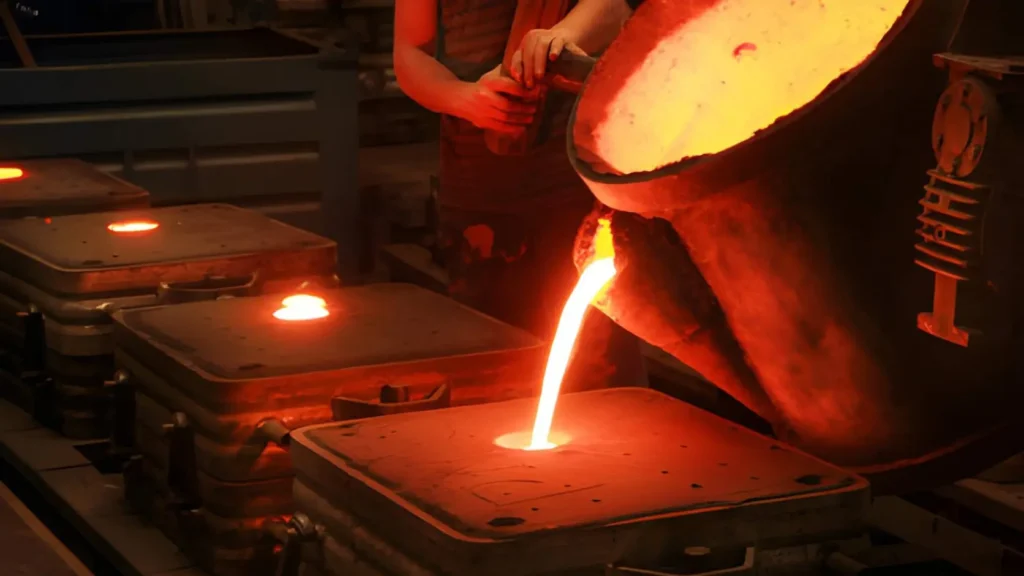
When you build machines, pipelines, or heavy equipment, you want materials that last. Nobody wants parts to fail unexpectedly. A small crack inside a component can stop an entire system. That is why experienced ductile iron manufacturers put enormous effort into strength and durability. When you look at a finished cast object, it is quite natural to assume that it is a rather simple thing. In reality, however, every robust casting is the product of meticulous engineering, rigorous oversight, and decades of manufacturing experience. For a long time, we have been successfully supplying such iron castings to a wide range of industries. We do not merely melt iron and pour it into a mould; rather, our skilled craftsmen meticulously manage the entire process—step by step—to produce a truly durable casting. As a result, we can guarantee that our castings will withstand the stresses of pressure, heat, and continuous heavy-duty use. Let us walk through how this strength is actually created. Why Ductile Iron Is Trusted Across Industries Many metals look strong on the outside. Yet when stress increases, they break suddenly. Traditional cast iron is one such example. Ductile iron behaves differently. It handles pressure in a smarter way. Inside the metal, graphite exists as round nodules instead of thin flakes. Those tiny nodules spread stress evenly throughout the structure. Because of that internal design, the metal bends slightly before breaking. For you, this means fewer failures and longer service life. Industries depend on ductile iron castings because they offer a rare combination: strength, flexibility, and durability. Everything Begins with the Right Raw Materials If the ingredients are wrong, the final product cannot be strong. Reliable ductile iron manufacturers start by carefully selecting raw materials. Every element inside the molten metal must remain within controlled limits. Carbon, silicon, magnesium, sulphur, and other elements influence the final properties of the casting. Even small variations can affect strength. Before production begins, we analyse the metal composition. This step ensures the base material already meets strict requirements. Think of it as building a house. If the foundation is weak, nothing above it will last. Precision Melting Makes a Huge Difference Melting iron is not just about heat. The temperature, timing, and treatment process all matter. Inside the furnace, technicians monitor the molten metal constantly. The chemical balance must remain stable while the metal reaches pouring temperature. At the right moment, magnesium treatment is introduced. This step transforms the internal graphite structure and creates the ductile property. You may never see this transformation, but it changes everything inside the metal. If this stage is rushed or poorly controlled, the final casting may lose its toughness. That is why skilled metallurgical supervision is essential throughout the melting process. The Role of Intelligent Mould Design After melting, the next step determines how the metal takes shape. Mould design affects far more than appearance. It controls how molten metal flows, cools, and solidifies. If the metal cools unevenly, internal stress may develop. Air pockets may also form inside the casting. Both situations weaken the component. Experienced ductile iron manufacturers design moulds that guide the metal smoothly through the cavity. This allows the casting to solidify evenly and maintain structural integrity. When you install the final component, you benefit from this invisible engineering. Heat Treatment Strengthens the Structure Further Some industrial applications demand even higher performance. Pipelines may face pressure fluctuations. Machinery parts may experience constant vibration. Automotive components must handle repeated load cycles. To prepare castings for these conditions, manufacturers sometimes apply heat treatment. During this process, castings are heated and cooled under controlled conditions. The internal metal structure reorganises itself, becoming tougher and more fatigue-resistant. Because of this treatment, ductile iron castings can endure years of heavy service without significant damage. You get reliability where it matters most. Continuous Testing Safeguards Your Product Quality You certainly would not want your machinery to fail repeatedly, nor would you want any substandard components to enter your production system. For this very reason, if you are involved in the industrial sector and are looking to procure machinery, thorough inspection plays a critically important role for you. As one of the responsible manufacturers of ductile iron, we rigorously test every batch before shipment. At Shree Krishna Indusries, we deliver products to our clients only after our engineers have verified the metal’s tensile strength, ductility, and impact resistance. In fact, utilising specialised equipment, our team also inspects the internal microstructure of the castings. This ensures that the graphite nodules have formed correctly. Dimensional testing ensures that the casting conforms to the required specifications. These tests may sound technical to you, but they serve a singular purpose: to help ensure that your operations run smoothly and efficiently. Designing Castings for Real Working Conditions Laboratory results alone do not guarantee performance. What really matters is how the component behaves in your environment. Will it face high pressure? Will it operate in corrosive conditions? Or will it experience constant vibration? Engineers consider these questions while designing the casting. They adjust wall thickness, geometry, and reinforcement areas accordingly. This application-focused approach ensures the component performs reliably after installation. You receive a product designed for your reality, not just theoretical conditions. Balancing Strength with Competitive Pricing Strong materials should also remain practical for businesses. Manufacturers constantly improve their production systems to control the ductile iron price. Efficient furnaces, optimised moulding processes, and reduced material waste all help lower costs. When production becomes more efficient, savings pass down the supply chain. You receive durable castings at a price that keeps your project economically viable. That balance between performance and affordability explains why ductile iron remains so widely used. Why Industries Continue Choosing Ductile Iron Across industries, reliability matters more than anything. Water supply systems rely on long-lasting pipelines. Construction equipment requires strong mechanical components. Agricultural machinery must survive rough environments. In all these situations, ductile iron castings provide dependable performance. They resist cracking, tolerate stress, and maintain structural integrity for years. This is why industries around

Blog

Manganese Steel Castings vs Other Alloys: A Comparison

When you run heavy machines, you quickly learn something important. Not every metal performs the same once real work begins. On paper, many alloys look strong. But inside crushers, mining equipment, and industrial plants, the environment becomes far more demanding. Continuous impact, abrasion, and pressure test every single component. You might have faced this situation before. A part fails earlier than expected. Production slows down. Maintenance costs rise. And suddenly the material choice becomes a serious concern. This is precisely where manganese steel castings prove to be truly unique. Many industries continue to rely on this material to this day.  A primary reason for this is that, compared to other conventional alloys, it is far better equipped to withstand extremely harsh conditions, thereby safeguarding industrial operations against financial losses. Nevertheless, if you are an industrial business owner, you must understand how manganese steel stacks up against other materials. By familiarising yourself with these distinctions, you can make more informed and intelligent decisions regarding your machinery. Consequently, you will be able to avoid unnecessary operational interruptions or “downtime”. Let’s explore this subject together. What Makes Manganese Steel Castings Different? We should figure out why manganese steel performs differently before comparing the materials. Manganese steel is basically an alloy that has a high manganese content in addition to carbon. This combination produces a strong metal that is both incredibly hard and incredibly impact-resistant. However, the most impressive feature appears during actual operation. When manganese steel faces repeated pressure or impact, its surface becomes harder. Engineers call this process work hardening. In simple words, the material grows stronger while your machine continues working. That is why manganese steel castings are often used in applications where other metals would quickly wear down. A reliable manganese casting foundry carefully manages the casting and heat treatment process to achieve these properties. When done correctly, the result is a component built to survive harsh industrial environments. You will commonly see manganese steel parts in the following: Stone crushing machinery Mining equipment Railway track crossings Excavator components Cement plant systems If your machinery regularly faces heavy shock or abrasion, manganese steel becomes a dependable option. Why Many Industries Choose High Manganese Steel Casting Think about the kind of stress industrial components experience every day. Crusher liners absorb massive blows from rocks. Mining machinery handles abrasive minerals constantly. Railway crossings endure repeated loads from heavy trains. Ordinary materials struggle in such environments. High manganese steel casting offers advantages that help equipment survive these demanding conditions. First, it provides remarkable impact resistance. The metal can absorb powerful shocks without breaking easily. Second, the surface hardens during operation. Instead of gradually wearing away, it develops a protective hardened layer. Third, manganese steel remains highly tough. Even when your equipment handles extreme loads, the material resists cracking. Because of these qualities, many engineers prefer manganese steel castings when durability matters most. Comparing Manganese Steel with Other Alloys Different alloys are used in different industries. Let’s examine the performance of manganese steel in comparison to a number of common materials. Manganese Steel vs Carbon Steel In manufacturing, carbon steel is widely used. It is reasonably priced and delivers strength. However, carbon steel reacts differently under continuous impact. When exposed to repeated shock, the surface of carbon steel gradually wears away. It does not become harder during operation. On the other hand, when manganese steel castings are under pressure, their surface hardness actually increases. This allows them to survive longer in abrasive environments. If your machinery handles heavy impact regularly, manganese steel often proves to be the better option. Manganese Steel vs Alloy Steel Alloy steel contains additional elements such as chromium or nickel. These metals play a crucial role in significantly enhancing their strength and corrosion resistance. Since alloy steel can perform effectively under sustained loads, it is utilised in numerous structural components. However, when severe impact becomes the primary concern, alloy steel may not prove to be sufficiently durable. Cast high-manganese steel absorbs impact and work-hardens over time; consequently, it performs more effectively in such scenarios. Due to this characteristic, manganese steel has emerged as a particularly suitable solution for crushing equipment and mining machinery. Manganese Steel vs Stainless Steel Stainless steel is well known for resisting rust and chemical corrosion. You will see it used widely in food processing plants, hospitals, and chemical industries. However, stainless steel is not designed for constant mechanical impact. In abrasive industrial environments, manganese steel castings often outperform stainless steel because of their superior toughness. So if your priority is impact resistance rather than corrosion protection, manganese steel becomes the more practical material. Manganese Steel vs Cast Iron Cast iron has been used in industry for centuries. It offers good compressive strength and is relatively easy to produce. But cast iron has one major limitation. It can become brittle under sudden shock. When a heavy impact occurs, cracks may develop quickly. This can lead to unexpected failures in demanding environments. Manganese steel behaves differently. It absorbs energy from impact and maintains structural strength. Because of this, high manganese steel casting is frequently used in crusher liners, mining equipment, and railway components. Industries That Depend on Manganese Steel Castings Certain industries simply cannot afford frequent component failures. Mining operations rely heavily on manganese steel castings because their machinery constantly processes hard rock and minerals. Cement plants also require durable components since crushing and grinding raw materials create intense abrasion. Quarry operations depend on strong crusher parts that must withstand repeated impact. Railway infrastructure benefits from manganese steel components that can handle heavy loads and continuous mechanical stress. A professional manganese casting foundry understands these demanding environments and produces parts designed to perform reliably. Why Choosing the Right Foundry Matters The most critical factor is this: even the finest alloy cannot produce good results if the production process is flawed. Producing durable manganese steel castings requires precise control at various stages, a task that demands skilled craftsmen and a reliable organisation. If you partner with an experienced

CI Casting Manufacturers
Blog

What are the Industries That Rely on CI Casting Manufacturers and How?

When you observe heavy machinery operating smoothly within a factory setting, there is invariably a robust metal framework supporting it. And did you know that many of these structures are created through the casting process? From infrastructure to machinery, industry owners across various sectors seek a reliable partner for the production of durable industrial components. Do you own such a facility, and are you currently searching for the right and trustworthy CI casting manufacturer to supply the specific products you need? If so, you can place your trust in our skilled team. We understand that without these castings, numerous machines and systems would simply cease to function. You may not notice these components within your factory on a daily basis; yet, they silently underpin water supply networks, construction projects, agricultural machinery, and power generation systems. If you are involved in the engineering, manufacturing, or infrastructure sectors, you undoubtedly appreciate just how critical reliable cast iron castings truly are. Why Cast Iron Castings Are So Widely Used Before discussing various industrial sectors, it is essential to understand why ‘Cast Iron’ remains a preferred material among industry owners. One of the main reasons is that industrial machinery requires strong materials—specifically, those capable of withstanding intense pressure, mechanical stress, and high temperatures without suffering any structural failure. This is why cast iron components (castings) demonstrate exceptional performance and enjoy such widespread popularity. Cast iron offers many advantages; chief among them is its superior resistance to corrosion and its remarkable load-bearing capacity, qualities often lacking in ordinary iron. Moreover, it excels at dampening machinery vibrations and maintaining the long-term structural stability of equipment. It is especially suitable for casting intricate shapes and provides reliable performance even in harsh or adverse operating environments. Even when market prices for cast iron fluctuate, various industries continue to depend on it, as it consistently ensures the long-term operational longevity of industrial equipment. At a reputable cast iron foundry, you will see a meticulous approach to production processes and a strict adherence to high-quality standards. Major Industries That Depend on CI Casting Manufacturers Many industries depend on cast iron components daily. The role of a CI casting manufacturer becomes essential in keeping these sectors running smoothly. Below are some of the most important industries where cast iron castings play a vital role. 1. Water Supply and Infrastructure Industry Water management systems require components that can withstand constant pressure and long-term exposure to moisture. Cast iron is ideal for these applications. Common infrastructure components include valve bodies, pipe fittings, pump housings and pipeline connectors. Municipal water systems, drainage networks, and irrigation infrastructure depend on these castings to operate safely for years. Without reliable cast iron castings, maintaining large water distribution systems would become extremely difficult. 2. Construction and Urban Development Modern cities rely heavily on robust materials capable of supporting massive structures. Construction firms utilise various components, notably for structural frameworks and drainage systems, that are manufactured by cast iron foundries. Examples of such components include manhole covers, pipe fittings, heavy structural elements, and machinery supports. These components must withstand extreme loads, adverse weather conditions, and the stresses of prolonged use; consequently, these materials must possess exceptional durability. When builders select a trusted manufacturer of cast iron products, they significantly enhance the longevity and reliability of their infrastructure projects. 3. Automotive and Machinery Industry The automotive sector depends heavily on precision engineering and strong metal parts. Many vehicle and machine components require excellent heat resistance and structural strength. Common examples of cast iron castings in machinery include: engine blocks, gear housings, transmission components, and machine bases. One significant advantage of cast iron is its ability to absorb vibrations. This helps machinery operate more smoothly and reduces mechanical stress. That is why many equipment manufacturers continue to rely on cast iron components. 4. Valve and Pipe Manufacturing Valve manufacturing is another sector where castings play a crucial role. Industrial valves control fluid flow in pipelines across multiple industries such as water treatment, oil processing, and power generation. A CI casting manufacturer produces the main structural components of these valves. These include valve bodies, valve covers, flanges, and pipe fittings. Strong castings ensure that these systems can handle pressure without leakage or failure. 5. Agriculture and Irrigation Equipment Agricultural machinery must work in tough outdoor conditions. Farm equipment often faces dirt, vibration, moisture, and heavy workloads. Cast iron castings are therefore ideal for use in agriculture. Examples include pump bodies, tractor housings, gear casings, and irrigation system components. Farmers rely on these machines daily. Robust castings help ensure continuous operation during key farming seasons. Industries and Their Cast Iron Applications The table below shows how different sectors use cast iron components. Industry Common Cast Iron Components Why Cast Iron Is Used   Water Infrastructure Valve bodies, pipe fittings Handles pressure and corrosion Construction Manhole covers, connectors Strong and long-lasting Automotive Engine blocks, gear housings Absorbs vibration and heat Agriculture Pump casings, tractor parts Durable in rough conditions Power Generation Turbine housings, valve components Reliable under extreme stress This wide range of applications shows how critical a cast iron foundry is to modern industrial development. How a Cast Iron Foundry Supports Manufacturing When you partner with an experienced foundry, you gain access to advanced manufacturing processes. Producing quality cast iron castings involves several technical steps. These usually include: Pattern design and mold preparation Melting and pouring molten iron Controlled cooling and solidification Finishing and surface treatment Quality testing and inspection A reliable CI casting manufacturer ensures that every step follows strict engineering standards. This attention to detail ensures consistent strength and durability in every casting. Factors That Affect Cast Iron Price When you buy industrial castings, you may notice that the price of cast iron goes up and down. The price is affected by many things, such as the cost of raw materials, energy, foundry consumption, transportation costs, production scale, and the demand for iron in the market. But even when prices change, cast iron is still one of the cheapest materials

casting manufacturing company
Blog

What are the Latest Trends in the casting manufacturing company?

When you see the large machinery in your factory running smoothly, you might not realise the many small yet vital details behind it. In truth, many of these machines depend heavily on strong metal components. These parts form the very foundation that keeps your machinery operating. However, to ensure this level of performance, you must source your components from a reputable castings manufacturing company. If you work in construction, infrastructure, or industrial projects, you probably understand the critical importance of high-quality machinery. When you choose the right components, and they perform well, your work becomes much easier. On the other hand, if they fail, your entire project’s progress can come to a halt. This is exactly why the casting manufacturing industry is constantly changing. Manufacturers are always working to better serve different industries, provide reliable products, and meet increasing infrastructure needs. Join us today as we explore the latest trends shaping this industry. We will keep the discussion simple, making it easy for you to see how these developments can benefit your own projects. Why Castings Matter in Everyday Industry Maintaining the smooth functioning of modern life depends critically on the effectiveness of various systems and infrastructure. For instance, water supply lines, industrial pipelines, machinery, and structural frameworks all rely on durable metal components. Consequently, the components required for these vital industries are produced through “casting manufacturing”, a process carried out in our facility, where our skilled craftsmen meticulously transform molten metal into robust industrial components by pouring it into moulds. By partnering with a reliable casting supplier like Shree Krishna Industries, you ensure that your machinery operates without interruption. Dependable castings help minimise machine repair costs and significantly reduce equipment downtime. Thus, you can rest assured that your systems will perform exactly as expected. That is why industries continue to rely heavily on experienced manufacturers. Latest Trends in the Castings Manufacturing Industry Industries are evolving, and so are manufacturing practices. Manufacturers are adapting their methods to meet modern expectations. Let us walk through some important developments you should know about. 1. A Stronger Focus on Quality You expect items to function dependably for years in the modern world. This expectation is well understood by manufacturers. As a result, every trustworthy casting manufacturing company prioritises quality control. Teams thoroughly inspect goods before they are released from the production facility. To ensure everything satisfies industry standards, they examine dimensions, durability, and surface quality. When manufacturers focus on quality, you gain several advantages: fewer equipment failures longer product lifespan improved safety for workers better performance in demanding conditions In simple words, better quality gives you peace of mind. 2. More Organised Manufacturing Facilities Over time, there has been a significant evolution in both the quality and reliability of manufacturing processes. Currently, our trusted casting suppliers operate highly organised facilities. Consequently, our workforce meticulously supervises every stage of production with the utmost care. Rather than attempting to complete every task in a single location, many manufacturers typically structure their production operations across various specialised departments. These departments may include pattern or mould-making sections, metal casting units, and machining divisions, as well as finishing and inspection areas. This systematic workflow plays a vital and precise role in enhancing production consistency. Moreover, it serves as a guarantee that every single product meets the expected quality standards. For you, this means that all the reliable components supplied by our company arrive in your hands fully prepared and ready for use in your industrial applications. 3. Faster Response to Customer Needs In modern industries, delays can cause serious problems. When components arrive late, your entire schedule may suffer. Manufacturers now understand that speed matters just as much as quality. Many companies involved in casting manufacturing are improving production planning so they can deliver products faster. Better coordination between teams helps manufacturers process orders more efficiently. When production moves smoothly, customers receive their products without unnecessary waiting. If you manage large projects, timely delivery becomes a major advantage. 4. Customised Products for Specific Applications Every industrial project has its own requirements. One machine may need heavy-duty components, while another system requires smaller precision parts. Because of this, modern castings manufacturing companies increasingly provide customised solutions. Instead of offering only standard products, manufacturers now work closely with clients to understand their needs. This approach allows them to design components that match the exact requirements of your equipment. Customisation improves performance and helps your systems run more efficiently. 5. Longer-Lasting Materials Industries are demanding stronger and more durable products than ever before. Manufacturers are responding by improving the materials used in casting manufacturing. Stronger metals help components withstand challenging environments. These conditions may include: heavy mechanical pressure continuous operation demanding industrial settings When materials improve, your equipment performs better and lasts longer. Over time, this also reduces maintenance expenses. 6. More Environmentally Responsible Production Sustainability has become an important topic in many industries. Manufacturers are working to reduce waste and manage resources responsibly. Many companies now prioritise improving efficiency to produce high-quality components while minimising environmental impact. When you choose a responsible castings supplier, you support a manufacturing approach that respects both industry needs and environmental concerns. 7. Stronger Customer Relationships Another noticeable change is how manufacturers communicate with customers. In the past, companies simply produced products and delivered them. Today, the relationship is more collaborative. Manufacturers want to understand your project requirements clearly before production begins. When both sides communicate openly, the final products match real-world needs much better. This partnership approach helps build long-term trust between industries and manufacturers. How You Can Choose the Right Castings Supplier Selecting the right manufacturing partner is an important decision. The quality of your components can directly influence your project’s success. Here are a few factors worth considering when choosing a castings manufacturing company. What You Should Look For Why It Matters for You   Reliable production capability Ensures a consistent supply of components Strong quality standards Helps your equipment operate safely Timely delivery Keeps your project schedule on track Customization

Blog

What Makes Ductile Iron Castings Ideal for Industrial Use?

If you work with heavy machinery, industrial equipment, or engineering systems, you already know how important the right components are for your machines and your business. One weak part can slow down your entire operation. A cracked casting can stop production, delay deliveries, and create unexpected repair costs. That is why many industries turn to ductile iron castings when strength and reliability truly matter. At Shree Krishna Industries, we often talk with manufacturers and engineers who are facing these exact challenges. Maybe your parts are wearing out too quickly. Perhaps you have dealt with brittle cast iron that fails under pressure. Or maybe you are designing a new product and want materials that will perform for years. In many cases, ductile iron becomes the solution. Let’s explore why this material continues to be trusted by industries around the world. Understanding What Ductile Iron Really Is Before choosing any casting material, you want to know how it behaves in real conditions. Ductile iron is a type of cast iron where graphite flakes are formed into small round shapes in our ductile iron foundry. This structural change may sound technical to you. However, it plays a vital role in making a big difference in performance for your industry and business. Due to this structure, ductile iron becomes much stronger and much less brittle than traditional cast iron. As a result, it is in high demand in many industries. This is actually a boon for your business. This means that the material can absorb stress without cracking immediately, and keep your business running. In fact, this great combination of strength and flexibility makes these castings highly suitable for industrial use. Strength That Supports Demanding Machinery Think about the machines you rely on every day. Gear housings carry rotational loads. Machine frames support large assemblies. Pump bodies manage pressure and fluid movement. All these components must handle stress without deforming. Ductile iron offers high tensile strength, which allows parts to support heavy loads over long periods. Because of this property, many ductile iron manufacturers supply castings for automotive systems, construction equipment, and industrial machinery. When you install ductile iron components, you gain confidence that the material can handle demanding working conditions. Resistance to Shock and Impact Industrial environments are rarely gentle. Equipment faces constant vibration, sudden force, and repeated movement. Materials that cannot absorb these impacts often fail unexpectedly. This is where ductile iron castings show their real value. The nodular graphite structure allows the material to absorb energy instead of breaking instantly. Instead of sudden fractures, the material distributes stress more evenly across the component. Industries such as mining, construction equipment manufacturing, and heavy engineering depend on this impact resistance. If your machinery works under vibration or shock loads, ductile iron provides the stability you can rely on. Flexibility That Prevents Brittle Failure Traditional cast iron is strong but often brittle. Once stress reaches a certain level, cracks appear quickly. Ductile iron behaves differently. It can bend slightly before breaking, which gives engineers time to manage stress points within the design. This flexibility greatly reduces the chances of sudden structural failure. For you, this means fewer unexpected breakdowns and safer machine performance. This is one reason why companies choose experienced ductile iron manufacturers instead of relying on standard iron castings. Durability That Reduces Maintenance Machines operate continuously in many industries. Friction, pressure, dust, and heavy loads gradually wear down weaker materials. Over time, this wear forces frequent maintenance and part replacements. Ductile iron castings offer strong resistance to wear and abrasion. Components retain their shape and strength even after extended use. For your business, this means longer service life and lower maintenance costs. When parts last longer, your production schedule becomes more stable. That reliability is extremely valuable in industrial environments where downtime is expensive. Cost-Effective for Large-Scale Production While performance matters, cost also plays a role in material selection. Some high-strength alloys can be expensive to produce and machine. Ductile iron provides an excellent balance between mechanical strength and manufacturing cost. Many ductile iron manufacturers recommend it for large production runs because it offers reliable performance without dramatically increasing manufacturing expenses. Additionally, ductile iron can be machined efficiently, which helps control overall production costs. For companies producing thousands of components, this balance makes a noticeable difference. Versatility Across Multiple Industries One of the reasons ductile iron castings remain popular is their adaptability. The material performs well in many types of industrial systems. Different sectors use ductile iron for different purposes, but the reliability remains consistent. You will commonly see ductile iron used in: Automotive components Agricultural machinery Water pipeline infrastructure Industrial pumps and valves Construction equipment Power generation systems This wide range of applications demonstrates how versatile ductile iron truly is. A well-equipped ductile iron manufacturer can produce complex shapes that match the specific needs of each industry. The Importance of a Reliable Manufacturer Even the best material needs proper manufacturing processes to reach its full potential. Experienced ductile iron manufacturers carefully control the casting process from start to finish. This includes monitoring alloy composition, maintaining proper melting temperatures, and performing thorough quality inspections. A responsible ductile foundry ensures each casting meets required mechanical and dimensional standards. When you work with the right manufacturing partner, you gain confidence that every component will perform as expected. Helping Your Equipment Work Harder Every industrial operation aims for efficiency. Machines must run smoothly. Components should last longer. Unexpected failures must be minimised. Ductile iron castings help achieve these goals. They provide strength for heavy loads, flexibility under stress, and durability against wear. These qualities help your machinery operate reliably for extended periods. When materials perform well, your operations become more predictable and easier to manage. Why Ductile Iron Continues to Be Trusted Throughout modern industries, engineers and manufacturers continue to rely on ductile iron for critical components. In fact, this strong material can provide strength to the demands of the industry in a great way. It can provide great ductility that traditional cast iron

Cast Iron Castings
Blog

Why Are Cast Iron Castings Suitable for Complex Shapes?

When you design a machine component, you don’t always get the luxury of simple shapes. Sometimes the part needs curves. Sometimes it needs internal cavities. And sometimes it requires thin sections on one side and thicker support on the other. And that’s where Cast Iron Castings truly stand out. Cast Iron Flows Into Detail Naturally One of the biggest advantages of cast iron is its excellent fluidity in molten form. When poured correctly inside a mould, it fills complex cavities and fine design sections with impressive accuracy. That means your intricate patterns, internal channels, ribs, and supports can be formed in a single casting. It is not necessary to fuse several components. Separate parts do not need to be assembled. You receive one strong, cohesive framework. A professional cast iron foundry understands how to control pouring temperature and mould design, so your complex shapes form properly without defects. Strength Without Losing Shape Integrity Complex designs are often needed for mechanical efficiency. You might need curved surfaces for stress distribution or ribbed sections for reinforcement. Or, you might need hollow interiors to reduce weight. Cast iron maintains dimensional stability even in detailed forms. Once solidified and cooled correctly, it holds its shape reliably. As an experienced cast iron manufacturer, we focus on ensuring that your design intent remains intact from mould to final inspection. Because a complex design only works if it remains accurate. Cost-Effective Production of Intricate Parts If you try to make a highly complex part from a solid block of metal, it is natural that material waste will increase. This results in increased production time increasing costs. With cast iron casting, our craftsmen create complex geometries directly in the mould. This reduces machining effort and plays an effective role in saving material. For you, that results in increased cost effectiveness, particularly for medium- to large-scale production. Reputable cast iron suppliers are aware of how production efficiency impacts your costs, schedules, and profits. Reduced Assembly, Improved Durability When complex shapes are cast as a single piece, you eliminate multiple joints. Fewer joints mean fewer weak points. Fewer welds mean fewer stress concentrations. Your equipment becomes structurally stronger. This is particularly important in industries like automotive, agriculture, construction, and heavy machinery, where vibration and load are constant. At Shree Krishna Industries, we design casting solutions that reduce unnecessary assembly while improving mechanical integrity. Easy to machine. Perfect for fitting In fact, the job is not done when your casting comes out of the mould. There is more to it than that, and you already know that. Even the most detailed shapes often need final finishing, and our craftsmen have to fix them with skilled hands of our craftsmen. This includes small adjustments, tight tolerances, and smooth surfaces where parts need to align perfectly. This is where cast iron really comes in handy. Compared to many other metals, cast iron is easy to machine and lasts a long time. Once our craftsmen have your complex structure in place, the rest of the work becomes easy. For example, it can then be shaped, drilled or finished with high precision very easily. You don’t have to worry about additional tool wear if your material is good. As a result, you get a smooth path from raw casting to final precision. This balance between easy casting and easy machining is a big reason why cast iron continues to serve so many industries. You’re not forced to choose between creative design and dimensional accuracy. You can have both. Made for demanding and heavy-duty applications When you want to design complex shapes, it’s usually for a serious purpose. These parts aren’t light-duty components; they’re built for duty. You’ll often see these types of detailed castings in engine blocks, pump housings, gearbox bodies, structural foundations and industrial machine frames. These components don’t just need precise design. They have to carry heavy loads, absorb constant vibrations and work reliably every day. This is where cast iron supports you beautifully. It has high compressive strength. So it helps your machine parts withstand stress without deforming. At the same time, its natural vibration-damping ability reduces the effective stress on the entire system. So when your equipment is working hard, choose cast iron and get your job done quietly, firmly and consistently. When your design demands both geometry and durability, cast iron becomes a reliable choice. Why Partnering With the Right Foundry Matters Design complexity increases manufacturing responsibility. If the mould design is poor, defects may occur. If cooling is uneven, internal stress can develop. Or, if the composition is inconsistent, the strength can vary. That is why choosing the right cast iron foundry is critical. At Shree Krishna Industries, we combine material knowledge with practical manufacturing control. We study your drawings carefully. We understand the function of your part. And we produce castings that match both structural and dimensional expectations. Let’s Turn Your Complex Design Into a Reliable Component If you are developing intricate mechanical parts and wondering whether Cast Iron Castings can handle your design, the answer is often yes — when produced correctly. Share your drawings with us. Tell us how your component functions. Explain the load conditions it will face. As trusted cast iron suppliers and manufacturers, we are ready to help you convert complex ideas into strong, functional cast components. Because sometimes, the most complicated shapes create the strongest solutions. And we’re here to build them with you. FAQs 1. Why are Cast Iron Castings ideal for complex shapes? Because cast iron flows easily into detailed moulds, allowing you to create intricate designs in one strong, unified structure. 2. Do complex castings reduce strength? Not when manufactured properly. A skilled cast iron manufacturer ensures structural integrity even in detailed geometries. 3. Can cast iron castings be a cost-effective option for complex parts? Yes. They reduce machining time and material waste, allowing you to easily control production costs. Because cast iron flows easily into detailed moulds, allowing you to create intricate designs in one strong, unified

Agricultural Castings
Blog

How Do Agricultural Castings Support Modern Farming?

When you look at a tractor moving across your field, you see power. When you see a harvester at work, you see productivity. But what you don’t see, what most people never notice, is the strength hidden inside. That hidden strength comes from agricultural castings. And if those castings fail, everything stops. At Shree Krishna Industries, we understand that farming today is not simple. You are managing time, weather, labour, fuel costs, and market pressure. You cannot afford machine breakdowns during peak season. And you cannot wait for replacement parts when crops are ready. That is why these castings matter more than most people realise. Your Tractor Works Hard. Its Castings Work Harder Think about your tractor for a moment. It pulls heavy loads, runs on uneven terrain, and vibrates constantly, and it faces heat, mud, and dust every single day. Inside that tractor, critical Tractor Parts Castings carry stress again and again. Gear housings, brackets, supports, and transmission bodies absorb pressure silently. If the casting quality is poor, cracks can develop. Alignment can shift. Performance can drop. And when your tractor struggles, your entire schedule gets disturbed. That’s why strong agricultural castings are not optional. They are essential. Modern Farming Demands Modern Strength Farming today is faster than ever. We know that you want higher output, expect longer machine life, and depend on efficiency. This means the cast components inside your equipment must be stronger and more reliable than older generations of machinery. A professional Iron Foundry understands that agricultural equipment doesn’t operate in clean factory environments. It works in soil, moisture, temperature variation, and continuous movement. We are a trusted Manufacturer of Castings with skilled and dedicated tram creating strong and reliable products for real-world use. Material Quality Directly Affects Your Productivity You may not think much about the composition of the metal when you work in the field. But we do. Having the right balance of elements inside the casting is very important. Because the strength, wear resistance and durability of the metal depend on this particular factor. We know that a poorly controlled melting process can weaken the structure internally and reduce its durability. Even if the part may look perfect from the outside, the inside is the real deal. That’s why a reliable steel foundry focuses deeply on the following: chemical balance, controlled pouring temperature, proper cooling and structural integrity. When the internal structure is strong, your equipment performs smoothly. And when your equipment performs smoothly, your farming becomes predictable. Fewer Breakdowns Mean Less Stress for You Let’s be honest. Machine breakdown during harvest season creates tension. It creates delays. It creates financial pressure. High-Quality Castings reduce that risk. They handle the load better. They resist cracking. And they last longer. You feel the difference when your equipment runs without interruption. That peace of mind matters. If You Manufacture Agricultural Equipment, This Matters Even More If you are an agricultural machinery manufacturer or dealer, the quality of your castings reflects directly on your brand. Your customers trust you. If a casting fails, they don’t blame the foundry. They remember your name. Working with a dependable Iron Foundry gives you confidence. It helps you maintain consistent production. It protects your reputation. At Shree Krishna Industries, we understand that our role supports your credibility. Strong Castings Support Agricultural Growth Modern agriculture feeds growing populations. It supports rural families. It drives economic development. But behind this growth, machines must perform reliably. Agricultural castings form the backbone of tractor assemblies, harvesting equipment, ploughing machinery, irrigation systems and load-bearing structural parts. These components quietly carry weight and absorb shock, day after day. They don’t ask for attention. But they deserve precision manufacturing. Why Work With Shree Krishna Industries? Because you need more than a metal supplier. You need a partner who is familiar with the real-world operation of your equipment. Our main priorities are powerful tractor parts castings, long-lasting castings, controlled production procedures, dependable material strength, and batch-to-batch consistency. We produce more than just castings. We support your performance in the field. Let’s Strengthen Your Farming Operations If you are looking for dependable Agricultural Castings for your machinery or manufacturing needs, we are ready to work with you. Tell us about your application, share your technical drawings and explain your load conditions. We will listen carefully and guide you honestly. Because farming is already challenging. Your equipment should not add to that challenge. Strong harvests begin with strong machines. Strong machines begin with strong castings. And we are here to build that strength with you. FAQs 1. How can an iron company ensure quality or save the business from losses? A reliable foundry carefully controls the composition and production of the material. So that you can be worry-free about the quality of the casting. And it lasts longer and guarantees better performance. 2. What does a Steel Foundry provide for agriculture? A Steel Foundry manufactures heavy-duty components when your machinery needs extra strength and impact resistance. 3. Can better welding really improve farming efficiency effectively? Yes, because when your machine runs smoothly without sudden failures, you can save time, reduce repair costs, and avoid business losses. 4. Can agricultural castings be customised for my equipment? Absolutely. When you share your design and load requirements, we can manufacture castings that match your exact needs. A reliable foundry carefully controls the composition and production of the material. So that you can be worry-free about the quality of the casting. And it lasts longer and guarantees better performance. A Steel Foundry manufactures heavy-duty components when your machinery needs extra strength and impact resistance. Yes, because when your machine runs smoothly without sudden failures, you can save time, reduce repair costs, and avoid business losses. Absolutely. When you share your design and load requirements, we can manufacture castings that match your exact needs.

Scroll to Top