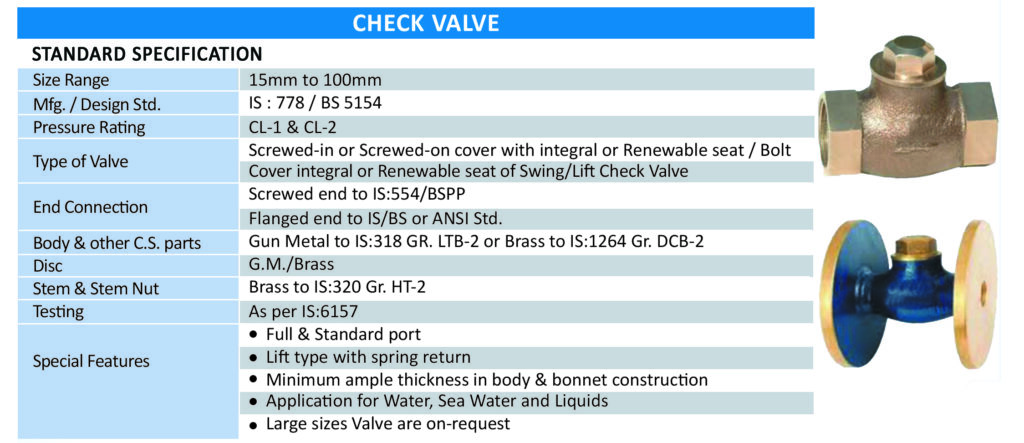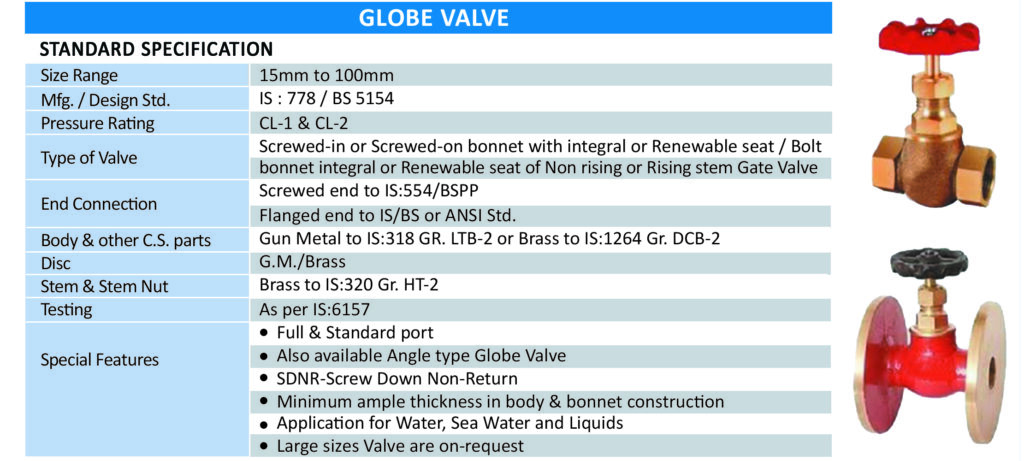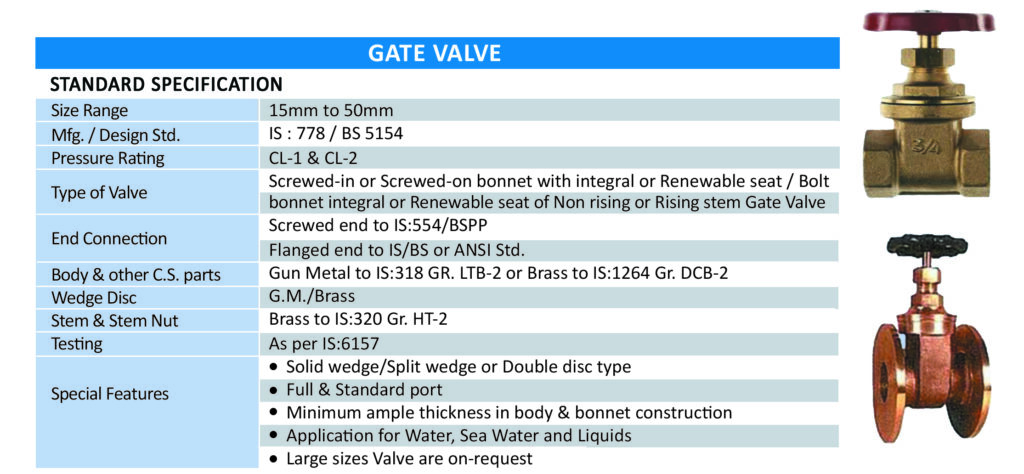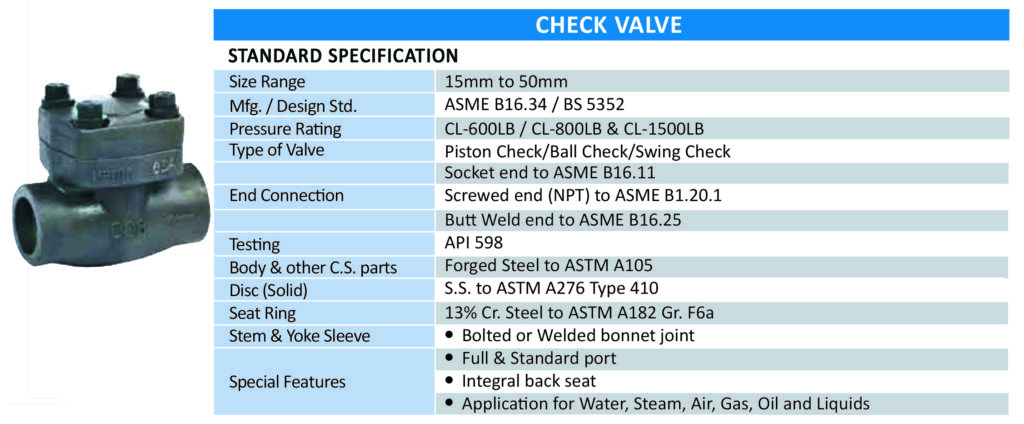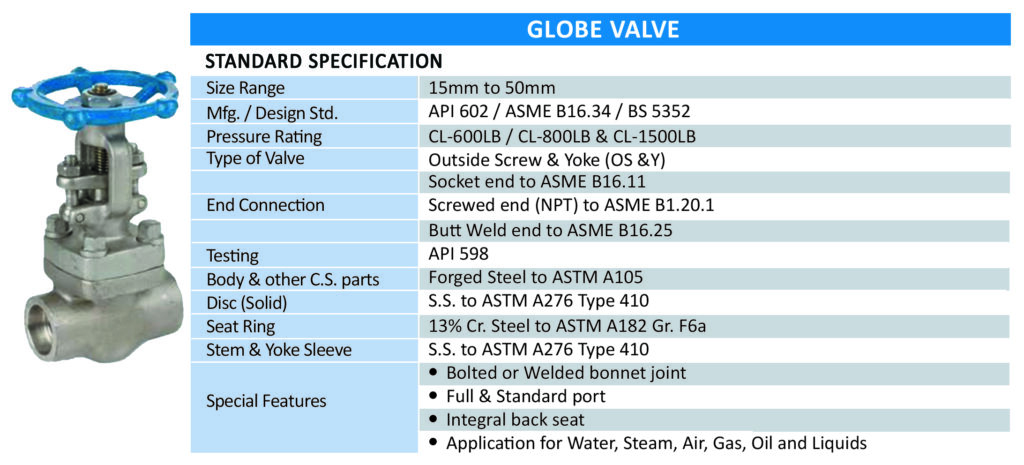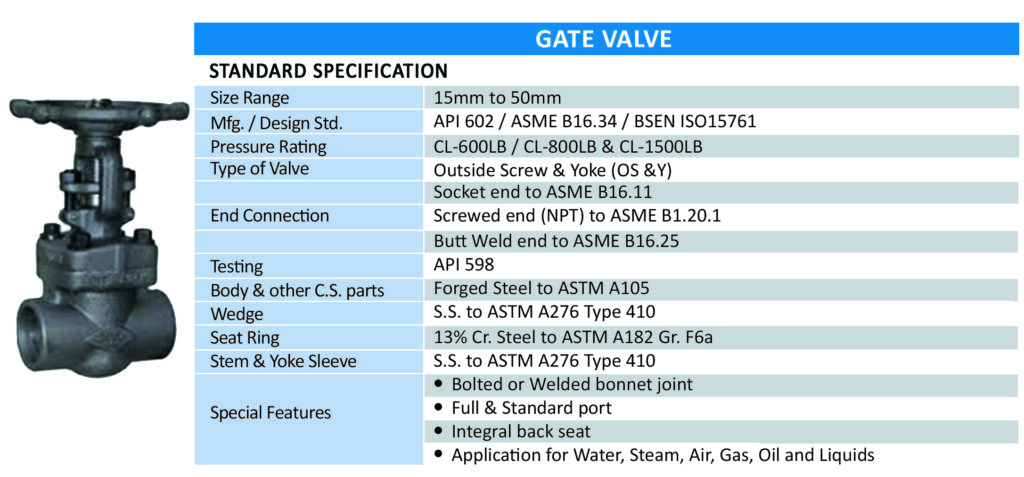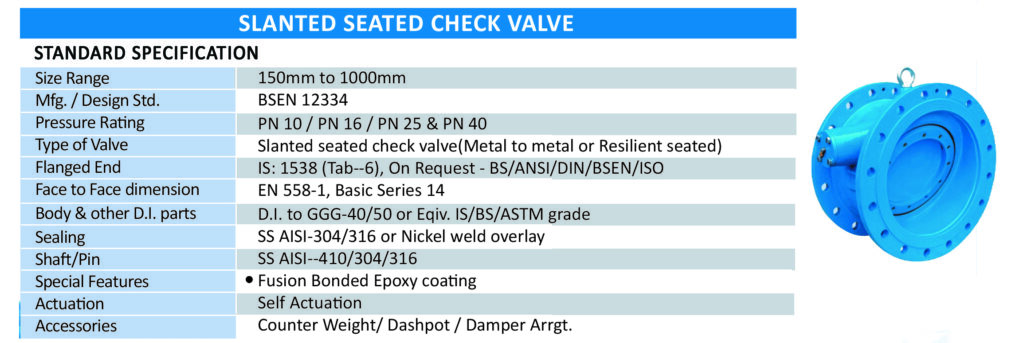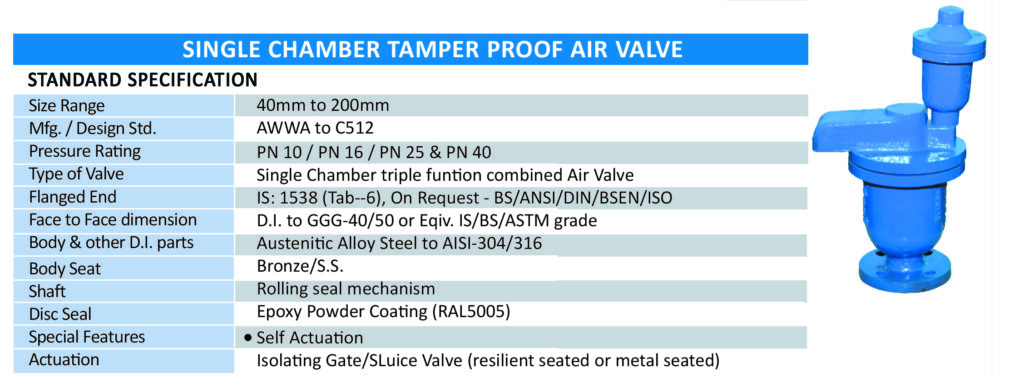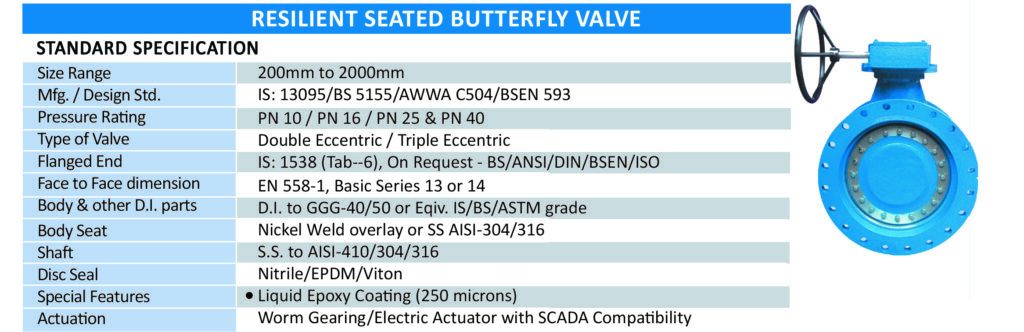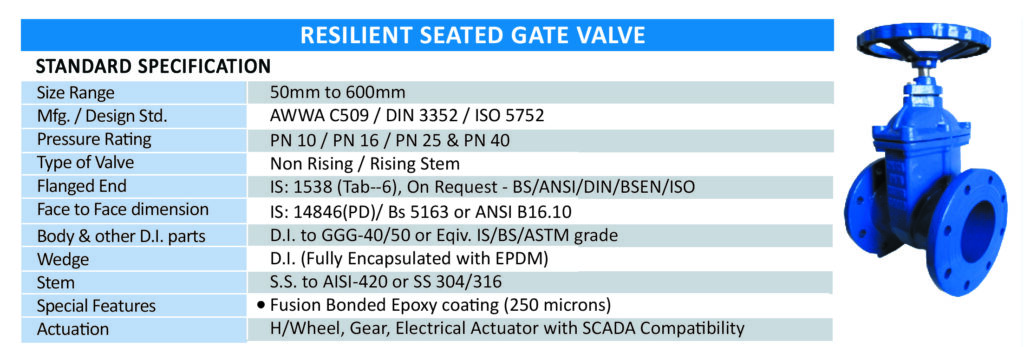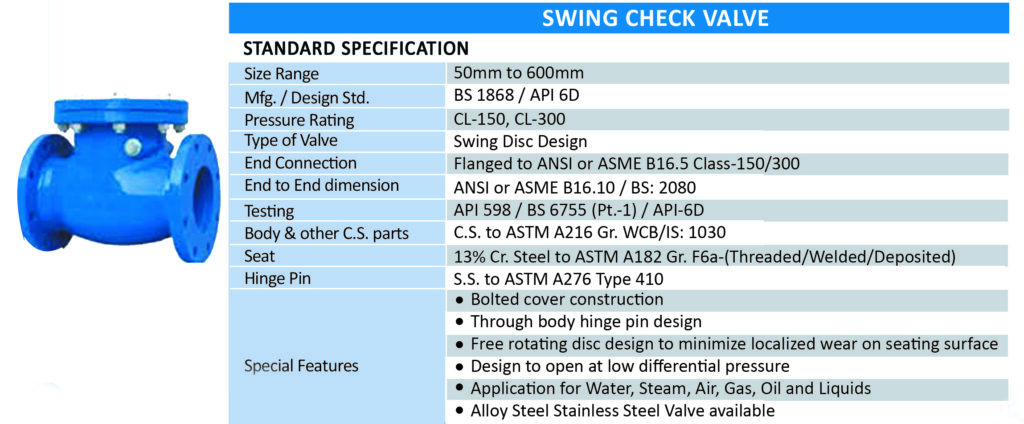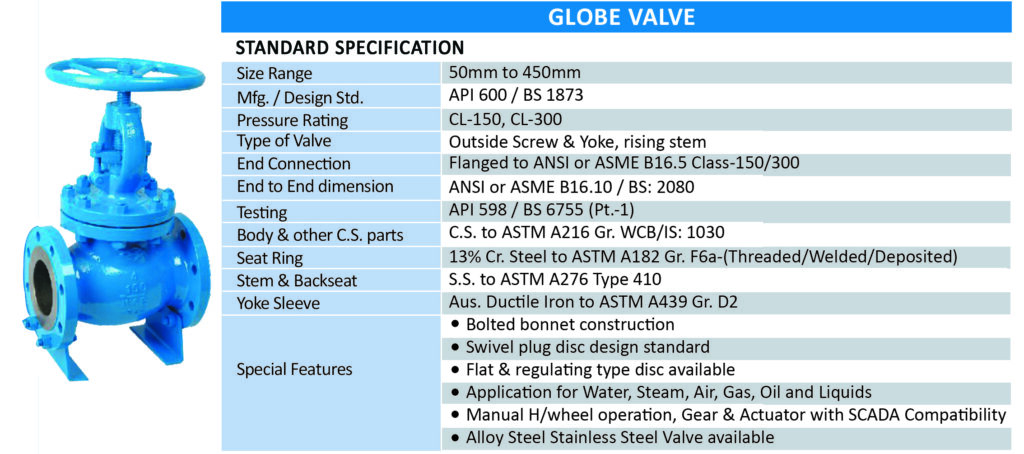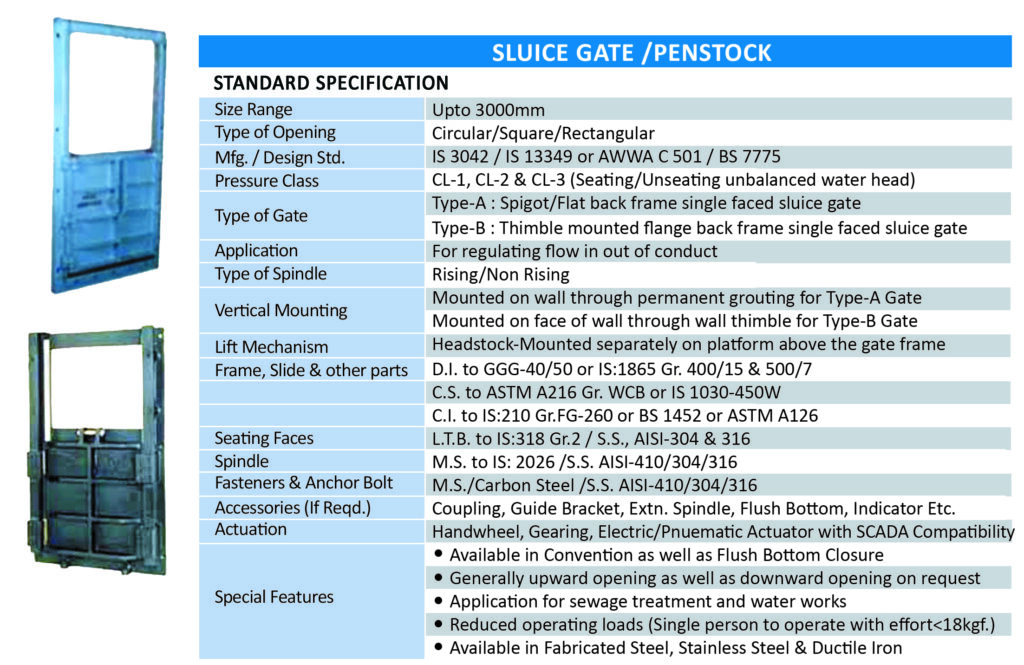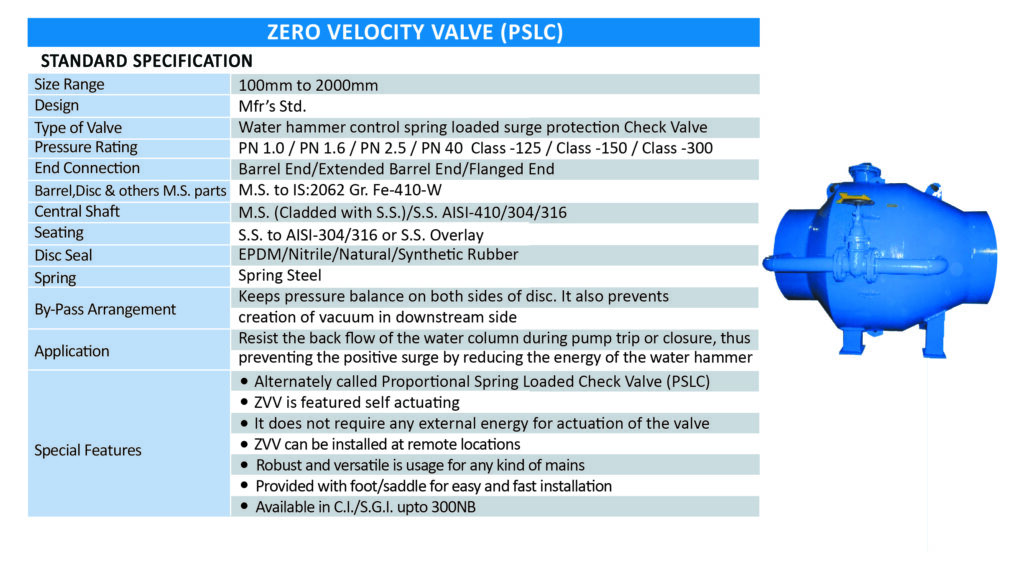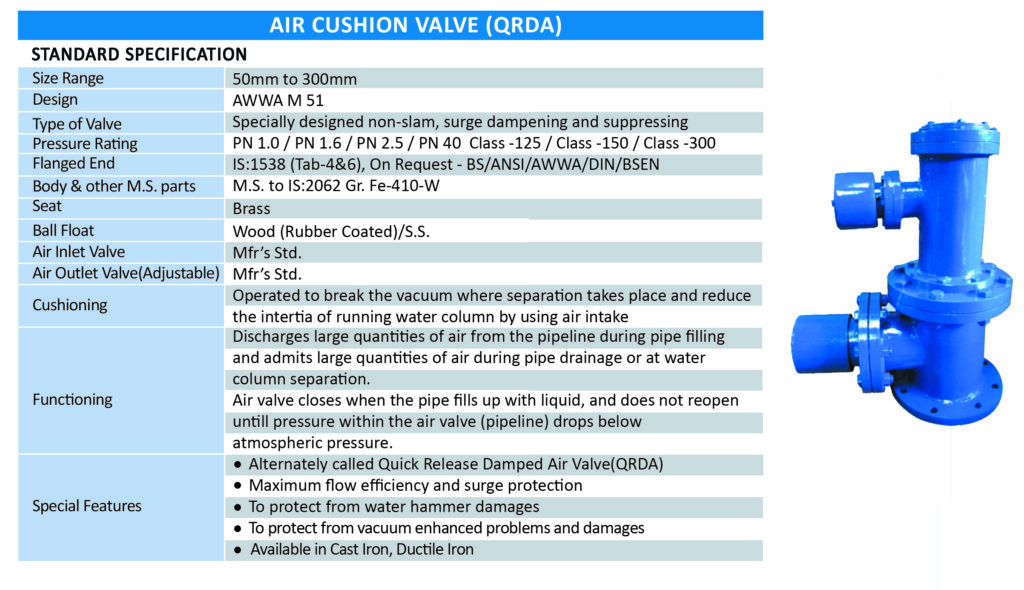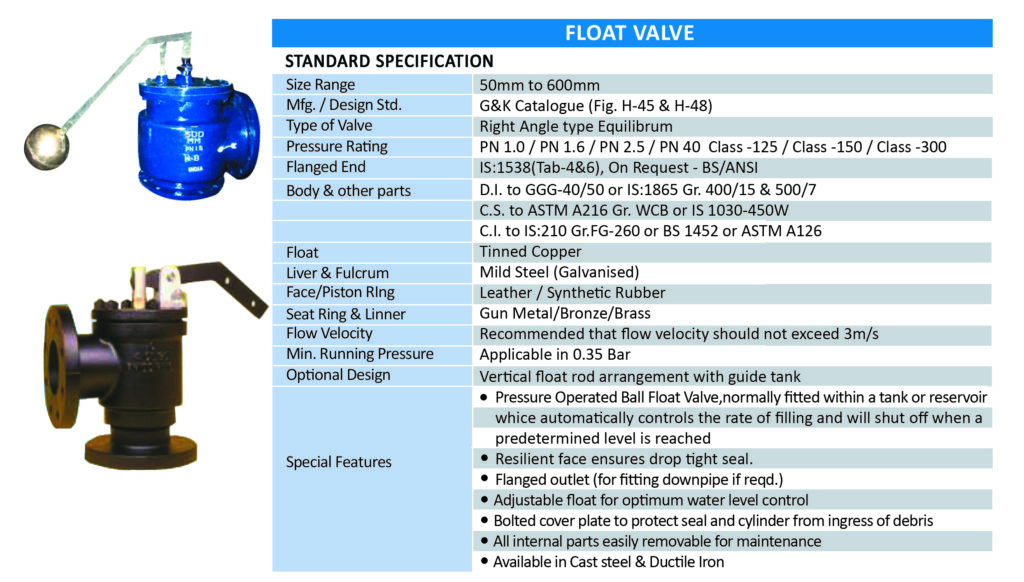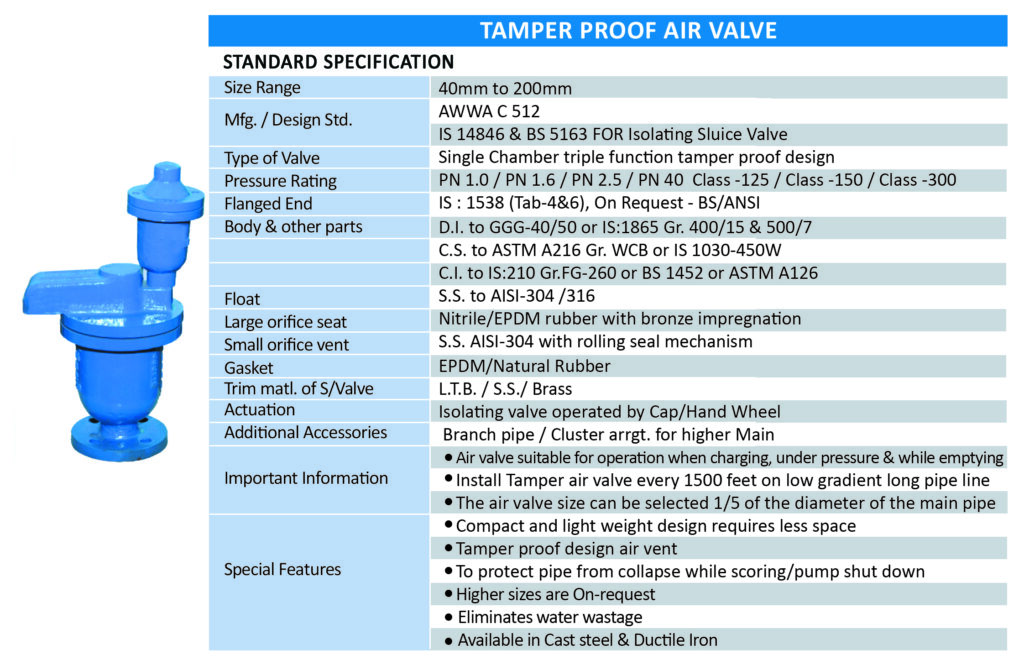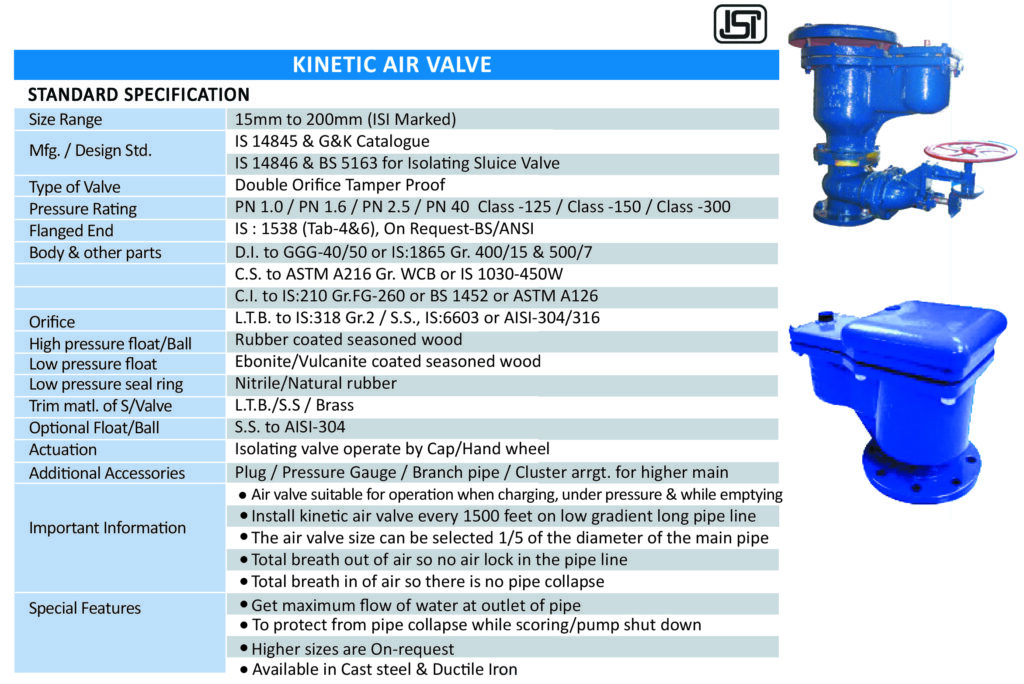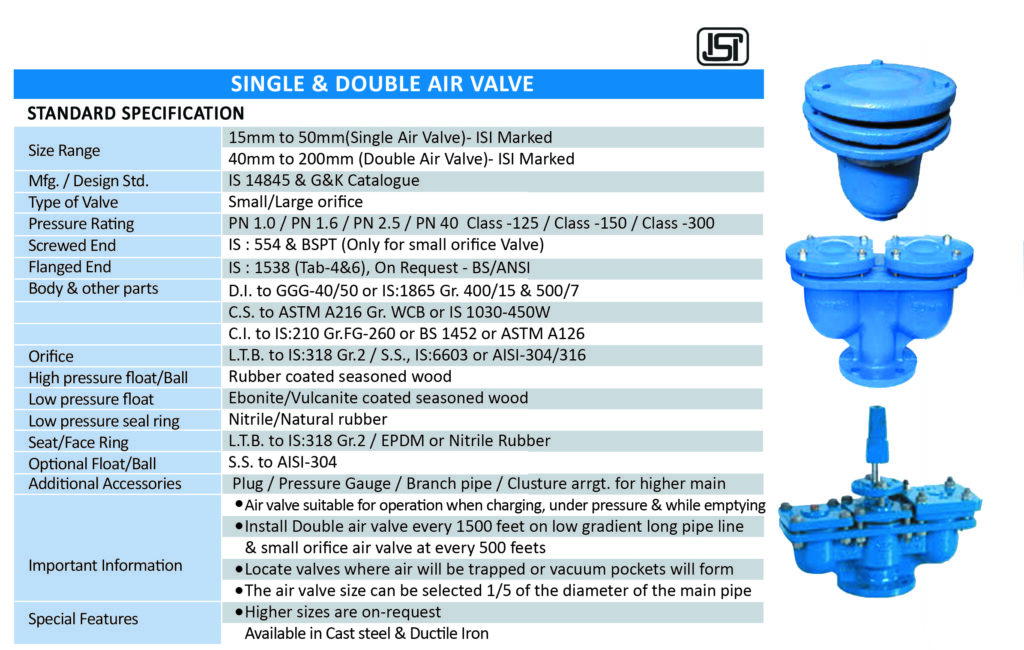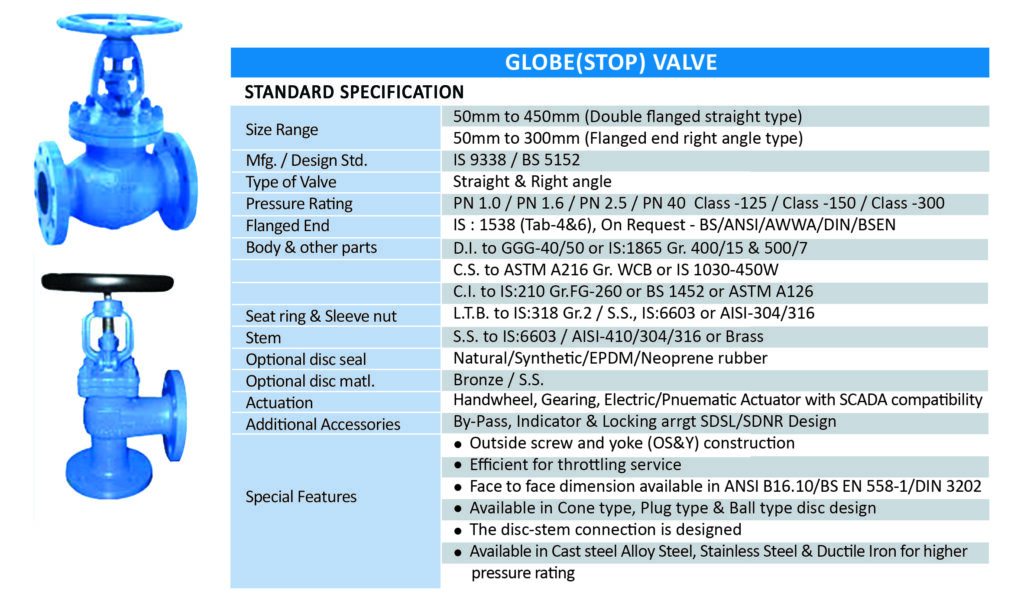
When you build machines, pipelines, or heavy equipment, you want materials that last. Nobody wants parts to fail unexpectedly. A small crack inside a component can stop an entire system. That is why experienced ductile iron manufacturers put enormous effort into strength and durability.
When you look at a finished cast object, it is quite natural to assume that it is a rather simple thing. In reality, however, every robust casting is the product of meticulous engineering, rigorous oversight, and decades of manufacturing experience.
For a long time, we have been successfully supplying such iron castings to a wide range of industries. We do not merely melt iron and pour it into a mould; rather, our skilled craftsmen meticulously manage the entire process—step by step—to produce a truly durable casting. As a result, we can guarantee that our castings will withstand the stresses of pressure, heat, and continuous heavy-duty use. Let us walk through how this strength is actually created.
Why Ductile Iron Is Trusted Across Industries
Many metals look strong on the outside. Yet when stress increases, they break suddenly. Traditional cast iron is one such example. Ductile iron behaves differently. It handles pressure in a smarter way.
Inside the metal, graphite exists as round nodules instead of thin flakes. Those tiny nodules spread stress evenly throughout the structure. Because of that internal design, the metal bends slightly before breaking. For you, this means fewer failures and longer service life. Industries depend on ductile iron castings because they offer a rare combination: strength, flexibility, and durability.
Everything Begins with the Right Raw Materials
If the ingredients are wrong, the final product cannot be strong. Reliable ductile iron manufacturers start by carefully selecting raw materials. Every element inside the molten metal must remain within controlled limits.
Carbon, silicon, magnesium, sulphur, and other elements influence the final properties of the casting. Even small variations can affect strength. Before production begins, we analyse the metal composition. This step ensures the base material already meets strict requirements. Think of it as building a house. If the foundation is weak, nothing above it will last.
Precision Melting Makes a Huge Difference
Melting iron is not just about heat. The temperature, timing, and treatment process all matter. Inside the furnace, technicians monitor the molten metal constantly. The chemical balance must remain stable while the metal reaches pouring temperature.
At the right moment, magnesium treatment is introduced. This step transforms the internal graphite structure and creates the ductile property. You may never see this transformation, but it changes everything inside the metal.
If this stage is rushed or poorly controlled, the final casting may lose its toughness. That is why skilled metallurgical supervision is essential throughout the melting process.
The Role of Intelligent Mould Design
After melting, the next step determines how the metal takes shape. Mould design affects far more than appearance. It controls how molten metal flows, cools, and solidifies. If the metal cools unevenly, internal stress may develop. Air pockets may also form inside the casting. Both situations weaken the component.
Experienced ductile iron manufacturers design moulds that guide the metal smoothly through the cavity. This allows the casting to solidify evenly and maintain structural integrity. When you install the final component, you benefit from this invisible engineering.
Heat Treatment Strengthens the Structure Further
Some industrial applications demand even higher performance. Pipelines may face pressure fluctuations. Machinery parts may experience constant vibration. Automotive components must handle repeated load cycles.
To prepare castings for these conditions, manufacturers sometimes apply heat treatment. During this process, castings are heated and cooled under controlled conditions. The internal metal structure reorganises itself, becoming tougher and more fatigue-resistant. Because of this treatment, ductile iron castings can endure years of heavy service without significant damage. You get reliability where it matters most.
Continuous Testing Safeguards Your Product Quality
You certainly would not want your machinery to fail repeatedly, nor would you want any substandard components to enter your production system. For this very reason, if you are involved in the industrial sector and are looking to procure machinery, thorough inspection plays a critically important role for you.
As one of the responsible manufacturers of ductile iron, we rigorously test every batch before shipment. At Shree Krishna Indusries, we deliver products to our clients only after our engineers have verified the metal’s tensile strength, ductility, and impact resistance. In fact, utilising specialised equipment, our team also inspects the internal microstructure of the castings. This ensures that the graphite nodules have formed correctly.
Dimensional testing ensures that the casting conforms to the required specifications. These tests may sound technical to you, but they serve a singular purpose: to help ensure that your operations run smoothly and efficiently.
Designing Castings for Real Working Conditions
Laboratory results alone do not guarantee performance. What really matters is how the component behaves in your environment.
- Will it face high pressure?
- Will it operate in corrosive conditions?
- Or will it experience constant vibration?
Engineers consider these questions while designing the casting. They adjust wall thickness, geometry, and reinforcement areas accordingly. This application-focused approach ensures the component performs reliably after installation. You receive a product designed for your reality, not just theoretical conditions.
Balancing Strength with Competitive Pricing
Strong materials should also remain practical for businesses. Manufacturers constantly improve their production systems to control the ductile iron price. Efficient furnaces, optimised moulding processes, and reduced material waste all help lower costs.
When production becomes more efficient, savings pass down the supply chain. You receive durable castings at a price that keeps your project economically viable. That balance between performance and affordability explains why ductile iron remains so widely used.
Why Industries Continue Choosing Ductile Iron
Across industries, reliability matters more than anything. Water supply systems rely on long-lasting pipelines. Construction equipment requires strong mechanical components. Agricultural machinery must survive rough environments.
In all these situations, ductile iron castings provide dependable performance. They resist cracking, tolerate stress, and maintain structural integrity for years. This is why industries around the world continue partnering with experienced ductile iron manufacturers.
Conclusion
A robust casting is never created with ease; numerous processes lie behind its production. At our facility, as our craftsmen manufacture such castings, they make decisions with the utmost precision and care at every single stage.
From the selection of raw materials to final inspections, our dedicated production team consistently prioritises enhancing product durability. Our sole objective is to supply you with robust components that perform with exceptional reliability and ease within real-world operating environments.
When you choose the right supplier like Shree Krishna Industries, you can rest assured that your business operations will continue without interruption. By placing your trust in our skilled team, you can essentially remain worry-free regarding long-term performance and operational stability.