What Makes Ductile Iron Castings Ideal for Industrial Use?
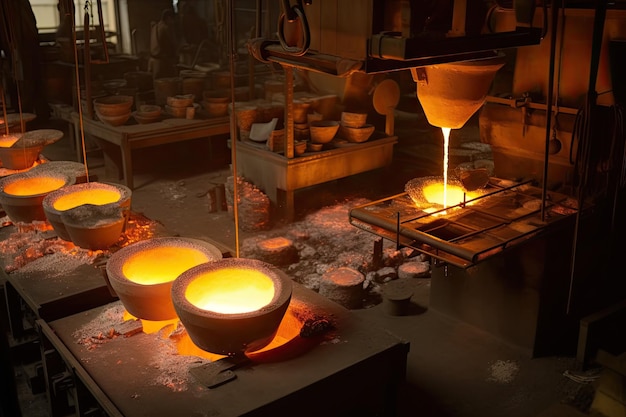
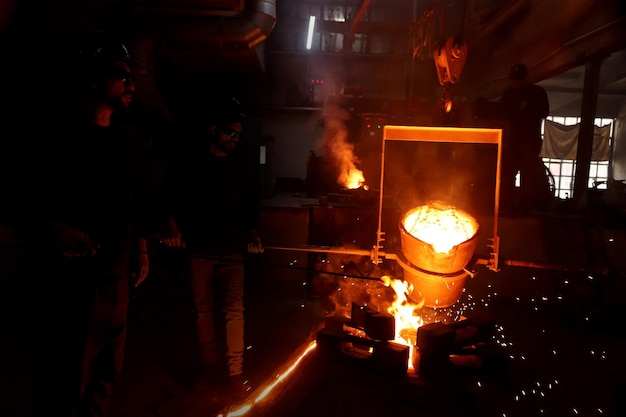
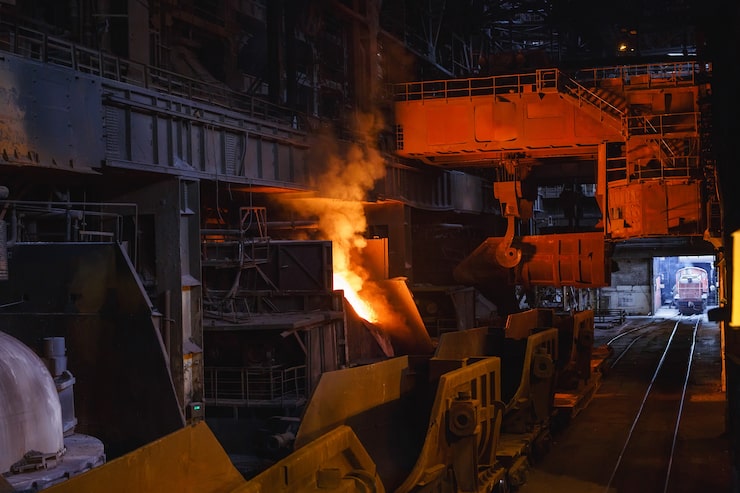
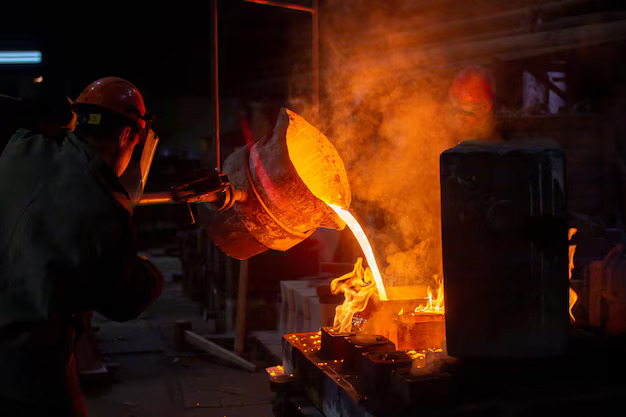
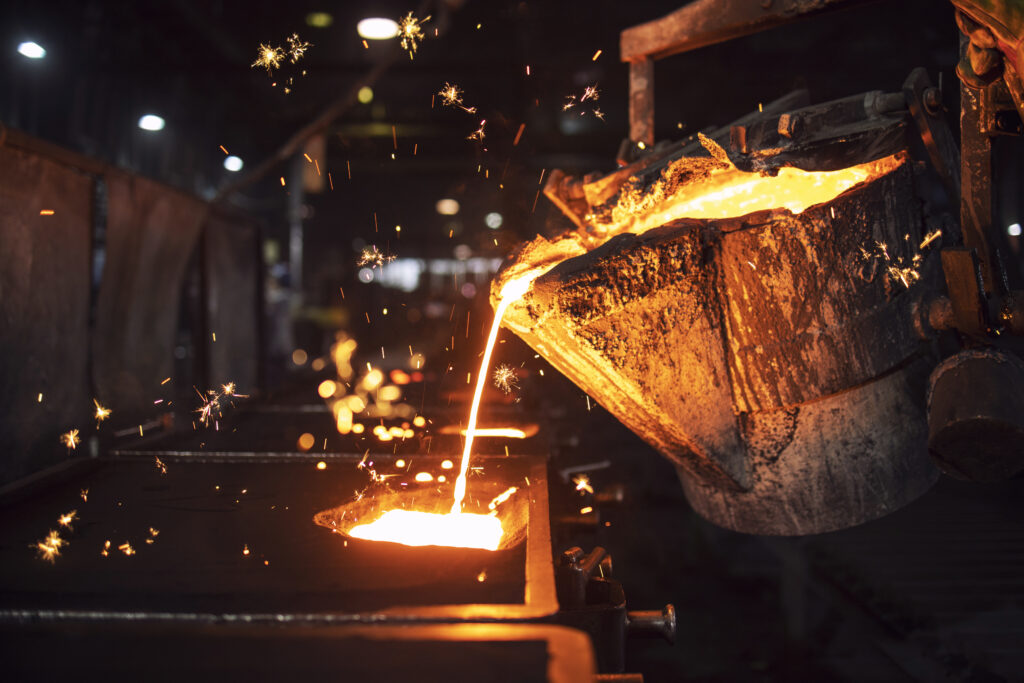
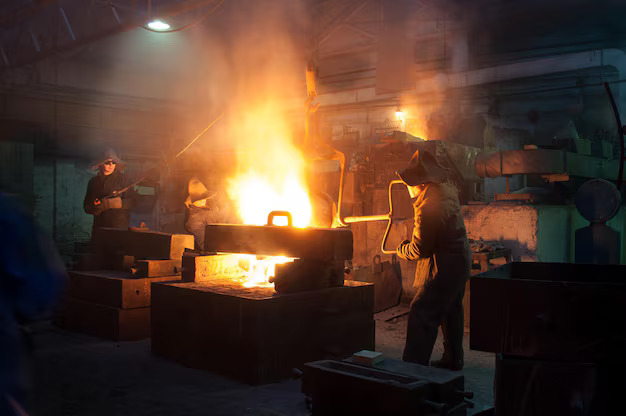
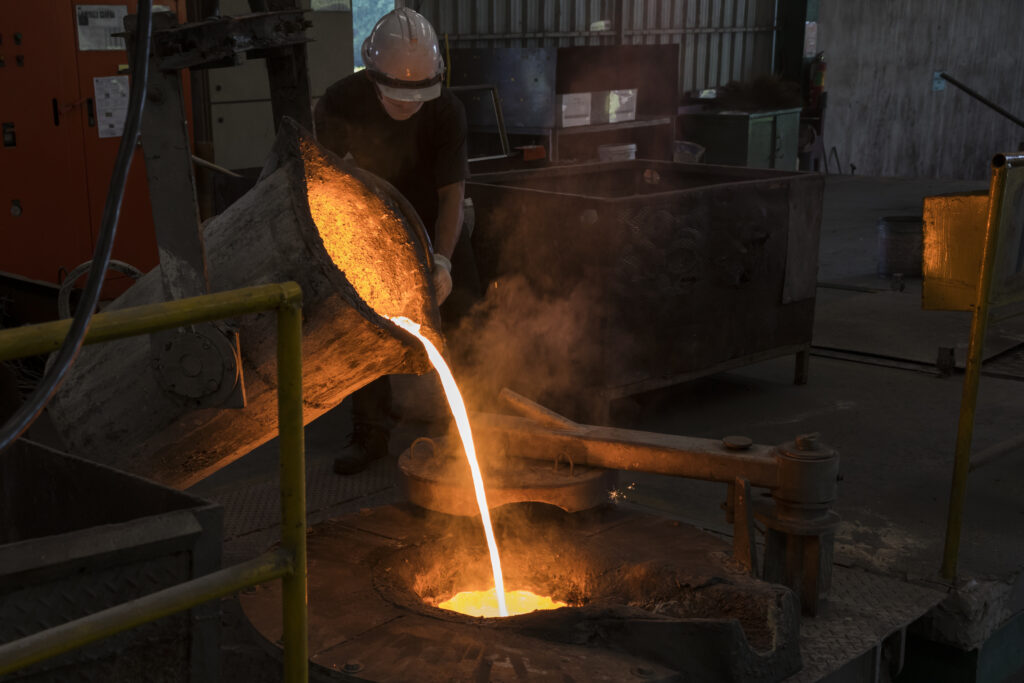
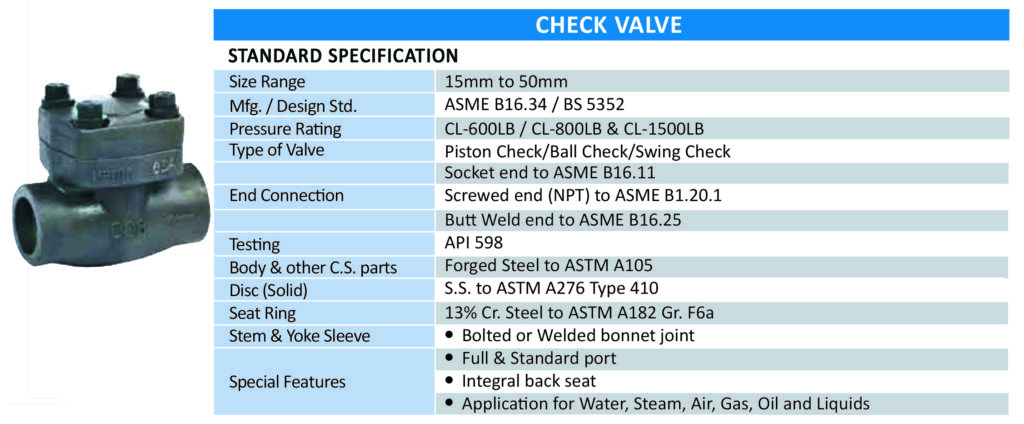
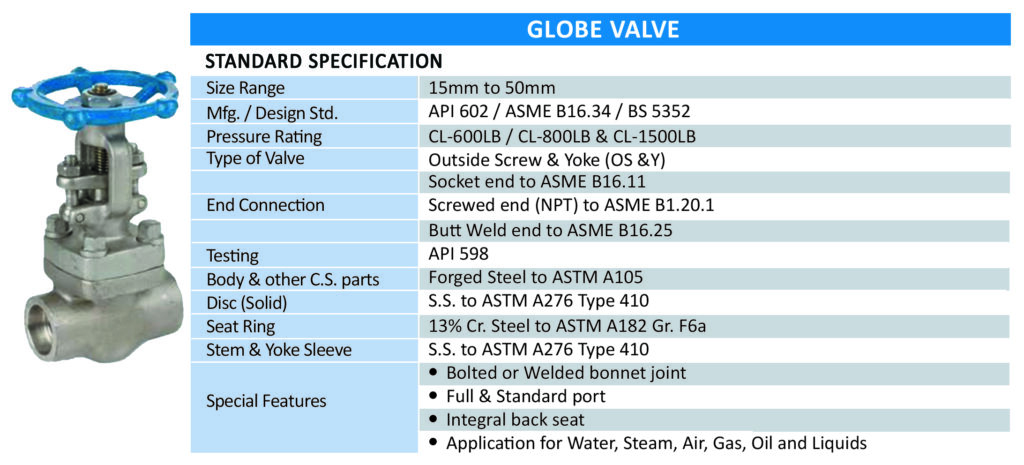
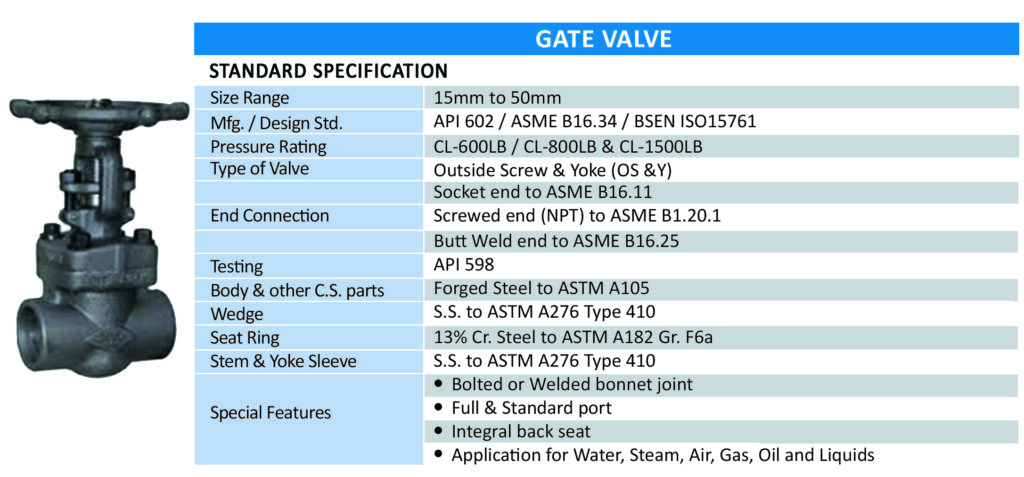
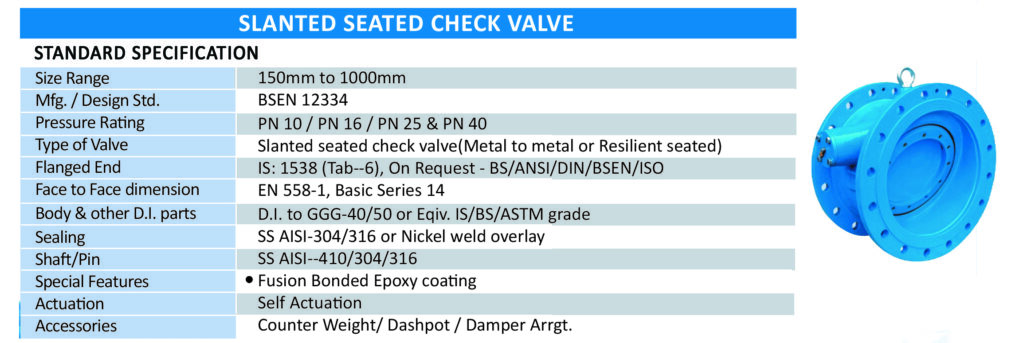
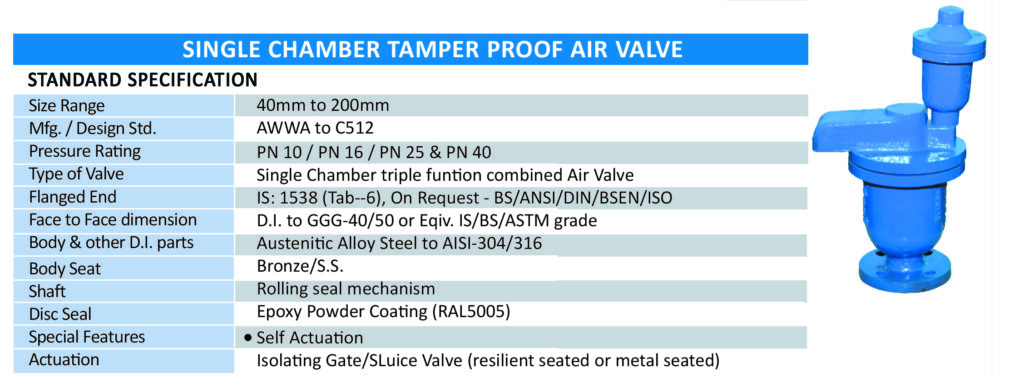
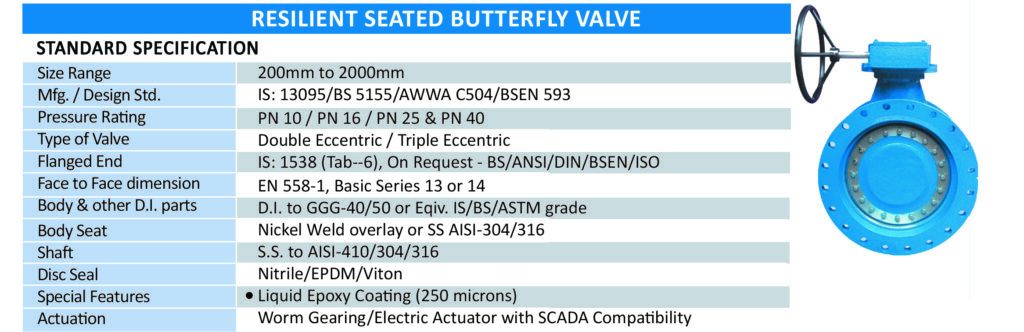
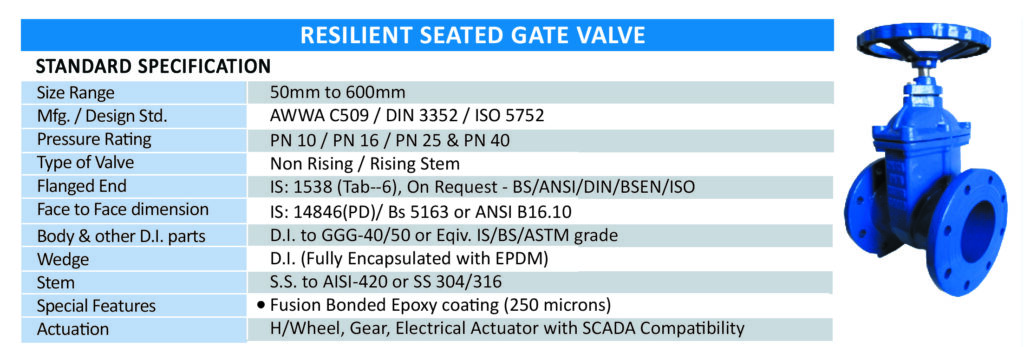
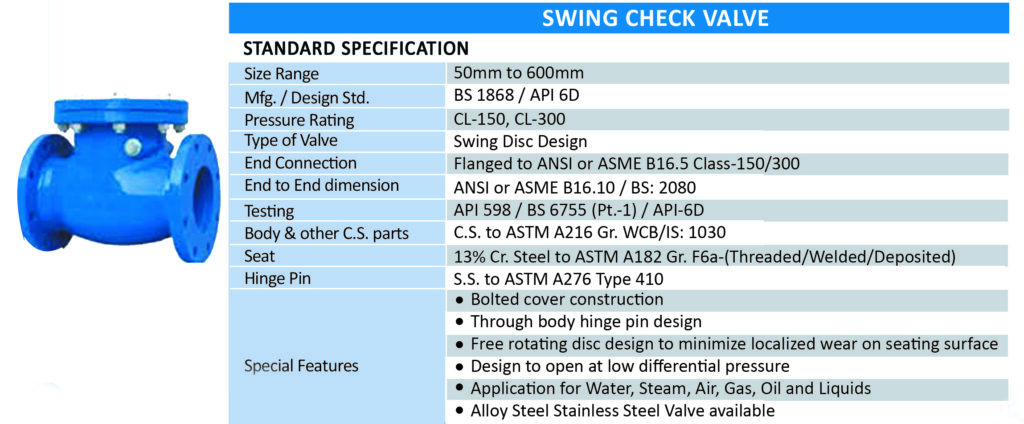
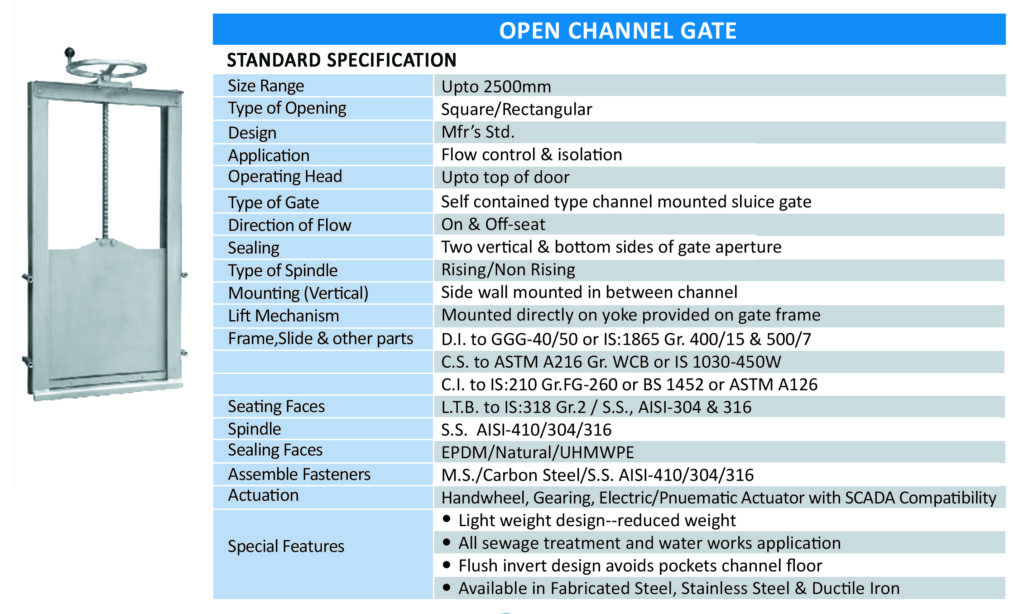
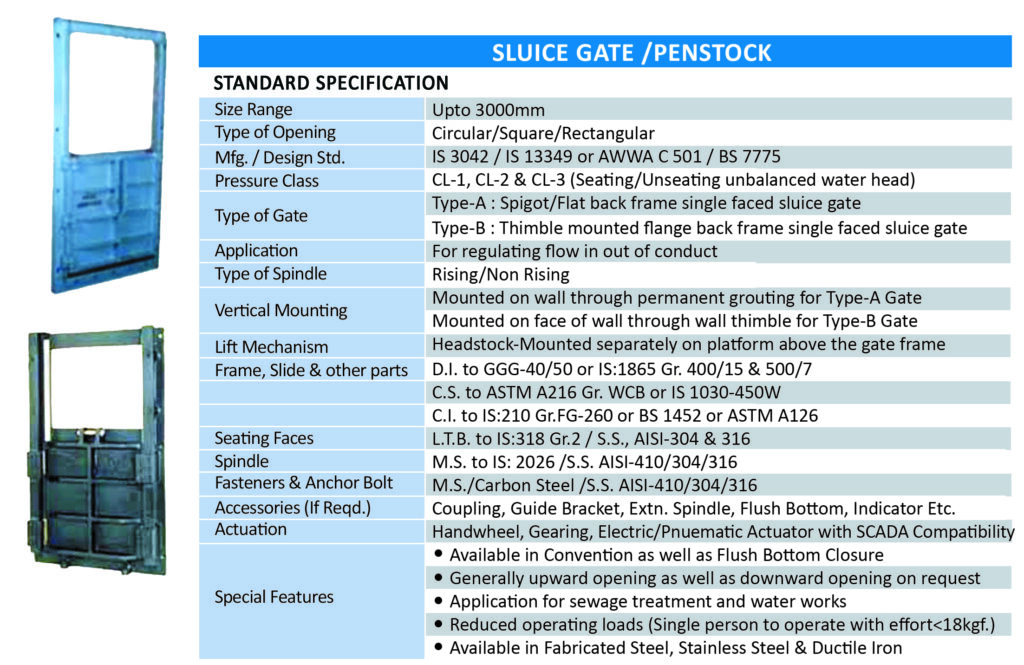
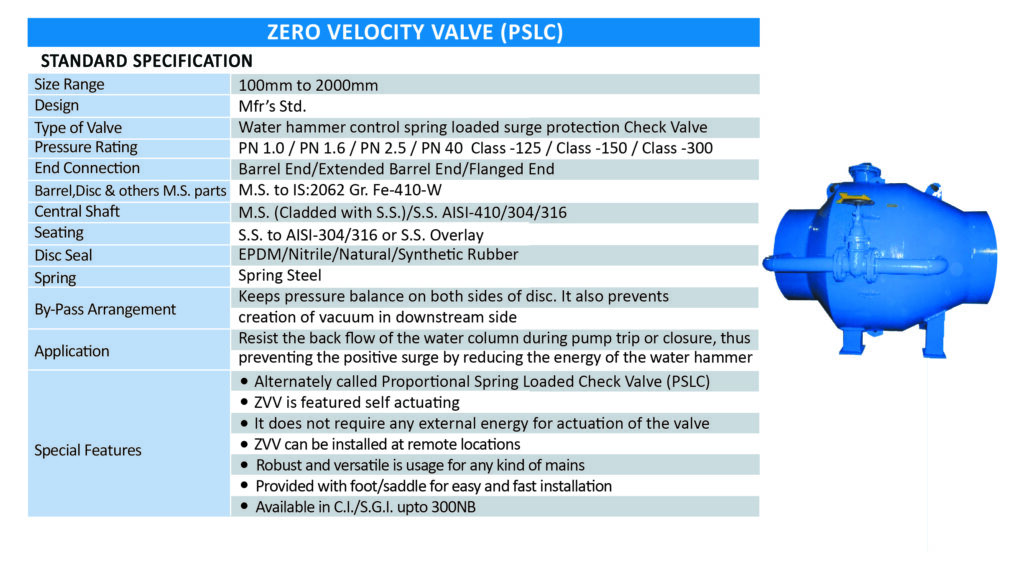
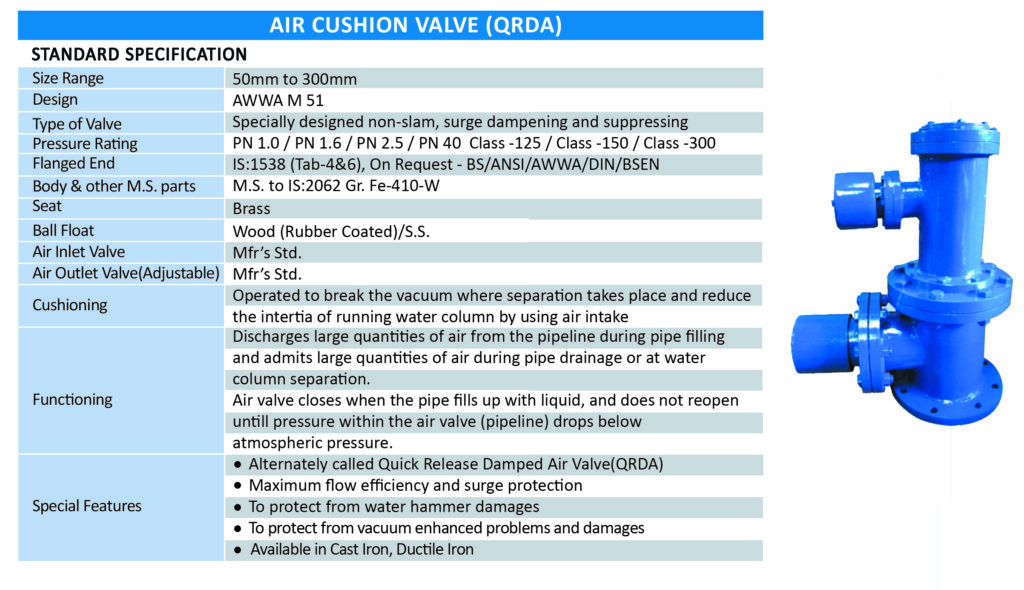
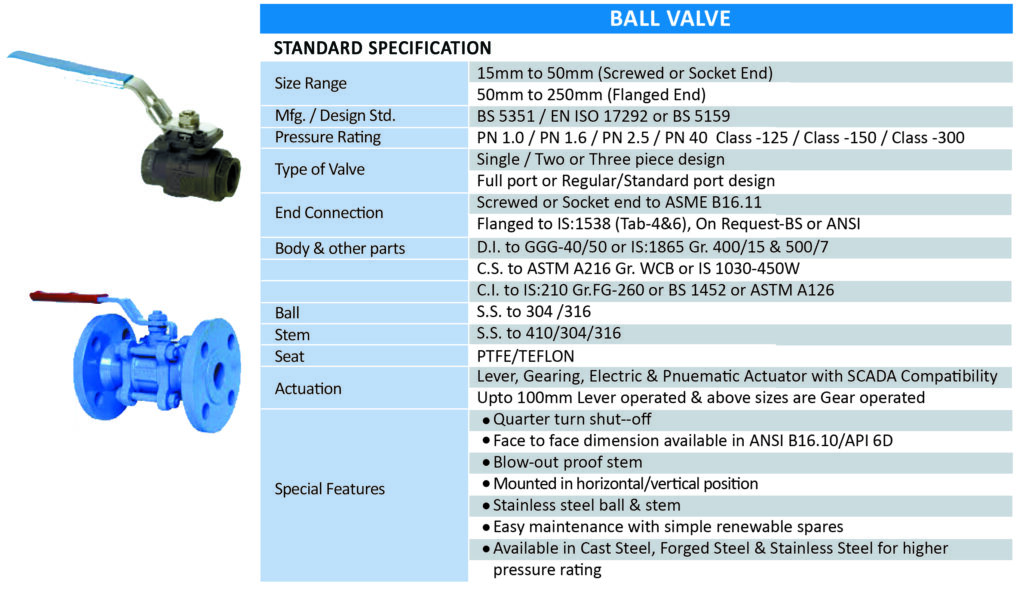
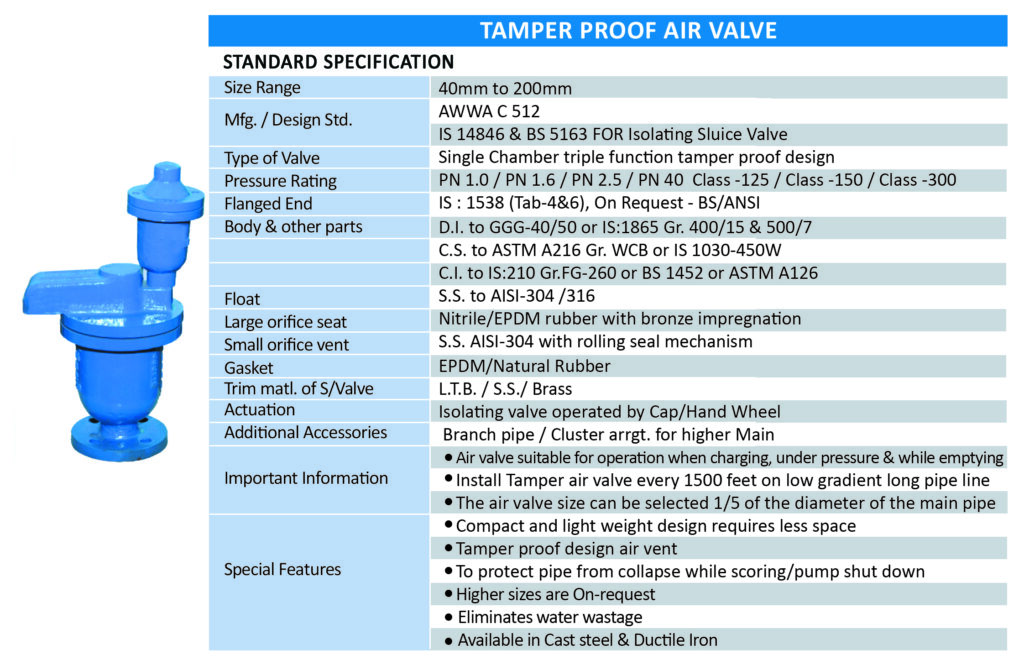
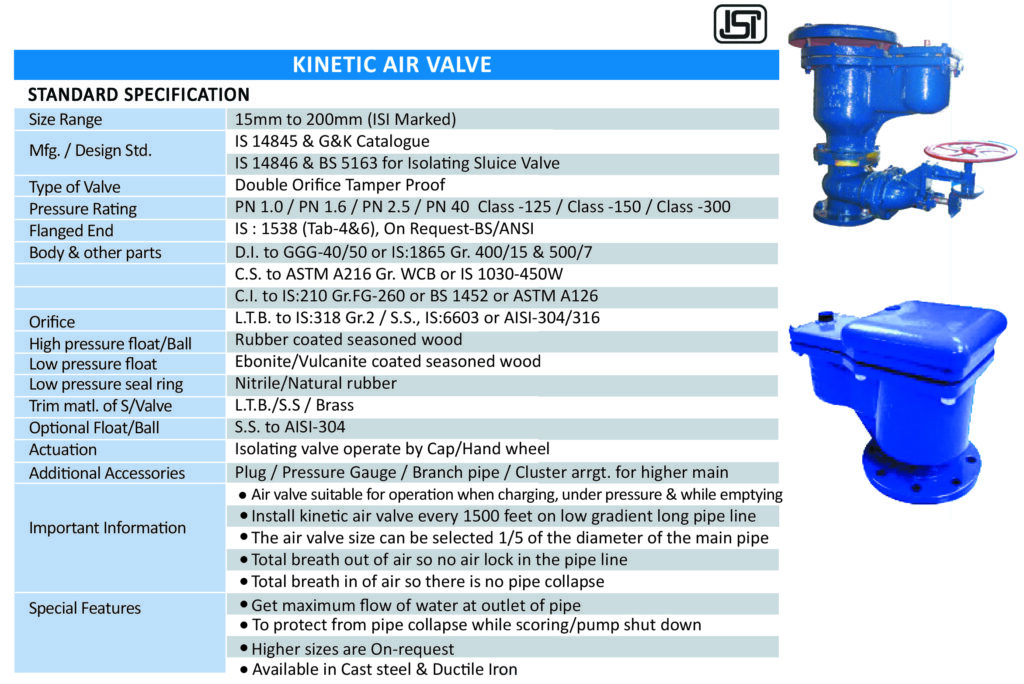
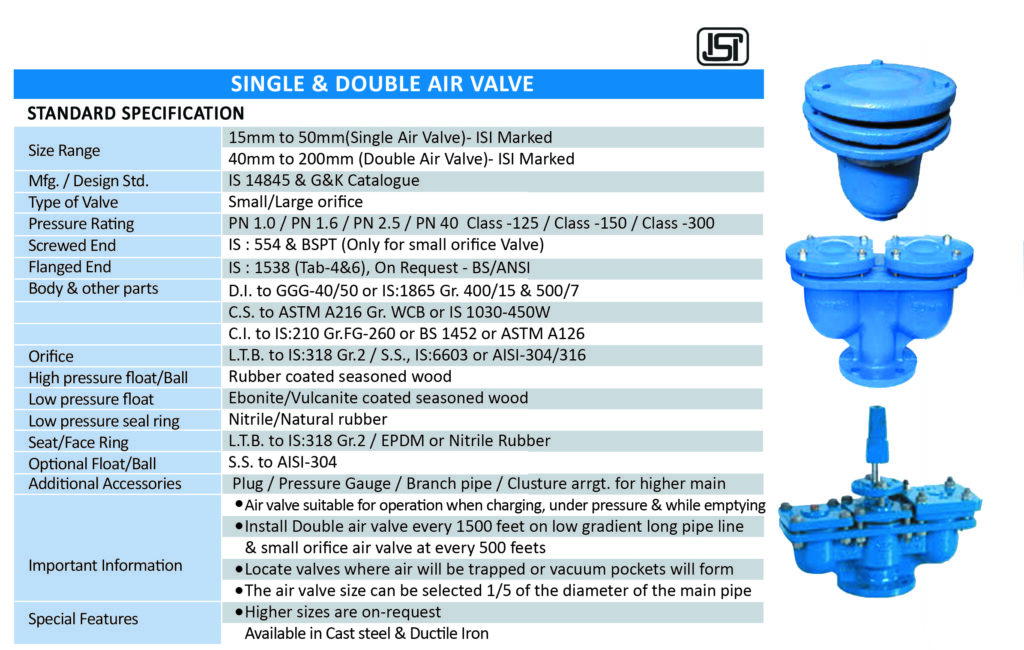
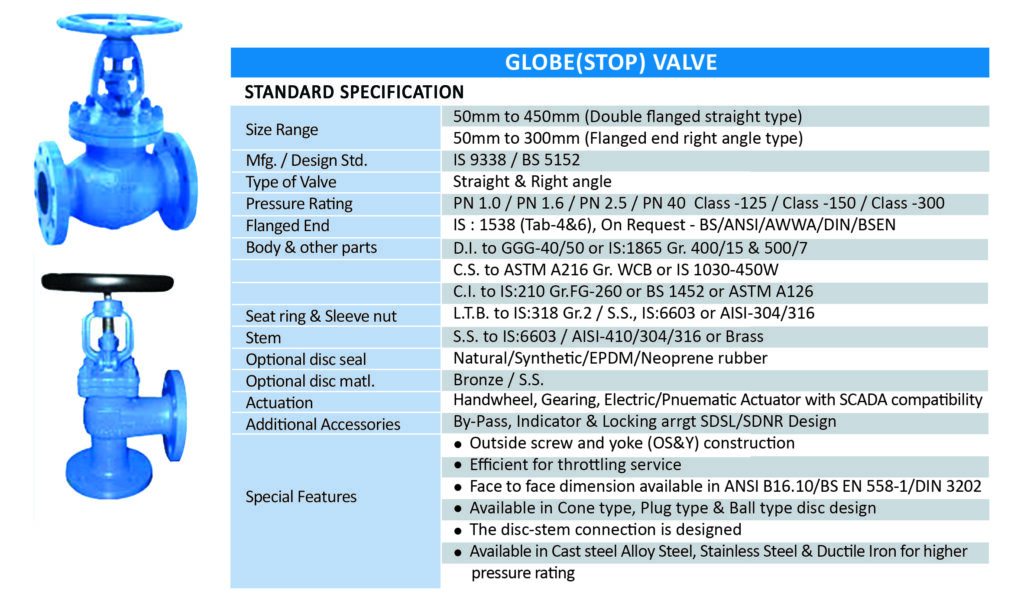
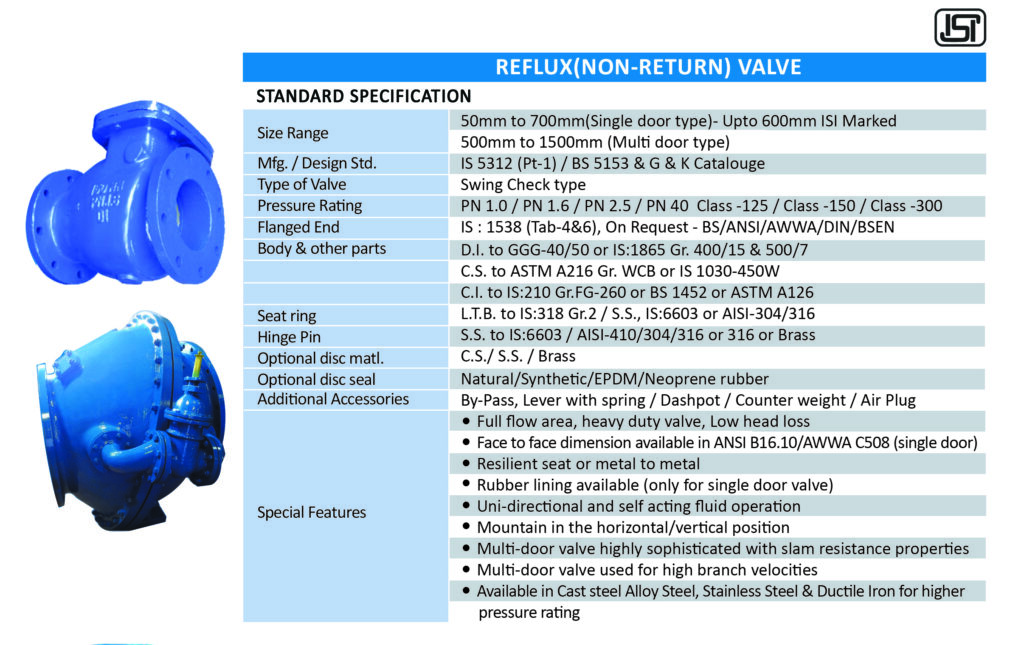
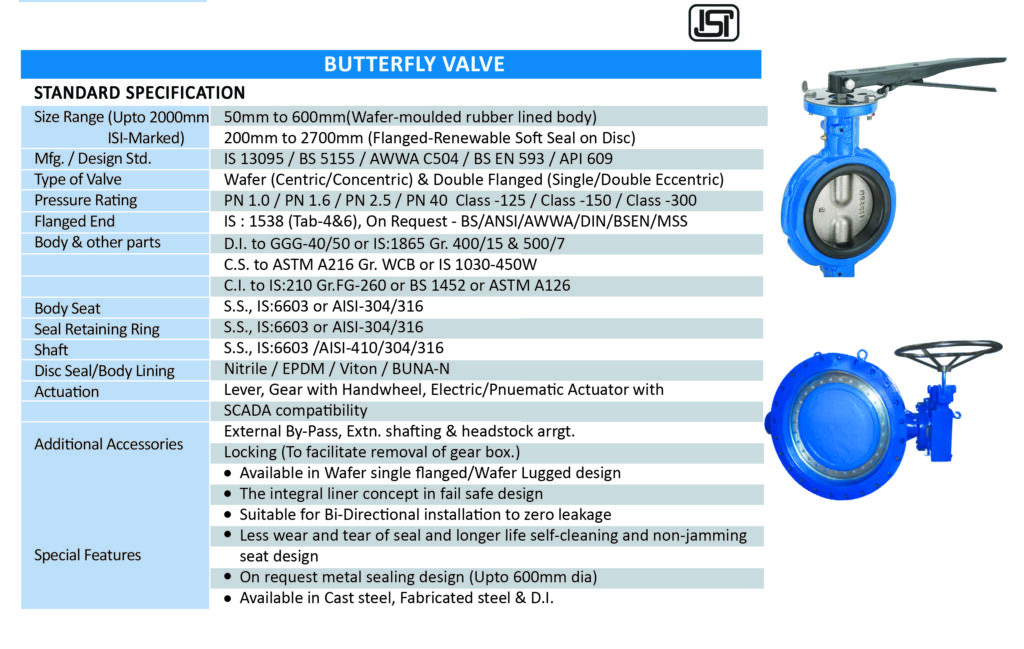
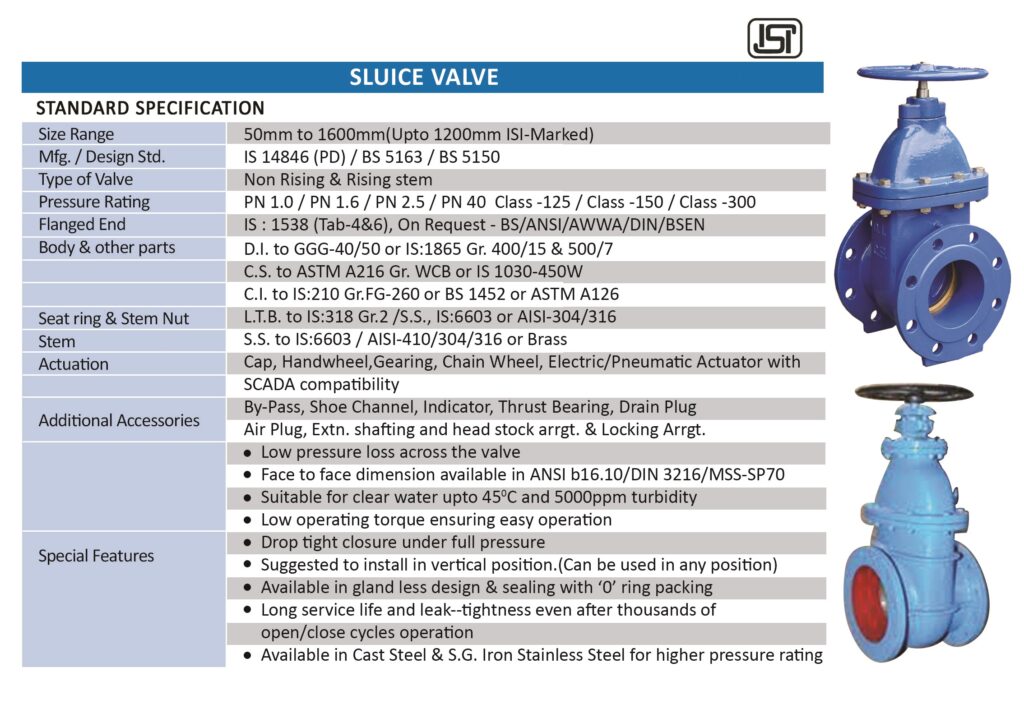
If you work with heavy machinery, industrial equipment, or engineering systems, you already know how important the right components are for your machines and your business. One weak part can slow down your entire operation. A cracked casting can stop production, delay deliveries, and create unexpected repair costs. That is why many industries turn to ductile iron castings when strength and reliability truly matter. At Shree Krishna Industries, we often talk with manufacturers and engineers who are facing these exact challenges. Maybe your parts are wearing out too quickly. Perhaps you have dealt with brittle cast iron that fails under pressure. Or maybe you are designing a new product and want materials that will perform for years. In many cases, ductile iron becomes the solution. Let’s explore why this material continues to be trusted by industries around the world. Understanding What Ductile Iron Really Is Before choosing any casting material, you want to know how it behaves in real conditions. Ductile iron is a type of cast iron where graphite flakes are formed into small round shapes in our ductile iron foundry. This structural change may sound technical to you. However, it plays a vital role in making a big difference in performance for your industry and business. Due to this structure, ductile iron becomes much stronger and much less brittle than traditional cast iron. As a result, it is in high demand in many industries. This is actually a boon for your business. This means that the material can absorb stress without cracking immediately, and keep your business running. In fact, this great combination of strength and flexibility makes these castings highly suitable for industrial use. Strength That Supports Demanding Machinery Think about the machines you rely on every day. Gear housings carry rotational loads. Machine frames support large assemblies. Pump bodies manage pressure and fluid movement. All these components must handle stress without deforming. Ductile iron offers high tensile strength, which allows parts to support heavy loads over long periods. Because of this property, many ductile iron manufacturers supply castings for automotive systems, construction equipment, and industrial machinery. When you install ductile iron components, you gain confidence that the material can handle demanding working conditions. Resistance to Shock and Impact Industrial environments are rarely gentle. Equipment faces constant vibration, sudden force, and repeated movement. Materials that cannot absorb these impacts often fail unexpectedly. This is where ductile iron castings show their real value. The nodular graphite structure allows the material to absorb energy instead of breaking instantly. Instead of sudden fractures, the material distributes stress more evenly across the component. Industries such as mining, construction equipment manufacturing, and heavy engineering depend on this impact resistance. If your machinery works under vibration or shock loads, ductile iron provides the stability you can rely on. Flexibility That Prevents Brittle Failure Traditional cast iron is strong but often brittle. Once stress reaches a certain level, cracks appear quickly. Ductile iron behaves differently. It can bend slightly before breaking, which gives engineers time to manage stress points within the design. This flexibility greatly reduces the chances of sudden structural failure. For you, this means fewer unexpected breakdowns and safer machine performance. This is one reason why companies choose experienced ductile iron manufacturers instead of relying on standard iron castings. Durability That Reduces Maintenance Machines operate continuously in many industries. Friction, pressure, dust, and heavy loads gradually wear down weaker materials. Over time, this wear forces frequent maintenance and part replacements. Ductile iron castings offer strong resistance to wear and abrasion. Components retain their shape and strength even after extended use. For your business, this means longer service life and lower maintenance costs. When parts last longer, your production schedule becomes more stable. That reliability is extremely valuable in industrial environments where downtime is expensive. Cost-Effective for Large-Scale Production While performance matters, cost also plays a role in material selection. Some high-strength alloys can be expensive to produce and machine. Ductile iron provides an excellent balance between mechanical strength and manufacturing cost. Many ductile iron manufacturers recommend it for large production runs because it offers reliable performance without dramatically increasing manufacturing expenses. Additionally, ductile iron can be machined efficiently, which helps control overall production costs. For companies producing thousands of components, this balance makes a noticeable difference. Versatility Across Multiple Industries One of the reasons ductile iron castings remain popular is their adaptability. The material performs well in many types of industrial systems. Different sectors use ductile iron for different purposes, but the reliability remains consistent. You will commonly see ductile iron used in: Automotive components Agricultural machinery Water pipeline infrastructure Industrial pumps and valves Construction equipment Power generation systems This wide range of applications demonstrates how versatile ductile iron truly is. A well-equipped ductile iron manufacturer can produce complex shapes that match the specific needs of each industry. The Importance of a Reliable Manufacturer Even the best material needs proper manufacturing processes to reach its full potential. Experienced ductile iron manufacturers carefully control the casting process from start to finish. This includes monitoring alloy composition, maintaining proper melting temperatures, and performing thorough quality inspections. A responsible ductile foundry ensures each casting meets required mechanical and dimensional standards. When you work with the right manufacturing partner, you gain confidence that every component will perform as expected. Helping Your Equipment Work Harder Every industrial operation aims for efficiency. Machines must run smoothly. Components should last longer. Unexpected failures must be minimised. Ductile iron castings help achieve these goals. They provide strength for heavy loads, flexibility under stress, and durability against wear. These qualities help your machinery operate reliably for extended periods. When materials perform well, your operations become more predictable and easier to manage. Why Ductile Iron Continues to Be Trusted Throughout modern industries, engineers and manufacturers continue to rely on ductile iron for critical components. In fact, this strong material can provide strength to the demands of the industry in a great way. It can provide great ductility that traditional cast iron